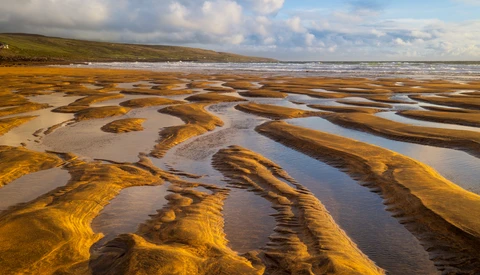
Focus and Sharpness in Landscape Photography: What Actually Works in the Field

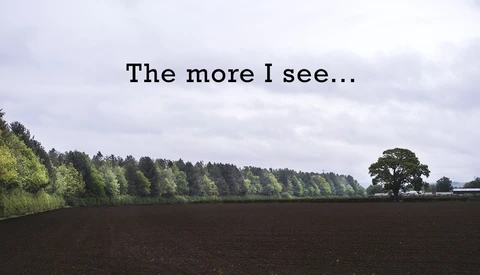
Sharpness is one of the first things many photographers judge in a landscape image, but it is also one of the areas that caused me the most frustration when I was starting out. I used to come home convinced that I had captured strong images, only to load them onto a larger screen and realize the foreground was soft or the distant detail was not as sharp as I thought it would be.
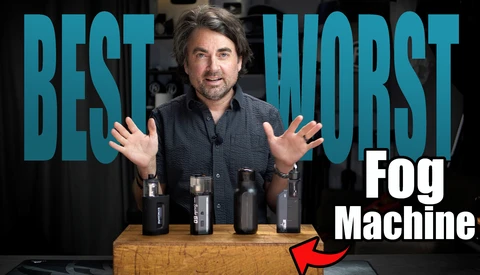
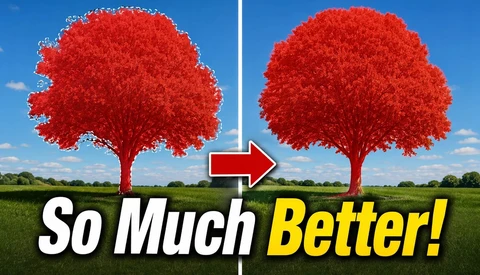
PMI's New 'Vanishing Fog' Makes Adding Smoke Easier Than Ever

 I used to think all fog machine liquid was the same. Never once had I considered that a new fog formula could be far better than what I've been using for decades. PMI's Vanishing Formula Kit has changed my opinion, and today I test it against three of the most popular portable fog systems on the market. 


Active Contests

5 83

We want to see your most unique photo edits

Welcome to the November installment of the Critique the Community! This month's critique theme is going to be "Unique Edit," and we want to see your best photographs that were brought to life with a new or unique editing style or specific editing software.

Fujifilm X100VI vs. Panasonic Lumix LX10: Which Compact Is Actually Better for Travel?

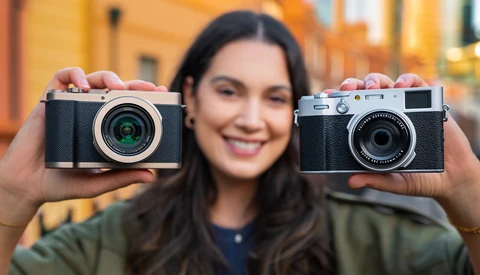
Choosing a compact travel camera is harder than it looks, especially when two solid options sit at very different price points with very different sensor sizes, lenses, and feature sets. The Fujifilm X100VI and the Panasonic Lumix LX10 both pitch themselves as small, capable everyday cameras, but they take genuinely different approaches to getting there. 

The Portrait Photography Trick That Makes Landscape Shots Stand Out

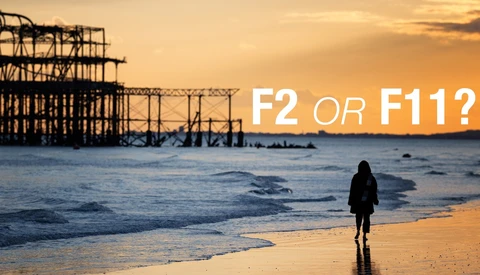
Landscape photography is one of the most crowded genres in the medium, and standing out gets harder as cameras make technically competent images easier to produce. Ben Harvey argues the answer isn't more gear or better locations; it's rethinking how you use depth of field in a genre that almost never does. 

The Quiet Argument Against Photographing Everything

There is a reflex most photographers know well. Something happens, a light shifts, a child laughs, a stranger's face catches the sun, and before the moment has fully registered, the camera is already up. The hand moves faster than the thought.  

Why You Should Embrace the Natural Rhythm of Your Photography

When we think about seasons in photography, our minds usually jump to the literal shifts throughout the year. We imagine the specific light of a spring morning or the way autumn color transforms a familiar trail. But we spend so much time obsessing over the conditions outside that we often overlook the shifting climate within our own creative process. 

The Case for Micro Four Thirds Sensors in 2026

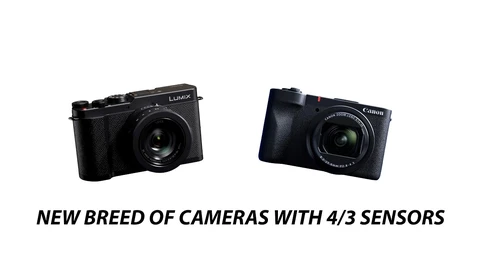
The Canon V1 and Panasonic Lumix L10 are two of the most interesting cameras in recent memory, and not because they're pushing sensor size upward. They're doing the opposite, and making a case that a Four Thirds sensor might be exactly what most people actually need right now. 

Why This Photographer Refuses to Chase Exotic Locations

Gear envy and exotic locations dominate photography social media, and the pressure to match that lifestyle is real. If you've ever felt like your local landscapes or modest kit aren't good enough, this video speaks directly to that. 

My Amazon Prime Day Pick: The OBSBOT Tail 2

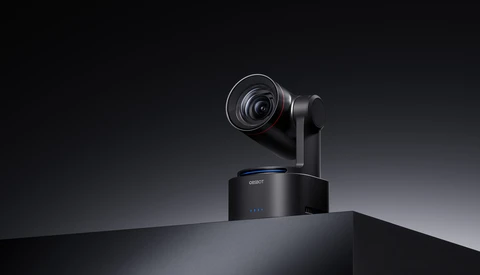
Prime Day is an excellent opportunity to pick up top tech at lower prices, but it can be a little overwhelming when browsing through all the products on offer. The OBSBOT Tail 2 is one such product, which we previously reviewed and recommended, and now has a great Prime Day deal.

The Decisive Moment Is 74 Years Old. Does It Still Apply?

In 1952, Henri Cartier-Bresson published "Images à la Sauvette," a collection of 126 photographs with a cover designed by Henri Matisse. The American edition, published the same year by Simon and Schuster, was titled "The Decisive Moment," and that phrase entered photography's vocabulary so completely that it has shaped how photographers think about their medium ever since. 

AI Can Make a Picture, That Doesn't Make It a Photograph

I still use AI. I'm not out here trying to churn butter by hand in a cabin while yelling at electricity. I use the tools. I test the tools. I've built workflows around the tools when they save time, cut friction, or keep me from doing some repetitive task that makes my soul feel like it got trapped in a printer jam. I'm not precious about it. If a tool works, I use it. 

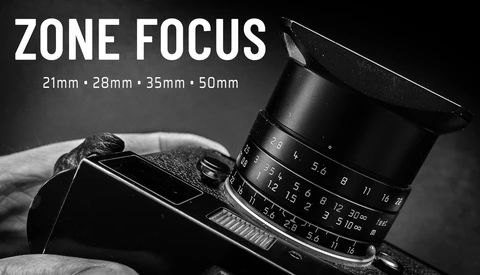
The Exact Zone Focusing Settings a Street Photographer Uses for Four Lenses

Zone focusing is one of the fastest ways to shoot on the street, and most people either don't know how to set it up or don't trust it enough to actually use it. Jeff Ascough has built his entire street shooting practice around it, skipping autofocus almost entirely in favor of pre-set distances and depth of field. 

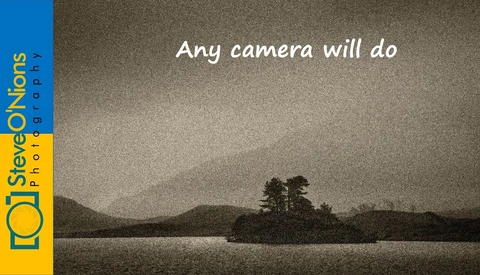
Why Buying New Gear Rarely Makes You a Better Photographer

I love G.A.S. (Gear Acquisition Syndrome). I really do. But being as "stony broke" as I am, I am very restricted in the purchases I can actually make. That being said, if I had the means, I would be up to my eyeballs in all the new shiny things. It's a siren song we all hear: "Surely if I just had this—insert arbitrary piece of gear here—my images would finally be the best." 

Everyone Assumes the First Weather Satellites Used Film. The Real Story Is Far Stranger.

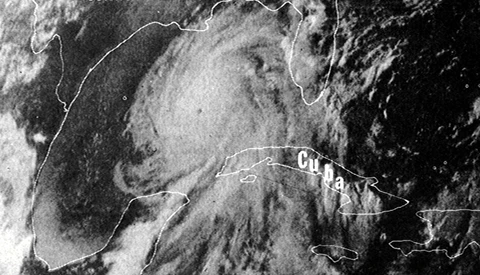
When Hurricane Camille filled the Gulf of Mexico in August 1969, satellites watched it the entire way in. The storm came ashore on the Mississippi coast as a Category 5 with sustained winds of 175 mph and a storm surge of more than 24 feet, and it killed more than 250 people. It would have killed many more if forecasters had not seen it coming from space.

The Panasonic L10 Is the LX100 Successor Nobody Expected

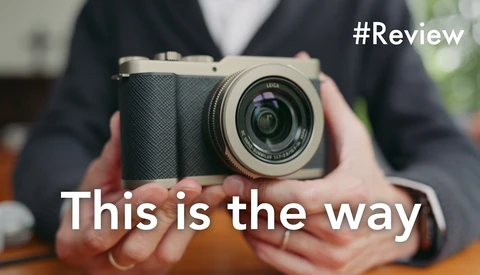
The Panasonic L10 lands in a genuinely narrow space: a compact camera with a large sensor, a zoom lens, and serious video features. If you've wanted something between a Ricoh GR IV and a full-blown mirrorless kit, this camera makes a real case for itself.