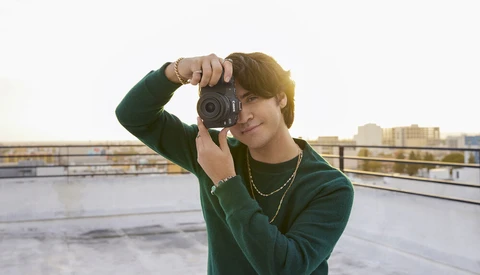
Stop Dreaming About Full Frame: 8 Cameras That Get You In Without Breaking the Bank
Full frame is the holy grail for a lot of photographers. The creamier backgrounds, the cleaner high-ISO files, the undeniable "pro" credibility that comes when you pull out a camera with a sensor the size of a 35mm film negative. For years, it felt like membership in this club required either a trust fund or a willingness to sacrifice your rent money. Not anymore.

Why This $199 Viltrox 50mm Lives on My Camera After Dark
I did not plan on liking the Viltrox AF 50mm f/2 Air. When you hold it for the first time, it feels almost too light. The plastic shell and the small footprint make it seem like a lens that will do an okay job on a casual afternoon, then fall apart when the light gets rough. My expectations were low.
Latest Gear Reviews

Active Contests
7
268
Enter your Best "Dark" or "Low-Key" images
Welcome to the April Critique the Community! For this contest/critique, we are doing another abstract theme that should allow more photographers to enter. For this month we want to see your most "dark" or "low key" photographs.
Smaller Sensor, Bigger Results: The Micro Four Thirds Advantage
Micro Four Thirds can solve problems that keep showing up in real shooting: bad weather, heavy kits, and subjects that always feel too far away. If you have only used APS-C or full frame, the system can look like a compromise until you see where it quietly outperforms bigger formats.
Fstoppers Exclusives
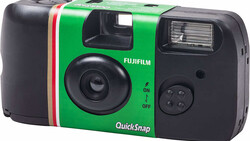
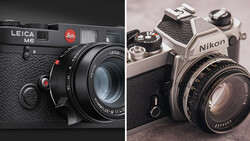




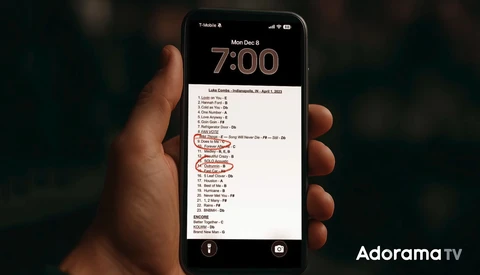
How One Tiny Oversight Can Cost You Hours After the Shoot
A photo shoot can go sideways because of one tiny setting, one missing card, or one piece of gear that shifted in the bag. If paid work or once-only moments matter, a tight pre-shoot checklist is less about being obsessive and more about avoiding preventable damage.
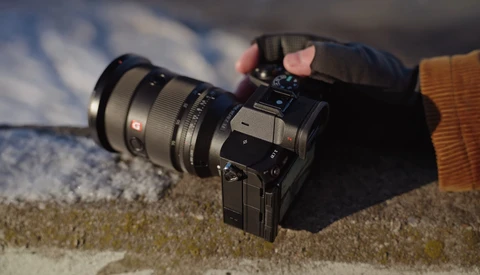
Photo-First Powerhouse, Video Tradeoffs: The Real Sony a7 V Story
You keep hearing that the Sony a7 V is a “safe” update, and that’s exactly why it’s worth a closer look. If stills pay the bills, the details around speed, handling, and reliability matter more than another round of spec-sheet arguments.
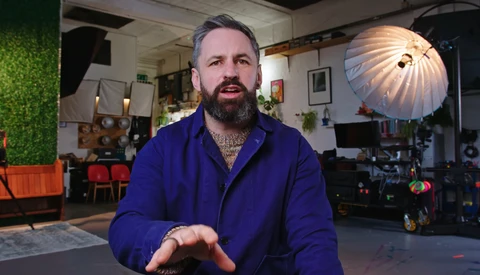
Bad Habits That Quietly Ruin Your Shoots
Treating better sleep, food, and movement as part of your craft can change how you show up on a shoot and what you bring home from it. Ignore it and the work can stall in ways that are easy to blame on gear, clients, or luck.
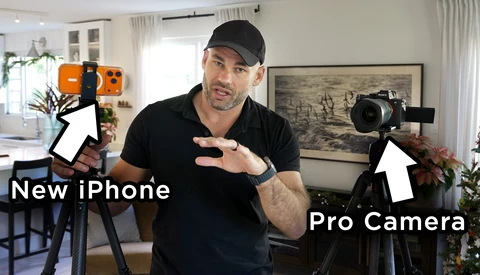
Testing Fotello: AI Software That Edits Real Estate Photos
Long before I ever started Fstoppers, I was a professional real estate photographer. It was a great job, but the editing was mind-numbing. Fotello can now edit the photos for me... and the results are incredible.

Deep Dive Into AI’s Legal Landscape With Top Hollywood Attorney Lisa A. Callif
As AI image-making continues to transform the way we work, a number of new issues have arisen. But as fast as the technology is developing, the legal framework around AI remains an evolving landscape.

Why Your Camera’s “Correct” Exposure Looks Wrong
Your camera’s exposure meter is not a truth machine, and that mismatch is why you end up with frames that look too dark, too bright, or just “off.” Once you stop treating the meter like a judge and start treating it like a starting point, you get faster and more intentional with light.
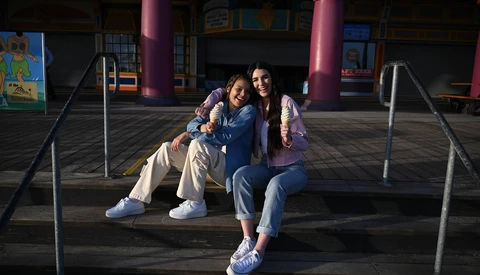
The Best All-in-One Travel Lens for Every Camera Mount
There was a time when serious photographers sneered at superzoom lenses. The old 18-200mm options earned their terrible reputation honestly: muddy corners, slow autofocus, and the kind of optical compromises that made you wonder why you bothered upgrading from a smartphone. But that era is over. Modern computer-aided lens design has produced a new generation of travel zooms that are genuinely sharp, reasonably fast, and often weather-sealed. If you have been hauling a bag full of primes through airports and hiking trails, it might be time to reconsider.
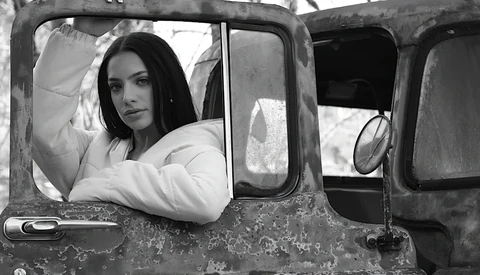
Film Simulations vs. Recipes: Which Gets You The Look You Want?
If you shoot Fujifilm and you care about getting a finished look straight out of camera, the difference between film simulations and recipes changes how you set up every shoot. Get it wrong and you either lock yourself into a look you did not mean to commit to, or you spend time “fixing” files that never needed fixing.

Mistakes That Quietly Ruin Sharp Photos
Buying the most expensive camera feels like the fastest shortcut to better images, but it often just locks you into bad habits with nicer packaging. If you want steadier progress and fewer frustrating “why is this not working” moments, these early mistakes are the ones that keep showing up.

The Real Work Behind a Clean Advertising Image
A polished product shot can look effortless, and that illusion can mess with how you judge your own work. This video is a straight look at how one advertising-style image is built, and it pushes you to stop guessing and start planning.

0
576
Congratulations to the winners!
The results are in. Here is our full video critique for November's photography contests and the winners.

29
456
Show Us Your Best Photos From 2025
For our final contest of 2025, we want to see your favorite images that you captured this year.
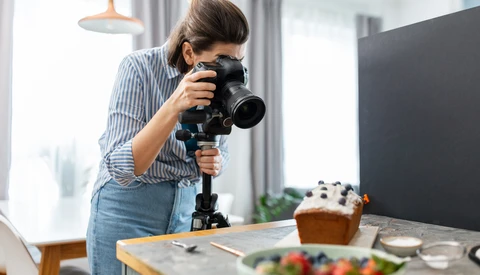
Why 24 Megapixels Is Enough for 95% of Photographers
Every camera announcement follows the same script. The press release lands, the spec sheet unfolds, and there it is: a bigger number than last time. Sensor resolution has become a headline feature, the thing we're supposed to gasp at before we've even seen a sample image. What was once considered professional territory is now dismissed as "entry-level," and we're told that serious photographers need 45, 60, or even 100 megapixels to stay competitive.
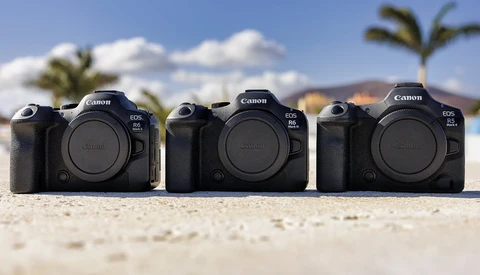
The Canon R6 Mark III vs R6 Mark II vs R5 Mark II: The Differences That Actually Show Up
The Canon EOS R6 Mark III, R6 Mark II, and R5 Mark II sit closer together than their price gaps suggest. It comes down to how each body handles skin tones, missed exposure, and edge cases that appear mid-shoot.

Astrophotography Is a Money Hole: Here Are Three Ways to Save
Astrophotography is one of the most rewarding yet undeniably expensive genres of photography. From specialized cameras to heavy mounts, the costs can quickly spiral out of control. And let’s be honest: print sales rarely make a dent in those expenses unless, maybe, you have a once-in-a-lifetime shot of Icarus flying into the sun.
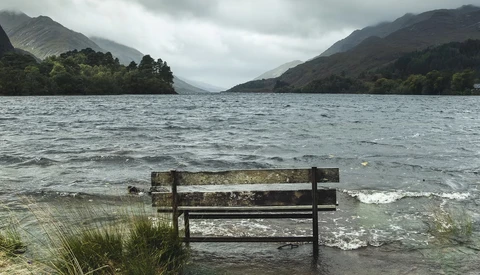
The Questions You Should Answer Before Every Shot
Five simple questions can change how you approach a scene, even when the location is familiar and the light is average. Ask them before you press the shutter and your results stop feeling accidental.
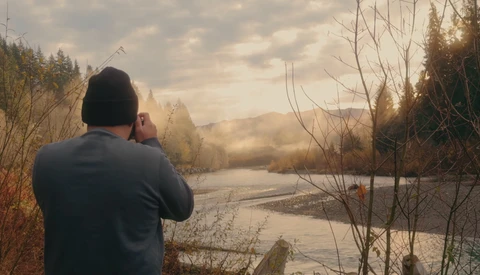
Small Sensors, Big Results: Stop Letting Specs Run Your Photos
Sensor size talk can trap you into thinking your next camera purchase is the thing standing between you and better images. That mindset quietly changes what you shoot, how often you practice, and how willing you are to try something you might fail at.

Vibrance vs Saturation: The Mistake That Makes Sunsets Look Fake
Saturation can make a strong photo look electric, or it can quietly wreck it in five seconds. If Lightroom is part of your workflow, knowing when to avoid that slider changes how believable your color looks.

The Best 85mm Portrait Lens for Every Budget (Sony, Canon, Nikon)
There is a reason every professional wedding and portrait photographer owns an 85mm lens. Ask any working pro what focal length lives on their camera during golden hour portraits, and the answer is almost always the same. The 85mm is the portrait lens, and once you shoot with one, you will understand why.

The Sony a7 V Reality Check: How Well Does It Perform?
The Sony a7 V promises high-speed shooting and strong autofocus in a smaller, more affordable body. If you shoot fast-moving subjects, check out this great video review on how it actually handles burst depth, rolling shutter, and tracking accuracy.

Every Frame You Skip Makes the One You Take Matter More
Sometimes, the most powerful image isn't the one you take, but the one you leave behind. In a society fixated on constant creation, mastering restraint can be more important than clicking the shutter. Modern cameras can shoot 120 frames per second or even more, but the real skill lies in understanding when not to photograph. Cultivating patience and trust and learning to hold back from capturing every moment often requires greater skill than simply snapping endless shots.
AI Lens Blur in Lightroom: The Controls That Make It Look Real
A slightly flat background or visible noise can quietly weaken an otherwise strong image. Lightroom Classic now has AI tools that let you correct both without starting over or relying on heavy-handed tricks.