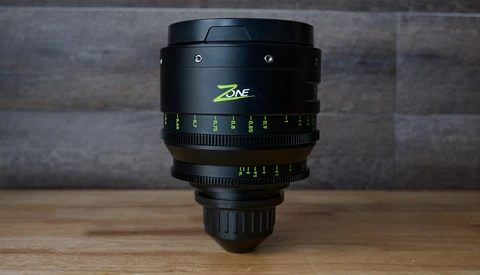
Review Of The New T1 Cinema Lens: The Zhongyi Zone T1
Today I'll have a look at an exciting new lens option for filmmakers, the Zhongyi Zone T1 cinema lens.
Today I'll have a look at an exciting new lens option for filmmakers, the Zhongyi Zone T1 cinema lens.
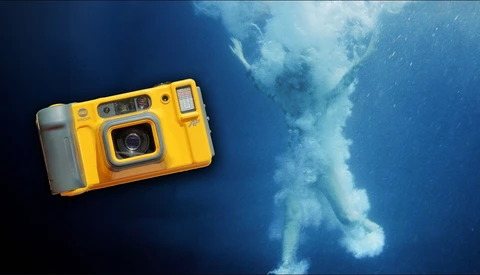
Shooting a rocket launch at 1:30 a.m. from Morro Bay, photographing a trip to Maui with a $35 underwater film camera, and spending a week with a Lotus Emira press car on a dry lake bed: Willem Verbeeck packed a lot into the last couple of months, and this video covers all three projects.

We want to see your most unique photo edits
Welcome to the November installment of the Critique the Community! This month's critique theme is going to be "Unique Edit," and we want to see your best photographs that were brought to life with a new or unique editing style or specific editing software.

Shooting film and actually sitting down to review what you got are two very different experiences, and watching someone do it honestly, including the frames that didn't quite land, is one of the more useful things you can find on camera YouTube right now.
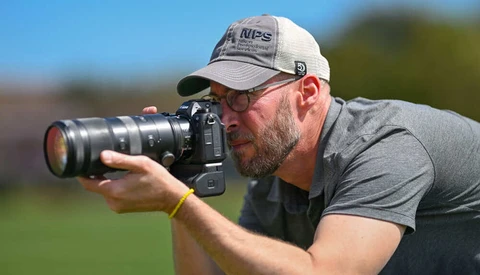
Most photographers meet bracketing exactly once, in a tutorial about high dynamic range landscapes, and walk away thinking it means "shoot three exposures and merge them." That is one kind of bracketing. There may be two more sitting in your camera's menu right now, and most people never touch them.
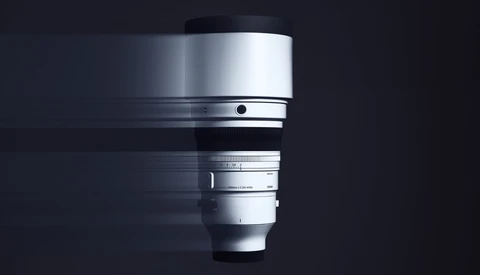
There are lenses that photographers buy because they need them, and there are lenses photographers buy because they can't stop thinking about them.
The 200mm f/2 sits firmly in the latter category.
Three Lightroom Classic editing tricks can quietly transform a photo from flat to finished. These are the kind of layered, mask-based techniques that separate a polished edit from one that just looks "processed."
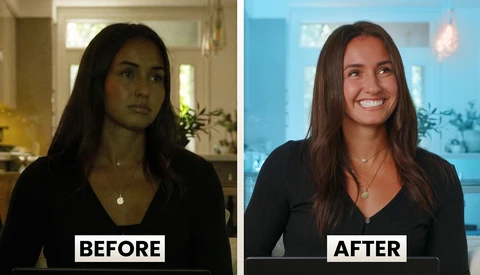
Lighting a home studio well is harder than most people expect, and the gap between flat, lifeless footage and something that actually looks intentional usually comes down to a few decisions. Getting those decisions right early saves you from buying gear you don't need and reworking your setup from scratch later.
Feeling like your life isn't interesting enough to photograph is one of the most common reasons people stop shooting. It's also one of the most fixable.
The 135mm autofocus lens market has gotten crowded fast, with options from Samyang, Viltrox, and Sigma all competing for your attention on Sony E-mount, Nikon Z-mount, and L-mount. The 7Artisans 135mm f/1.8 enters that field with the lowest MSRP of the group at $689, but price alone isn't enough to stand out when the competition has had years to mature.

We would like to thank everyone who participated in this month's critique the community, and especially to those who were featured in the final video. I'm sorry to have posted these results so late after the contest ended but our third place winner, Tina Davis, somehow pulled her winning entry from the contest after the final video was recorded and published. I tried reaching out to Tina to see what happened, but she never responded. I have added another one of her photos in place of the one we critiqued in the episode but note that this is not the actual image that placed.
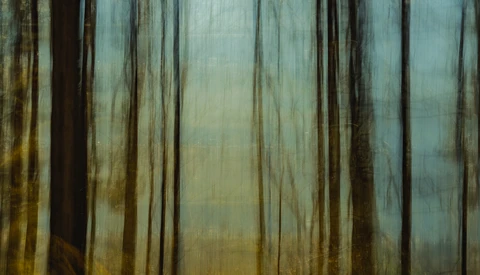
Photographers have been learning from painting for decades, but only from one half of it. Light, composition, proportion, tonal control — everything that strengthens representation has been absorbed and taught. And that is where the study usually stops. The moment painting stopped depending on the subject, photography largely stopped following it.
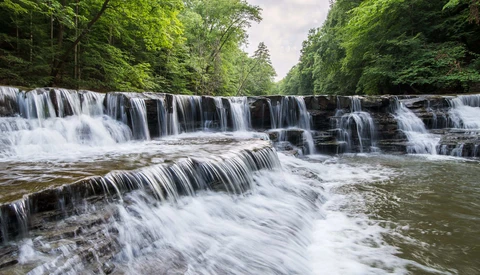
Every photographer makes these. The difference between someone who improves fast and someone who plateaus isn't talent; it's how quickly they stop repeating the same fifteen errors. None of these require new gear or more money to fix. Most take a single setting change or a shift in habit.
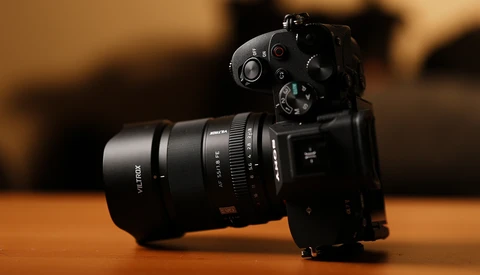
This lens is the perfect example of why one should not judge a lens by its cover. While it may seem like any other budget fast prime, it offers a real, visible difference for your images.

The Fstoppers community is brimming with creative vision and talent. Every day, we comb through your work, looking for images to feature as the Photo of the Day or simply to admire your creativity and technical prowess.
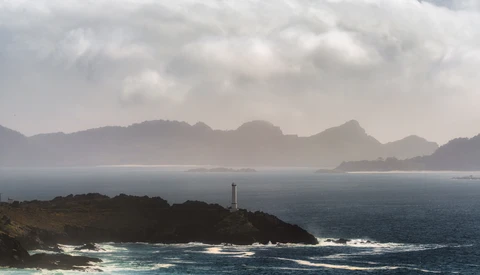
“What style do you shoot in?” or “I see a lot of [insert any photographer's name here] in your work.” These types of questions and statements, I'm sure, have been presented to you, and if you've ever wondered why, we can find out together.

Terminator 2: Judgment Day turns 35 this year, and it still looks better than most action films being made right now. The reason isn't budget or nostalgia. It's a set of deliberate filmmaking decisions that hold up under scrutiny.
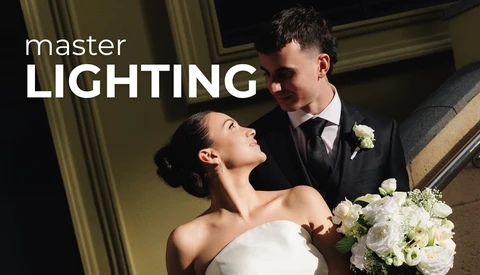
Lighting is the single biggest variable that separates wedding photos that look polished from ones that just look okay. Unlike studio work, weddings give you no guarantees: harsh midday sun, deep shade, candle-lit receptions, and everything in between can all show up in a single day.
Seven photographers have been named Hasselblad Masters for 2026, chosen out of 70 finalists that the competition pulled from a pool exceeding 108,000 submissions sent in from 160 countries and regions. The seven categories this year were Landscape, Architecture, Portrait, Art, Street, Wildlife, and Project//21, with one winner in each.
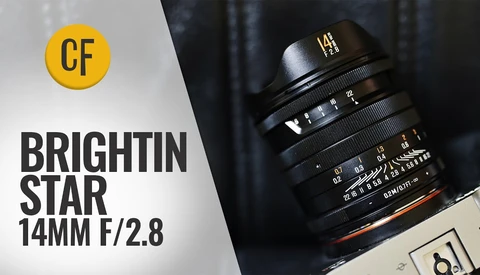
Ultrawide lenses used to cost a fortune. A full frame 14mm f/2.8 from Canon or Nikon ran around $1,500 just over a decade ago, which put serious glass out of reach for a lot of people. Budget manual focus alternatives have changed that equation, and the Brightin Star 14mm f/2.8 is one of the most affordable yet, coming in at around $279.
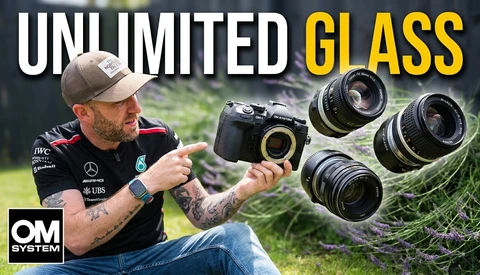
The Panasonic Lumix GX8 is a Micro 4/3 camera, and that small sensor size gives it one genuinely unusual advantage: you can mount almost any lens ever made on it, from almost any manufacturer, as long as you have the right adapter.

One of the first real decisions a new photographer faces is sensor size, and it arrives wrapped in more anxiety than it deserves. The internet will tell you that full frame is "professional" and APS-C is "entry level," as if the sensor inside the camera decides whether your photos are any good. It does not.
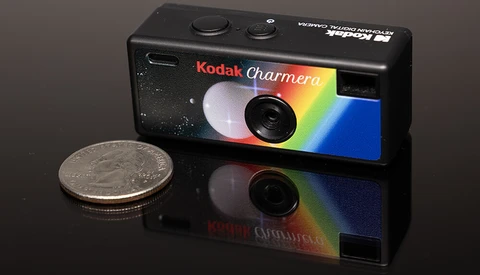
So after hearing about the Viral Cameras of 2026, there was one that stood out from a familiar, but somewhat tarnished, name in the camera business: the Kodak Charmera.
While I've opined in the past about what cameras are good for kids, this might be the one: the Goldilocks camera that's perfect for kids.
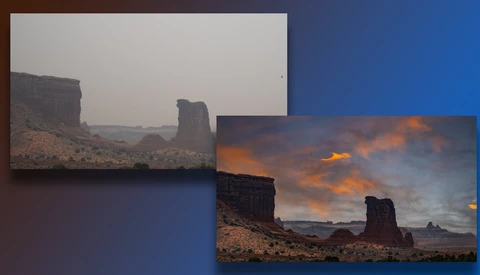
In one of my great examples of bad timing, a friend and I headed to southern Utah a few days ago. We were aware of spreading wildfires in the eastern part of the state, but where we were going, SE Utah, things were reported to be good.
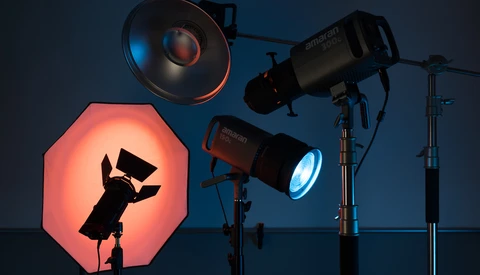
The popular rule of selling unused gear after six months describes one specific kind of author, and photographers who keep specialized equipment connected to their actual practice are not the kind it had in mind.

Photographing palm trees on a tropical coastline sounds straightforward until you're actually standing in front of a tangled cluster of trunks, messy sand, and scattered coconuts with no obvious composition in sight. Finding a shot that goes beyond a simple silhouette takes deliberate thinking about separation, foreground interest, and depth.


