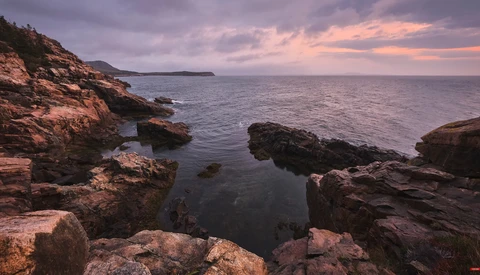
How To Identify Good Foregrounds for Landscape Photographs
Foreground interest is fundamental to landscape photography, even if not always required for a great image. But how do you effectively identify a viable foreground for your images?
Below are the most bookmarked articles by our members.
Foreground interest is fundamental to landscape photography, even if not always required for a great image. But how do you effectively identify a viable foreground for your images?

No doubt, a lot of creatives tend to be quite introverted, and that can make it difficult when you are a photographer and need to be able to work with and direct people. If that is something you struggle with, check out this fantastic video essay that discusses being a photographer as an introvert.
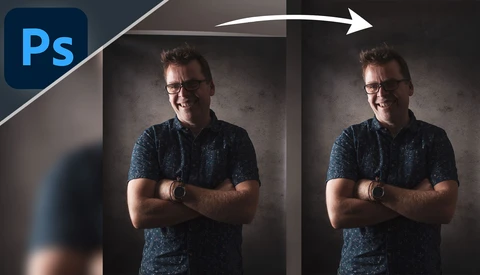
Extending backgrounds is sometimes needed when you have a great shot, but the composition was a little off or the backdrop was just slightly too small. In this tutorial I'll show you two ways you can extend the backdrop in Photoshop CC with clean results.
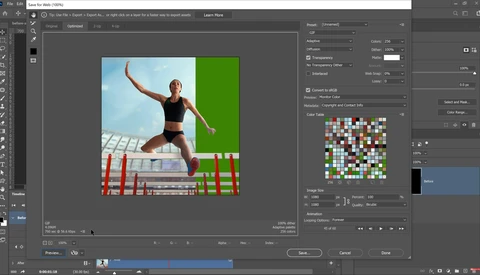
Where once editing was a sly activity most people wanted to hide, creating the illusion that the images came straight from the camera, now it's a generally accepted part of the process (even if it always has been part of the process!) A great way to engage with your followers and show just what can be done with a photo is to show before and after images, so you may as well do it properly.
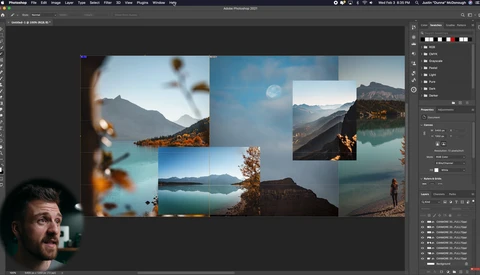
Standing out on social media is no small task anymore. If you're looking to get ahead on Instagram, this could help set you apart and attract eyes during the relentless scrolling.
Advice on how to improve at photography is always welcome, but even more so at the moment as we suffer through a pandemic that is affecting all of our creativity and motivation. Here are three simple ways to improve your photography.
Nebulous cities, misty forests, and magic sunrays make a perfect subject for photography in the cold winter. Here, I share some tips and ideas for shooting mist and fog.
Sometimes photos are called high key or low key. I never thought much about it and just made the photos I liked, regardless of what it could be called. But when is it correct to name a photo high key or low key? Let’s find out.
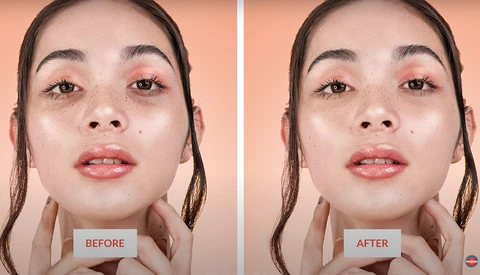
Of all the cosmetic imperfections you might be asked to retouch, one of the most common by far is dark circles under the eyes. This great video tutorial will show you how to easily and convincingly remove them using Photoshop, and it will only take a minute to learn how.
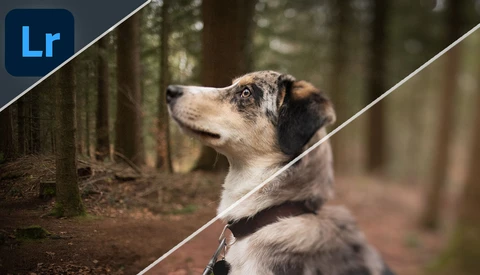
Whether you're wistful for the good old days, or want to recreate an analogue feel in your digital photos, this Lightroom technique will help you adorn your photos with that vintage feel.
Have you ever found yourself wondering where the passionate photographer in you has gone?
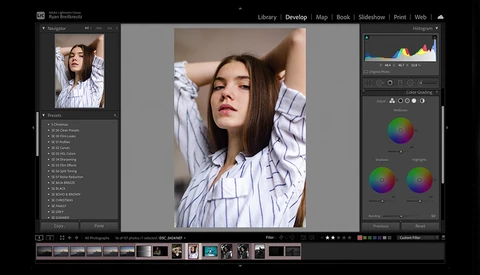
You might think that Photoshop is the place for serious color grading work, but Lightroom can accomplish quite a bit, particularly with its new, upgraded color tools. This great video tutorial will show you a variety of tips and techniques for color grading images using Lightroom.
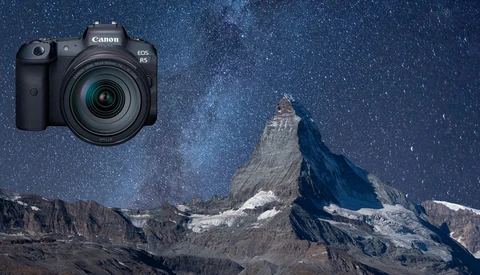
Does your autofocus hunt in low light? Can you not get focus on the stars during astrophotography? Well, here's a technique that will give you sharp shots every time no matter how dark it is.
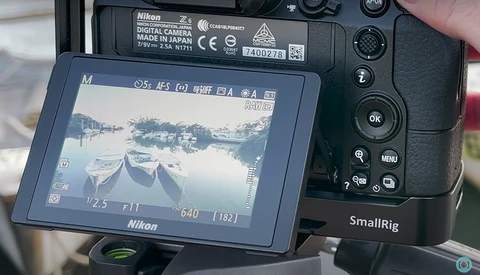
ISO is one of the three fundamental exposure parameters and something you need to have mastered to take successful photos. If you are new to photography and still working on learning the basics, this great video tutorial will show you everything you need to know about ISO.
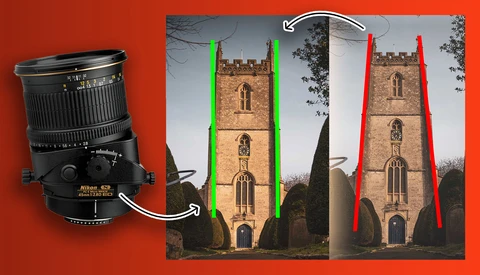
It's what a tilt-shift lens was born to do. Learn how to straighten up your leaning buildings with this simple technique and never have a parallax problem again.
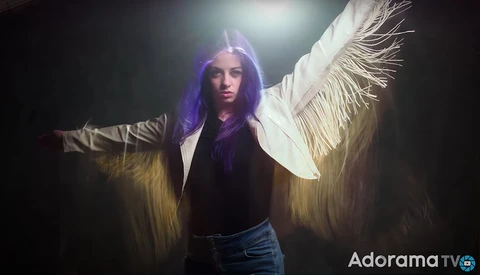
Flash can be an excellent tool to freeze motion, especially when you are working in the studio or do not have extreme amounts of available light for using ultra-fast shutter speeds. But you can get even more creative results by mixing the freezing power of a flash with a long exposure that captures motion, and this fantastic video tutorial will show you how it is done.
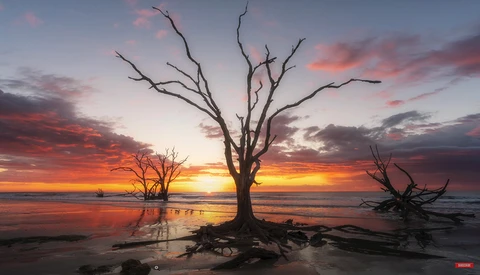
Landscape photography is unique in that you can't move the elements of your frame to adjust the composition, and as such, it can be easy to fall into the trap of making your photos too busy without even realizing it. This excellent video tutorial will show you five signs that your landscape photos may be too busy.
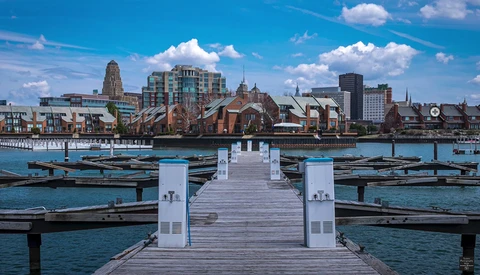
Most of us edit in Lightroom using the numerous sliders, and while those are perfectly fine the vast majority of the time, a tool that contains the power of many sliders all in one is hiding in plain sight: the tone curve. If you have not used it before, check out this fantastic video tutorial that will show you how to use it for everything from adding contrast to color grading.
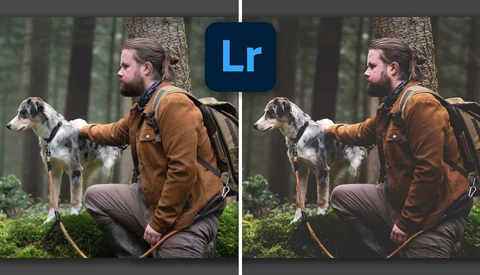
Use your next five minutes effectively and learn how to create faded, filmic photo edits with nothing more than a few tweaks in Lightroom.
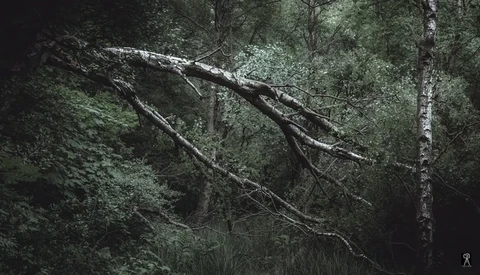
Even if you are not a landscape photographer, it can be a fantastic genre to engage in casually simply for the joy of it. If you have been feeling stressed lately, check out why you might want to grab your camera and go for a hike.

In this video tutorial, watch as Dean Samed shows you how to create shadows in Photoshop by showing you three tips and mistakes to avoid.

In this video tutorial watch as I show you how to turn skin pale and hair gray in Photoshop. I have used these two techniques on many images now, and this way is far more adaptable than simply using a desaturate filter.

Unfortunately, photography is very a much a case of who you know. You could be the best photographer in the world, but if no one knows you, it won't get you very far.
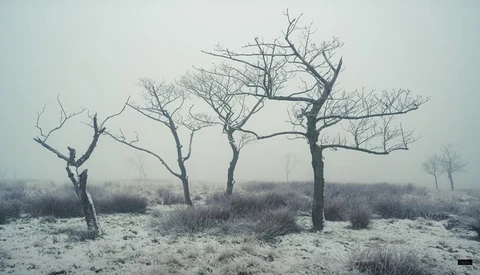
Composition is one of the trickier parts of landscape photography, and it helps to have a variety of tips and ideas ready to go when you are out in the field. This helpful video tutorial will give you a wide variety of compositional ideas to improve your landscape photography.
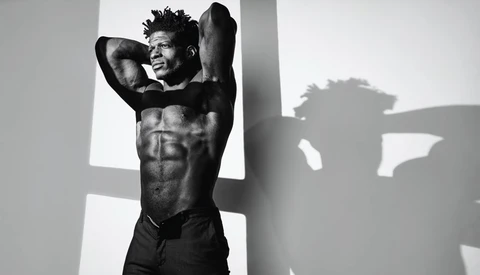
Portraiture doesn't require complicated, multi-light setups to pull off beautiful and striking images. Here are four one-light setups you can learn in ten minutes.