Your Photography Skills Are Already Obsolete (You Just Don't Know It Yet)
The photographer who believes their education ended with their last workshop or tutorial is already obsolete. They just don't know it yet.
Below are the most bookmarked articles by our members.
The photographer who believes their education ended with their last workshop or tutorial is already obsolete. They just don't know it yet.
Here's a truth that many photographers would rather ignore: what separates thriving professionals from those who merely own expensive gear isn't mastery of f-stops and shutter speeds.
Improving at photography isn’t a step-by-step process. It’s a winding, often unpredictable journey shaped by curiosity, creativity, and the kind of images we want to make. So what does growth in photography actually look like?
Autofocus seems straightforward, but mastering it often makes the difference between sharp, professional shots and frustratingly blurry misses. Knowing when and how to adjust your camera’s autofocus modes gives you control over image clarity and creative depth.

You've delivered beautiful photos exactly as promised, but the client is furious. What should have been a celebration of great work becomes a nightmare of disputes, revision requests, and threats of negative reviews.
Most photographers learn Lightroom by experimenting on their own, but exploring how others retouch images can drastically improve your editing skills. Understanding someone else's process step-by-step is a powerful learning method that could significantly refine your approach and results.
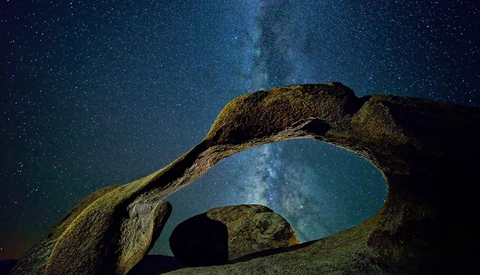
What LED lights are the best tools for you to light paint subjects at night? Let's start with the most inexpensive light painting choices and work our way up.
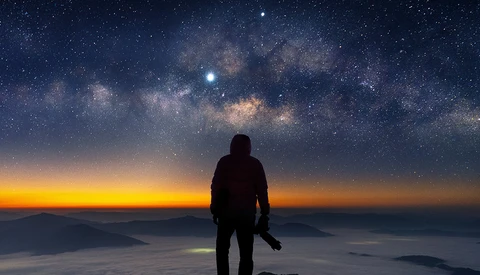
Your entry into photography might feel like a massive ocean of techniques, gear choices, and social media comparisons. Most people talk about shutter speed, aperture, ISO, composition, and basic post-processing. Those topics matter, but they don’t reveal the quieter corners of the craft.
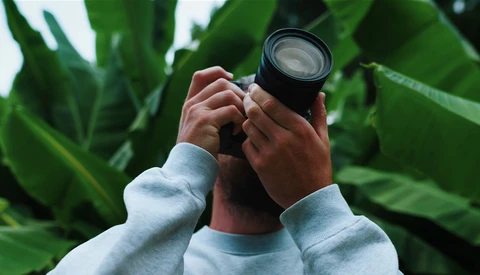
Many amateur photographers keep repeating the same mistakes, often without realizing it. Fixing these simple but fundamental errors can dramatically change your photography and move you beyond that amateur status.

By now, you’ve started making peace with the idea that your gorgeous photography isn’t enough on its own. You’ve added a clear intro to your homepage. You’ve started naming your images like an adult. You’ve even braved the back end of your site to fiddle with some alt text. That’s huge—give yourself a high five. Now let’s crank it up a notch.

Color impacts your photography more than almost any other factor. It shapes the mood, guides the viewer's attention, and can determine whether your image resonates emotionally or feels disconnected.

Understanding how to effectively edit your images in Lightroom is crucial. Mistakes in editing can turn exceptional raw photos into disappointing results.
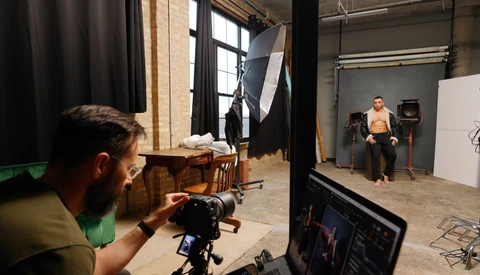
Natural light versus flash is one of photography's enduring debates, influencing how you control mood, exposure, and sharpness. But what if you could have natural light whenever you wanted?

Anyone who has dedicated themselves to photography long enough has felt the harsh undercurrents that run beneath the romantic facade: the self-doubt, the exhaustion, the unrelenting demands of an audience always hungry for more. We’re told to love what we do, but the unspoken caveat is that genuine commitment to photography—as with any passion—demands sacrifice, endurance, and a willingness to confront uncomfortable truths.
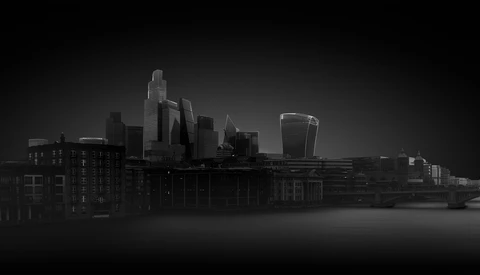
Have you ever found yourself with many snapshots of buildings and architectural features of a city you visited while traveling? Perhaps you looked at these photos thinking they're just ordinary snapshots. What if there were a way you could transform these photos into architectural fine art pieces using Photoshop?
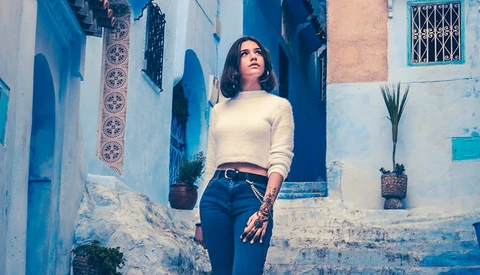
Adjusting colors in your images can transform a good photo into one that's genuinely striking. Mastering the art of color grading allows you to personalize your photos, making them stand out with intentional style.
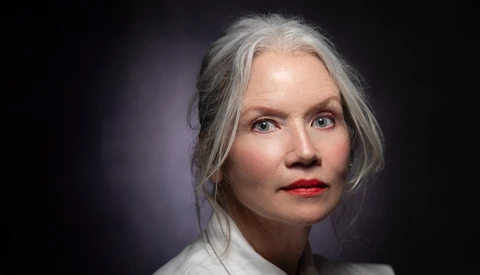
People may be scrambling to find the automated AI holy grail of one-touch, realistic, high-end skin retouching, but you can have my dodge and burn technique when you pry it from my cold, dead Wacom tablet.
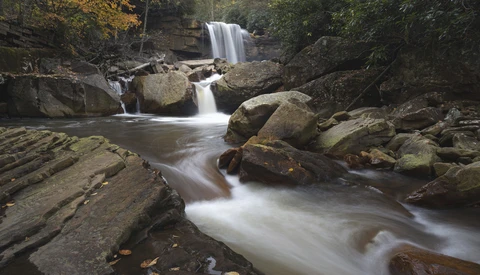
We are bombarded with videos and articles talking about the latest and greatest gear. No wonder we, as photographers, start to think we need new or better gear to improve our photography. But instead of buying gear, start practicing these five things to really improve your landscape photography.
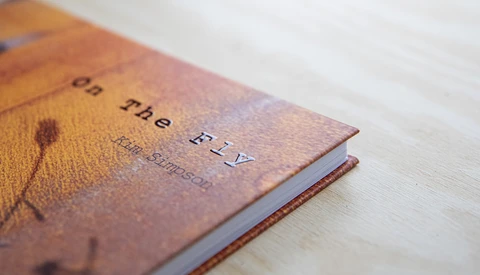
Have you ever wanted to create a photo book showcasing your own photography? Turning your images into a professionally finished photo book can be an impactful way to contain and present your work. This article explores options to self-publish your photography in the format of a professional-quality photo book.
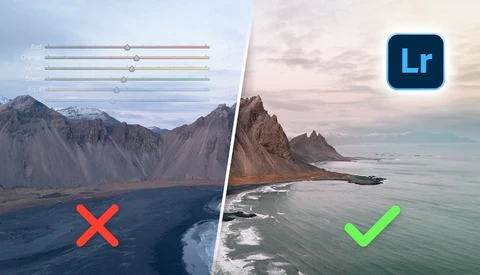
If you’re only making quick adjustments with auto settings or exposure sliders, you’re missing out on Lightroom’s most powerful tools. Understanding how to work with tone curves, masks, and color adjustments will push your images to the next level.

Editing your photos well makes a huge difference in how professional they look. Lightroom is one of the most popular tools for photo editing, but it can seem overwhelming at first. Knowing how to use it efficiently can save you time and improve your final images.
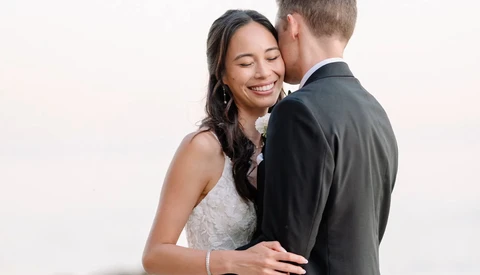
Removing distractions from photos can be time-consuming and frustrating. Lightroom’s generative remove tool simplifies this process, making it possible to erase objects, people, and even complex patterns with ease.
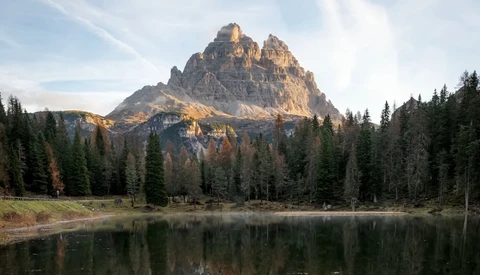
Editing photos can feel overwhelming when you’re just starting out. With so many tools available, deciding where to begin often leads to trial and error. If you’ve ever struggled with this, a clear workflow can make all the difference.
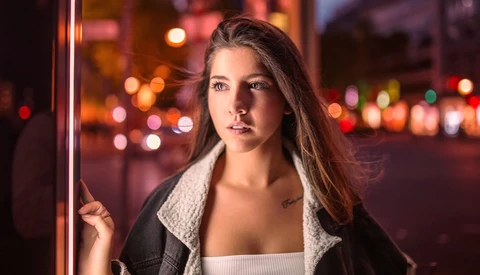
Making colors pop in your photos doesn’t have to be overwhelming. With a few straightforward adjustments, you can make your images vibrant and polished, whether you’re working in Photoshop or Lightroom.
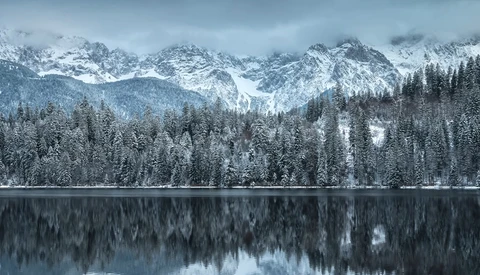
White balance is a tool for shaping the mood and tone of your image. Whether it’s the chill of a winter morning or the warmth of a glowing sunset, white balance offers control over how your viewers feel when they look at your work.