Photography Education

Whether you just picked up your first camera or you've been shooting for years and hit a plateau, there's always more to learn. This section is where Fstoppers publishes educational content aimed at genuinely improving your photography — not just gear tips, but the foundational understanding of light, composition, and visual thinking that makes the difference between a competent photographer and a compelling one.

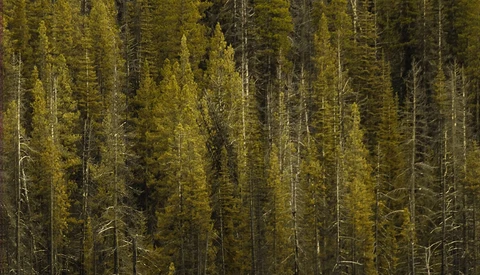
How to Quickly Restore Natural Greens in Your Photos

The colors in your photos aren't always perfect straight from the camera. Knowing how to easily and naturally restore vibrant colors, especially in plants or trees, will dramatically improve your images without making them feel fake or overdone. 
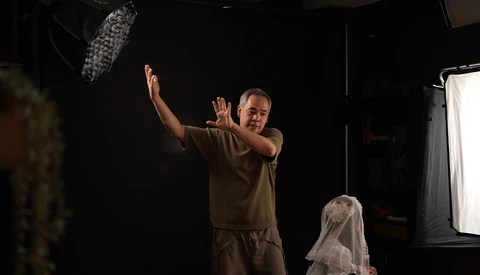
How to Create Timeless Portrait Lighting

Photography’s power to freeze memories, creating timeless images, relies heavily on mastering precise lighting and thoughtful composition. Understanding these techniques can significantly improve your ability to make compelling photographs that stand the test of time. 

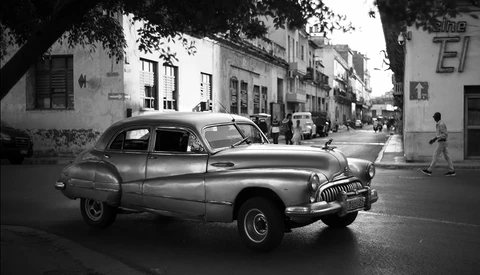
How to Avoid Bland Photos at Popular Spots

Photographing iconic locations is appealing because these spots guarantee visually pleasing shots, but they can severely limit your creativity. While the convenience is tempting, taking unique photos at popular sites requires a thoughtful shift in approach. 

Simplify Your Editing: Using Clipping Masks Effectively

Using clipping masks in Photoshop might seem like something aimed mostly at graphic designers, but there are times when this tool can improve your photo edits. Knowing when and how to use a clipping mask can simplify certain editing tasks and give your images a more polished look. 

How to Seamlessly Integrate Colors Using Photoshop

Color coordination in photography isn't just about aesthetics; it creates a stronger emotional impact. Getting colors right elevates your images, making them feel intentional and refined. 

Essential Autofocus Tips for Better Photos

Autofocus seems straightforward, but mastering it often makes the difference between sharp, professional shots and frustratingly blurry misses. Knowing when and how to adjust your camera’s autofocus modes gives you control over image clarity and creative depth. 

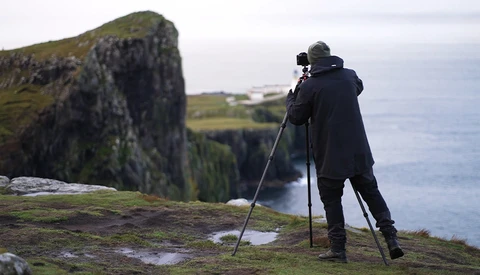
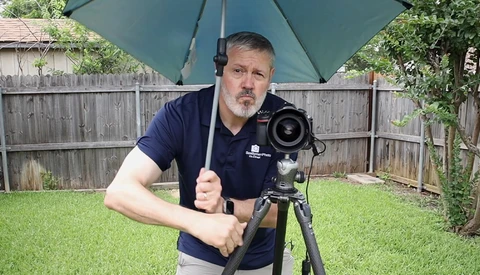
Rainy Day Photography: Essential Tips for Protecting Your Gear

Bad weather can elevate your photographs from ordinary snapshots to compelling, dramatic images. Understanding how to shoot effectively and safely in challenging conditions like rain is essential if you want to capture unique, memorable shots. 

Better Landscape Photos Through Mindfulness

Choosing locations responsibly and approaching photography thoughtfully can significantly improve your experience and the meaning of your images. Understanding when to shoot and when to hold back is a key skill that deepens your relationship with both the environment and your craft. 

Capturing Drama in Imperfect Weather

Landscape photography on film offers unique challenges and rewards, especially when you push beyond clear skies and perfect conditions. The desire for dramatic weather and careful composition is crucial if you're looking to elevate your work beyond the predictable. 

Why Expensive Tripods Are Usually Worth It

Every photography forum has the same advice: "Start with a cheap tripod and upgrade later when you know what you need." It sounds reasonable—why spend $500 on a tripod when you're not even sure you'll use it regularly? So you buy the $50 Amazon special with 4.5 stars and 10,000 reviews, thinking you've made a smart financial decision. 

Mastering Lightroom Basics: Step-by-Step Portrait Editing

If you've struggled to understand Lightroom, or if your photo edits feel inconsistent and unpredictable, this tutorial provides a clear path forward. Clearly grasping each editing step helps you consistently achieve professional-quality results. 

Waterfall Photos: Why Timing Matters

Capturing waterfalls can be tricky because of changing seasonal conditions, but understanding how these shifts affect your photos makes your shots significantly better. Knowing how and when to visit specific locations can dramatically elevate your results. 

The Contract Clause That Prevents 90% of Client Problems

You've delivered beautiful photos exactly as promised, but the client is furious. What should have been a celebration of great work becomes a nightmare of disputes, revision requests, and threats of negative reviews. 

Memorable Photos: Avoiding the Common Traps

Millions of photos hit the internet daily, yet very few stick in your memory. Knowing how to make your photos stand apart from the crowd isn't just helpful—it's essential for your growth and satisfaction as a creative. 

Refining Your Eye: How to Find Better Landscape Compositions

There's a powerful reason to slow down before pressing the shutter button. Knowing how to visualize compositions in the landscape is crucial for creating engaging photos, making your images genuinely compelling rather than merely pretty. 

Why Quiet Time Fuels Creativity

Creativity isn’t enhanced by the gear you buy or the tools you own; it's cultivated by quiet spaces away from distractions. If you’re serious about improving creatively, recognizing boredom as a beneficial state rather than a problem can transform your practice. 

Transform Portraits With a Single Umbrella

Using a large umbrella for lighting portraits can significantly change the mood and quality of your images. Whether you're after smooth, wrinkle-free skin or dramatic shadows, understanding this versatile setup is great for getting exactly the look you want. 

Five Editing Mistakes You're Probably Making

Getting the editing right on your photos is tricky. It’s easy to slip into patterns that don't give the results you want, even if you've been editing images for years. 

Simple Lightroom Fixes for Underexposed Photos

Rescuing an underexposed photo can feel like a tricky balancing act between recovering detail and avoiding noise. Mastering this skill transforms otherwise lost shots into worthwhile images. 

Avoiding the Photography Burnout Trap

Burnout almost cost a photographer his love for photography, highlighting how easily turning a hobby into a profession can extinguish creativity. This cautionary tale could help you safeguard your own passion from a similar fate. 

Editing Forest Photos: Practical Lightroom Tips

Editing forest scenes in Lightroom Classic can quickly become tricky because of stark contrasts between shadow and light. Knowing how to handle this complexity can elevate your landscape photos from average to exceptional. 

Lessons I Learned From a Decade on the Road With a Camera

Ten years ago, I booked a one-way ticket to Australia, packed my camera, and set out with no real plan—just a gut feeling that I wanted to see the world and somehow make photography my life. I didn’t go to film school. I didn’t know what licensing was. And I definitely didn’t understand how hard it would be to build a sustainable creative career while living out of a backpack. 

How to Handle Difficult Family Members During Shoots

You're halfway through wedding family formals when Grandma starts rearranging everyone's positions because "the boys should be taller in the back." Uncle Bob pulls out his phone to show you better lighting techniques he saw on YouTube. The teenage cousin rolls their eyes and slouches every time you raise your camera.

Growing Your Photography Career

After 10 years behind the lens, a photographer sits down to unpack meaningful lessons and overlooked truths from his photography career. Like you, he has confronted uncertainty and crafted success through thoughtful, consistent work. 

Practical Autofocus Advice for Consistently Sharp Photos

Getting your photos perfectly in focus isn't always simple. Yet, mastering autofocus is crucial—if you miss focus badly enough, your shot might be unusable no matter how skilled you are at editing afterward. 

The Beginner's Guide to Light Painting Subjects

You can learn how to light paint subjects in a matter of minutes. You'll learn how to do it well. And you'll learn how to do it inexpensively (if you want). Let's go! 

First, What is Light Painting?

The Lonely Photographer Will Fail

You can have all the talent in the world. You can learn perfect lighting, sharp edits, flawless vision, but if you're not surrounded by the right people, none of it will matter. That’s the part no one tells you. Talent isn’t the issue. The real issue is isolation. 

Essential Photography Lessons to Learn Early

Turning 30 can be a reality check for photographers, pushing you to question your path and choices. It’s a pivotal moment to reflect on lessons learned and shifts needed in how you approach your work and your life. 

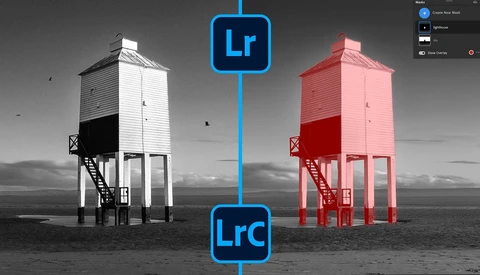
Refine Sky Masks in Lightroom with One Simple Step

Creating precise sky masks in Lightroom can drastically elevate your edits, ensuring the adjustments you make affect only what you intend. If you've struggled with masks bleeding into unintended areas, mastering this skill makes a noticeable difference. 

How to Raise Your Prices Without Losing Clients

You've been charging the same rates for two years. Your costs have increased, your skills have improved, and your calendar is booked solid—yet you're making less money than ever because inflation has eroded your purchasing power while your prices stayed frozen. You know you need to raise your rates, but every time you think about it, panic sets in. What if clients leave?

Simple Techniques to Transform Common Photo Scenes

Taking compelling photos of popular locations isn't about finding an untouched spot, but about how you see and capture a scene. A few specific editing techniques can significantly elevate your work, even in familiar places. 
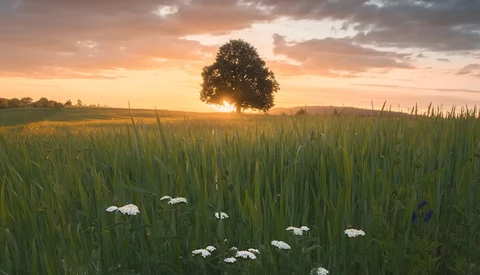

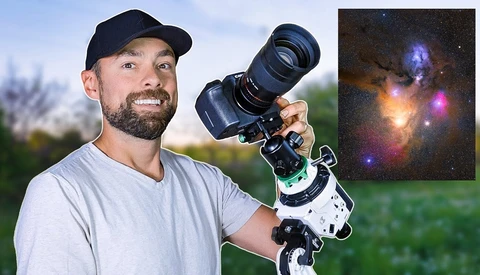
Mastering Star Trackers for Better Astrophotography

Astrophotography using a star tracker can dramatically improve your deep space images, but setting it up properly takes careful preparation. Even small errors can reduce the clarity and detail of your shots. 

Top Ten (Twelve!) Questions With Mathieu Bitton

Paris-born Mathieu Bitton, a Leica Ambassador, has photographed some of the world’s most celebrated artists, including Quincy Jones, The Rolling Stones, Kendrick Lamar, Lady Gaga, and Bruce Springsteen, as well as designing and art directing albums, posters, books, and promotional materials — earning him three Grammys.

The Client Red Flags Every Photographer Should Know

Every experienced photographer has a story about the client from hell—the one who made their life miserable, didn't pay on time, demanded endless revisions, and left negative reviews despite getting exactly what they asked for.

Four Stages Every Photographer Goes Through

Photography is a continuous journey, evolving through distinct stages of skill and understanding. Recognizing your current stage can clarify your path and inform your next steps, helping you grow both technically and creatively.  

The Portfolio Mistake 90% of New Photographers Make

Your portfolio is sabotaging your career, and you don't even know it. Right now, thousands of photographers are losing potential clients because they're making the same fundamental mistake that screams "amateur" to anyone who views their work.

Stop Obsessing Over These Camera Settings

Many photographers get stuck obsessing over camera settings, but it turns out many of these details don’t matter as much as you might think. Your camera should support your creativity, not distract from it. 

What to Do When Clients Ask for 'Just a Few Quick Edits'

Every photographer knows this email. You've delivered the final gallery, the client loves 90% of the images, and then comes the follow-up: "These look amazing! Could you just make a few quick edits? Nothing major—just brighten this one a bit, remove that person in the background, and maybe make my skin look smoother in these five shots. Should only take a few minutes, right?" 

The Hidden Costs of a Photographer's Passion

Photography reshapes the way you see everything around you, from casual walks to vacations. It’s more than a hobby—it rewires your attention, making you sensitive to subtle details that others might miss. 

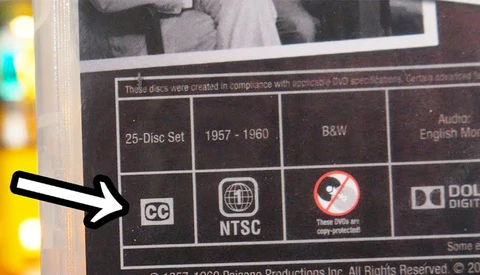
DVD Captions: What Modern Tech Forgot

Did you know that DVDs store captions in two fundamentally different ways? This isn't just trivia; understanding this matters if you're relying on older media for accessibility.