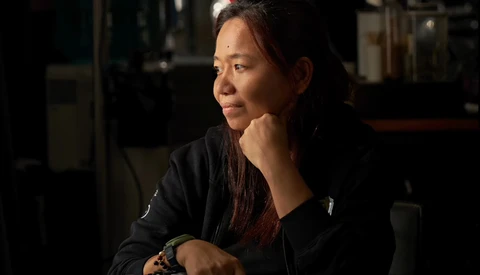
Subtle Lighting Tweaks That Make a Big Difference
Balancing ambient and artificial light is one of the most valuable skills you can develop. Understanding how to control light gives you more flexibility and precision in your work.
Balancing ambient and artificial light is one of the most valuable skills you can develop. Understanding how to control light gives you more flexibility and precision in your work.
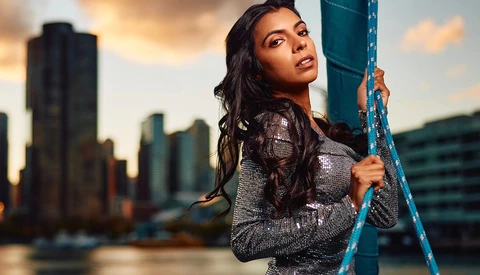
High-speed sync (HSS) is a game-changing tool for mastering flash photography in challenging lighting situations. If you’ve ever struggled with motion blur or overexposure outdoors, this technique offers a solution to take control of your images.
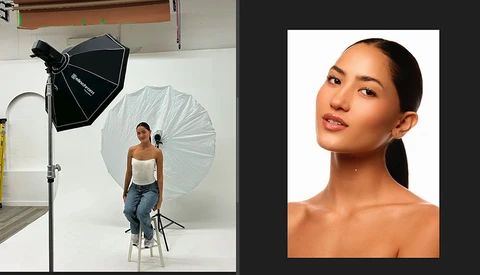
Lighting is the backbone of portrait photography. Whether you’re shooting beauty headshots or more dramatic portraits, understanding how to manipulate light can make all the difference. The best part? You don’t need a complicated setup to achieve professional results.
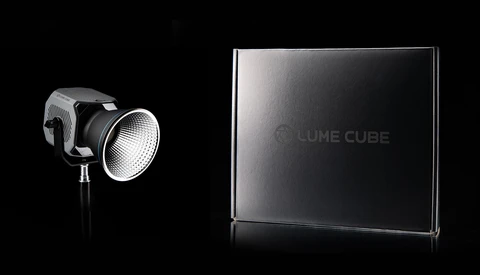
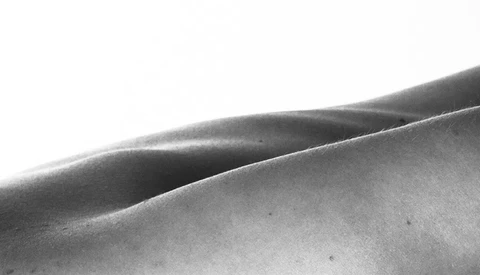
Bodyscape photography emphasizes the artistic form of the human body, typically focusing on abstract compositions. While this style is often associated with low-key, shadowy images, high-key bodyscapes offer a fresh take, relying on bright lighting and minimal shadows to create ethereal, luminous results. This approach is perfect if you want your work to feel clean and elegant.
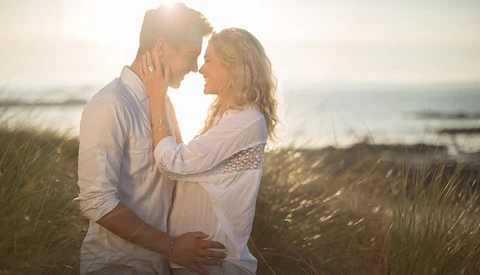
Finding the right location and light for portraits can transform a photo shoot. Coastal settings, with their natural backdrops and dynamic lighting, are especially versatile. Knowing how to work with these elements effectively ensures your images feel both natural and romantic.
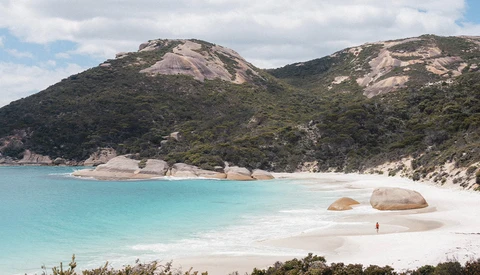
Shooting in bright, sunny conditions can be challenging, but mastering this light can add a fresh, vibrant look to your images. While many rely on golden hour’s soft tones, learning how to use harsh sunlight effectively opens new creative opportunities. It’s about working with the light rather than against it.
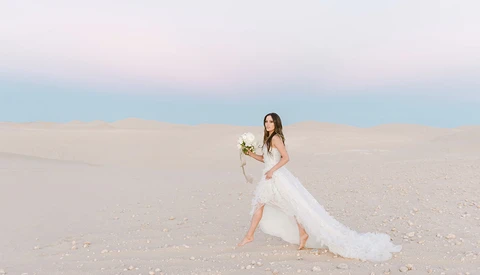
Whether it’s direct light, backlighting, or the often-overlooked blue hour lighting, understanding how to use these natural light effectively is a key skill.
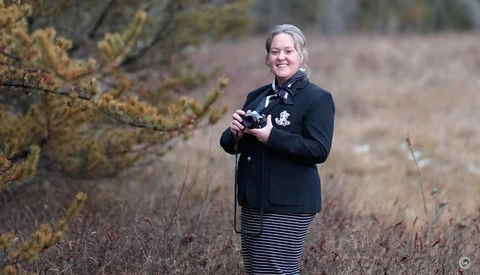
Portable flash units that balance power with versatility are valuable tools for creative lighting setups. The Godox AD200Pro II TTL Pocket Flash builds on its predecessor’s success with thoughtful upgrades, including better cooling, enhanced modeling lights, and improved usability.
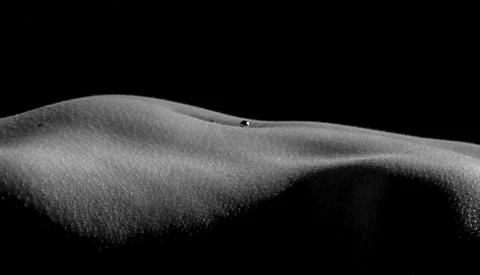
Bodyscape photography is a unique way to transform the human form into abstract, artistic expressions. By focusing on contours, lighting, and subtle details, you can create striking images that blend mystery and art with minimal equipment.
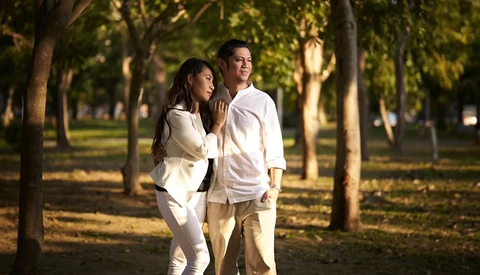
Capturing authentic moments with couples can be challenging, especially when you’re managing lighting, posing, and making them feel at ease. A few simple adjustments to your technique can help you create beautiful, natural images that resonate.
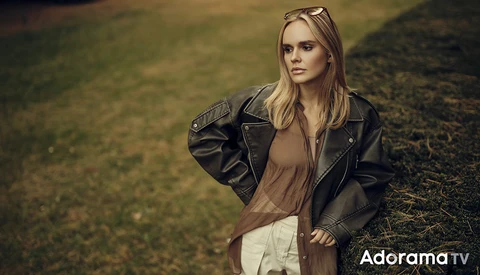
Leading lines aren’t just a technique; they’re a way to guide the viewer’s eye and add depth to your work. Straight, diagonal, or curved, they can shape how someone interacts with your image. When used effectively, they create focus and transform a composition from good to striking.
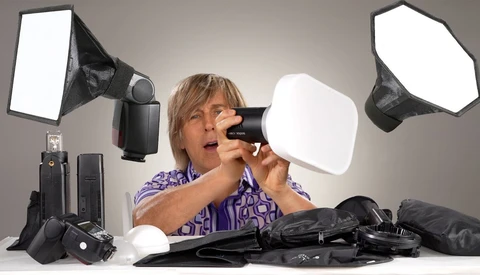
Creating flattering light with a portable flash can be tricky, especially when you’re on the move and don’t have room for bulky equipment. Whether you’re shooting at a wedding or just want a low-profile setup, finding the right diffuser to soften light without sacrificing portability is key.
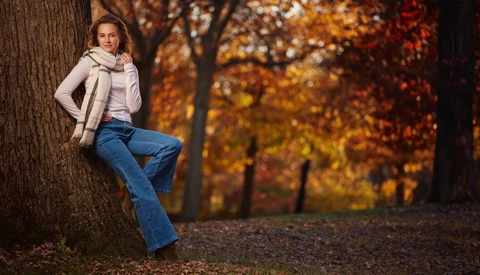
Shooting fall portraits outdoors comes with its challenges, from managing shifting light to balancing the subject against vibrant backgrounds. Using high-speed sync and thoughtful lighting techniques, you can isolate your subject while keeping the rich details of the season intact.
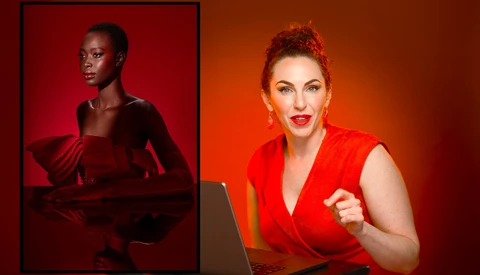
By combining a strong theme, careful lighting, and complementary styling, you can produce photographs that are dramatic and memorable. The process involves creativity and precision, but the results can elevate your work to new levels.
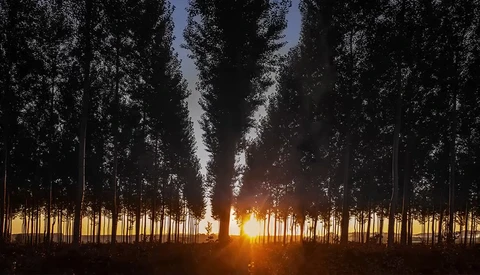
Contre-jour photography offers a dramatic and challenging way to add depth and impact to your images. This style, which involves backlighting your subject, demands an understanding of lighting, exposure, and post-processing. It’s a versatile technique that works across subjects like landscapes, portraits, and nature.
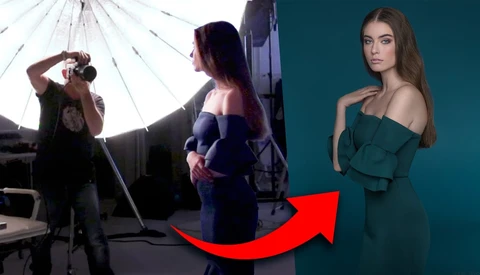
Lighting full-length or three-quarter body shots can be tricky but is essential for creating polished portraits, whether for business or creative use. These setups need to balance even illumination across the subject while preserving depth and natural shadows.
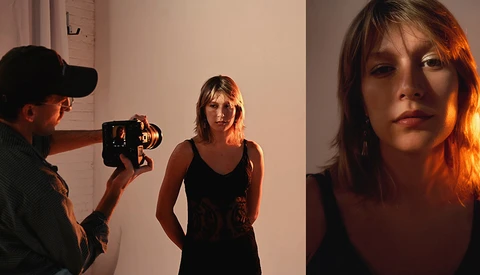
Lighting is the backbone of photography. It determines mood, color, and texture in your images. Without the right lighting, even the best model and location won’t translate into the shot you envision. Learning to control and experiment with light is one of the most impactful ways to elevate your work.
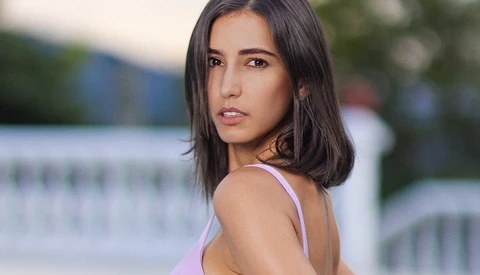
Overcast skies create soft, diffused light that’s great for portraits but often lacks contrast. To overcome this, a smart mix of lighting techniques and gear choices can transform your shots.
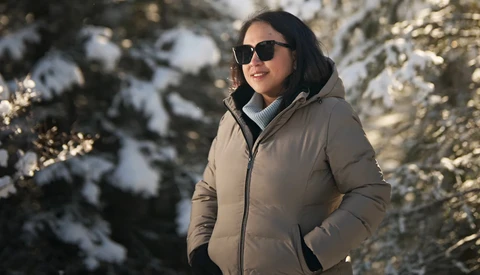
Photographing in snow presents unique challenges. The light is harsh, reflections are intense, and the cold can affect your equipment. But with the right techniques, you can transform a snowy scene into a beautifully lit portrait.
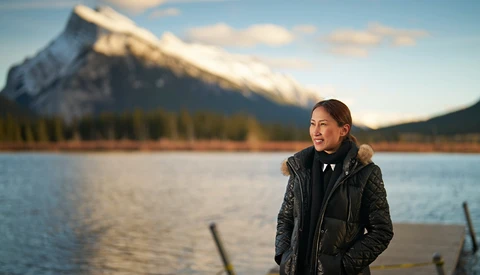
Lighting plays a crucial role in shaping a portrait, and sometimes, it’s worth bending the rules to capture a unique shot. When you’re working in a stunning location, balancing ideal lighting techniques with the composition can push you to make creative decisions that break away from the norm.
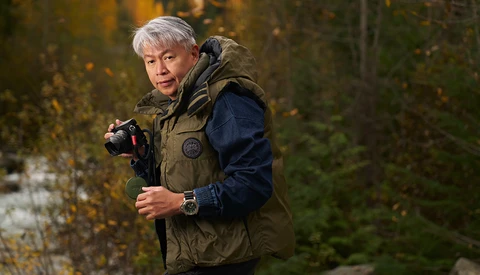
Outdoor photography often presents lighting challenges that can either enhance or distract from your subject. Managing these conditions effectively requires both careful planning and a few practical tools.
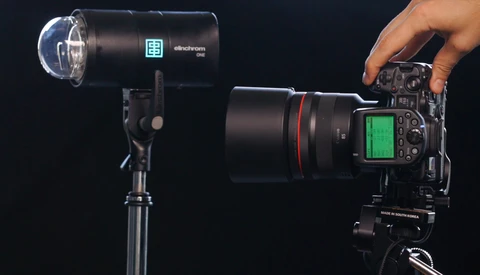
Choosing the right flash setting can make or break a shot, especially in challenging lighting. TTL, or “through the lens” flash metering, is a powerful option for streamlining exposure in dynamic environments. This method lets your camera analyze light as it passes through the lens, using that data to adjust the flash automatically.
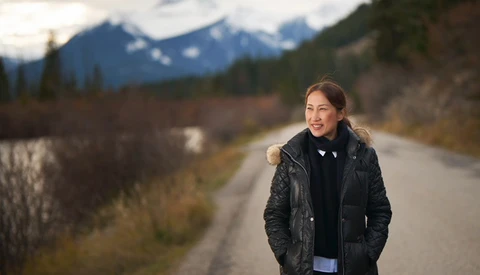
Using natural light effectively can make or break a shot, especially in outdoor portraiture where the light source and your subject’s position work together to create the image’s mood. Understanding how to position yourself and control lighting lets you create depth and definition without overwhelming your subject with artificial light.
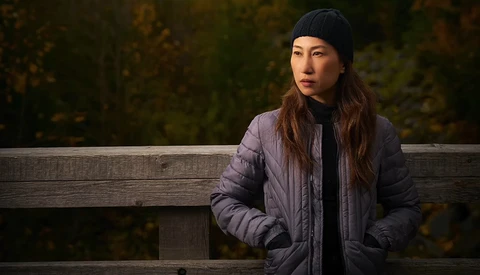
When it’s cloudy, you might think it’s the worst time to take portraits. The light is often flat, and contrast is missing, but those clouds are actually providing you with a soft, even light that’s ideal for bringing out natural skin tones. This approach can open up new creative possibilities when you learn how to make the most of that natural light.
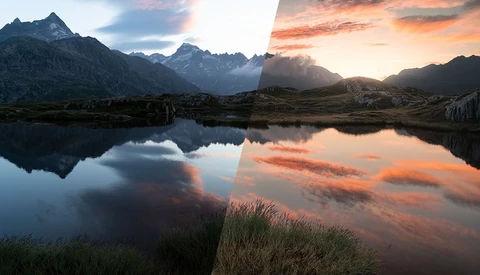
Christian Möhrle recently challenged seven pro photographers to edit the same raw photo and used it to create this video full of helpful editing tips.
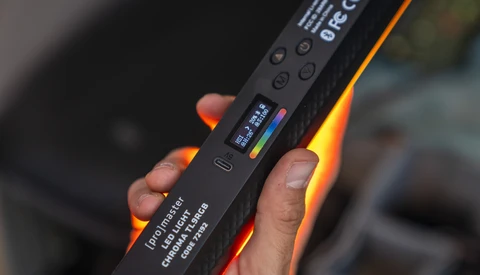
There are rare occasions when I need a lightweight lighting setup for on-location portraits. I have several kits pre-packed for this sort of thing—Nikon flashes with radio triggers, Flashpoint portable strobes, and once in a while, LED panels.
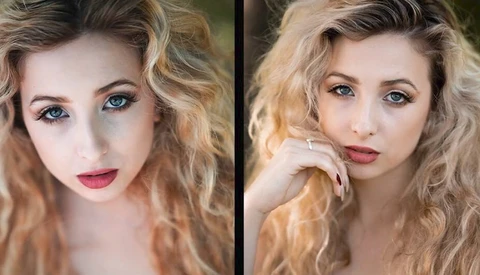
Flash photography can be tricky when you're just starting out, and it’s easy to make a few common mistakes without even realizing it. If you're new to using a flash, there are a few things you need to get right from the beginning to improve your results.
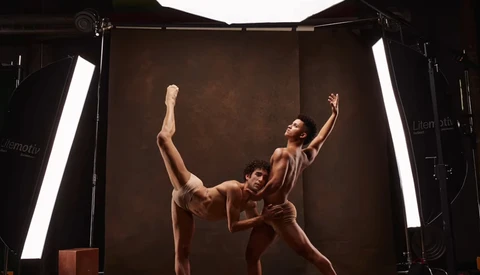
Blending technical precision with creative freedom is crucial when working in a studio. Lighting, backdrop choices, and how you adapt to the moment all play a role in creating impactful images.
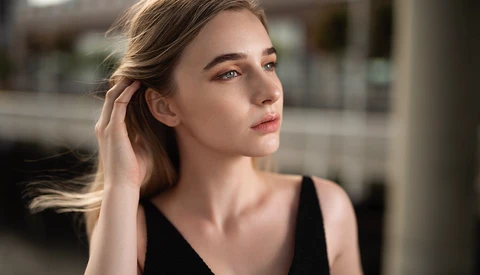
Lighting can make or break a portrait. Knowing when and how to use a two-light setup can elevate your work and help you control tricky lighting situations.
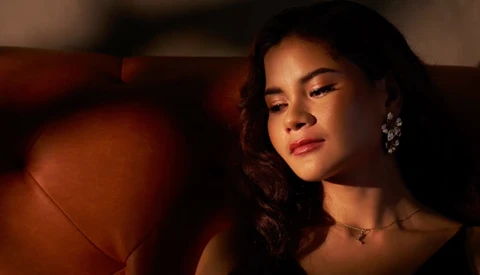
Light is more than just a way to illuminate your subject—it’s the key to creating mood and emotion in an image. With a blank wall and a single subject, the right use of lighting can turn an ordinary scene into something that tells a story.
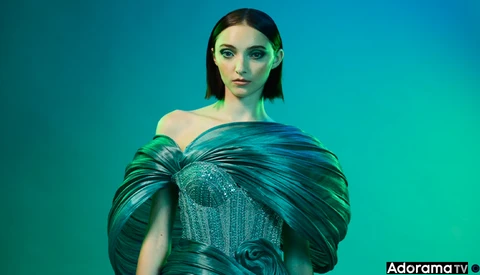
Umbrellas might seem like a basic lighting tool, but with the right approach, they can produce stunning, professional results. Using them can add depth, shape, and drama to your images, whether you're in a studio or on location.
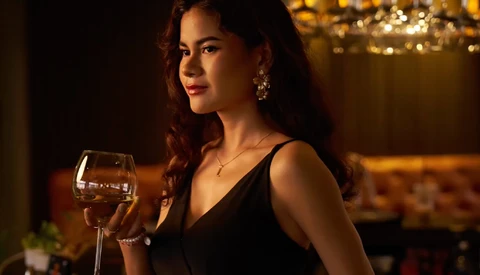
Knowing how to guide your subjects and adjust your light placement is essential for achieving the polished and professional look you’re aiming for.
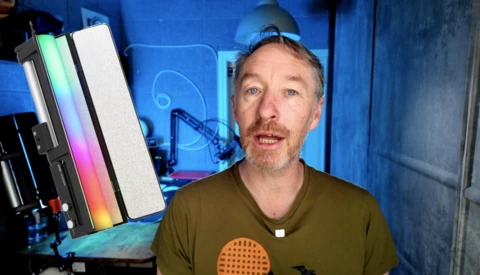
As a landscape photographer, my passion is usually capturing the natural beauty of the outdoors. However, having versatile and powerful lighting is crucial when working in controlled environments, like in my studio or during indoor shoots.
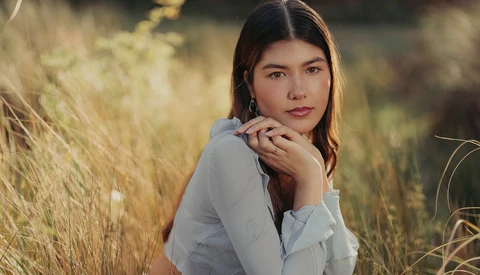
Getting the perfect shot often comes down to lighting, but sometimes, natural light just doesn’t cooperate. Instead of relying solely on what’s available, you can take control and shape the light yourself.
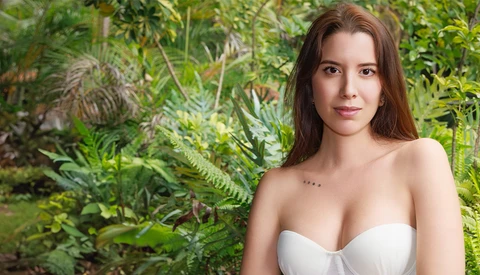
Understanding how to balance ambient light and flash can transform your photos. With so many types of flashes and varying methods of control, it's essential to grasp the basics and build from there.
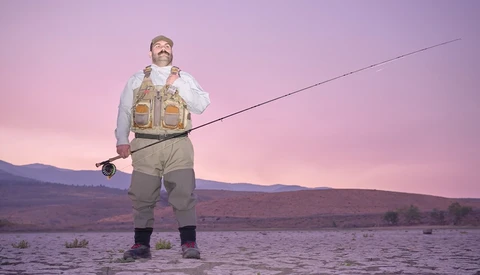
Gels are one of the most versatile tools in your lighting kit, offering endless creative possibilities when used right. Whether you’re adding color to a scene or adjusting the quality of light, gels give you control over your final image.
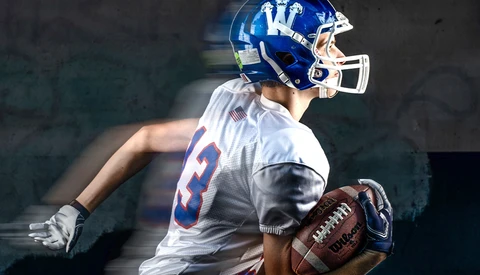
Using flash can completely change the way you approach your shoots, especially when natural light just isn’t cutting it. Whether you’re in a dim venue, dealing with color casts, or just trying to add a bit of pop to your images, flash can solve a lot of problems. But it’s not always straightforward.

Family portraits can be a challenge, especially when you're working with larger groups, such as grandparents with grandchildren. Capturing these moments in a way that feels natural yet beautifully lit can be tricky, but it’s important for creating memories that last a lifetime.
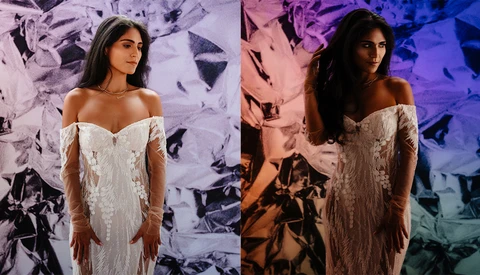
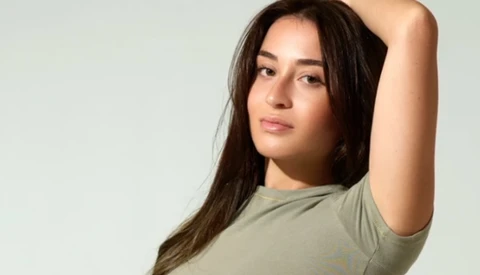
Getting that clean, high-end lighting look in your photos doesn't have to be complicated or expensive. Sometimes, a single light is all you need to create professional results.
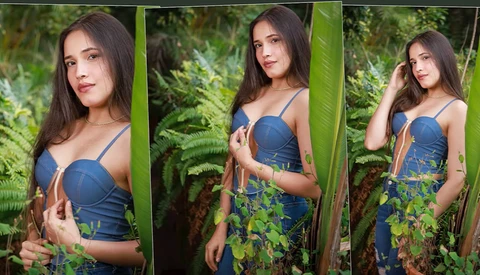
In tricky lighting conditions, knowing how to balance different light sources is crucial. When you get it right, your photos look natural and well-composed, without any harsh shadows or blown-out highlights.
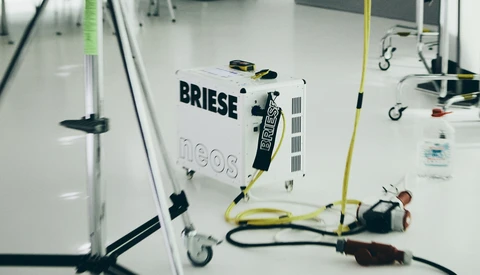
Sometimes, there are images you want to create without knowing how you can create them. The imagination runs wild, while the technical abilities tell you no. One such image was created at Briese Studios with the new Briese Neos, a product of no limits and wild imagination.
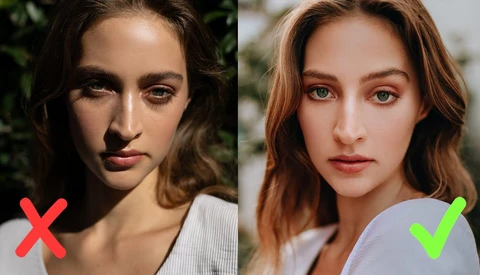
Natural light is one of the most versatile tools in photography, but it can also be tricky to master. The way you use it can make or break your images, and getting it right takes some practice and attention to detail.
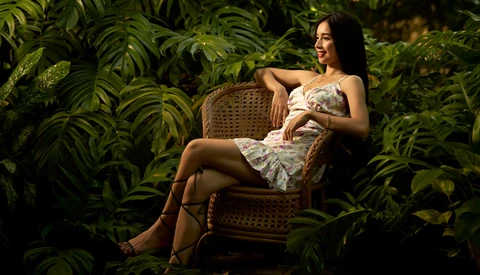
Understanding how to control and manipulate light can transform an ordinary photo into something extraordinary. This is especially important when shooting in challenging conditions or trying to achieve a specific look, where ambient light alone might not suffice.
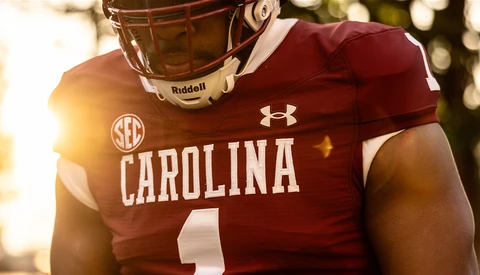
Creating dramatic sports imagery requires more than just a camera and a subject; it demands a thoughtful approach to lighting and composition that elevates the final image to match the intensity of the event.
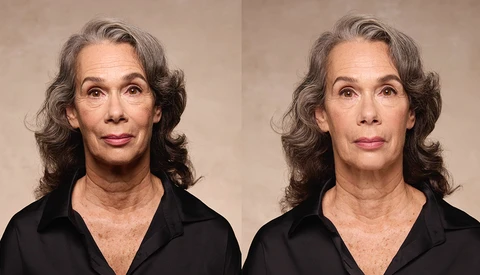
Photographing skin with texture or wrinkles requires careful consideration of your lighting choices. Whether you want to emphasize the character of someone’s face or gently soften their features, understanding how light interacts with texture is essential.
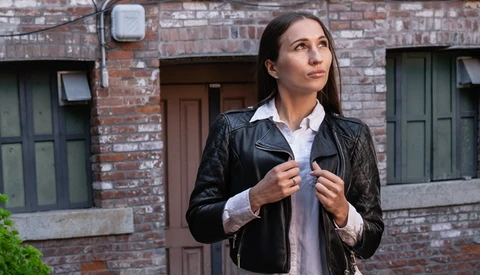
Lighting is the backbone of any great photograph. It’s not just about having enough light; it’s about mastering how light interacts with your subject and your scene.
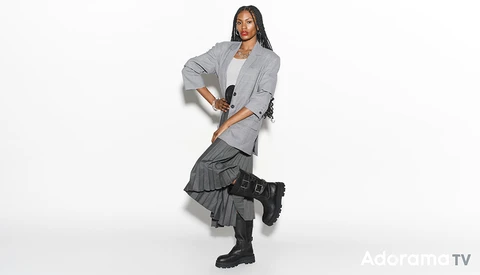
Lighting is one of the most critical aspects of portrait photography, significantly influencing the mood and impact of your images. Here are five useful and versatile setups.
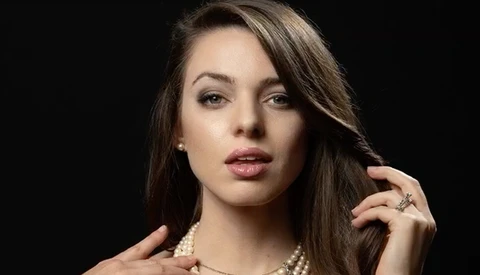
Backlighting is a powerful technique that can transform your portraits by adding depth, dimension, and a distinct visual impact. By positioning a light source behind your subject, you can create striking highlights that outline the contours of your subject’s hair and body, making them stand out against the background.