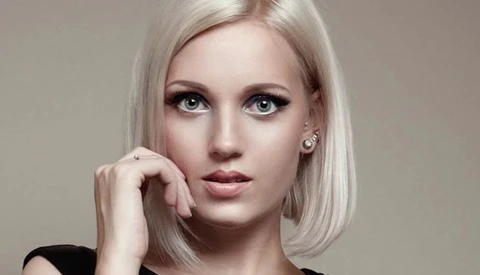
One Modifier to Define Your Portrait Style
Portrait lighting isn't about gear; it's about control and intention. Getting consistent and distinctive images is about mastering one tool deeply enough to shape precisely the mood and emotion you want.
Portrait lighting isn't about gear; it's about control and intention. Getting consistent and distinctive images is about mastering one tool deeply enough to shape precisely the mood and emotion you want.
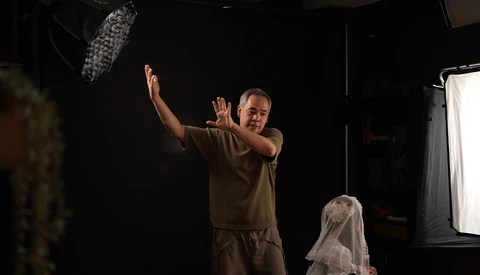
Photography’s power to freeze memories, creating timeless images, relies heavily on mastering precise lighting and thoughtful composition. Understanding these techniques can significantly improve your ability to make compelling photographs that stand the test of time.
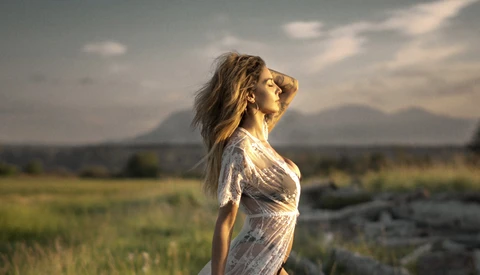
Understanding how to effectively utilize natural lighting allows you to capture striking images without complex equipment. Here's what you need to know.
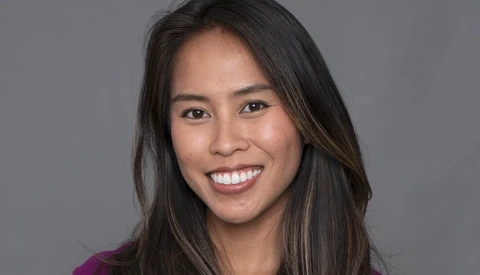
Using a large umbrella for lighting portraits can significantly change the mood and quality of your images. Whether you're after smooth, wrinkle-free skin or dramatic shadows, understanding this versatile setup is great for getting exactly the look you want.
You can learn how to light paint subjects in a matter of minutes. You'll learn how to do it well. And you'll learn how to do it inexpensively (if you want). Let's go!
First, What is Light Painting?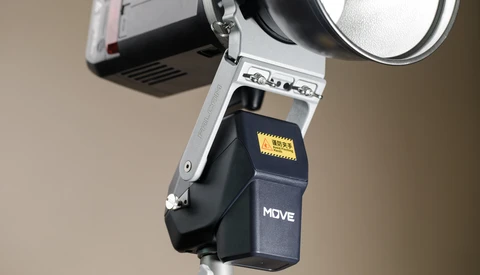
If you’re a one-person crew or working with a small team on photo production, you’ll know the pain—especially when it comes to lighting setups. It can be one of the most frustrating parts of a shoot. It’s not just about turning a light on.
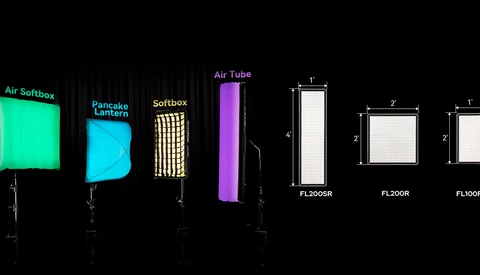
Godox has announced three new LED lights and light mats: the FL100R, FL200R, and FL200SR. The company positions these full-color LED panels as affordable lighting solutions for small studios and independent content creators, building on their existing KNOWLED F series.
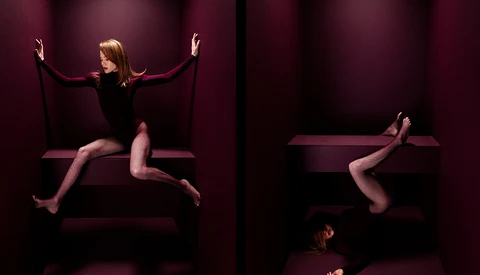
Photographers talk about lighting all the time—how to shape it, soften it, bounce it—but we don’t talk enough about how lighting can tell a story. It doesn’t just illuminate a scene; it sets the emotional tone and builds the narrative.
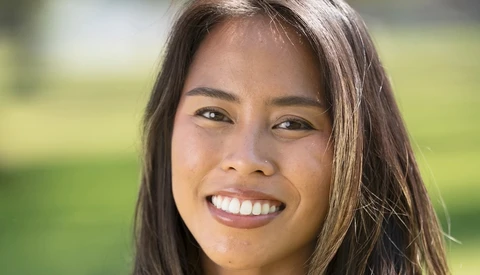
Choosing between shade and backlighting for outdoor portraits can dramatically affect how your subject appears. Knowing when to use each can elevate the quality and style of your photography significantly.
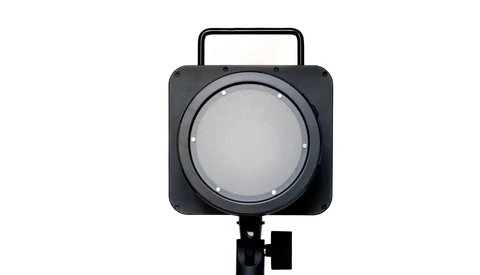
This flash accessory pack is a must-have for anyone with the Neewer Q4 flash. Furthermore, they increase the versatility and, therefore, desirability of the flash. Here are some examples of what the modifiers do.

Understanding how light behaves is essential to taking control of your photos. Lighting not only elevates your technical skill but directly shapes how your viewers feel about your images.
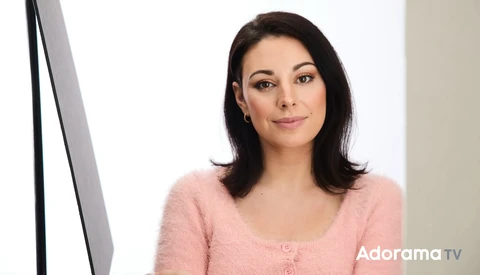
Creating a clean, white background for portraits can be tricky, especially if you’re limited to just one light. Getting this right without relying on heavy editing can improve your skill set and streamline your workflow.
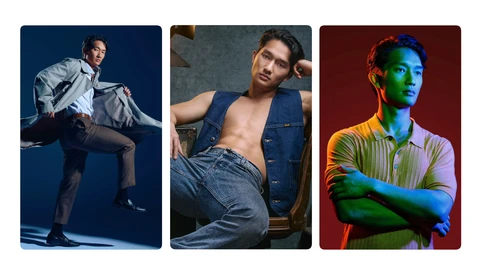
Lighting portraits demands creativity and a clear vision. Whether you're aiming for elegance or drama, understanding lighting setups can dramatically improve your portrait photography.
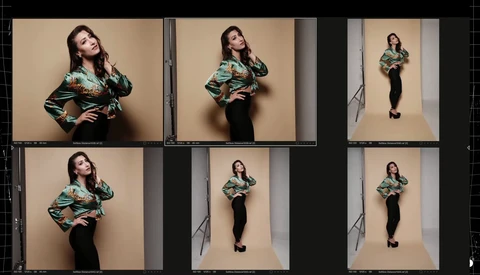
Understanding where to position your softbox and choosing the right size matters more than you might realize. Good lighting isn't just about power; it's about placement, distance, and modifier size, which can dramatically alter the feel of your images.
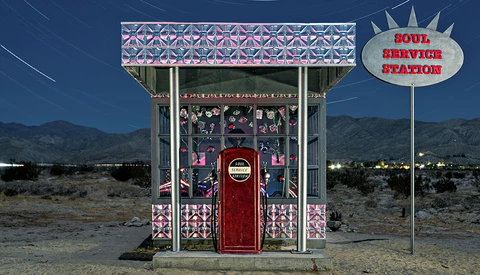
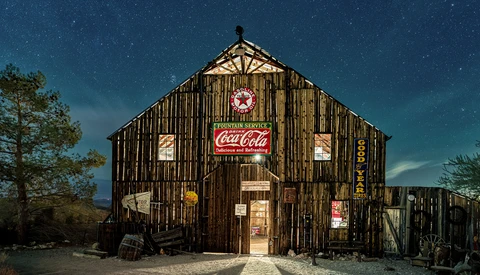
An unusual Soul Service Station in the desert. Long streaking stars. Surreal light painting. We take you behind the scenes to reveal how you can also create photos such as this.
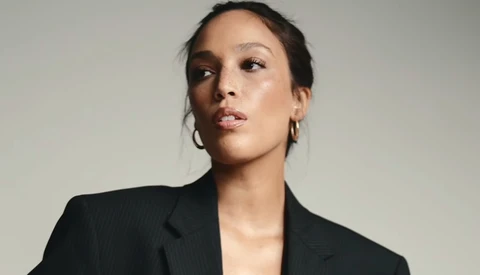
Knowing how to effectively use continuous LED lights and v-flats can greatly simplify your process, helping you capture professional results without excessive gear.
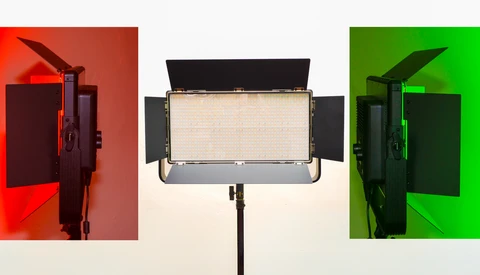
Neewer has released two new panel lights. Perfect for video and great for photography too, these powerful yet affordable arrays have slightly different functions and open up a host of creative possibilities. If you were seeking this kind of lighting, which would you choose?
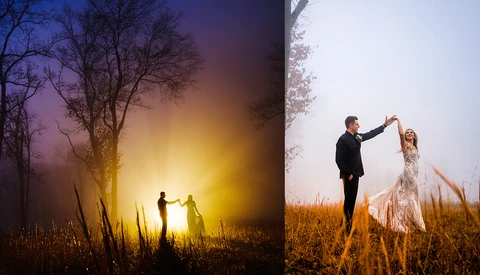
When it comes to creative portraits, sometimes the simplest things can make or break your vision. Likewise, there are times when small details in a scene can give your portraits that little something special.
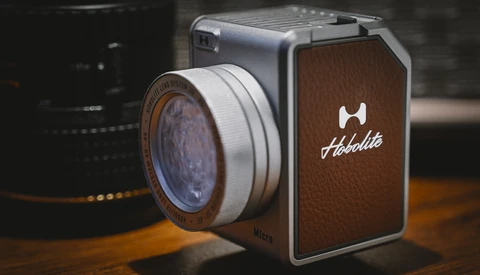
In the ever-evolving world of studio lighting, innovation isn’t just about power—it’s about precision, adaptability, and pushing creative boundaries. While industry giants dominate the conversation, companies like Harlowe quietly redefine what’s possible.
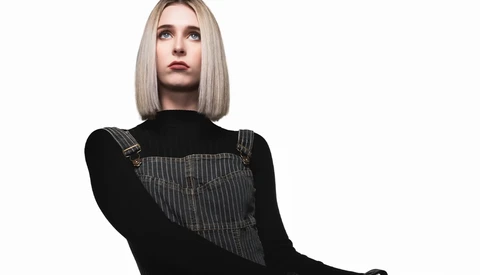
Exploring how to intentionally push your creative limits can dramatically improve your portrait photography. Whether you're seasoned or starting out, understanding how to control lighting effectively shapes your style and widens your capabilities on set.
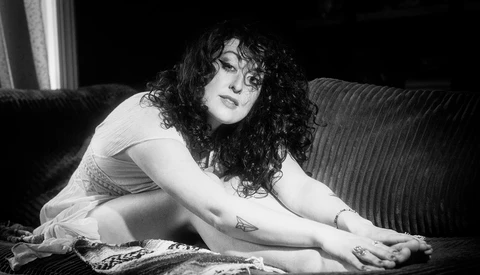
I’m obsessed with color. Like, deeply. Bold tones, dreamy palettes, warm hues—color is one of the main reasons I fell in love with photography. But that doesn’t mean I can’t appreciate the raw emotion and timeless feel of a strong black and white photo.
So I decided to challenge myself: create a series of moody black and white images and shoot them like I meant it.
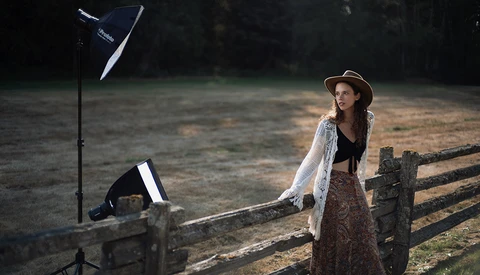
Balancing on‑location flash with existing light sits at the heart of compelling portrait work. Photographers who understand how a slight shift in ambient exposure reshapes mood and subject separation gain tools that make creative intent feel effortless rather than frustrating.
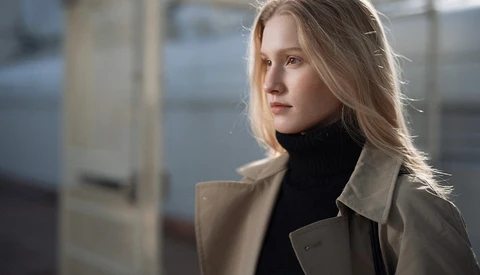
Using a beauty dish in portrait photography is often misunderstood or avoided because of misconceptions around harsh lighting and challenging shadows. Yet, mastering this lighting tool can elevate your outdoor portraits significantly, creating a natural, defined look that large, soft modifiers can't replicate.
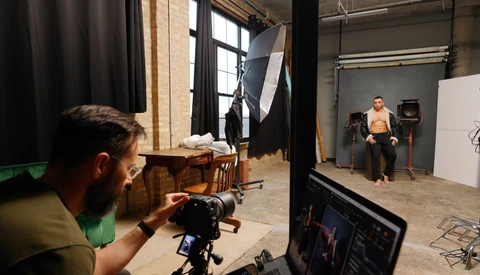
Natural light versus flash is one of photography's enduring debates, influencing how you control mood, exposure, and sharpness. But what if you could have natural light whenever you wanted?

Strobe misfires aren't typically celebrated, but sometimes, these unintended mistakes create standout images.
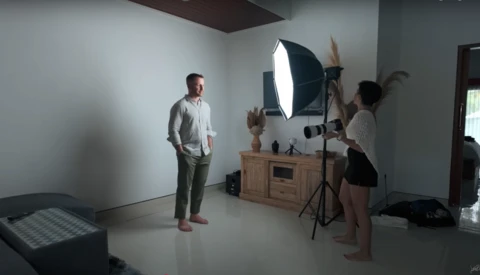
Don’t think you have enough space at home for a studio? Laura BC knows how to make the most of what’s at hand, and her latest video is a goldmine for overcoming your limitations when it comes to shooting space.
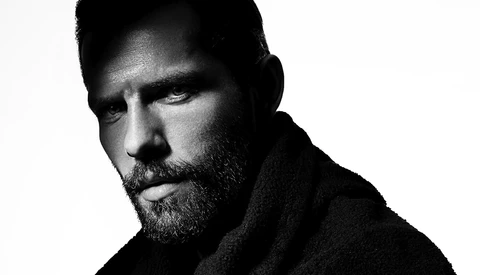
Black-and-white portraits can emphasize textures, shadows, and depth. Mastering this style will set your work apart, offering striking visuals that command attention.
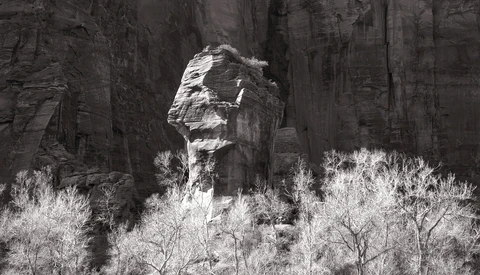
Every photo you’ve ever taken is just a record of one thing: light. It’s the invisible brush that paints every image, and if you don’t understand it, you’re not really photographing.
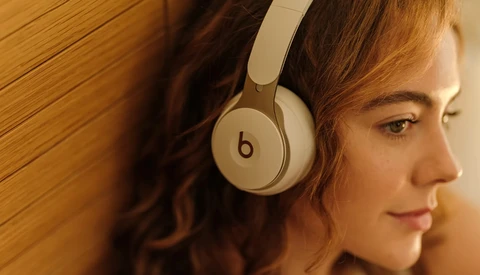
One of the most critical elements shaping your images is the quality of light. Understanding this directly impacts how your photography feels, setting apart casual snaps from intentional artistry.
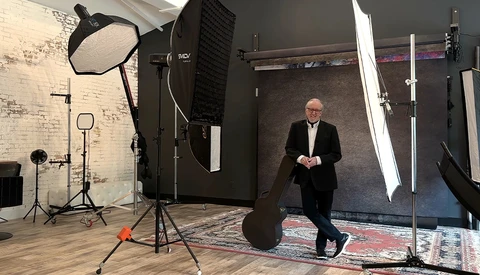
Effective portrait lighting isn't about sticking to strict rules or imitating standard setups. Knowing when and why to adjust your lighting approach directly influences your results, making your portraits feel genuine and expressive.
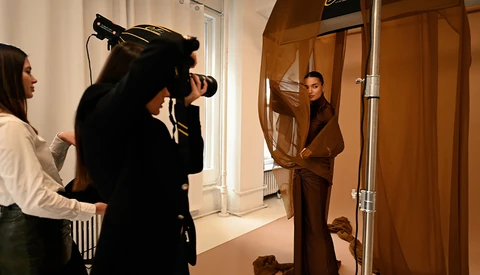
Photographers often debate whether to use flash or continuous lighting, and each option has a direct impact on the appearance and mood of your photographs, as well as affecting the convenience of your workflow.
There's a common misunderstanding among photographers about color accuracy and consistency in photo and video lighting setups. Knowing the difference can significantly impact your final image quality, especially in professional scenarios.
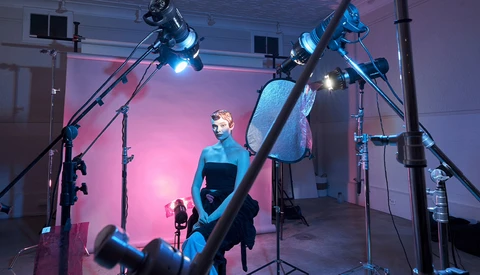
Lighting setups for beauty photography often lean toward simplicity, but there are times when complexity pays off significantly. Advanced lighting allows you to create highly detailed, dramatic, and eye-catching images that simple setups might not achieve.
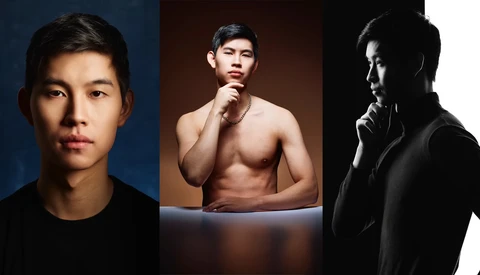
Using v-flats creatively can significantly expand your lighting options during portrait shoots. Knowing how to position and manipulate these simple tools helps you shape light in ways standard modifiers often can’t.
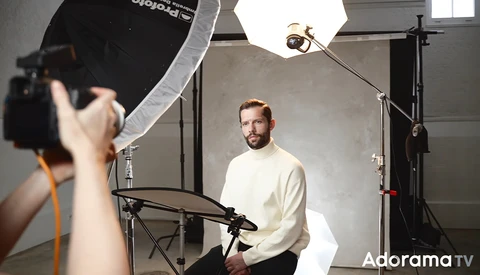
Creating professional headshots doesn't mean you need expensive or complex lighting setups. Umbrellas, though often overlooked, can deliver beautifully flattering light with simplicity and versatility.
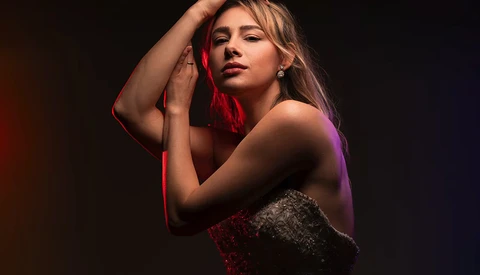
A beauty dish offers ways to elevate portrait photography through dramatic and defined illumination. Mastering this modifier unlocks fresh creative options, particularly if you've typically relied on softer lighting.
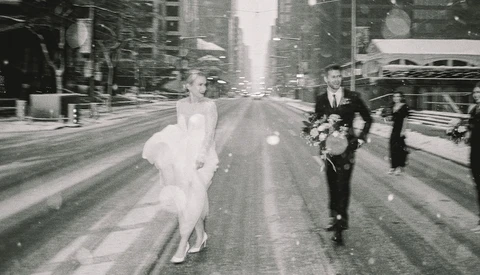
Lighting can make or break a shot, and sometimes, bouncing flash or relying on ambient light isn’t an option. Dark venues, black ceilings, and outdoor night scenes demand a different approach. Knowing how to use direct flash ensures you’re never stuck in a situation where poor lighting ruins your images.
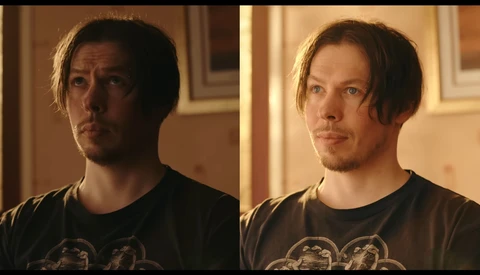
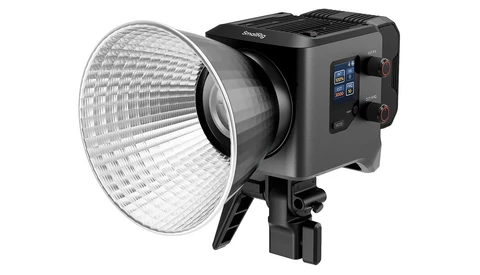
SmallRig has recently unveiled the RC 220B Pro LED Video Light, marking a significant evolution in its COB lighting lineup. Promising professional-grade performance in a lightweight, compact package, the RC 220B Pro is positioned to be the go-to light for video creators of all levels.
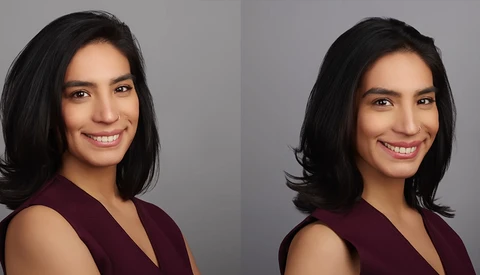
Getting consistent results in headshots can be a challenge, especially when you're shooting in different locations with varying lighting conditions. If you've ever had to match headshots taken in different offices or on different days, you know how tricky it can be. The right approach ensures your clients get the consistency they expect without unnecessary stress.

Whether you’re working with athletes in controlled environments or trying to create a dramatic effect, the way you set up your lights can make or break the shot. Understanding how to efficiently arrange and use your lighting gear allows you to maximize your time while producing high-quality images.
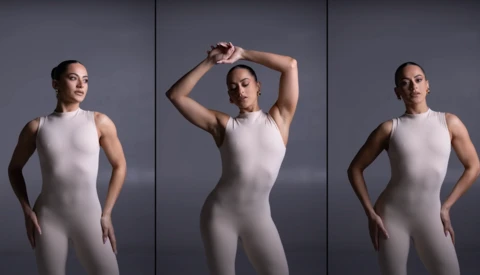
Sometimes, improving your studio portraits isn’t about adding more lights—it’s about making better use of the ones you already have. This highly useful tutorial covers five essential lighting patterns in portraiture and compares the setups.
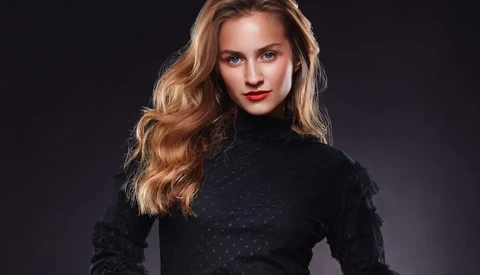
Modifiers are essential tools for shaping light, and knowing how to use them can dramatically affect the look and feel of your images. These tools allow you to control the quality, direction, and intensity of light, which is crucial whether you’re shooting portraits, products, or events.
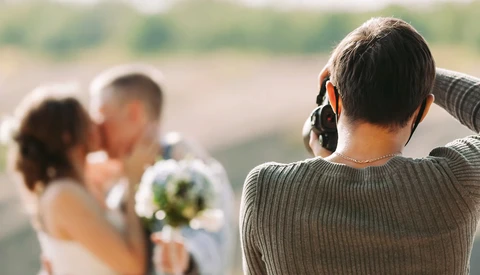
Improving your portraits doesn’t always mean investing in expensive gear. Sometimes, a simple tool like a reflector can make a world of difference. Reflectors are versatile, cost-effective, and easy to use.
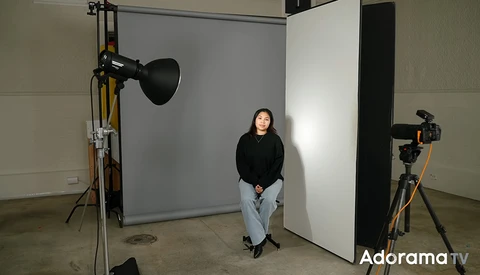
Light control is one of the most important aspects of photography. Whether you’re lighting a subject or creating mood through shadows, tools like grids can shape how your final image looks. But not all grids are the same, and subtle differences can affect the results in ways you might not expect.
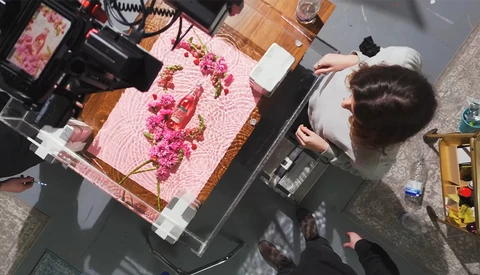
Lighting is one of the most powerful tools you can use to shape your images. Yet, there’s a lot of confusion surrounding it. Understanding these nuances can make or break how your shots come together.
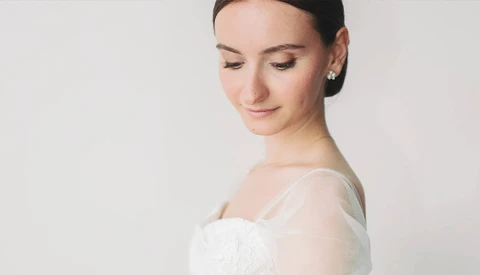
Choosing between a flash and a video light can make or break the mood and quality of your photos. Both tools have their strengths, but knowing when to use each is key to capturing the right look without disrupting your environment.
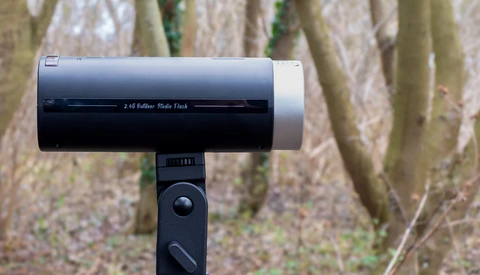
Neewer’s Q200 Outdoor Studio Flash is small enough to slip in my coat pocket, yet more powerful than my Speedlight. With its array of special features, it’s exactly what I have been looking for.
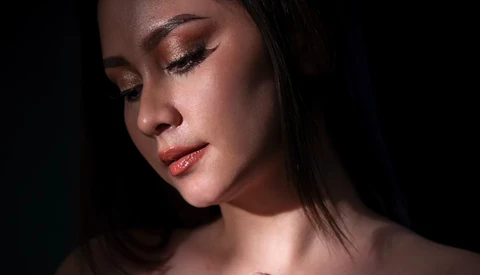
Light can transform a portrait from ordinary to stunning. Using modifiers and positioning effectively allows you to create drama, texture, and depth.
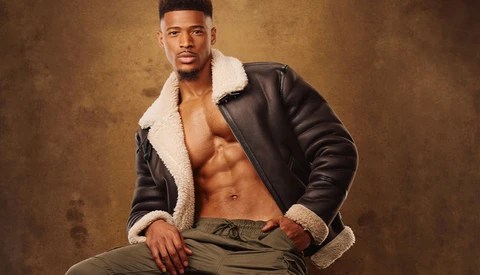
Lighting can make or break your photos. It’s one of the most important elements to get right, yet it’s also one of the most common areas where mistakes happen. By understanding a few key missteps, you can improve your results quickly and avoid some of the pitfalls that hold many people back.