Most Bookmarked Articles

Below are the most bookmarked articles by our members.

Log in or register to add your own bookmarks.

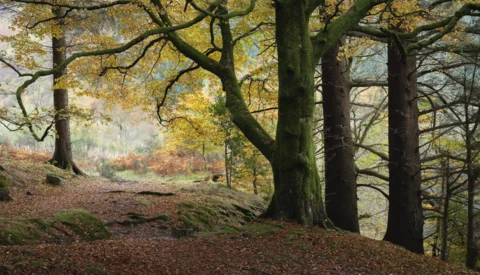
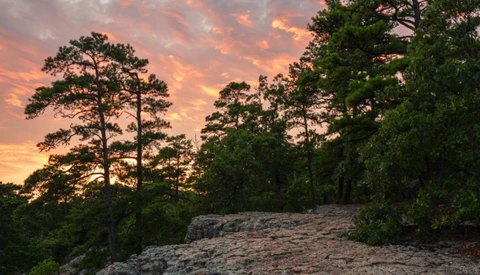
10 Ways to Make Wide Angle Woodland Photography Work in Winter

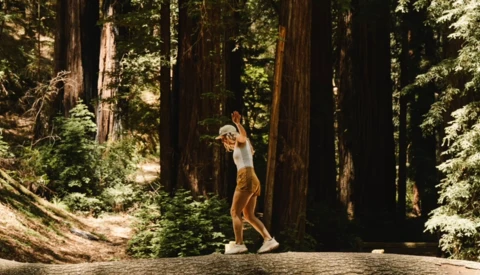
What do you do when you're planning a shoot in the woodlands during winter, but you live in a region that doesn't see much snow or fog? You walk for hours in this unforgiving environment, trying to find a decent composition, and you end up feeling frustrated that nothing is working.

Tone Curve Moves That Fix Flat Photos Fast

Strong contrast is rarely something you rescue with a single slider after the fact. If you want images that feel intentional instead of flat, you need to think about contrast before you even open an editor, then use the tone curve with a light touch.

The Lightroom Object Selection Trick That Beats “Select Subject”

A clean subject mask can make the difference between a shot that looks alive and a subject that looks pasted onto the frame. When Lightroom grabs the branch, the background, and half the subject in one sloppy selection, your edit turns into cleanup work instead of creative control.

Can Affinity Beat Photoshop?

Switching away from Photoshop sounds tempting until you hit the parts of editing that punish you for being slow or slightly sloppy. If you shoot in rough light, push exposure hard, or do regular cleanup work, the gap between “good enough” and “clean” shows up fast.

Small Habits That Quietly Fix Boring Photos

Small improvements compound fast in photography, and most of them have nothing to do with chasing a new body or rewriting your whole editing style. This video is a practical reset for photographers who feel stuck, because it focuses on what you do while you are actually out shooting.

5 Reasons Your Photos Look Fake (And How to Fix Them)

We all want our photos to pop. That desire drives us to experiment with sliders, presets, and AI tools that promise to transform our images into something extraordinary. But there is a fine line between "enhanced" and "radioactive," and most of us have crossed it without even realizing it. Your desire to make a better image is not the culprit. The problem is that when you push too hard, the image loses its anchor in reality, and the viewer stops looking at the subject and starts looking at the editing itself.

How to Get Crisp Detail Without the “Over-Sharpened” Look

Sharpening is where a solid edit can quietly fall apart, especially once you export for the web and everything gets resized. If you want crisp detail without crunchy edges or noisy skies, you need a method that matches the way you actually share images online.

Micro Moves That Make a Landscape Photo Click

Small composition choices decide whether a frame feels settled or slightly off, even when the scene looks “good enough.” If you rely on instinct and move on fast, you can miss the quiet fixes that turn a decent shot into one you actually want to keep.

Photography Isn’t About the Camera — It’s About Learning How to See

“Wow, what an amazing photograph. What camera do you use?” “I really love your photographs; you must have a very expensive camera.” “Gee, thanks. I use a very old, outdated camera system that’s not very expensive at all.” Let's talk about gear and how it doesn't make you a better photographer.

The Most Underrated Camera Spec in 2026

When you shop for cameras online, spec sheets emphasize familiar metrics: 20 frames per second, 30 frames per second, 8K video, blackout-free shooting. These numbers look impressive. They sound impressive. And they are. But they are often misleading when it comes to final image quality.

How to Rescue a Dark Photo in Lightroom Classic

Night scenes in near darkness look dramatic, but they are some of the easiest images to ruin with missed exposure, motion, and noise. If you shoot moving subjects at night, you probably have a folder of frames that feel too dark and too messy to bother editing.

Subtle Lightroom Masking Tricks That Make Your Landscapes Glow

Lightroom Classic’s masking tools give you more control over light, color, and depth in your images. If you skip them or only use the basics, you end up fighting flat scenes and blown highlights that never quite match what you saw on location.

A Natural Lightroom Workflow For Landscape Photos

Editing a raw landscape file in Lightroom often decides whether an image feels lifeless or close to what you saw on the trail. This video walks through a complete landscape workflow that keeps the edit grounded in reality instead of turning everything into neon drama.

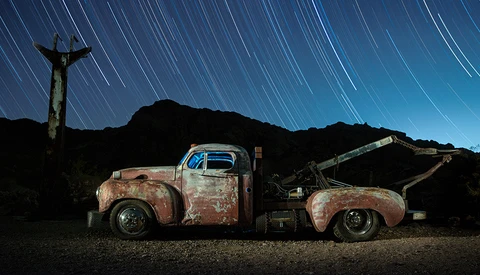
Step-by-Step: Light Painting a Desert Tow Truck With Star Trails

I wanted to photograph and light paint a super-long exposure of a vintage tow truck with long star trails, but I also needed to do this quickly so I could continue teaching workshop participants. How did I do this? I’ll take you behind the scenes of my desert ghost town long-exposure photo.

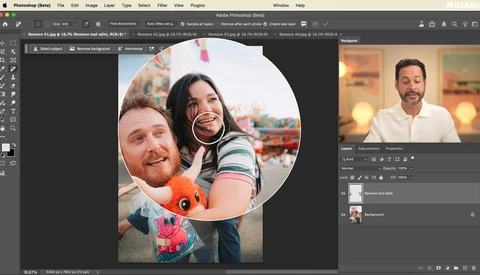
Smart AI Object Removal Tricks In Photoshop

Distracting stuff sneaks into almost every frame, whether it is strangers in the background, power lines, or weird signs behind your subject. Learning to remove those problems cleanly in Photoshop lets you keep the shots you like instead of tossing them out over small details.

Why 24 Megapixels Is Enough for 95% of Photographers

Every camera announcement follows the same script. The press release lands, the spec sheet unfolds, and there it is: a bigger number than last time. Sensor resolution has become a headline feature, the thing we're supposed to gasp at before we've even seen a sample image. What was once considered professional territory is now dismissed as "entry-level," and we're told that serious photographers need 45, 60, or even 100 megapixels to stay competitive.

How to Master Photoshop Generative Expand to Rescue Tight Compositions

Generative Expand in Photoshop lets you fix tight framing, rework aspect ratios, and build layouts you never captured in camera. If you often wish you had backed up, shot horizontal instead of vertical, or left more headroom, this tool gives you a practical way to rebuild that space with believable detail.

Should you Strengthen Your Photographs With a Thoughtful Title?

Many photographers struggle with the simple act of giving their work a title. Some of us reduce the title to a literal description, while others choose a poetic word that adds nothing. In both cases, the title stops supporting the image and becomes a formality, and avoiding titles altogether leads to the same issue. Here, I outline the common mistakes and a few practical ways a title can guide the viewer’s first steps into the photograph.

Why Your Images Look Flat and How to Fix Them

Flat-looking images usually are not about the camera or lens at all. They come from choices about light, contrast, and viewpoint that quietly cancel any sense of depth.

How to Easily Transform Boring Skies in Photoshop

Sky replacement changes how your images feel in a split second. When a great shot is held back by a flat gray sky, knowing how to swap it cleanly keeps more of your work out of the trash and in your portfolio.

Stop Fighting Lightroom Masks and Let Them Work For You

Lightroom hides a lot of power behind menus you probably ignore and shortcuts you might not even know exist. If you spend hours editing, small changes in how you use masks and ranges can add up to cleaner images and faster decisions.

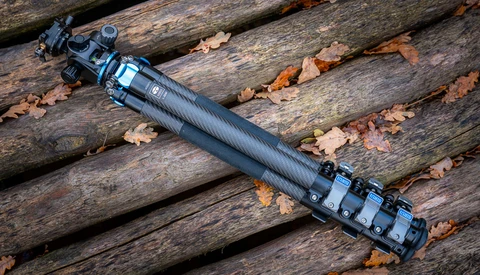
Review of the Sirui L324F Tripod and the KS-G3 Geared Tripod Head

Are you looking for a good and affordable tripod? Then the Sirui L-324F might be something for you. I received this tripod together with the Sirui KS-G3 geared tripod head to use for a course on tripods. I took the opportunity to test it extensively. You can read more about this tripod in this review.

How to Master Flash Portraits

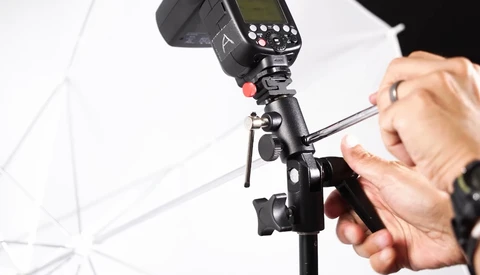
Flash portrait work lets you create clean, controlled light in places where ambient light fails, from dim living rooms to ugly office hallways. Even if you prefer natural light, knowing how to use a flash turns difficult locations into usable sets instead of missed sessions.