Gear Reviews

Fstoppers gear reviews are written by photographers who actually use the equipment — not benchmark testers looking at spec sheets. This section covers cameras, lenses, lighting, accessories, bags, software, and everything else in a working photographer's kit. The goal is always the same: give you an accurate picture of whether something is worth your money before you spend it.

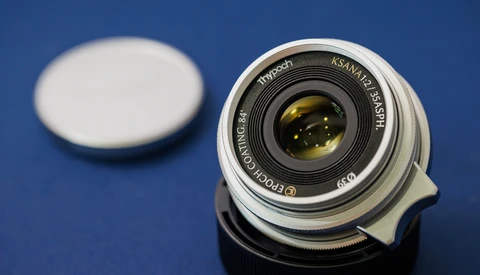
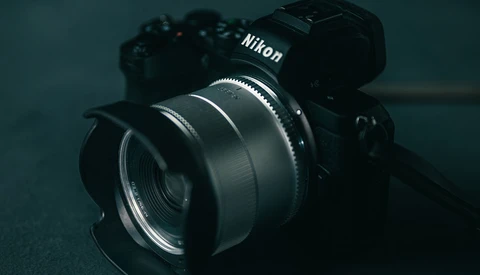
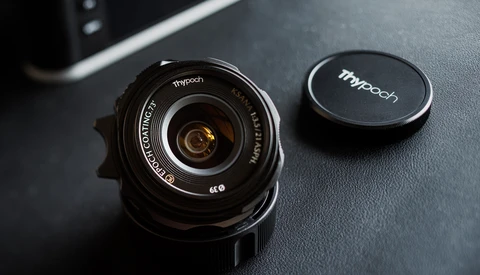
We Review Thypoch’s Ksana 21mm F/3.5 Asph: A Modern Interpretation of a Vintage Coating

Thypoch has been slowly making a name for itself in the industry and is no stranger today to creating modern manual lenses that pay homage to classic lenses—starting with the Simera, Eureka, and now the Ksana. The 21mm f/3.5 Asph is Thypoch's first entry in the new "Ksana" series, designed to be an ultra-light and compact everyday lens with vintage rendering.
5 Sony APS-C Lenses Worth Shooting With Right Now

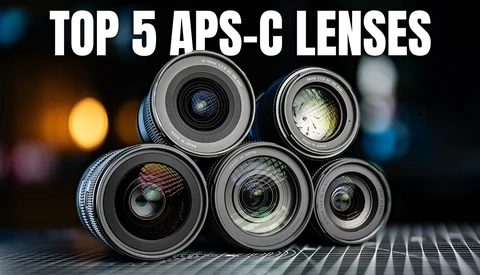
Choosing the right lens for a Sony APS-C camera is genuinely difficult right now, because the options have multiplied fast and the differences between them aren't always obvious. Curtis Padley has been shooting Sony APS-C for six years and has run through enough glass to have strong, experience-backed opinions about what actually works. 

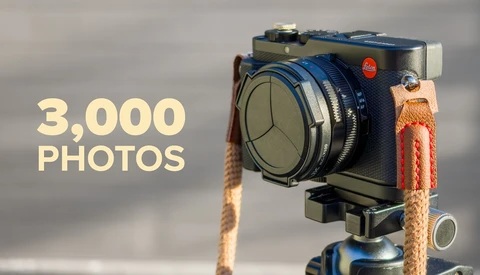
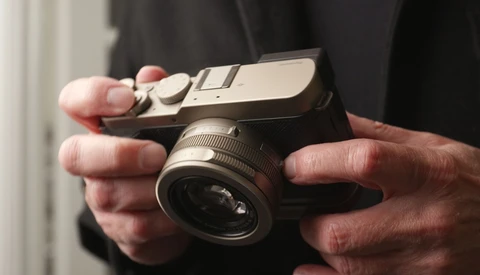
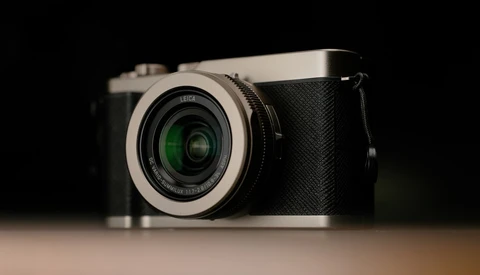
The Leica D-Lux 8 After 18 Months and 3,000 Shots

The Leica D-Lux 8 sits in an unusual spot: a Micro Four Thirds compact with a fixed zoom lens, priced like a premium tool, marketed as something you actually carry. After nearly 19 months and close to 3,000 images, Peter Fritz has moved well past first impressions, and his conclusions are more nuanced than the usual early review. 

PMI's New 'Vanishing Fog' Makes Adding Smoke Easier Than Ever

 I used to think all fog machine liquid was the same. Never once had I considered that a new fog formula could be far better than what I've been using for decades. PMI's Vanishing Formula Kit has changed my opinion, and today I test it against three of the most popular portable fog systems on the market. 


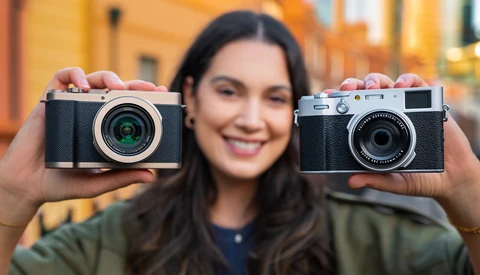
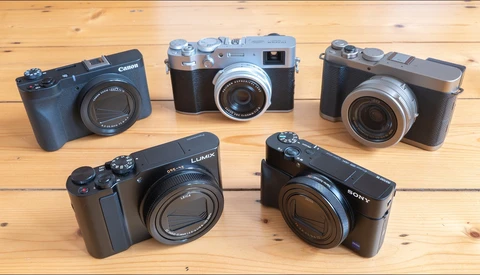
Fujifilm X100VI vs. Panasonic Lumix LX10: Which Compact Is Actually Better for Travel?

Choosing a compact travel camera is harder than it looks, especially when two solid options sit at very different price points with very different sensor sizes, lenses, and feature sets. The Fujifilm X100VI and the Panasonic Lumix LX10 both pitch themselves as small, capable everyday cameras, but they take genuinely different approaches to getting there. 

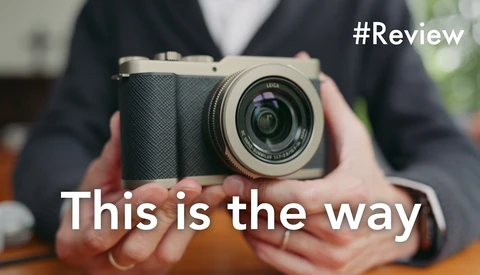
The Panasonic L10 Is the LX100 Successor Nobody Expected

The Panasonic L10 lands in a genuinely narrow space: a compact camera with a large sensor, a zoom lens, and serious video features. If you've wanted something between a Ricoh GR IV and a full-blown mirrorless kit, this camera makes a real case for itself. 

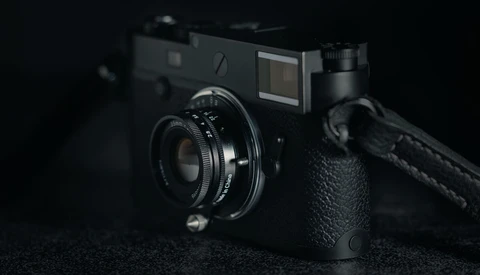
7Artisans 35mm f/2.8 M Mount: A Tiny Lens With Classic Rangefinder Charm

If you think the 7Artisans 35mm f/2.8 M Mount lens looks like it belongs to another era, you'd be quite correct. It was inspired by the compact optics used on Leica's early Barnack cameras in the 1930s. This tiny beauty, weighing just 88 g, embraces simplicity, portability, and character in a way that many modern lenses have forgotten.


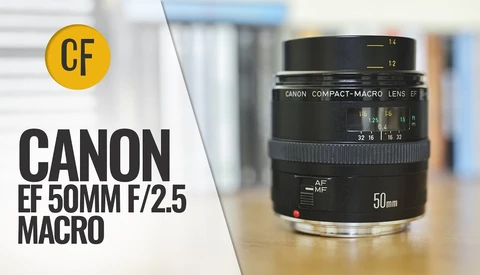
The Canon EF 50mm f/2.5 Compact Macro Is 40 Years Old. Here's How It Holds Up.

Canon's oldest EF mount lenses are worth a second look now that they adapt so cleanly onto modern mirrorless bodies. The Canon EF 50mm f/2.5 Compact Macro is one of the more interesting cases: a lens from 1987 that regularly sells for under $100 on eBay and still communicates fully with current Canon R-series cameras, including in-body stabilization and in-camera corrections. 

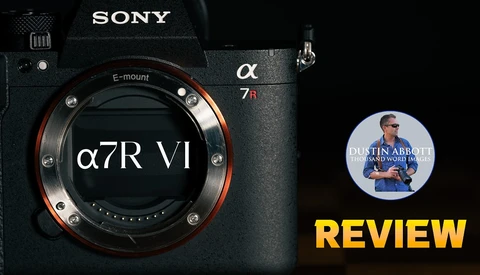
The Sony a7R VI Has the Best Full Frame Sensor Ever Made. Here's the Catch.

The Sony a7R VI raises the resolution bar for full frame cameras to 66.8 megapixels on a fully stacked sensor, and that combination produces results that will make you rethink how much camera you actually need. The stacked design isn't just about pixels — it's what allows the a7R VI to shoot 30 frames per second with full autofocus and a blackout-free viewfinder at that resolution. 

40-150mm Plastic Fantastic: Can a $100 Lens Actually Deliver?

Sharpness is one of photography's most debated specs, and it's also one of the most overrated. The Olympus 40-150mm f/4-5.6 R is widely considered one of the least sharp lenses in the Micro Four Thirds lineup, and Chris Baitson decided to take it out for a full shooting session anyway. 

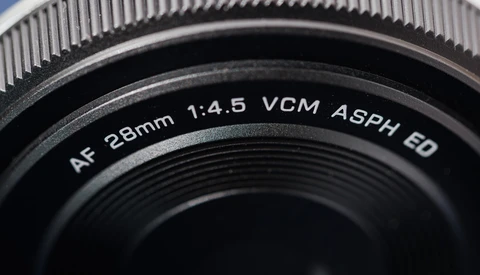
Viltrox 28mm F/4.5 L Review: An L-Mount Lens With the Size of a Body Cap

Behind every lens decision is a balancing act between autofocus, portability, and excellent optical quality. It usually feels like you can only pick two. But with the introduction of Viltrox's second L-mount lens, the AF 28mm f/4.5 L, we might have just found a recipe that genuinely delivers on all three fronts by making the compromise elsewhere: a fixed, slower aperture.

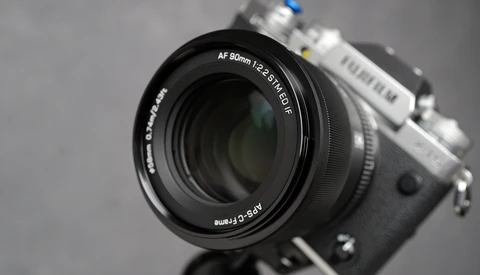
The Viltrox 90mm f/2.2 Evo Is Surprisingly Hard to Put Down

The Viltrox 90mm f/2.2 Evo is one of those lenses that shouldn't perform as well as it does at its price. At $369, it sits in territory where you'd normally make compromises on sharpness, autofocus, or build quality, and this lens largely refuses to do that. 

The Panasonic Lumix L10 Might Be the Perfect Journal Camera

Picking a camera that's always with you is harder than it sounds, and most people get it wrong by chasing specs instead of asking what the camera is actually for. The concept of a "journal camera" reframes that question entirely, and it's one of the more useful ideas you'll encounter if you're trying to figure out which second camera actually makes sense. 

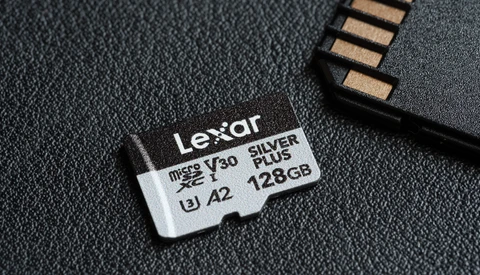
We Review the Lexar Silver Plus MicroSD Memory Card

Let's be honest, buying a memory card is probably the most boring part of picking up new gear. It's not a shiny new lens or a camera with a red badge. But if we're being real, it is arguably the most critical piece of the puzzle. Without a memory card, cameras without built-in memory will not be able to save any data, essentially becoming an overpriced paperweight. 

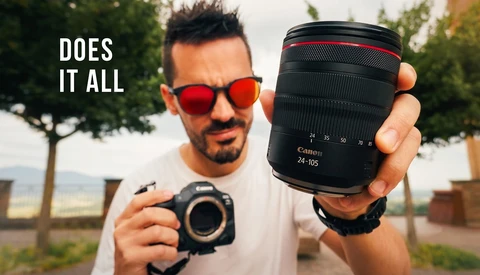
Canon RF 24-105mm f/4L Review: 2,000 Photos Later, Was It Enough?

The Canon RF 24-105mm f/4L IS USM is one of those lenses that tends to get overlooked once you've moved on to faster glass. If you've been shooting with f/2.8 zooms and primes, it's easy to assume the f/4 version isn't worth reaching for anymore. 

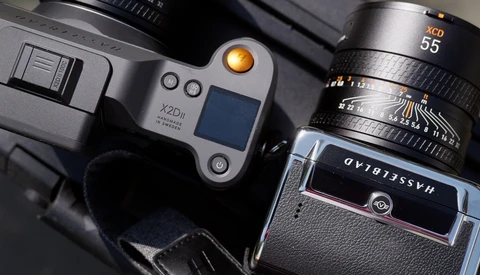
Hasselblad X2D II vs. 907X 100C: Same Sensor, Very Different Cameras

Choosing between the Hasselblad X2D II and the Hasselblad 907X 100C is genuinely difficult, and not just because both cost the same and share the same 100-megapixel sensor. The decision comes down to something more personal than specs, and getting it wrong at this price point is an expensive lesson. 

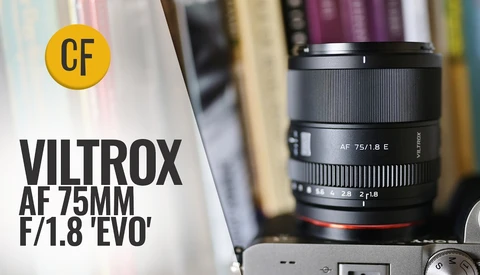
The Viltrox AF 75mm f/1.8 Review: A $329 Portrait Lens That Actually Delivers

The Viltrox AF 75mm f/1.8 is a short telephoto portrait lens for APS-C mirrorless cameras, giving you a full frame equivalent of around 113mm. At $329, it sits in a price range where quality can vary wildly, and whether Viltrox has delivered something genuinely worth the money is exactly what this review puts to the test. 

We Review the Viltrox AF 90mm f/2.2 EVO Lens

The Viltrox AF 90mm f/2.2 EVO is the company's latest in its budget-friendly, compact line of lenses for APS-C systems, and it offers excellent image quality and value for the dollar. 

TTArtisan APS-C AF 35mm f.1.8 II: The Perfect Every Day Carry Lens

When it comes to focal length choice, my photography goes in cycles. For a few years now I've been shooting 28mm and 35mm, but recently decided it was time to move back to the 50mm focal range.


My favorite everyday carry/travel camera—which I grab for local strolls around town, or take on long backpacking trips—is my trusty Nikon Z50.

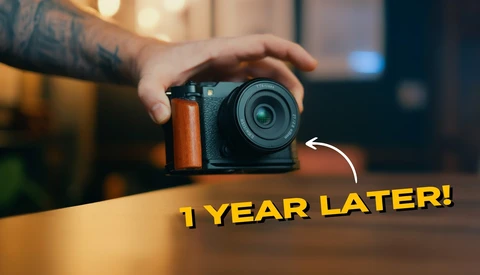
The Panasonic Lumix L10 Is the Premium Compact Camera the Market Has Been Missing

Compact cameras are making a serious comeback in 2026, and the Panasonic Lumix L10 is one of the most compelling arguments for why that matters. It pairs a 26.5-megapixel Micro Four Thirds sensor borrowed from the Lumix GH7 with a 24–75mm f/1.7–2.8 equivalent zoom lens in a body that's genuinely pocketable. 

Sony a7 V Street Test: Is Pre-Capture Actually Cheating?

The Sony a7 V is a serious tool for street photography, and the question of whether its most powerful features cross a line worth thinking about. Pre-capture, silent shutter, and subject-tracking autofocus all raise real questions about what street photography actually demands from you and your gear. 

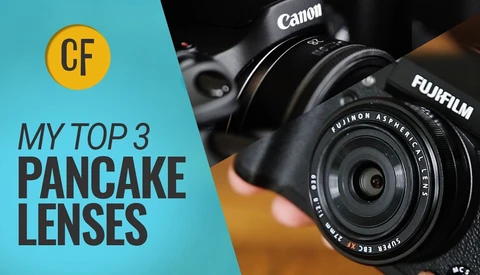
The 3 Sharpest Pancake Lenses Worth Owning

Pancake lenses are a niche obsession, but they solve a real problem: full-size image quality in a package small enough to actually carry. Most of them cut corners on sharpness to hit that tiny footprint, but a handful genuinely don't. 

The Nikon ZR Is a Surprisingly Good Walk-Around Camera

The Nikon ZR is built around the Nikon and RED collaboration, and on paper it looks like a specialist tool most people would pass on. But Matt Day's hands-on experience with it over several weeks raises real questions about whether it punches above its weight, even for everyday use. 

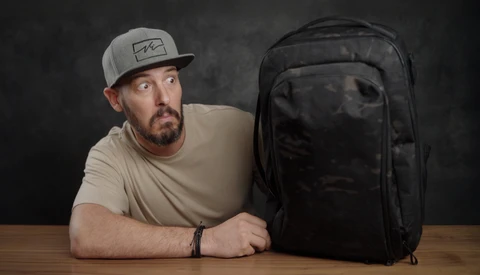
The Ultimate Everyday Carry Camera Bag: Atlas One

If you travel with camera gear even a few times a year, you already know the problem. Sometimes you're heading to a wedding with a full kit and your clothes are checked. Sometimes it's a weekend trip where you need a few lenses and room for a change of clothes. And sometimes you don't need any camera gear at all and you just want a normal bag.
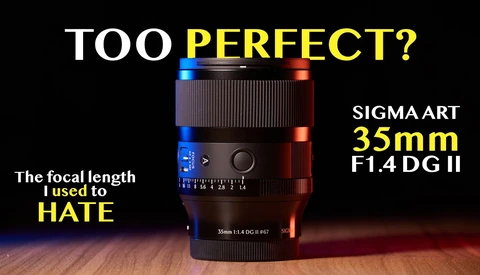
The Sigma 35mm f/1.4 DG DN Art: One Month of Real-World Use

The Sigma 35mm f/1.4 DG DN Art is one of the most talked-about lenses in the Sony E-mount ecosystem right now, and for good reason. At around $1,000, it sits in a crowded tier alongside the Sony FE 35mm f/1.4 GM and the Viltrox 35mm f/1.2 AF. 
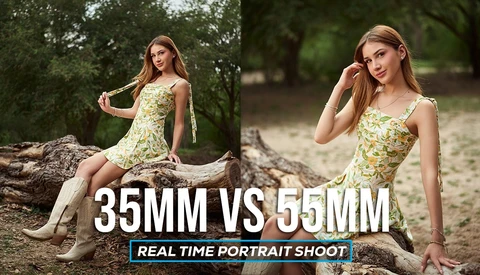
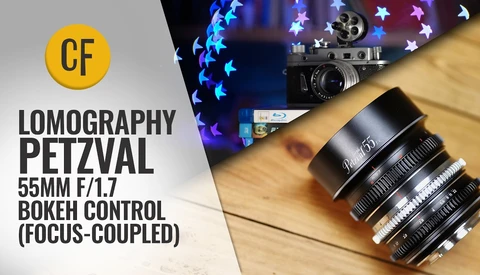
The Lomography Petzval 55mm f/1.7's New Design Solves Its Biggest Problem

The Lomography Petzval 55mm f/1.7 is one of the most distinctive lenses you can put on a camera, and its new focus-coupled version changes the case for buying it in ways that aren't obvious at first glance. If you've ever been curious about swirly bokeh lenses but hesitated because of how awkward they are to use, this update is worth your attention. 

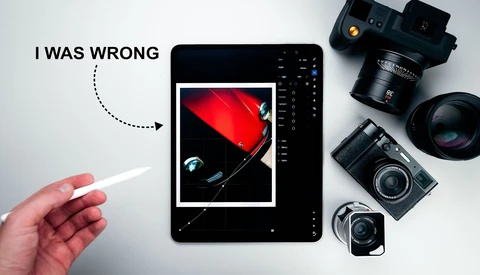
iPad Pro Photo Editing Workflow: Why Most Photographers Use It Wrong

The iPad Pro has tempted photographers for years with its portability and touchscreen display, but most people who try it for serious editing eventually drift back to their laptops. Evan Ranft spent six months with the M5 iPad Pro figuring out exactly why that happens and what to do instead. 

Which Fujifilm GFX Lenses Are Actually Worth the Price?

Fujifilm's GFX system produces some of the most detailed, tonally rich files available to working photographers today, and the lens lineup is both the system's greatest strength and its most significant financial commitment. After six years of building out a GFX kit, Samuel Elkins has opinions on what actually earns its place in the bag and what doesn't.