
A Look at the Viltrox AF 50mm f/1.8 Lens
A quality 50mm lens is one of the most flexible optics a photographer can have in their kit, with the ability to tackle just about everything from portraits to events, street photography, and much more.
Fstoppers gear reviews are written by photographers who actually use the equipment — not benchmark testers looking at spec sheets. This section covers cameras, lenses, lighting, accessories, bags, software, and everything else in a working photographer's kit. The goal is always the same: give you an accurate picture of whether something is worth your money before you spend it.
A quality 50mm lens is one of the most flexible optics a photographer can have in their kit, with the ability to tackle just about everything from portraits to events, street photography, and much more.

The holy trinity of zoom lenses is traditionally considered an ultra-wide angle zoom (like a 14-24mm f/2.8), a standard zoom (24-70mm f/2.8), and a telephoto zoom (70-200mm f/2.8), so named because they can competently cover the majority of situations a photographer will encounter. However, since that term was coined years ago, the lens and camera market has changed significantly.

Apple's introduction of the M1 series of chips was a major paradigm shift for the company, bringing with them some of the efficient performance ever seen, allowing for powerful laptops that still managed to last all day. That, combined with other features, like a large and vibrant display, make the 16" MacBook Pro with the M1 Max chip the seeming frontrunner for creatives on the go.

Compositing in Photoshop comes in many forms, from product and portrait enhancement to fantasy-style images. Every digital artist will have their own workflow, as there are many different ways to get the final results.

Traditionally, decent image quality from a supertelephoto focal length costs a pretty penny, which is what makes the Sigma 150-600mm f/5-6.3 DG OS HSM, which costs less than $1,000, a particularly intriguing lens for many creatives. Can it offer performance and image quality that punch above that budget price, though?

Tamron has updated their ever-popular 28-75mm lens with a new second-generation version that packs a punch for Sony E mount users. Read on to see how it performed in the field when challenged by a variety of subjects and lighting conditions.

With the release of cameras like the EOS R7, Canon has shown they are dedicated to building their APS-C mirrorless platform alongside their well-established full frame line. If you are shooting with such a camera and looking for a kit lens for shooting a variety of scenarios, check out this fantastic video review that compares two good options.

The Fujinon XF 16mm f/2.8 R WR is hailed to be one of the sharpest Fuji lenses for its size and very reasonable price, so how does it fair on the Fuji X-T5 with its 40mp sensor? It's one on a list of lenses that Fujifilm recommends you use to get the best out of the sensor, and if that in fact is the case it certainly does it well. I was in the market for a prime lens that

One of the calling cards of the Fujifilm X Series is professional features and image quality in significantly smaller packages, and the XF 16mm f/2.8 R WR continues that by giving photographers a useful wide angle focal length that fits in the palm of the hand.

Few cameras are as unique as the Leica M Monochrom, which, as its name implies, only shoots in black and white. While that might sound like a gimmick, it can provide a notable difference in image rendition in addition to the shooting experience.
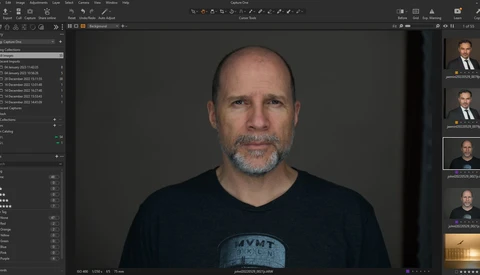
Capture One has a great reputation for image quality but comes with a premium price tag. Does it live up to its reputation, and is that extra cost worth it compared to other programs? I tested it side by side with Adobe Lightroom Classic.

Fujifilm's new X-T5 mirrorless camera brings the beloved X-T series to the next level, offering a range of new features and advanced capabilities paired with a new 40.2-megapixel sensor, making it the most versatile option yet. This great video review takes a look at the new camera and the sort of performance and image quality you can expect from it in practice.

In the last few years, Viltrox has earned a reputation for manufacturing lenses at some of the lowest prices out there that somehow still compete with more expensive options. Their latest offering, the AF 75mm f/1.2 XF, offers Fujifilm X Series users a nice combination of an ultra-wide aperture and a portrait focal length at a very reasonable price.
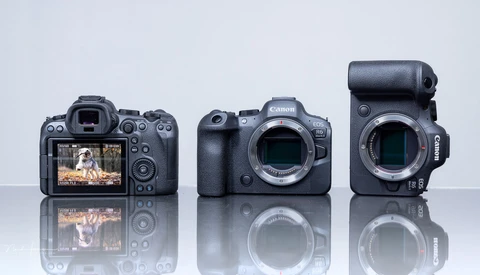
At first sight, the Canon EOS R6 Mark II doesn’t seem to be much different compared to its predecessor. But looks are deceiving. Perhaps it’s the best mirrorless camera for a reasonable price you can buy at this moment. Canon Netherlands gave me this camera for a review.

24mm prime lenses with wide maximum apertures are popular for a variety of applications, as they offer a versatile wide focal length that is not so wide that significant issues with distortion or composition start to creep in, making them a favorite for everything from events coverage to nightscapes.
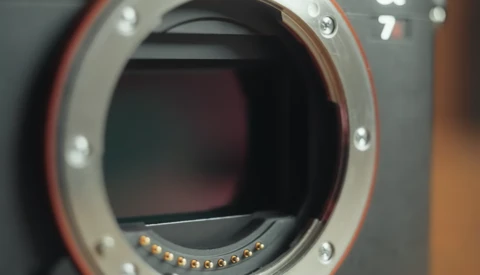
Now in its fifth generation, the Sony a7R series has earned a reputation for offering a wide range of impressive features paired with the highest-resolution sensor available in a full frame camera, making it the workhorse of choice for a lot of photographers and filmmakers. Is it the best hybrid camera on the market right now? This excellent video review takes a look.

With the January sales looming and every company likely offering discounts on new and existing cameras and kit, is it worth considering a new camera body? Is it worth upgrading from your existing equipment to a newer model or even switching from DSLR to mirrorless?

Architectural photography can be described as one of the more technical kinds of photography. Photo compositions generally need to have a more structured aesthetic. Vertical lines need to be straight, and the best way to ensure this is by using a tilt-shift lens. The question is: which lens is best for architectural photography?

As part of Sigma’s Contemporary lens line, the 56mm f/1.4 DC DN is designed to offer exceptional image quality and performance all in a small, convenient package. With a 35mm equivalent of 84mm, this lens is great for portraiture, street photography, pet photography, travel work, and any low-light shooting situations.
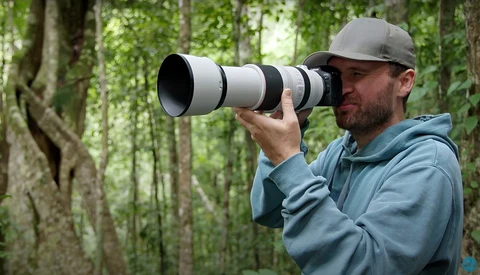
Many photographers do not want to spend top dollar for high-level bodies, but still need and appreciate advanced features like fast burst rates and powerful autofocus. For Canon shooters, two options that fit that bill are the EOS R6 Mark II and EOS R7. Which is right for you, though? This interesting video discusses the two in the context of a demanding genre, bird photography.

Canon cameras are some of the most popular out there, but just like every other brand, they are not perfect. How do they compare to other options? This excellent video discusses the good and bad of Canon cameras.

Medium format cameras mostly live in studios, where the controlled lighting and less demanding autofocus and burst rates allow them to shine. What happens if you take them out of that environment and put them in the hands of a wedding photographer? This great video shows the results.

The fight for making the best premium portrait lens normally comes down to a few properties: a short telephoto focal length, a wide aperture, stellar sharpness (even wide open), and great bokeh. This lens offers all four of those things, often in spades. Is it the ultimate option for portrait photographers? This excellent video review takes a look.

When it comes to lenses that punch above their weight, Viltrox is quickly becoming one of the photography world's favorite manufacturers, releasing many ultra-affordable lenses that offer decent or even good performance and image quality despite those rock-bottom prices. Their latest offering, the AF 75mm f/1.2 XF, offers Fujifilm users an ultra-wide aperture paired with a useful focal length.
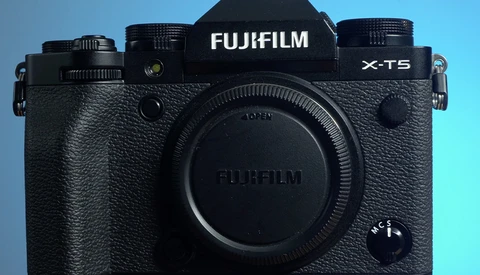
The new Fujifilm X-T5 mirrorless camera offers some of the company's most advanced features and capabilities, all in the popular and beloved X-T style body. This excellent video review takes a look at the camera and the sort of performance and image quality you can expect from it in usage.

Fujifilm X-T5 and X-H2 were major steps forward for the company, offering a brand new high-resolution sensor in tandem with a range of advanced features that help them compete with a variety of full frame cameras. This excellent video review takes a look at the X-T5 and how it compares with the Sony a7 IV and Canon EOS R6 Mark II.

Viltrox has established themselves as a manufacturer of lenses priced at extremely competitive levels, and despite those low costs, many of their options keep pace with much more expensive offerings. Their latest lens, the AF 75mm f/1.2 XF, offers Fujifilm shooters a nice portrait focal length paired with an extremely wide maximum aperture, all at a very affordable price.

Fujifilm's GFX series of mirrorless cameras have made medium format more affordable and accessible than ever, but lenses for the GF mount remain fairly expensive. That is why, at $999, the Venus Optics Laowa 19mm f/2.8 Zero-D is a particularly intriguing option, especially when paired with its extra-wide focal length and maximum aperture.
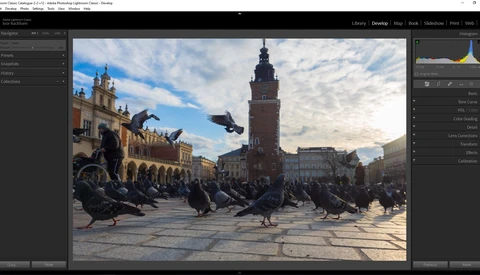
Do different raw programs develop your camera's raw files the same? Do those programs treat various camera brands equally? Testing them side by side, the answer to both those questions is a definite no. Here's how Lightroom Classic stands up.

Canon's L series lenses are legendary, known for rugged construction, reliable performance, and class-leading image quality. With all that comes high prices, however. Nonetheless, the L series has been around for over 30 years, and that means there are some gems from past years that cost a fraction of what the most current models do.
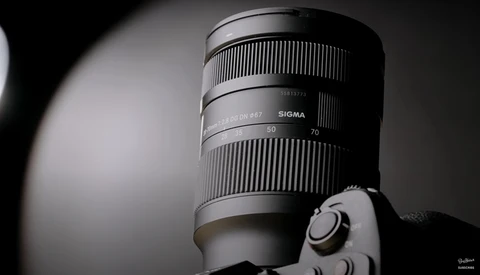
24-70mm f/2.8 lenses are some of the most commonly used options in a variety of genres, as their versatile focal length range and wide maximum aperture make them at home in plenty of different applications. However, such lenses can be quite expensive, sometimes topping $2,000. The Sigma 28-70mm f/2.8 is significantly more affordable.
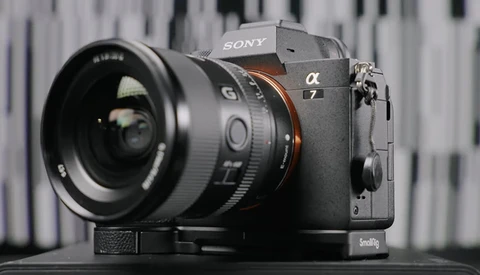
Sony's a7 series has long been respected as some of the most well-balanced cameras available, offering features and capabilities that satisfy the needs of many photographers and filmmakers without more extreme options that often drive prices higher.

I received the brand new Sony a7R V from Sony Netherlands for a review. It was a wonderful opportunity to find out if the autofocus is as good as advertised. Looking at the camera in a critical way makes me wonder: which photographer is the camera intended for?
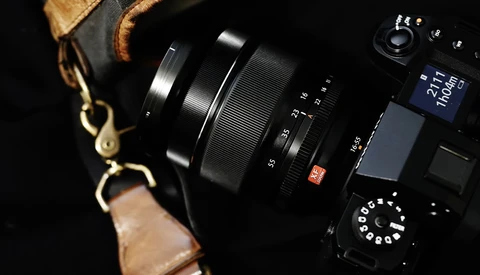
Fujifilm's X-H2 mirrorless camera is one of the most major advancements in the popular and highly regarded X Series, bringing a 40.2-megapixel high-resolution sensor and surrounding it with a variety of new features and upgrades, all enclosed in the company's classic design.
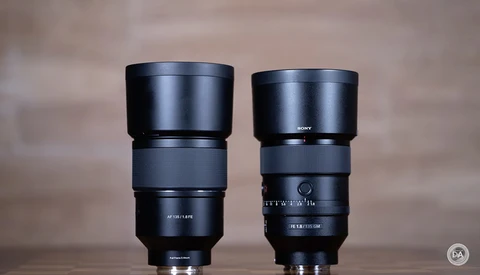
135mm lenses have long been a popular alternative to the classic 85mm focal length for portrait photography, offering a little more flattering telephoto compression and a different perspective that stands out a bit. Sony users have a choice of two standout lenses, the Samyang AF 135mm f/1.8 FE and Sony FE 135mm f/1.8 GM, both of which offer highly competitive performance.

Venus Optics has gained a reputation for producing unique and interesting lenses that allow photographers to explore the boundaries of their creativity. One of their newest lenses is the Laowa Argus 25mm f/0.95 APS-C APO, which offers a wide variety of APS-C users an ultra-wide aperture in tandem with a versatile and relatively neutral focal length.
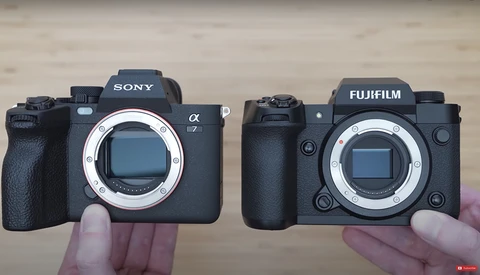
The Sony a7 IV and Fujifilm X-H2 are two of the most well-balanced mirrorless cameras currently on the market at their price point, and as such, they are great bread and butter options for a wide range of photographers and filmmakers.
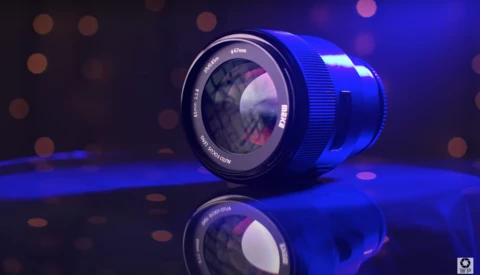
85mm lenses with wide maximum apertures are some of the most prized options out there, where their short telephoto focal length and narrow depth of field capabilities make them ideal options for portrait photographers. However, such lenses can easily run north of $2,000, which is what makes the Meike 85mm f/1.8, which sits at less than $200, so refreshing.
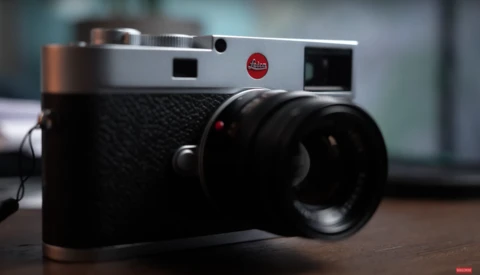
There is probably no camera brand more polarizing than Leica, with some seeing their cameras as overpriced status symbols and others absolutely swearing by the experience and the image output. So, is it worth it? This great video review takes a look at the new Leica M11 to answer that question.
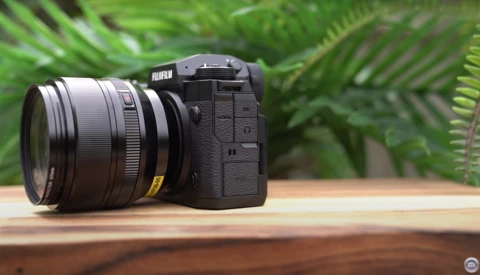
The Fujifilm X-T5 and X-H2 mirrorless cameras are two of the newest and most capable options from the company, offering users a wide array of advanced features and capabilities that make them competent in just about any situation you can throw at them. With a lot of similarities between the two cameras, it might be hard to know which is right for your work.

Canon's RF lenses have received a lot of acclaim for their high performance and image quality and boundary-pushing designs, but with all those things come high price tags. At $299, the RF 16mm f/2.8 STM is a breath of fresh air, and on an APS-C camera, its 26mm equivalent focal length makes it a potentially interesting option for a variety of needs.
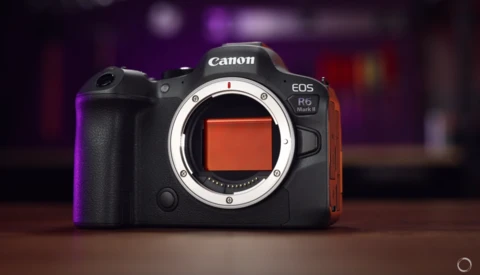
The Canon EOS R6 Mark II offers a lot of the capabilities of the EOS R5 at a lower price, making it appealing for many filmmakers who do not need capabilities like 8K raw output. This excellent video review takes a look at the EOS R6 Mark II for video work and the sort of quality and performance you can expect from it in use.
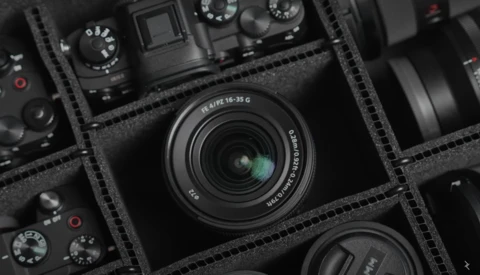
The Sony FE PZ 16-35mm f/4 G lens is a portable and remarkably versatile wide angle zoom lens that is also relatively affordable for a professional-level option. This excellent video review takes a look at the lens and the sort of performance and image quality you can expect from it in usage.

Samyang has established themselves as a creator of very competitively priced lenses that still offer impressive image quality. After a few years of building out their autofocus lineup, portrait photographers now have the choice between the AF 75mm f/1.8 FE and AF 85mm f/1.4 FE II. So, which is right for your work?
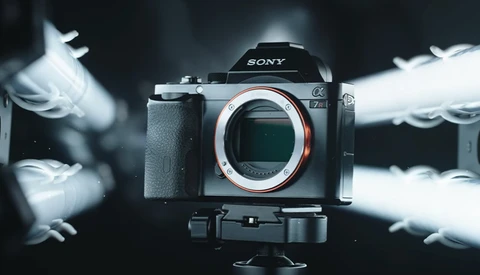
When it first came out in 2013, the Sony a7R was one of the most powerful and impressive mirrorless cameras ever made, particularly at a time when the technology was still fledgling and finding its footing. Now in its fifth generation, the a7R V is widely regarded as one of the most advanced mirrorless cameras on the market. How far has image quality really come, though?
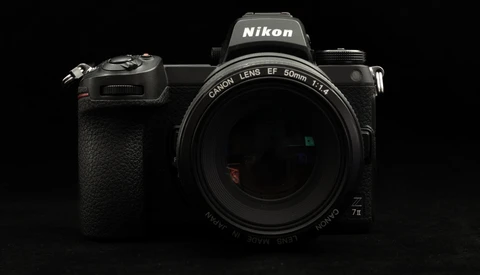
When Techart sent for review the TZM-02 Leica M to Nikon Z autofocus adapter, there was one small problem in that I couldn't source any Leica lenses for the review, only Canon EF. But the great thing about the adapter is that it can be stacked with additional adapters, allowing for versatility for a wide range of lenses, including the Canon EF mount.

Tamron has earned a reputation for producing lenses that make smart compromises to allow them to offer excellent performance and image quality at prices that are significantly more affordable than many first-party lenses. The new 20-40mm f/2.8 Di III VXD is one of their more interesting lenses, offering an unusual focal length range in a small package.

In 2013, Tamron released the SP 150-600mm f/5-6.3 Di VC USD, which became a runaway hit for the company, offering access to extreme focal lengths at a much more affordable price than before. In the decade since, 150-600mm lenses have exploded on the market, with many options available.

Samyang has long had a reputation for producing sharp and highly affordable manual focus lenses, but in recent years, they have expanded into autofocus options while still keeping them at highly competitive prices. One of their most impressive lenses is the AF 135mm f/1.8 FE, which combines a useful portrait focal length with a very wide maximum aperture.

The drone market has matured considerably in recent years, and photographers and filmmakers now have a variety of devices to choose from that fit just about every budget and set of needs. One of the more affordable options is the new DJI Mini 3, which packs a remarkable amount of tech is an extremely portable package.