
Is the Sony FX30 Solid Value for the Money?
Today, I’m taking a look at the new Sony FX30, the latest entrant in Sony’s cinema line.
Fstoppers gear reviews are written by photographers who actually use the equipment — not benchmark testers looking at spec sheets. This section covers cameras, lenses, lighting, accessories, bags, software, and everything else in a working photographer's kit. The goal is always the same: give you an accurate picture of whether something is worth your money before you spend it.
Today, I’m taking a look at the new Sony FX30, the latest entrant in Sony’s cinema line.
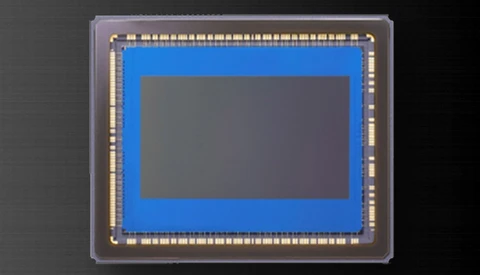
Few things are more hyped in photography than the development of global shutters, which offer a wide range of advantages over more traditional counterparts. The holy grail is a consumer-level full frame global shutter, and thanks to Canon's recent announcement, we are getting closer to that.

The new Fujifilm X-T5 is the latest entry in the company's highly popular X Series line of mirrorless cameras. It brings with it some major steps forward, most notable being a major bump in resolution over the X-T4, which makes it quite appealing for genres like portrait and wedding photography.

With SmallRig’s multitude of tools and support gear, you’d probably have a lot of expectations for their tripod. Let’s see what this carbon fiber travel tripod has to offer.

Wide-aperture 85mm lenses are some of the most popular out there, and both Canon and Sigma make some of the most impressive options out there. If you are looking for a high-quality portrait lens, check out this excellent video comparison of the Canon RF 85mm f/1.2 L USM and Sigma 85mm f/1.4 DG HSM Art.

A couple of days ago, my colleague, Ivor Rackham, had a positive review of Affinity Photo 2. What many people miss is that Affinity Photo is also an excellent astro image-processing tool.
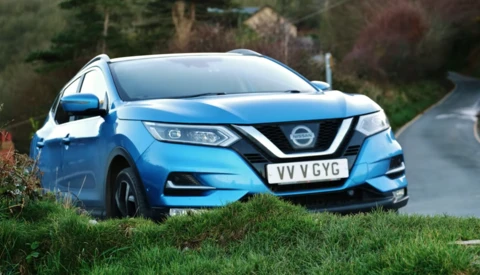
The 70-200mm f/2.8 lens is the workhorse of choice for a huge range of professionals, suitable for portraits, weddings, events, and much more. For Fujifilm shooters, there is the XF 50-140mm f/2.8 R LM OIS WR. This great video review takes a look at the lens and the sort of performance and image quality you can except from it in practice.
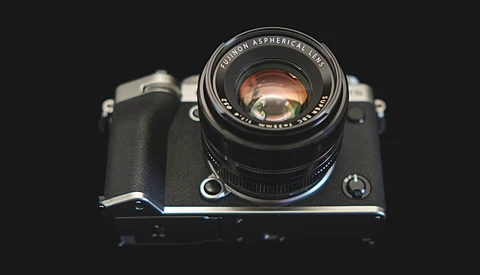
With ever-increasing lens choices from both first-party and third-party manufacturers, how do you know what lens is going to be right for you and your needs? Articles such as this on Fstoppers and YouTube videos all help in your search, but how do you narrow your search to the best lens for your requirements?

35mm lenses with wide apertures are some of the most important and popular options out there, equally at home in a huge range of scenarios, including portraits, weddings, events, astrophotography, and more. Premium 35mm lenses can easily run north of $1,500, which makes the Viltrox 35mm f/1.8 AF a breath of fresh air.

DJI recently released the Mini 3, the latest entry in the company's respected and widely varied line of consumer drones. Despite coming in a remarkably portable package (8.8 oz or 249 g), the Mini 3 still comes with a wide range of modern features and capabilities.

In the last few years, Tamron has reinvented itself to become one of the most exciting companies in the photography industry, offering a wide range of lenses that are both affordable and rather versatile. Perhaps no lens is more emblematic of that than the 20mm f/2.8 Di III OSD M 1:2, which is both quite cheap and able to tackle a wide range of needs.

At first glance, Affinity Photo 2 doesn’t seem that different from the previous software version. However, as you delve more deeply into it, you’ll find a host of valuable improvements since the last release of this versatile photo editor. It’s affordable too.
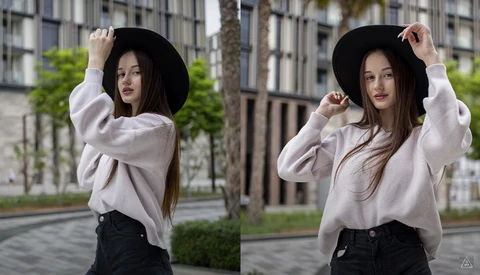
While there are extreme cameras out there that offer things like ultra-high levels of resolution or super-fast burst rates, for the majority of photographers, they are a bit of overkill. Cameras with more moderate specifications and features will satisfy the needs of most of today's photographers, and two of the best options out there are the Canon EOS R6 Mark II and the Sony a7 IV.
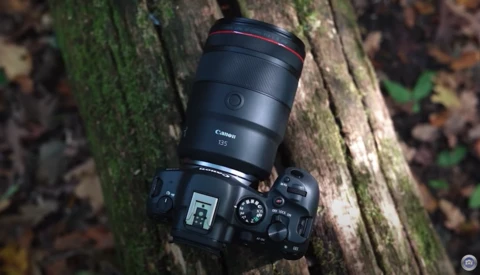
Recently, Canon announced the EOS R6 Mark II mirrorless camera, and alongside it came the RF 135mm f/1.8 L IS USM lens, the update to one of the company's most popular lenses, the EF 135mm f/2L. As such, expectations are high for the new version.

Samyang has long had a reputation for producing manual focus lenses that are sharp and very affordable, and recently, they have started to add autofocus options, making them viable for many more photographers and situations.
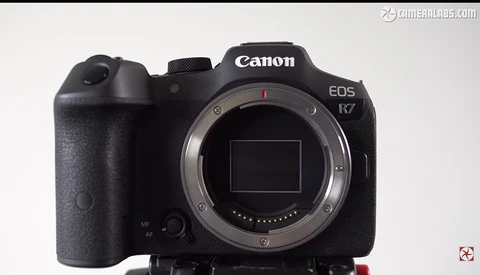
The Canon 7D and 7D Mark II were two of the company's most popular DSLRs, as they offered professionals and advanced amateurs many of the features from higher-level cameras like the 1D series at much more affordable prices.

Fujifilm's GFX line of medium format mirrorless cameras revolutionized the industry by including an array of modern features traditionally reserved for smaller-sensor bodies and putting them all together at extremely competitive prices.

After a year in my bag, it's time for a recap of the first 12 months with the best camera I’ve ever owned.

As a digital artist, being able to easily get your hands on overlays and effects for your images can sometimes be a costly experience and, at times, not provide you with enough scope of selections for your edits. One of the plugins I have in my collection is Infinite Texture, which provides a whole host of editing possibilities, from simple sky replacement to more complex edits.
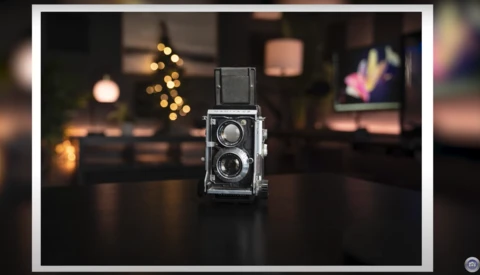
Along with shutter speed and ISO, aperture is one of the fundamental parameters that helps you create balanced exposures and gives you a ton of creative control over the look of your photos.

When it was first released, the Sigma 18-35mm f/1.8 DC HSM Art was one of the most exciting and innovative lenses ever seen, being the only standard zoom with an aperture below f/2. Nonetheless, the lens is almost a decade old now, and in the meantime, sensor resolutions have increased. So, can this famous lens keep up with the demands of a modern camera?

In recent years, Tamron has shown that they intend on creating impressively versatile and often innovative zoom lenses that can take the place of several others in a photographer's bag. One such lens is the 50-400mm f/4.5-6.3 Di III VC VXD, which covers everything from normal to supertelephoto focal lengths.
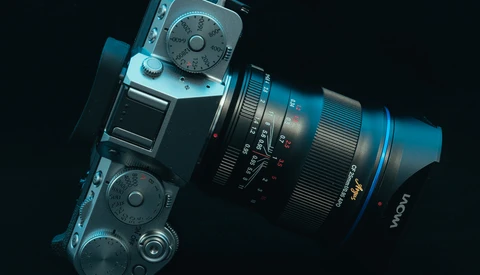
Laowa now has a total of six lenses with an aperture of f/0.95, so how useful is it to have this aperture, and what are the results? As a landscape photographer mainly, this maximum aperture is something I had never really considered, although I do understand the usefulness of such an aperture for different types of photography, especially in low light and video.
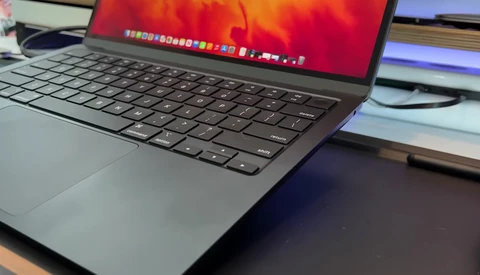
Apple's MacBook Air line features some of the most popular computers in the world, and since the move to the company's own silicon, they have become legitimate tools for creative professionals, able to tackle demanding tasks formerly left for larger and more expensive options.

Nikon has made their way into more specialized mirrorless lenses in recent months, with the NIKKOR Z 800mm f/6.3 VR S being one such option. The 800mm f/6.3 might be one of the most competitively priced lenses in recent memory, and it offers top-shelf sharpness and portability on top of that.

24mm lenses with wide maximum apertures are prized by many creatives for their versatility, as they are at home in a wide range of genres and applications. The Canon RF 24mm f/1.8 Macro IS STM builds on that flexibility by adding macro capabilities and image stabilization to the equation, making it quite the intriguing lens for a lot of users.
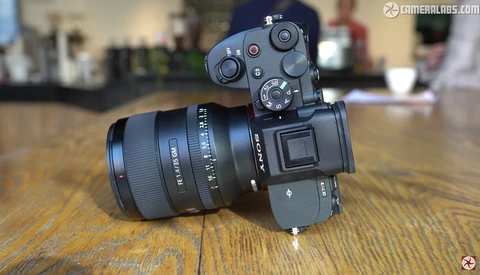
With the highest resolution available in a full frame camera, loads of dynamic range, and a host of other advanced features, the Sony a7R V might be the ultimate 35mm camera for photographers. This excellent video review takes a look at the new camera and the sort of performance and image quality you can expect from it in usage.

TTArtisan has established themselves as a manufacturer of ultra-affordable lenses whose performance is often at a level above that dictated by their prices. Their latest lens, the 35mm f/0.95, offers APS-C shooters an ultra-wide aperture paired with a normal focal length, making it a versatile option.

TTArtisan has established themselves as a manufacturer of often astonishingly affordable lenses that still offer decent or even good image quality, often far outperforming their cost. The 27mm f/2.8 continues that trend by offering Fujifilm X Series users a wide angle lens with autofocus for just $149.

SmallRig has upped its game in the lighting department with four new affordable fixtures to take you filmmaking up a notch.
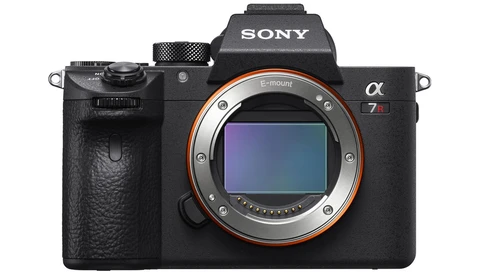
While the latest generation of cameras features some incredibly capable bodies, many photographers and filmmakers simply do not need all that power. Thankfully, the used market has a ton of options to fit just about every budget and set of needs. This great video discusses some of the best deals you can find on used cameras at the moment.

Dell's XPS line has long been respected as some of the best Windows laptops out there, able to tackle many of the most demanding tasks professional creatives can throw at them. The latest model in the series is the XPS 13 Plus 9320, and this great video review takes a look at the laptop and the sort of performance you can expect from it in practice.
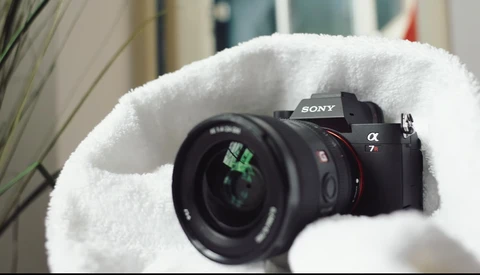
The Sony a7R V is here, and it brings with it some of the most advanced features and upgrades the company has ever put in a camera, making it quite the intriguing option for a wide variety of photographers and filmmakers. This great video takes a look at the new camera and nine features that make it a fantastic choice for a lot of creatives.

Fujifilm revitalized the popularity of medium format with their GFX line of mirrorless cameras, which offer impressive sets of features traditionally not seen in cameras with larger sensors in tandem with highly competitive prices.
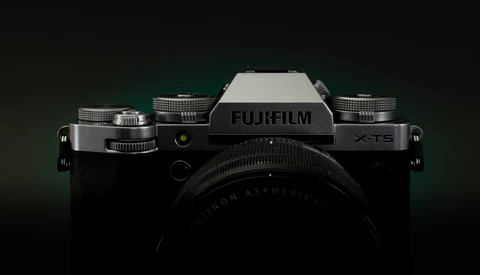
Since the launch of the X-T1 in 2014 Fujifilm have a range of cameras that appealed to both amateur and professional photographers alike. So with its 40MP APS-C sensor and up to 7 stops of IBIS is the new Fujifilm X-T5 the best in the range and should you consider upgrading?
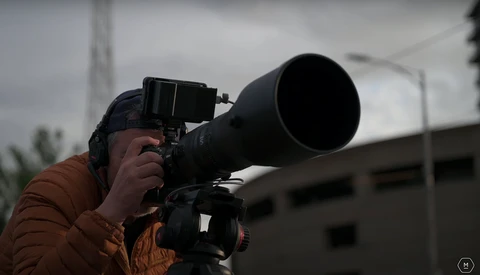
Lenses can run anywhere from under $100 to well over $10,000, and when you enter that very upper echelon of prices, you often get superlative optics that blow the doors off your wildest expectations. One such lens is the Nikon Nikkor Z 600mm f/4 TC VR S, which runs north of $15,000. So, what do you get for that price? This interesting video takes a look.

Topaz Labs, the company behind the wildly popular DeNoise AI, Sharpen AI, and Gigapixel AI, has made a huge change. These apps, once a triad of separate programs to fix your photographs, are now combined into one beefy app that is here to save the day. Meet Topaz Photo AI, your new best post-processing friend. Let me show you how I used it to save my low-light wildlife photographs.

About 10 years ago, Tamron released a 150-600mm f/5-6.3 lens that became wildly popular for offering photographers decent image quality paired with extreme focal lengths, a combination that used to be prohibitively expensive most of the time. Since then, we have seen an explosion of similar lenses, making genres like bird photography far more accessible than they used to be.

35mm lenses with wide apertures are highly popular because they are so versatile, able to tackle everything from weddings to astrophotography and much more. However, a good 35mm lens can easily run you north of $2,000. So, at $799, the Samyang 35mm f/1.4 AF II looks like quite the intriguing option.

Although I've watched videos and read reviews about Topaz products, I had never actually tried them, remaining faithful to my workflow and not venturing farther afield. I do like software and seeing what it can do with my images, but felt safe with what I currently use. So, what could Topaz Photo AI bring to the table that I couldn't already accomplish?

Whether you are shooting landscapes, wildlife, or something else, many photography genres require you to spend a significant amount of times outdoors, sometimes fairly far from civilization. In addition to all your camera gear, there are some tools that can make those treks both easier and safer.
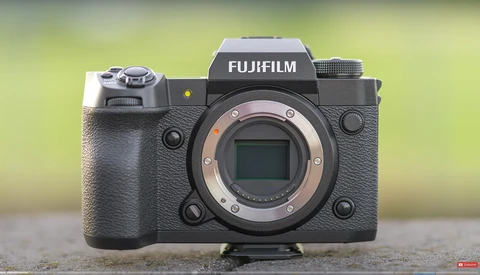
The Fujifilm X-H2 mirrorless camera is a major step forward for the company's highly popular X Series, bringing with it a variety of impressive upgrades and new features, most notable being a 40.2-megapixel high-resolution sensor, all wrapped up in the beloved design the bodies are known for.
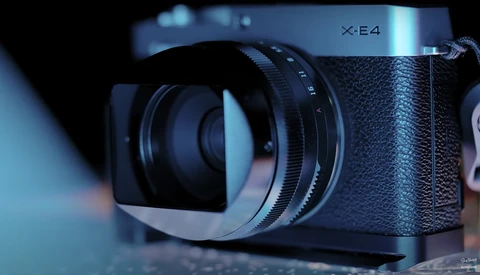
While the prices of lenses from many first-party manufacturers seem to stretch higher and higher, we have also seen an influx of affordable options from third-party makers. Some of these options have been astonishingly low in price while still turning in acceptable to even surprisingly good performance.

I always wanted to sell my photography as fine art but always felt like it would take too much time to do it myself or that the quality of online platforms would be too low. That was until I found a solution that meant very little work for me with no compromises on quality, pricing, or customer support.

Haida has released two filters specially made for the Fujifilm X100 series. There is also a dedicated lens hood available. Do you own a Fujifilm X100 camera? Perhaps these filters are interesting for you.
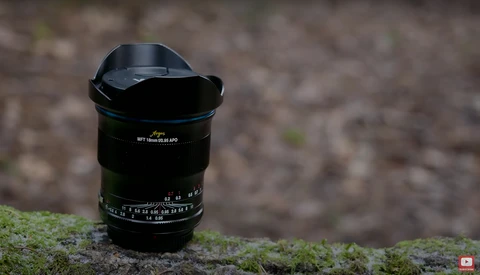
Venus Optics has established themselves as a maker of unique lenses that often push the boundaries of design, and the new Argus 18mm f/0.95 MFT APO continues that trends by offering Micro Four Thirds photographers a versatile focal length paired with an extremely wide maximum aperture.
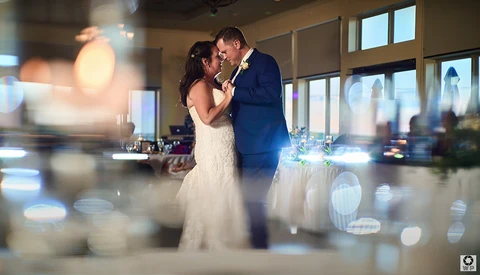
50mm lenses can cost anywhere from under $100 to well over $2,000, with options at just about every level in between. At the very lowest end of the spectrum sits the TTArtisan 50mm f/2, which retails for just $69. Can it produce worthwhile images at such a low price? This great video review takes a look to answer that question.

Canon's 7D line of APS-C DSLRs were very popular during their time, offering many features and capabilities from high-level professional cameras in much more affordable bodies. The EOS R7 has continued that in the mirrorless age, and in the meantime, it has also brought with it a wide range of new features and upgrades that make it appealing for a lot of creatives.
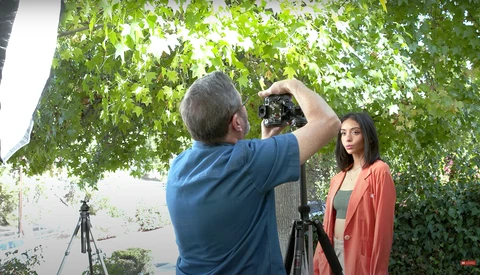
There is certainly no shortage of powerful and capable mirrorless cameras available today, and as such, it can be a little difficult to know which one is right for you. Three of the most well-balanced and reasonably priced options are the Sony a7 IV, Canon EOS R6, and Fujifilm X-H2, and this excellent video review compares the three to help you pick the best one.

Over the past two years, I've been trying to replace my Induro CT-114 tripod. Looking through countless offerings of various brands, I learned that finding a tripod that fulfilled all my requirements and didn't cost a fortune wouldn't be easy. As Leofoto released their LQ-365C, I thought I had finally found the perfect tripod.