Why Old Photos Feel Different (And It Isn't Just Film)
Look back at a street photo from 1955, then look at one shot this morning. The old one carries something the new one can't quite reach, and it isn't that the photographer was talented.
Look back at a street photo from 1955, then look at one shot this morning. The old one carries something the new one can't quite reach, and it isn't that the photographer was talented.

Tina Sokolovska is a newly appointed Nikon Ambassador, as well as an American-Ukrainian photographer, creative director, and educator based in New York. Her 2017 breakout image, "On the Wave," was noted by 35photo.pro as one of the Top 100 Best Photographs in the World, and has been reposted on social media more than two million times. Here she talks about personal connection, working fast, and not obsessing about reposts (even when you get more than two million).
Ask around and you will get a confident answer: bigger pixels are better. They gather more light, so they produce cleaner images with less noise, which is why the low-megapixel low-light specialist supposedly beats the high-resolution body when the sun goes down. It is one of the most repeated ideas in photography, and it is mostly wrong. Not entirely wrong, which is what makes it stubborn, but wrong in the specific way it is usually meant.
One of the greatest surprises photography has given me has almost never arrived while I was out walking with a camera. It has arrived afterward, sometimes the same evening, sometimes months later, when I have found myself looking at a photograph I believed I already understood and suddenly noticed something that had escaped me completely while I was making it.
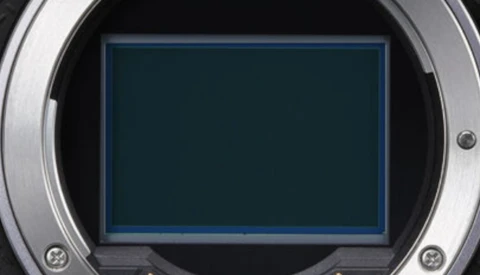
Almost every consumer camera you have ever bought came with a spec sheet, and that spec sheet left out the one number that most directly describes how good the sensor is at its actual job: catching light and turning it into signal. It told you the megapixel count, the ISO range, the frame rate, the buffer depth, the number of autofocus points. It did not tell you the sensor's quantum efficiency, and Canon, Nikon, Sony, Fujifilm, and the rest of the consumer camera business have quietly settled into never printing it.
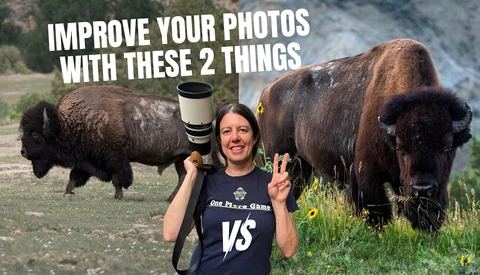
You come home from a shoot with hundreds of frames of a great subject and every one of them feels flat. The fix usually comes down to two things you can control on location, and neither requires new gear.
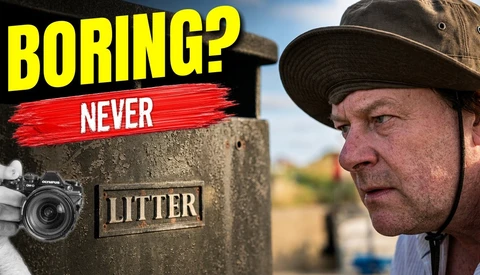
A litter bin by the beach with the front panel missing became a compelling black-and-white image, and the whole thing took a change of approach rather than a change of location. The idea runs through the entire session: the most mundane object can hold your attention if you photograph it the right way.
Most photographers reach a point where making technically better pictures no longer changes much. The camera works, your technique is solid, and the world starts to look familiar. One way out has little to do with photography. Time spent with modern painting changes what you notice before you press the shutter by exposing decisions the camera normally makes for you without asking.
Brandon Woelfel, a New York-based portrait photographer and newly appointed Nikon ambassador, became known through constant experimentation with lo-fi props and effects posted daily on social media. His consistent behind-the-scenes posts amassed two million followers on Instagram and a reputation for dreamy, otherworldly images. Here he dishes on what he wishes he'd done differently, team building, and on letting embarrassment hold you back.

You can push a photograph a long way before anyone notices. Shift the color of a jacket, a wall, a car, a plate of food, and most viewers will never flinch, because they have no fixed idea of what those things are supposed to look like. Three colors do not get that latitude. Move skin, sky, or foliage even slightly off, and the image reads as wrong immediately, often to people who cannot say why. Those three are the memory colors that matter most for photographic naturalness, and they are the reason a technically clean edit can still look broken.

Teleconverters split photographers into two camps: people who swear by them and people who say they wreck image quality, slow autofocus, and belong in a drawer. Both camps are right, and which one you land in comes down entirely to how you shoot.
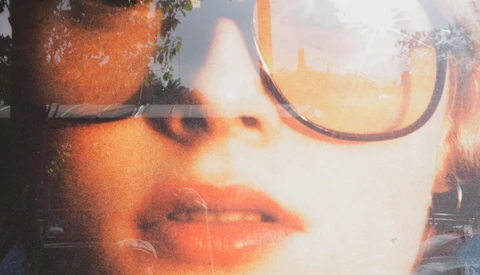
First there was the word, from a creative point of view, but in terms of reasoning, first there was light. Image and content travel within it. If light travels faster than sound, its content is also received much earlier. If, before speaking, we communicate through sight, we must restructure the way we learn.

Show the same portrait to two working photographers and you can walk away with two opposite verdicts, one calling it strong and the other pulling it apart. Learning to read those reactions, and figuring out which ones are worth your attention, changes how quickly you grow.
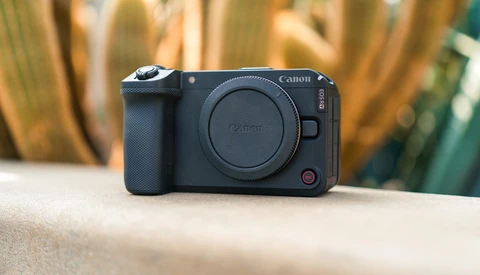
When three cameras are on the chopping block and only one gets to stay, the choice reveals a lot about how you actually shoot. The Canon R6V, up against the C50, the C80, and the R6 Mark III, ended up winning that fight for reasons that have less to do with specs on paper and more to do with what a camera lets you do in the field.
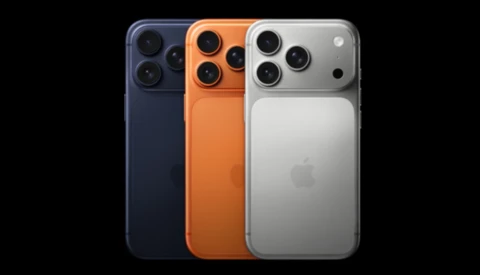
For years the honest answer to "is the phone camera good enough?" came with an asterisk. Good enough in nice light. Good enough if you did not zoom. Good enough until the sun went down. I have carried an iPhone 17 Pro Max since launch weekend, and after nine months of pointing it at nearly every situation I run into, the asterisk is mostly gone. This is the first iPhone where the answer to "can it handle that?" was just yes, across reach, dark, wide, close, and the kind of dramatic sky I cannot stop photographing.
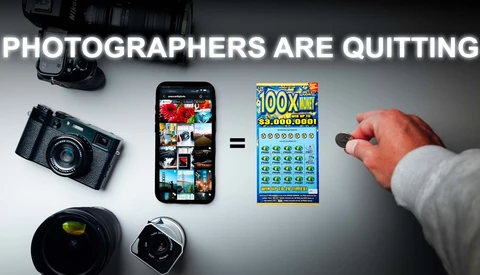
More and more photographers are slowing down on social media, and a growing number are quitting it outright. The shift traces back to a single change in how these platforms decide what gets seen, and it affects anyone trying to build an audience around their work.
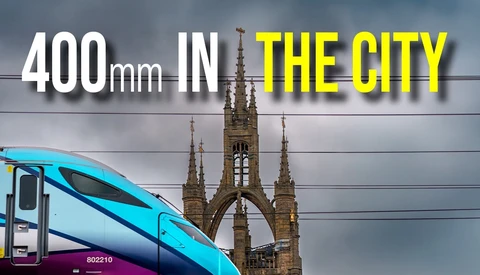
Most people reach for a wide angle the moment they step into a city center, cramming as much of the skyline into the frame as they can. A long telephoto flips that instinct, letting you pull out single details and stack layers of a city in ways a 24mm never could.
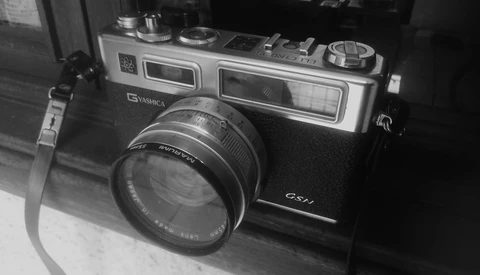
There's a camera on my shelf that changed how I look at the world: a Yashica Electro 35 GSN. Heavy. Honest. A rangefinder that asked nothing of me except to slow down and pay attention. The 45mm lens acts as a "normal" or standard field of view on the camera's 35mm full frame format, allowing you to make everything from street photography to portraits. That camera is part of why I photograph the way I do today. The company that made it doesn't exist anymore.
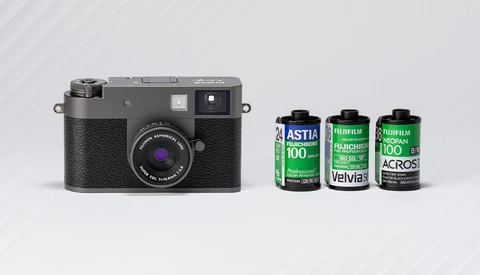
The Fujifilm X half is a machine for time travel, and the destination is roughly 1997. It takes the experience of a cheap, cheerful point-and-shoot film camera, the kind you took on school trips and to parties and then left in a drawer, and rebuilds the whole thing in digital form: the vertical half-frame photos, the wind-on lever, the roll you have to finish before you can see anything, even the little date stamp burned into the corner. It is not trying to make better pictures than your phone. It is trying to make taking pictures fun again, the specific analog kind of fun a lot of us have not felt since we were kids, and against my expectations, it absolutely succeeds.

A window and a dark room are enough to shoot a portrait good enough for the New York Times. No strobes, no modifiers, no expensive gear, just daylight and a few decisions you learn to make on purpose.
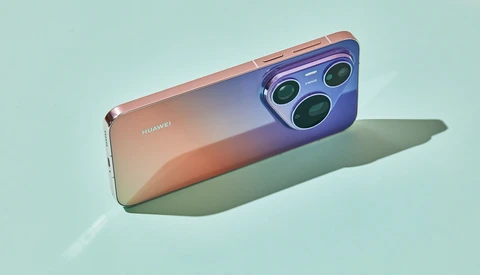
Huawei's smartphone imaging innovation has come a long way since the introduction of XMage color science four years ago. The Pura series, previously known as the P series, has held its title as a photography flagship for even longer, consistently packing in all the greatest imaging technology. This year is no different with the introduction of the Pura 90s Pro Max. Huawei combines its latest True-to-Color 2.0 sensor with an industry-leading, ultra-large-sensor telephoto camera, pushing the imaging envelope to new heights, offering even more flexibility for users to express themselves through their unique perspective.
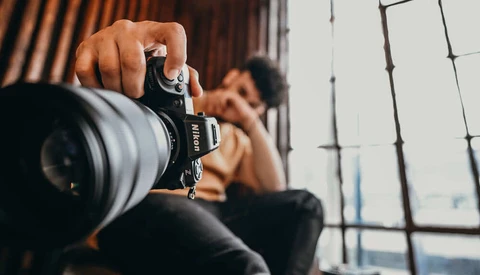
Buying your first interchangeable-lens camera is a harder decision than it should be, because the marketing pushes you toward the wrong questions. It wants you comparing megapixels and burst rates between bodies. Those numbers barely matter for a beginner. What matters is the decision underneath them, which brand's system you are joining, because that choice binds you to a family of lenses and accessories that will outlast the body many times over. Get the system right and almost any current camera in it will serve you well. Get it wrong and you will feel the walls close in the moment you want your second lens. This guide walks through the decisions that actually determine whether you end up with a camera you grow into or one you fight.
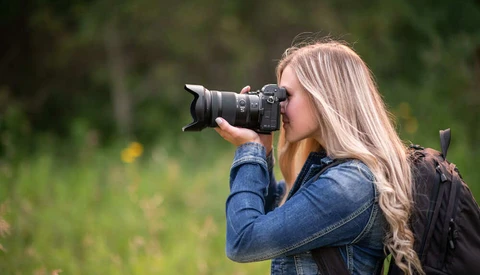
Somewhere in the path from enthusiast to professional, most photographers absorb a belief they were never quite taught directly: that going pro means owning the holy trinity. A fast wide zoom, a 24-70mm f/2.8, and a 70-200mm f/2.8, all at that magic constant aperture, bought as a set, treated as the cost of admission. The gear becomes a credential. You are not a real professional until the trinity is in the bag.
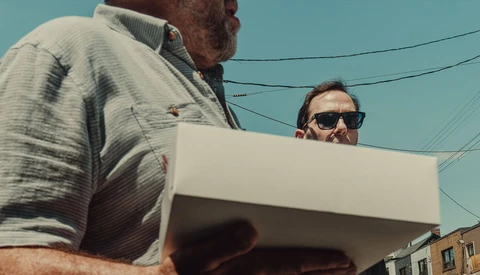
I love street photography; it’s fun. Everyone can do it because you don’t need to spend a lot of money to travel to far-off destinations. If there are no big cities nearby, no worries, we can do it in our local towns. Perfect!
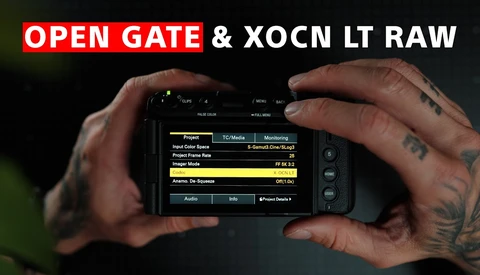
Sony's new FX5 records 16-bit XOCN raw internally, a codec that until now lived only in the Burano, Venice, and Venice 2. Squeezing that into a compact cinema body reshapes what you can expect from a camera you can hand-hold on a sidewalk.