





10 Harsh Photography Truths That Will Change How You Approach Your Work
You wait for a break. You post your best shots. You assume progress will stack neatly, one win on top of another. That belief keeps you comfortable and quietly stuck.
You wait for a break. You post your best shots. You assume progress will stack neatly, one win on top of another. That belief keeps you comfortable and quietly stuck.
The entry-level camera market has withered. Companies that once competed fiercely for first-time buyers have largely abandoned the sub-$1,000 segment, preferring to chase higher margins on enthusiast and professional equipment. But slim pickings isn't zero pickings.
Running a wedding photography business with perfectionist habits and ADHD tendencies can wreck your focus fast. If you struggle to finish edits, send invoices, or stick to one task, this will feel familiar.
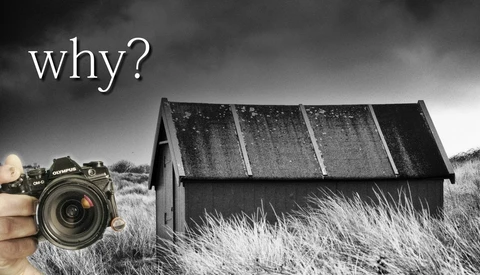
Places like Bamburgh Castle and coastal landmarks like it get photographed thousands of times a year, usually from the same spot with the same treatment. If you keep shooting the obvious angle, your work blends into that pile whether you mean it to or not.

Sharpening often breaks an image in quiet ways. Edges buzz, noise creeps in, and soft areas start fighting for attention when they should stay calm.
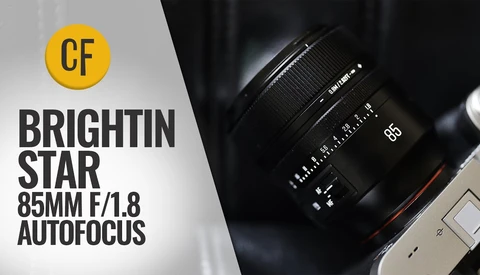
An 85mm f/1.8 lens is a staple for portraits, and the Brightin Star 85mm f/1.8 autofocus enters the Sony E and Nikon Z market at a price that undercuts most rivals. When a full frame autofocus lens costs around $300, you need to know exactly what you’re giving up and what you’re not.
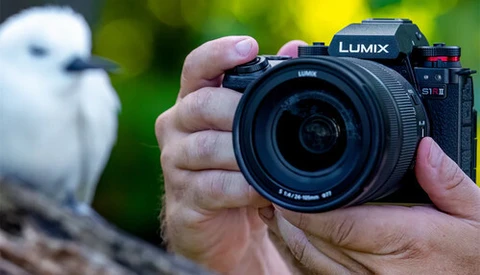
On paper, the L-Mount Alliance has never been healthier. Ten members. Over 120 lenses. More than 20 camera bodies. Sigma shipped nine new lenses and an alien-looking unibody camera in 2025. Panasonic finally buried its autofocus reputation with the Lumix S1R II and Lumix S1 II. Leica celebrated its centennial. Viltrox joined as the tenth member and already delivered its first native L-mount autofocus lens. By the numbers, this is an ecosystem that should be thriving.
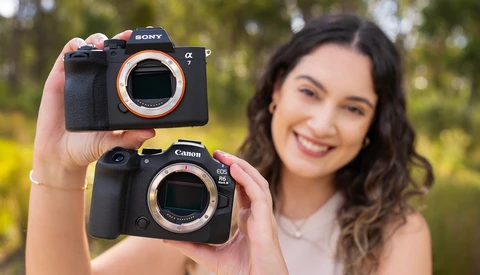
Choosing between the Canon EOS R6 Mark III and the Sony a7 V is not about brand loyalty. It is about how each one handles real shooting pressure, from fast bursts to long video takes in 90° heat.

Sharp focus and perfect exposure are not enough. If bird photos feel flat, the problem is not settings, it is storytelling.
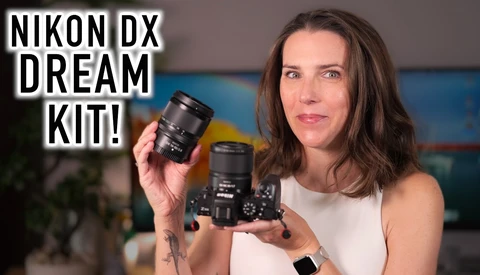
Nikon’s APS-C Z system has felt incomplete for years, especially if you have been holding onto a D500 and waiting for a serious mirrorless alternative. The release of the Nikon Z DX 16-50mm f/2.8 VR and Nikon Z DX 35mm f/1.7 shifts that conversation in a real way.
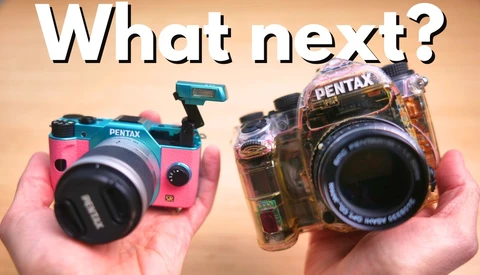
Pentax has not released a new digital camera in three years, and its last full frame DSLR is eight years old. If you still shoot Pentax, or you’re thinking about it, that gap should get your attention.

The rules governing who owns a photograph, who can train an AI on it, and where you can fly a drone to capture it are all being rewritten simultaneously. Across courtrooms, five separate legal confrontations are converging on a question that matters to every working photographer: in an age of generative AI and autonomous aircraft, who actually controls the value of an image?

Natural light portraits often look simple, yet small shifts in position can completely change the result. If you rely on available light, knowing how to shape it without reflectors or flash gives you more control in any location.
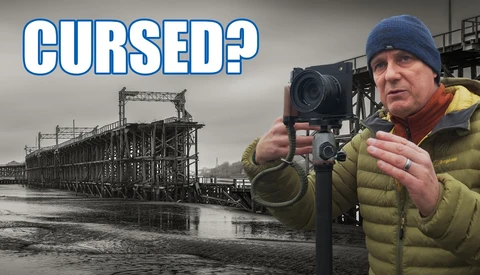
The Fujifilm GFX100RF pairs a 100-megapixel medium format sensor with a fixed 35mm f/4 lens, and that single design choice shapes everything. If you care about detail, portability, and focal length discipline, this camera forces decisions that may sharpen your work or frustrate it.
Not carrying a dedicated camera around? Here's why you should.
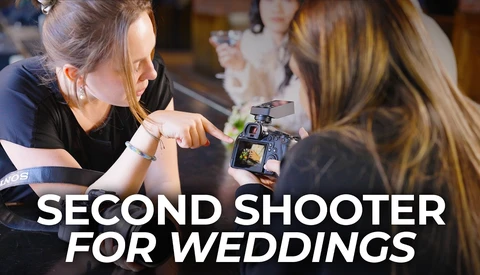
Second shooting weddings puts you in the middle of real moments without carrying the full weight of the day. It’s one of the fastest ways to sharpen instincts, expand a portfolio, and get paid while learning on the job.

Photography is an exercise in managing variables. Some of those variables bend to your will, and some of them laugh at your attempts to impose order. The sooner you learn to tell the difference, the sooner you stop wasting energy on the wrong problems.
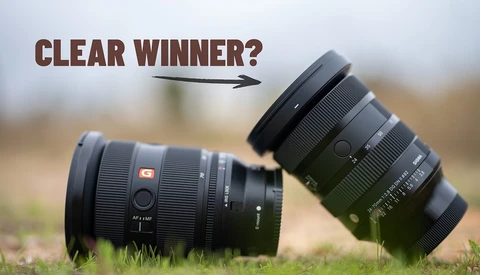
Choosing between the Sony 24-70 GM II and the Sigma 24-70mm f/2.8 usually means you already lean one way and want proof you’re not making a mistake. Price, performance, and long-term ownership all pull in different directions, and this lens range often lives on your camera full-time.

When a client says you’re “out of budget” or disappears after seeing your rates, the instinct is to adjust the numbers. That move usually solves the wrong problem.
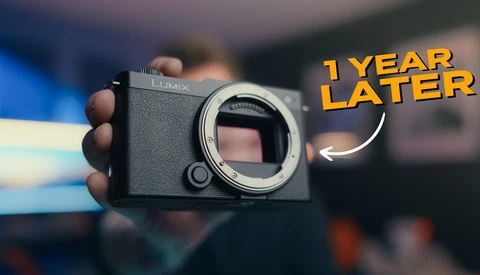
The Panasonic Lumix S9 has been out long enough to see past the launch noise and judge it on real use. If image quality and price both matter, this camera deserves a closer look.
Starting in photography feels harder than it should. You’re told to buy more gear, follow trends, chase presets, and somehow build a style at the same time. Here's how to make it easier.

Photography forums, YouTube comment sections, and gear review threads would have you believe that the path to better images runs through spec sheets and brand allegiances. Spend enough time in these spaces and you might start to think that your sensor size is holding you back, or that real photographers only shoot in manual mode, or that your follower count reflects the quality of your work. None of this is true, but it takes time and experience to see through it.

Every photographer has a collection of images that almost worked. The composition was there, the moment was right, but something about the light fell flat, or the exposure didn't quite capture what your eyes saw in person. We also tend to accumulate old family photographs in shoeboxes and drawers, images yellowed by time and marked by creases from decades of handling. These are the kinds of problems that used to require either significant manual work in Photoshop or simply acceptance that some photos couldn't be saved. Skylum's recent updates to Luminar Neo take direct aim at both challenges, and I've spent the past few weeks putting their newest tools through their paces with my own work.

Carrying a small camera to a place like Malibu sounds casual, but it exposes how you shoot when nothing else gets in the way. The choices you make in the field usually echo later when deciding what images deserve space on your website.
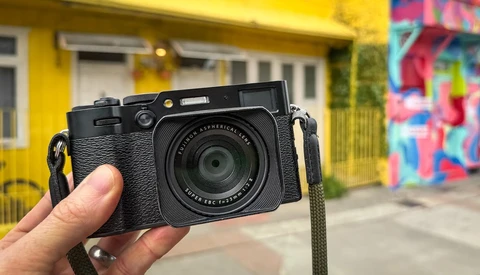
Travel photography can leave you frustrated even when the images are sharp and well exposed. You come home with full hard drives and a quiet sense that none of it really landed.
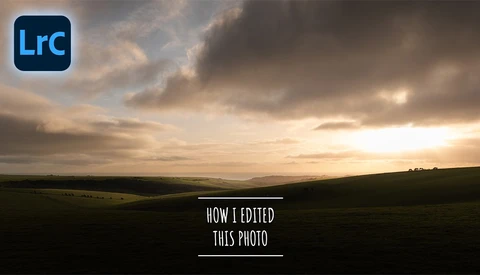
Shooting a landscape with only a 14mm lens can leave you stuck with too much foreground and not enough subject. When the light is right but the lens is wrong, the choices you make in editing decide whether the photo survives at all.
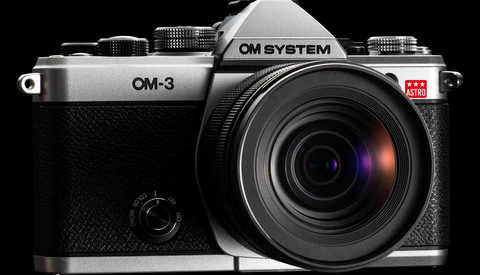
OM Digital Solutions has announced the OM SYSTEM OM-3 ASTRO, a dedicated astrophotography version of the OM SYSTEM OM-3 built to better capture red emission nebulae. The company says the camera is compliant with the Micro Four Thirds System standard and will be sold on a made-to-order basis, with availability planned for March 2026.

Every photographer makes decisions about file formats constantly, yet most of us operate on habit, hearsay, or whatever our camera defaulted to when we first pulled it out of the box. The problem is that choosing the wrong format at the wrong stage of your workflow can quietly destroy your editing flexibility, balloon your storage needs, break compatibility with clients and labs, or degrade your images in ways you won't notice until it's too late. This guide breaks down what each major format actually does under the hood, what it preserves, what it throws away, and when you should reach for each one across capture, editing, delivery, and long-term archiving.

Photoshop’s generative credits determine how freely you can use newer AI tools, and most people don’t know where to see their balance. That uncertainty turns routine edits into guesswork, especially when premium models are involved.

The instax mini Link+ is a small shift in how you move from a screen to a physical print, and it’s aimed at the moments when a phone image feels too disposable. If you care about handing someone a real Instax Mini print at an event, or building a wall of tiny proof prints from a shoot, the tradeoffs in this printer are worth knowing before you buy.
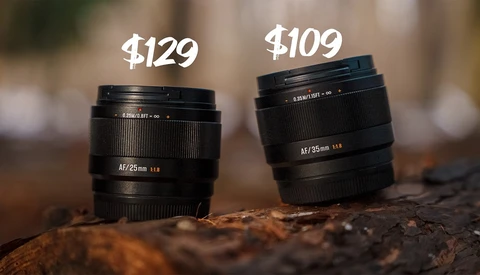
Choosing between 25mm and 35mm on APS-C sounds simple until you see how differently they shape a scene, especially with fast apertures. These two focal lengths control how much environment you show, how close you feel to the subject, and how hard the background falls away.
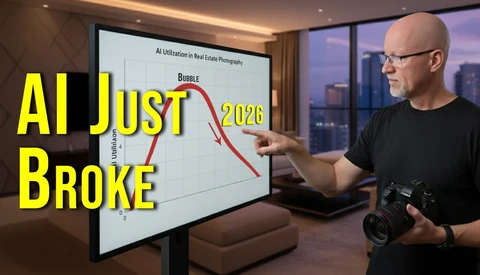
AI in photo editing went from thrilling to unsettling to flat in a short window. If editing speed, legal risk, and long-term control over your work matter, this shift affects how much you can trust the tools you use every day.
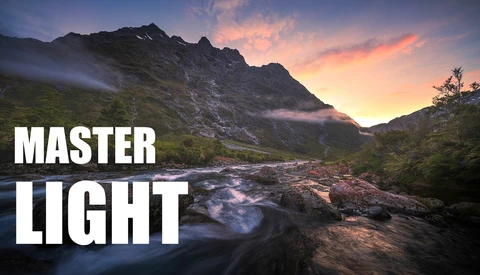
Big landscape scenes fall apart fast if the foreground, light, and framing are not controlled together. When you’re working near water and mountains at sunrise, small choices decide whether the scene feels intentional or scattered.
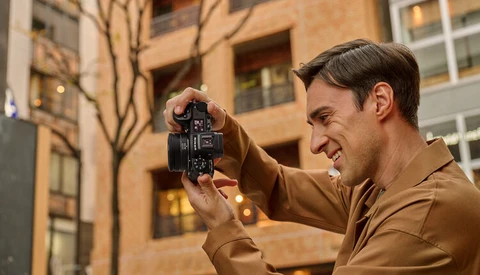
There's a particular joy in slinging a mirrorless camera over your shoulder and realizing it barely tugs at the strap. That feeling multiplies when you glance down and see the lens sitting almost flush with the body, transforming what should be a serious photographic tool into something that looks more like an oversized point-and-shoot. Welcome to the world of pancake lenses, where compactness isn't a compromise but a deliberate design philosophy.
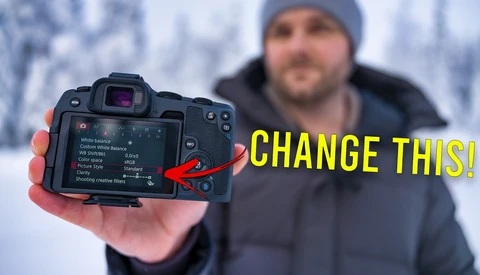
Canon cameras ship with defaults that look fine but quietly work against you in real shooting. Change a few early settings and you get more honest exposure previews, cleaner files, and fewer missed shots without buying anything new.