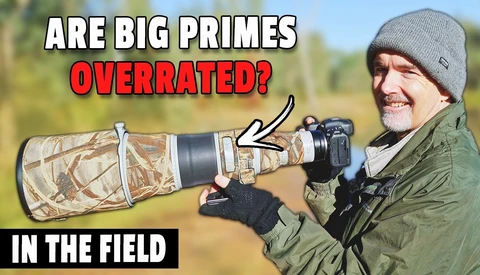
The Real Reason Wildlife Shooters Switch From Primes to Zooms
Shooting wildlife with a 500mm prime is a commitment. The reach, the image quality, the background compression — nothing quite replicates it, but there are real trade-offs that push even experienced wildlife shooters toward zoom lenses over time.
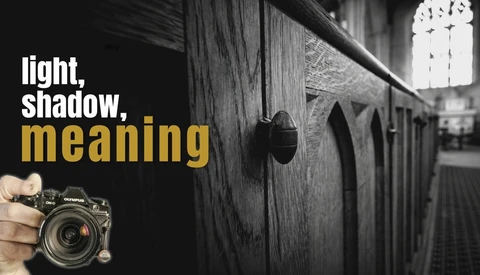
Photographs About Things, Not of Things: A Church Shoot That Makes the Case
Shooting inside a historic church with nothing but available light sounds romantic until the sun moves and you're left in the dark. That's where Andrew Banner's video on shooting Wiggenhall Church in Norfolk gets genuinely useful.
Latest Gear Reviews


Active Contests

3
168
Submit Your Best Long Exposure Shots
Welcome to the June Critique the Community! For this contest/critique, we are doing another abstract theme that should allow more photographers to enter. For this month we want to see your best photograph that feature "Motion Blur".

How a Longer Focal Length Cuts Through a Chaotic City Background
Shooting street fashion in a busy city location is a real compositional challenge. The background competes with the subject, the light shifts constantly, and the difference between a clean frame and a cluttered one often comes down to one or two decisions made on the fly.
Fstoppers Exclusives






There Are Now Cameras in Earbuds. Photographers Should Be Thinking About What That Means.
Researchers at the University of Washington have embedded rice-grain-sized cameras into a pair of off-the-shelf Sony WF-1000XM3 wireless earbuds. The prototype, called VueBuds, captures low-resolution black-and-white images, transmits them over Bluetooth to a phone, and processes them through an on-device vision language model that can answer questions about whatever the wearer is looking at.
The Camera Market Is Shrinking. But That’s Not the Story.
Every few months the same narrative comes back: "The camera industry is dying." It sounds clean, dramatic, and easy to share. But the camera industry isn't really dying. It already lost 90% of its market and learned how to call it "stability."
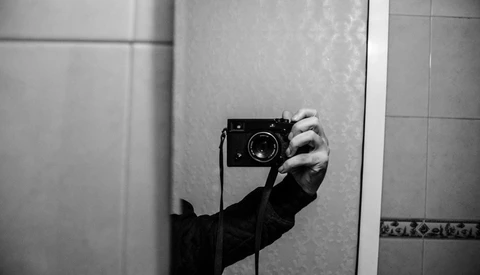
Photography Is Not About Photography
Photography, despite what the internet has spent the last fifteen years trying to convince you, is not about photography. It is about life. Photography is simply what happens when life collides with awareness. The camera is not the source. It is the witness.
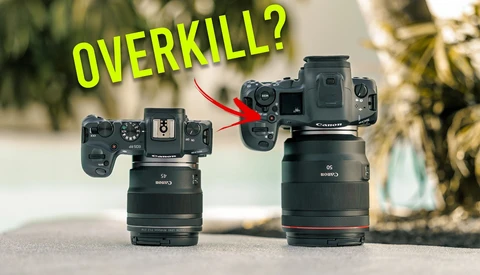
The $6,000 Canon Portrait Setup vs. the $1,000 One: Here's What the Images Actually Look Like
Picking the right portrait kit gets expensive fast, and the gap between a budget Canon setup and a professional one can easily run into thousands of dollars. James Reader tested two real-world rigs against each other to find out whether that price difference shows up in actual portraits.
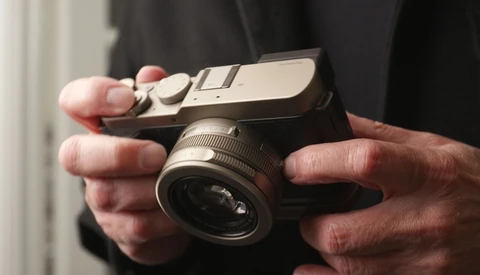
The Panasonic Lumix L10 Might Be the Perfect Journal Camera
Picking a camera that's always with you is harder than it sounds, and most people get it wrong by chasing specs instead of asking what the camera is actually for. The concept of a "journal camera" reframes that question entirely, and it's one of the more useful ideas you'll encounter if you're trying to figure out which second camera actually makes sense.
How to Build a Photography Career When You Have Almost No Money
Photography gear costs more than most people can comfortably absorb right now, and the pressure to upgrade constantly is real. Knowing where to actually spend your money and time makes a meaningful difference in how far you get.
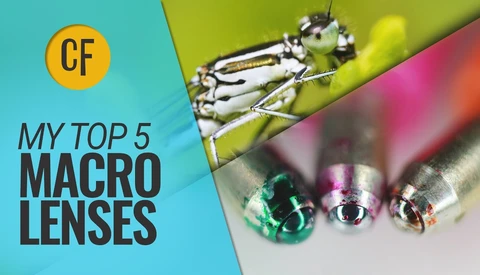
The 5 Best Macro Lenses You Can Buy Right Now, According to One Photographer Who's Tested Them All
Macro lenses sit in a strange corner of the gear market: specialized enough that many skip them entirely, but capable of images that are hard to get any other way. The surge in macro photography during the COVID-19 lockdowns pushed manufacturers to release more options, and the category is now more crowded and more interesting than it's ever been.
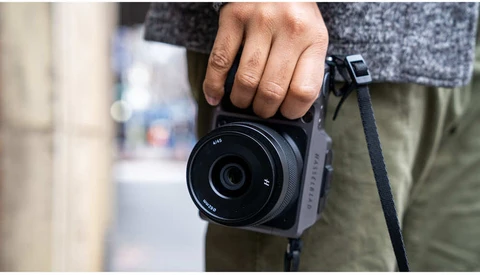
Every Camera System's Best-Kept-Secret Lens
Every lens catalog has a flagship tier. These are the lenses that dominate reviews, anchor marketing campaigns, and justify the system's reputation: the Canon RF 24-70mm f/2.8 L, the Sony FE 70-200mm f/2.8 GM II, the Nikon Z 50mm f/1.2 S. They deserve the attention. They are genuinely excellent. And they are not the lenses that most photographers would benefit from buying next.
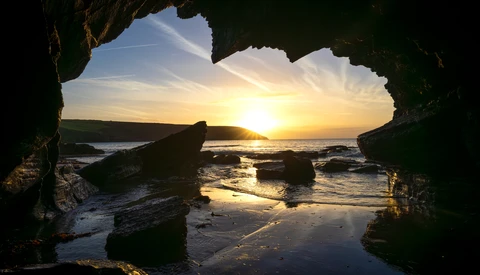
No Ego in Photography: Why Shooting for Yourself Changed Everything for Me
The longer I spend around photography, the more I realize how easy it is to quietly lose sight of why we started taking photographs in the first place.
It rarely happens all at once. Usually it happens gradually.
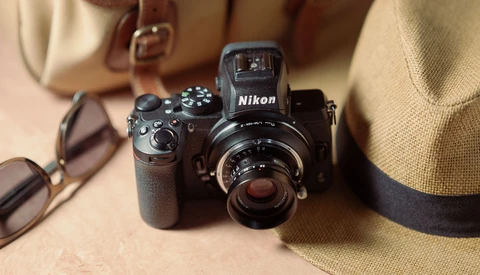
Small APS-C Cameras, Big Results: Travel Photography Kits That Don’t Weigh You Down
I was in Bilbao earlier this year, and a photographer appeared from around a narrow backstreet with a massive backpack and a huge full frame camera and zoom lens hanging from his neck. He carefully took the obviously heavy pack off and placed it on a chair outside a cafe. The relief on his face, to take a break from lugging all that weight around, was telling.
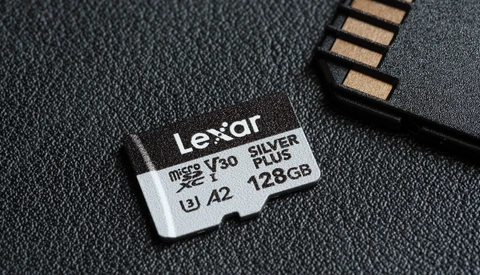
We Review the Lexar Silver Plus MicroSD Memory Card
Let's be honest, buying a memory card is probably the most boring part of picking up new gear. It's not a shiny new lens or a camera with a red badge. But if we're being real, it is arguably the most critical piece of the puzzle. Without a memory card, cameras without built-in memory will not be able to save any data, essentially becoming an overpriced paperweight.
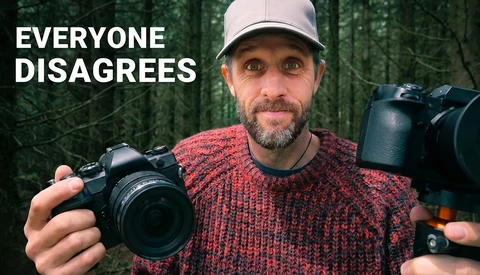
The Biggest Debates in Landscape Photography, Settled (Sort Of)
Landscape photography is full of confident, contradictory advice. Two people can disagree completely on the same topic and both sound completely sure of themselves, which makes it hard to know what to actually believe, especially early on.

16 Years of Shooting Film: What Actually Changed and What Got Worse
Film photography cost less, took longer, and had far fewer options in 2010 than it does today. Els Vanopstal has been shooting film since that year, and the contrast between then and now covers everything from what you pay per roll to how you get your negatives back.
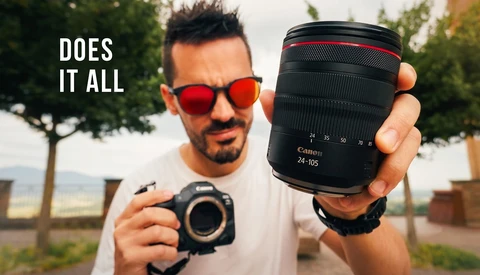
Canon RF 24-105mm f/4L Review: 2,000 Photos Later, Was It Enough?
The Canon RF 24-105mm f/4L IS USM is one of those lenses that tends to get overlooked once you've moved on to faster glass. If you've been shooting with f/2.8 zooms and primes, it's easy to assume the f/4 version isn't worth reaching for anymore.
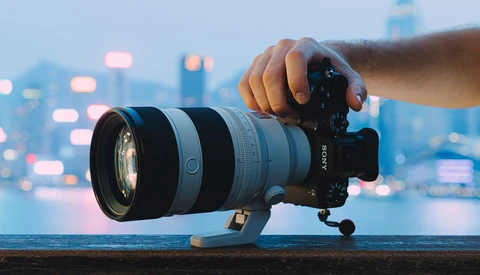
A Towed Car, a Rooftop, and One Shot at a Spiral Driveway
Shooting cars at night in a city like Hong Kong is a different challenge than a controlled studio setup or a daytime location shoot. You're working with mixed artificial light, heavy traffic, unpredictable locations, and gear decisions that have real consequences when you only get one chance at a shot.
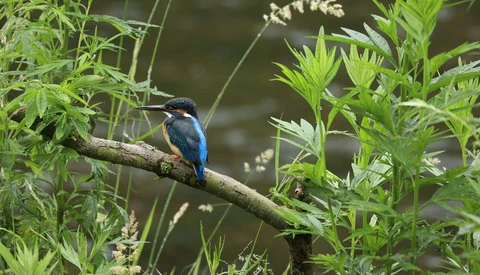
Why Your Next Upgrade Should Be a Lens, Not a Camera
The most common question beginners ask after buying their first camera is some version of "what should I upgrade to next?" The answer they expect is a better camera body. The answer that will actually improve their photographs is almost always a better lens.
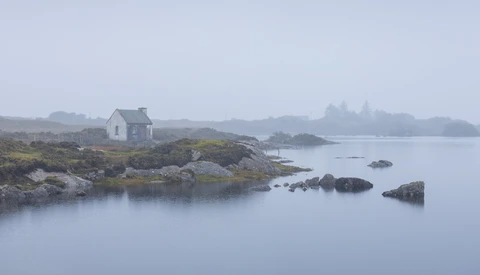
Are You Stuck in a Photography Rut?
There have been plenty of times over the years when I have had to say the same thing to myself.
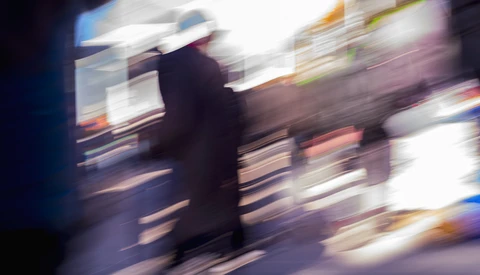
Overestimating the Scene: The Mistake Experienced Photographers Keep Making
Experienced photographers rarely miss the scene. They know what to look for. They arrive with a clear idea, and that is exactly where the error begins. Instead of reading what is in front of them, they start looking for confirmation of what they came for.
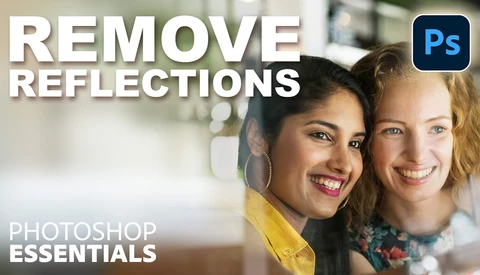
Photoshop 2026's New Reflection Removal Tool: What It Does and Where It Fails
Photoshop 2026 just added automatic reflection removal, and it's the first time the tool has been available in the application. If you shoot through glass, windows, or any reflective surface, this is worth your attention.
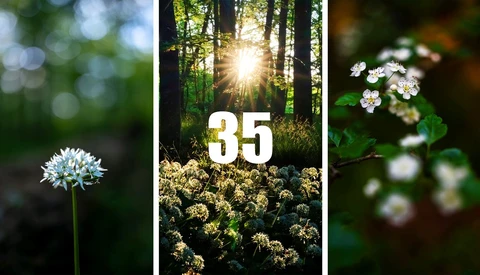
What Happens When You Shoot Landscapes at f/1.2
The Viltrox 35mm f/1.2 is built for portraits and low light, but Mads Peter Iversen took it into the forest for landscape work to see how far it can stretch. That tension between a wide-open prime and a genre that typically demands stopped-down sharpness makes for a genuinely interesting test.
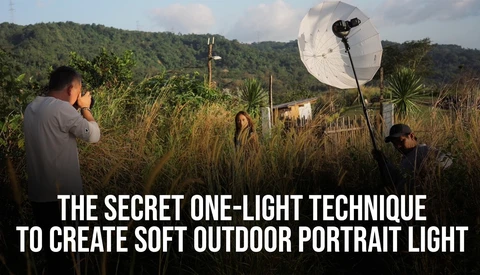
One Speedlight, One Umbrella, and a Lighting Trick That Actually Works
Shooting portraits in bright outdoor light is one of the harder problems to solve with a single speedlight. The sun is usually too strong, your flash can't keep up, and the results look forced. Here's a specific technique that sidesteps all of that, and it's simpler than most people expect.
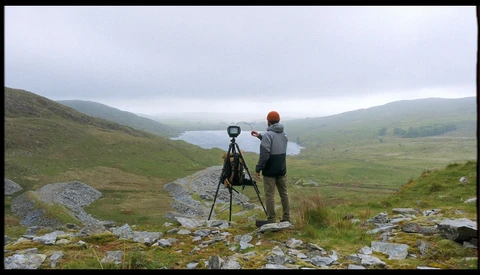
Ilford HP5, a 4x5 Camera, and a Ruined Victorian Quarry in North Wales
Shooting large format film in an abandoned Welsh slate quarry sounds like a niche pursuit, but the images that come out of locations like this are unlike anything a modern digital workflow produces. The combination of 4x5 film, dramatic ruins, and unpredictable natural light creates a specific kind of pressure that forces deliberate, considered photography.