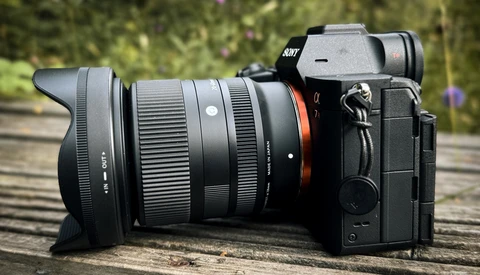
From 20mm to 60mm: I Test Sigma’s New Full Frame Compact All-Rounder

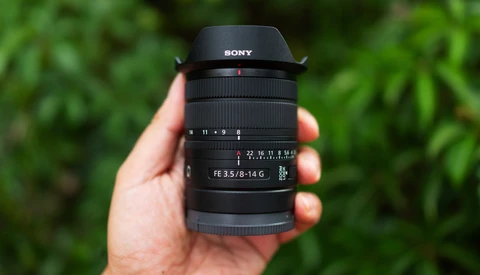
Sigma is adding an interesting new option to its full frame mirrorless standard zoom lineup: a lens that combines a 20mm wide angle starting point with a compact, lightweight design. The idea was to create a versatile zoom that can stay on the camera most of the time, reducing the need to carry multiple lenses or constantly stop to change them.
Active Contests

4 77

We want to see your most unique photo edits

Welcome to the November installment of the Critique the Community! This month's critique theme is going to be "Unique Edit," and we want to see your best photographs that were brought to life with a new or unique editing style or specific editing software.

Three Anchor Points to Kill Aperture Overthinking

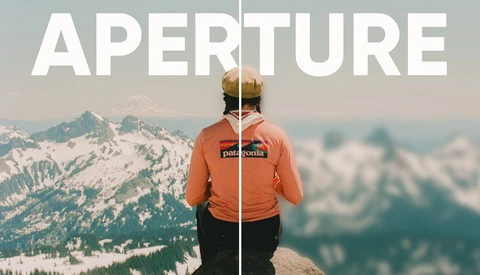
Aperture stalls you in the field because you treat it as a math problem with dozens of correct answers. The same setting looks different across cameras, lenses, and shooting distances, so memorizing what each value produces is a losing bet.


The Cheapest Autofocus 85mm You Can Buy, Tested Against a G Master

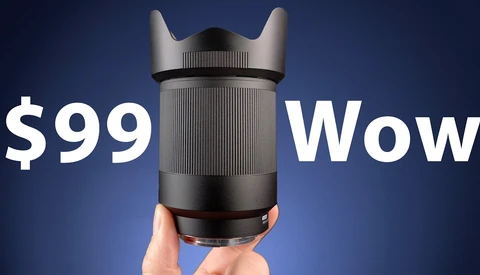
Put two portrait shots side by side, one taken with an $1,800 Sony lens and one taken with a $99 lens, and most people can't call which is which at a glance. That gap between price and image quality is worth understanding before you spend money on your next portrait lens.


The Funnest Drone to Fly, With One Big Image-Quality Catch

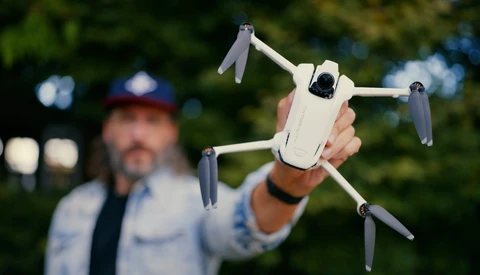
A 360 camera bolted to a 249 g drone changes how you fly, because you stop fighting the camera and the flight path at the same time. That single shift is what makes the Antigravity A1 worth a serious look, and it explains why one creator kept reaching for it long after the video was supposed to be finished.


Creating a Mobile Photography Studio Across America

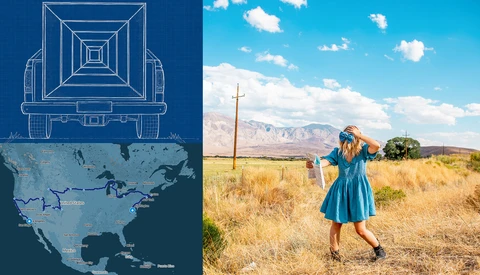
This September, we are turning our Toyota Tacoma into a mobile photography studio, building a custom set into the truck bed, and driving it 7,500 miles across the United States, photographing that same set against dramatically changing landscapes along the way.


Sigma's New 85mm f/1.2 Art Combines a Huge Aperture With a 905 g Body

Sigma has announced the Sigma 85mm F1.2 DG | Art, a new large-aperture portrait prime for full frame mirrorless cameras. The lens will be offered in L-Mount and Sony E-mount versions, with a planned launch on October 6, 2026, at a suggested retail price of $1,599. 

Joseph Petzval Calculated the First Fast Portrait Lens in 1840 and Watched Someone Else Get Rich

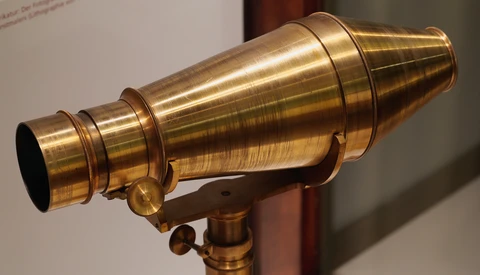
By May 1840, a mathematics professor in Vienna had finished a lens before a single piece of glass had been ground for it. Petzval worked the design out on paper, with a squad of army computers grinding through the arithmetic under his direction, and the result gathered roughly 20 times more light than the lens sitting on the front of a typical daguerreotype camera.

A Tale of Two Coasts: Night Photography Made Easy From Cape Cod to Cambria

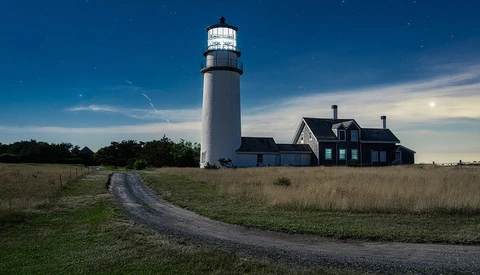
Night photography along the coast: it's evocative, eternal, calming—and surprisingly easy. While many of us enjoy hiking miles into the wilderness, you can create alluring night photos just steps from the car, right at the water's edge. Lighthouses, moonlit water washing over tide pools, and historic piers: the coast offers more night photography subjects than you might expect.

A Full-Frame Kit You'll Actually Carry All Day

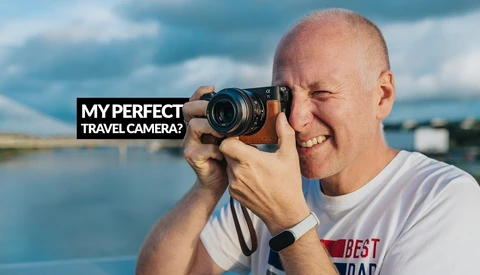
Fifteen years of hauling heavy DSLRs around the world can leave you wishing for something you can carry all day without noticing the weight. A small full frame body paired with a compact prime now delivers most of what those older bricks did, and that shift changes what serious travel photography can look like.


Shooting Iceland's Highlands With a Telephoto Instead of a Drone

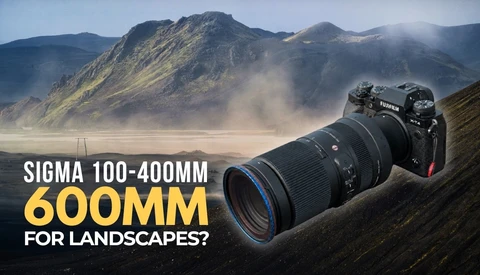
Most Iceland landscape work you scroll past now was made from the air, with wide drone panoramas that flatten an entire river system into a single graphic. Shooting the same terrain from the ground with a very long lens flips that habit and forces a different kind of seeing.


Your Landscape Kit Is Already a Wildlife Kit

The camera in your bag right now, the one built for sweeping vistas, might already be a capable wildlife machine. Landscape and wildlife shooting used to demand two completely separate kits, but that line has blurred to the point where the same body and a long zoom can do both jobs well.


Why Your Photos Look Cluttered (and the One Skill That Fixes It)

Two photos of the same subject, shot by the same person with nearly identical gear, can read completely differently: one holds your eye instantly, and the other leaves you scanning corners for something to land on. That gap comes down to a single skill, and once you name it, you start seeing it everywhere in your own work.


10 Technologies Photographers Inherited From the Military

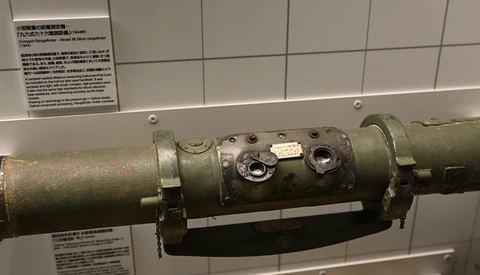
The zoom ring on a modern 70-200mm traces back to a viewfinder accessory the US Army Signal Corps clipped onto its 35mm combat movie cameras. Frank Back, the Austrian-born engineer who designed it, spent the war improving cameras and lenses for the Signal Corps and then turned the same optical trick into the first zoom lens that caught on.

How the Leica M EV1 Strikes the Perfect Balance of Old and New

Leica is in a tricky position when it comes to creating a new M camera. The fanbase welcomes new models, but Leica knows that if they stray too far from the essence of the M, users may reject the new model. The M5, introduced in 1972, made dramatic changes from the design of the previous M4 model and met relatively weak demand.

Stop Judging Light as Good or Bad and Start Using It

Light gets talked about like it comes in two flavors, good and bad, and that framing quietly limits what you shoot. Treating every kind of light as workable, rather than sorting it into keepers and mistakes, opens up scenes most people walk past.


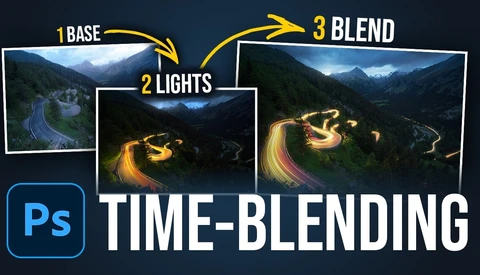
Why Time Blending Beats a Single Long Exposure

Light trails on a road can turn a flat night shot into something with real energy, but capturing them all in one clean frame is harder than it looks. Time blending lets you combine several exposures so the streaks flow together the way a single long exposure rarely manages.