The Elegy of Imperfect Photography
There is a peculiar cult operating inside photography. You have seen them: the Autofocus Clergy.
There is a peculiar cult operating inside photography. You have seen them: the Autofocus Clergy.
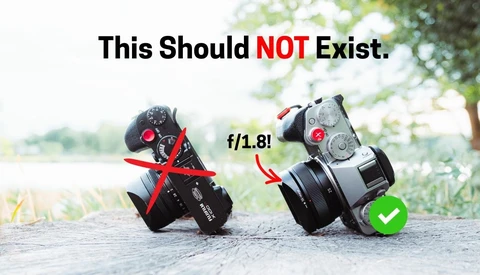
The Fujifilm X100VI has a cult following for good reason: it packs an optical viewfinder, IBIS, a built-in ND filter, and a fast fixed lens into a body small enough to carry anywhere. The catch is the price, and increasingly, the availability.
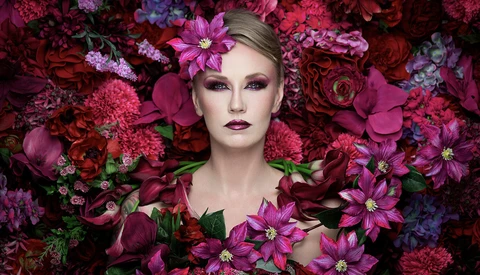
We want to see your most unique photo edits
Welcome to the November installment of the Critique the Community! This month's critique theme is going to be "Unique Edit," and we want to see your best photographs that were brought to life with a new or unique editing style or specific editing software.
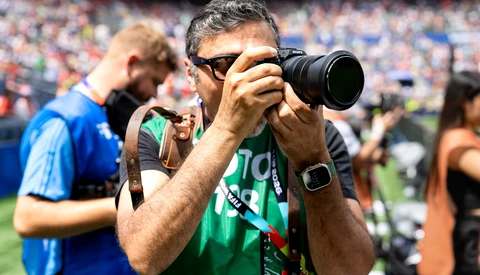
I had the good fortune of spending some time with Sony's new RX10 V, and I shot the entire range of my life with it. A World Cup match here in Seattle one weekend, then a family outing to the Ballard Locks the next.
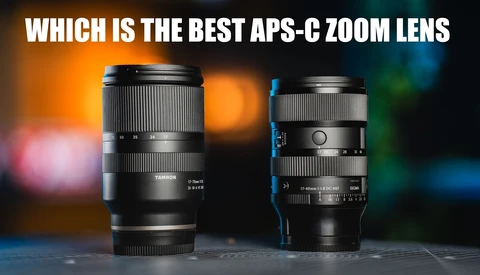
Choosing between a wider aperture and a longer zoom range is one of the most common trade-offs in APS-C lens selection, and few comparisons make that tension as concrete as the Tamron 17-70mm f/2.8 versus the Sigma 17-40mm f/1.8.

Printing the same image twice with two different profiles and then comparing them under controlled lighting is one of the most effective ways to sharpen your eye for print quality. Most people look at a finished print and react to it instinctively, but that habit makes it nearly impossible to diagnose what's actually working or failing.
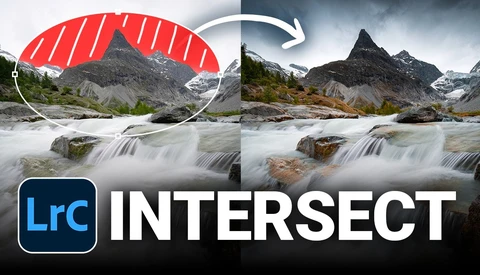
Lightroom's masking tools are powerful, but there are times when a sky mask or landscape mask alone won't isolate exactly what you need. The intersect tool lets you combine two masks so only their overlapping area is targeted, giving you precise control that add and subtract alone can't match.
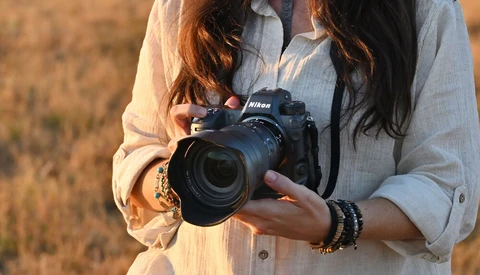
Almost every camera has a shutter, the mechanism that controls how long light hits the sensor, but not all shutters work the same way. Among mechanical shutters, there are two main designs, the leaf shutter and the focal plane shutter, and the difference between them is not trivia.

Red lights blinking on my NAS. Drive failure. Double drive failure. I'm on RAID 6, so the data's still there, but my heart rate has increased. My day is reprioritized — time to work on this.
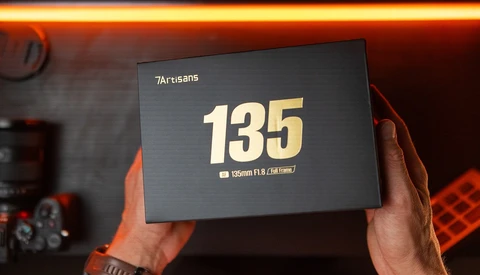
Choosing between the 7Artisans 135mm f/1.8 and the Viltrox 135mm comes down to a real tradeoff: raw optical and autofocus performance versus a lighter, smaller package at a lower price. At $689, the 7Artisans sits well below the Viltrox, and that gap raises a fair question about what you're actually giving up.
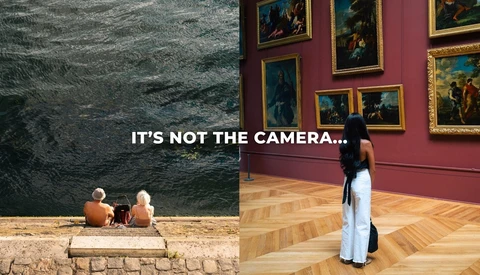
You come home from a trip with hundreds of images, sit down to edit, and feel nothing. It happens more than most people admit, and it usually isn't a gear problem or even a skill problem.
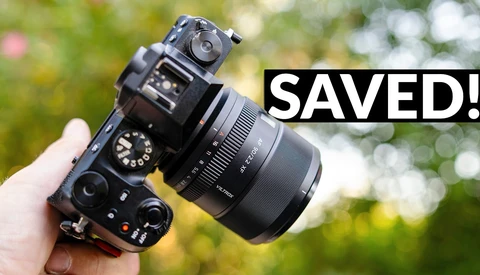
Choosing the right portrait lens for an APS-C system is genuinely hard when the native options are expensive and heavy. The Viltrox 75mm f/1.8 and Viltrox AF 90mm f/2.2 are making a strong case for themselves as lightweight, affordable alternatives for Fujifilm, Sony, and Nikon APS-C shooters.
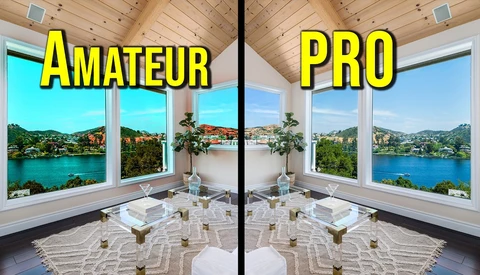
Window pulls are one of the most technically demanding parts of real estate photography post-processing, and getting them wrong is more obvious than most people expect. A bad blend doesn't just look overprocessed; it can make an entire interior shot read as fake, which undermines the entire purpose of the image.
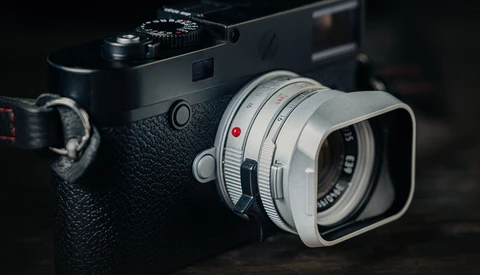
Owing to the growing popularity of Leica cameras in recent years, a bunch of new lens manufacturers have sprung up to provide much cheaper alternatives to Leica lenses. And what's particularly exciting is that, with the aid of modern technology, many rare and desirable Leica lenses from the past can now be reproduced with incredible accuracy.
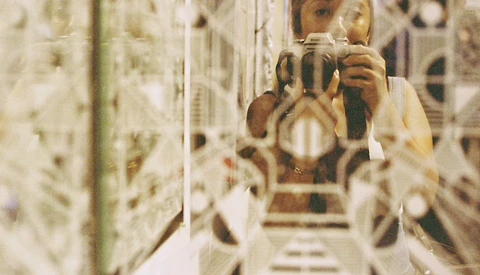
After years of shooting with various "crappy" cameras, I realized they're not always as bad as many would think.
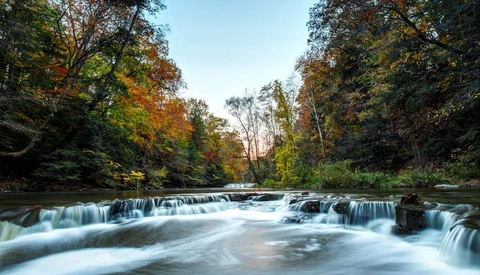
You frame a landscape with a striking rock in the foreground and mountains on the horizon, you focus on the mountains because that is your subject, and when you get home the foreground rock is soft. Or you focus on the rock, and the mountains go mushy. The scene your eye saw as sharp from front to back will not cooperate.
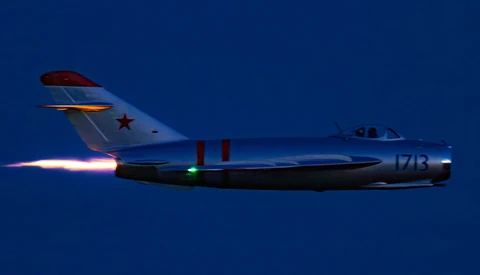
We would like to thank everyone who participated in this month's critique the community, and especially to those who were featured in the final video. If you are one of the winners from this critique, you can message Lee Morris to claim your prize. Make sure you check out the latest Critique the Community on the Contest Page and we hope to see more incredible images from you all soon!
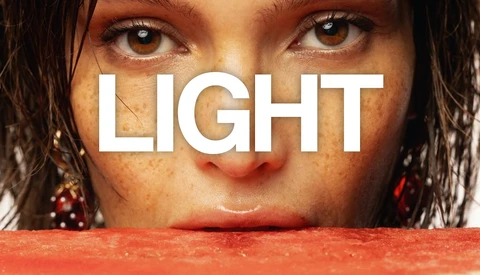
Choosing the right light is one of the most misunderstood skills in portrait photography, and most advice online focuses on the wrong things entirely. Gear and camera settings have almost nothing to do with why certain portraits feel alive while others fall flat.

Choosing between flash and continuous LED lighting is one of the more consequential decisions you'll make when building out a studio kit. The gap between the two has narrowed, but it hasn't closed, and understanding where each system breaks down in real-world conditions changes how you spend your money.
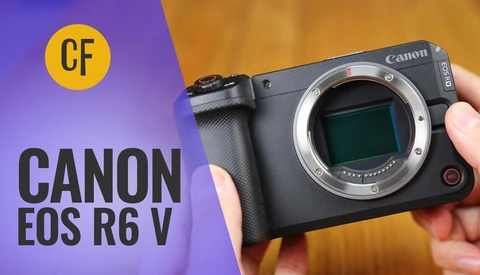
The Canon EOS R6 V is Canon's first full frame V-series hybrid camera, priced at $2,500 body only. It's built for video makers who still need serious stills capability, and at that price, it competes in a range of the market where buyers are making real commitments.
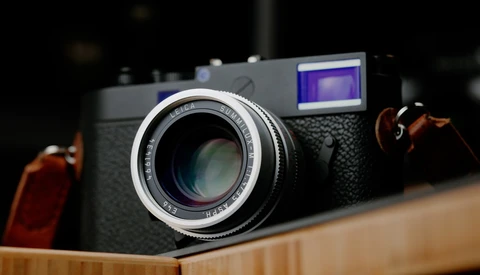
The Leica 35mm Summilux-M f/1.4 ASPH has been around for 16 years, and it was never designed with a 60-megapixel sensor in mind. Whether it holds up on something like the Leica M11 is a real question, and the answer is more nuanced than you might expect.
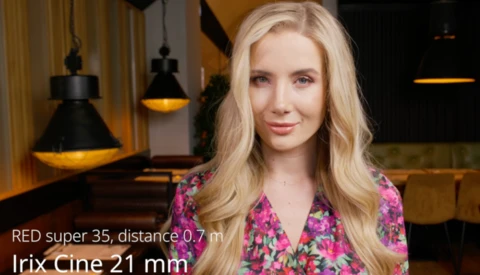
Pull focus on a video clip from a near subject to a far one and watch the edges of the frame. On many lenses, the image seems to subtly zoom in or out as the focus shifts, as if the lens is quietly inhaling and exhaling. That is focus breathing, and once you have noticed it you cannot unsee it. For photographers it is usually a footnote.
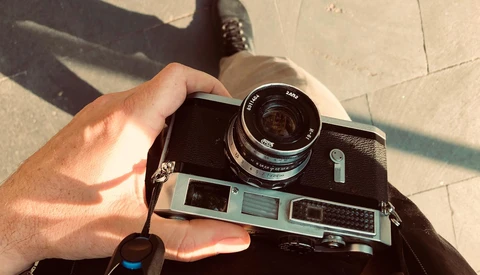
Let's begin with the usual disclaimer:
I am not affiliated with Canon in any way. No sponsorships. No ambassador contract. No free gear raining from heaven. This is simply the perspective of a working photographer who has spent years using multiple systems professionally across documentary, editorial, portrait, and street photography.
And after all that?
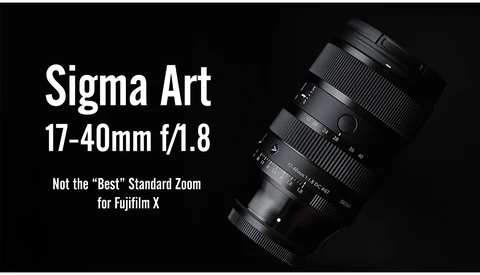
The Sigma 17-40mm f/1.8 for Fujifilm X sits in an interesting spot. It's faster than Fujifilm's own XF 16-55mm f/2.8, covers a narrower zoom range, and costs less, and for event shooters who live in dark rooms, that aperture difference isn't trivial.
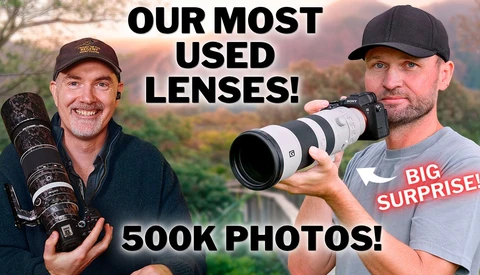
If you shoot wildlife and you've never looked at which focal lengths you actually use most, you're probably making lens decisions based on guesswork. Jan Wegener and Duade Paton did exactly that analysis, and what they found challenges some of the most common assumptions about which lenses wildlife shooters actually need.
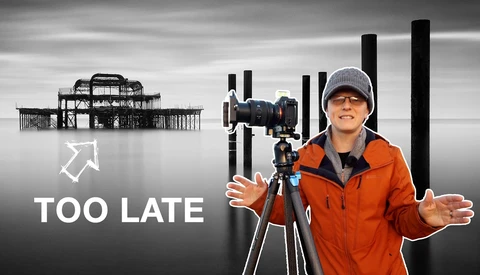
The best landscape compositions have an expiration date, and most people don't realize it until the scene is gone. Sea defenses get completed, piers collapse further into the ocean, buildings get renovated, and the shot you kept putting off simply disappears.


