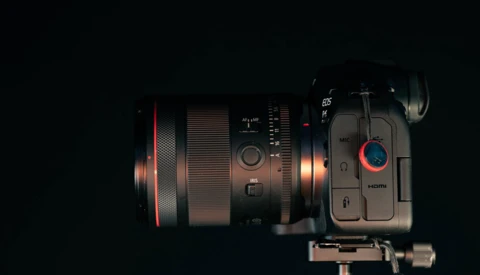
Sharp, Fast, and Not Perfect: The Truth About Canon’s 50mm f/1.4
A 50mm f/1.4 can be the lens that lives on your camera when you need one look that works for portraits, events, detail shots, and handheld video. The difference between a lens you trust and a lens you fight often comes down to focus behavior, size, and the small optical quirks that only show up after a long shoot.

A Wide Prime That Aged Better Than Expected
The Fujifilm XF 14mm f/2.8 R lens sits in that tricky corner of wide angle shooting where you want drama without chaos. If you use Fujifilm X bodies, this lens is worth a look.
Latest Gear Reviews


Active Contests

7
269
Enter your Best "Dark" or "Low-Key" images
Welcome to the April Critique the Community! For this contest/critique, we are doing another abstract theme that should allow more photographers to enter. For this month we want to see your most "dark" or "low key" photographs.
AI Dust Removal Just Landed in Lightroom and Photoshop
AI dust removal just became a one-click step inside the Adobe apps you already use, and it changes how you handle every sky, studio backdrop, and clean wall. If you’ve ever exported a “finished” set and then spotted sensor grime in the exact same place across 30 files, you know how quickly that turns into a late-night repair session.
Fstoppers Exclusives





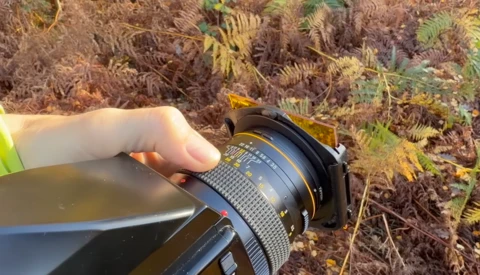
How to Shoot a Boring Location and Come Back With Real Images
You get better faster when you stop relying on the same “safe” spots and learn how to pull a workable frame out of a place that feels like it has nothing to offer. This video is about that exact problem, and it hits the messy middle most people avoid when the light is harsh and the scene looks ordinary.
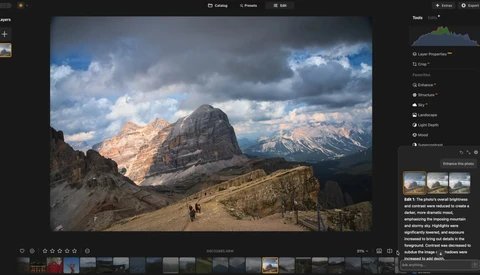
Luminar Neo Adds a Slick AI Assistant
Current owners of Luminar Neo are getting a holiday update with some new and unique features. Besides the usual bug fixes and some speed increases, Neo has added what they call an AI Assistant.

Global Shutter Cameras: Who Actually Needs One (And Who Is Wasting Money)
Global shutters have long been considered the holy grail of professional cameras, and they're now here. Do you really need one, though?

Three Cheap Moves That Fix Harsh Window Light Portraits
Window light can make a portrait look either effortless or painfully flat, and the difference usually comes down to a few small choices. If you shoot people indoors, this is one of the fastest ways to level up without buying anything.
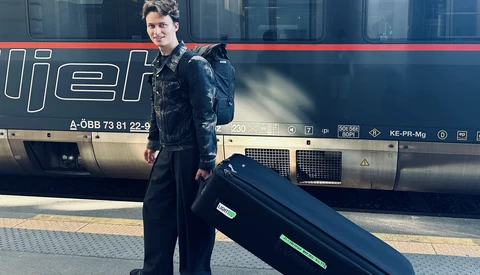
The Case That Carries an Entire Studio: A Year With the Production Manager 50
Possibly the ultimate equipment bag, it does not compromise on security, size, or much of anything. Take your entire studio with you if you wish. Have a flight to a remote location and can’t rent equipment? The Think Tank Production Manager 50 has you covered. It is the bag to end all bags.

Recover Blown Highlights in Interior Shots Without Making Them Look Fake
Side-by-side windows can make an interior image look sloppy even when the room lighting feels controlled, because each pane can land in a different world of exposure and color. You see it most when one window has a screen and the other does not or when an open pane overlaps a closed one and the tones stop matching. Here's how to handle them.
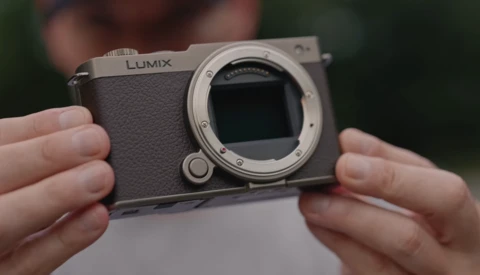
A Small Full Frame Camera With Big Video Claims
If you want a small full frame camera that can handle serious video specs without turning your kit into a brick, the Panasonic Lumix S9 is the kind of release worth paying attention to. Nonetheless, the tradeoffs matter, especially if you shoot fast action, rely on an EVF, or expect long, uninterrupted takes.
Why This Popular Fast Fifty Struggles on Modern Sensors
Old lenses feel familiar until you bolt them onto a modern sensor and see what they really do. If a fast fifty is part of your kit, the gap between “good memories” and “good files” can get expensive fast.
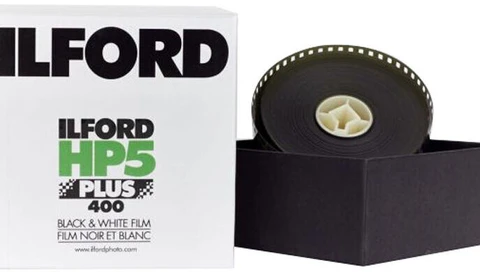
Film Prices Are Out of Control: How to Keep Shooting Without Going Broke
Film prices aren’t creeping up anymore; they’re sprinting.
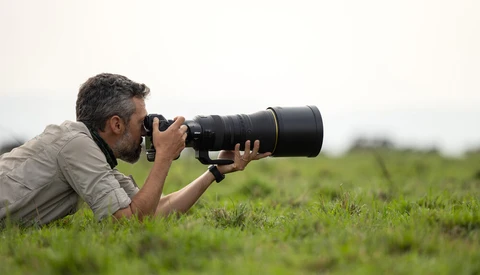
Teleconverter vs. Crop: Everything You Need to Know to Get the Best Photos
Every wildlife or sports photographer knows the feeling. You've hiked three miles into a marsh, the golden hour light is perfect, and a great blue heron is hunting in the shallows. Then you look at your LCD and realize the bird occupies maybe 400 pixels of your frame. You need more reach, but your 600mm lens might as well be a 300mm for the shot you actually want. This is the focal length wall, and it's a universal frustration that unites wildlife shooters, sports photographers, and aviation enthusiasts alike.
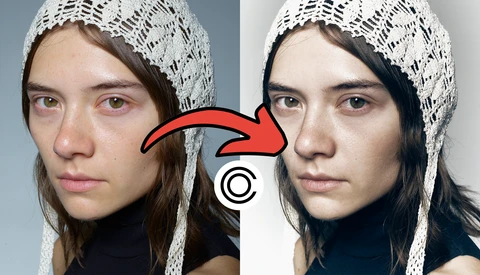
Can Capture One’s New Retouching Tools Replace Photoshop?
Capture One recently came out with a pretty significant update, making retouching as well as organizing your digital assets a lot easier. With the new update, you can make pretty impressive adjustments to people’s faces without ever having to open Photoshop. But just how impressive are they? I tested it on my own images.
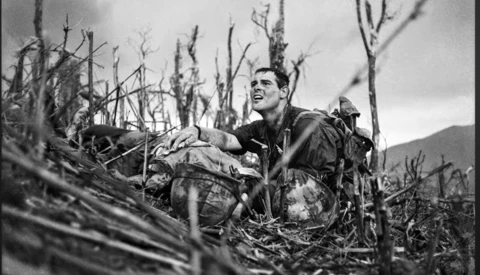
Catherine Leroy: A Combat Photographer’s Journey
Catherine Leroy was a highly influential photojournalist in the twentieth century whose work fundamentally helped shape visual understandings of the Vietnam War. During the war, events were reported and viewed as strategic or abstract; however, her work presented the war as an immediate human experience characterized by the subject’s vulnerability, exhaustion, and the moral complexity of the conflict.
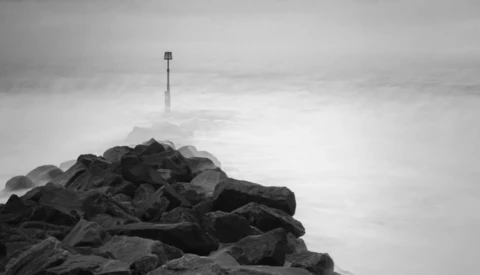
How This Long Exposure Feature Never Blows the Highlights
Long exposures can feel like a tug of war between time, light, and patience. If your camera can build the effect in-camera while you watch it happen, you stop guessing and start deciding.

DJI Might Disappear From U.S. Shelves: Here’s the Drone That Looks Like the Best Alternative
A looming shift in what drones you can buy in the U.S. forces a choice you probably have been delaying. If you rely on aerial shots to set location, scale, or motion, losing access to your default upgrade path changes how you plan shoots and travel kits.
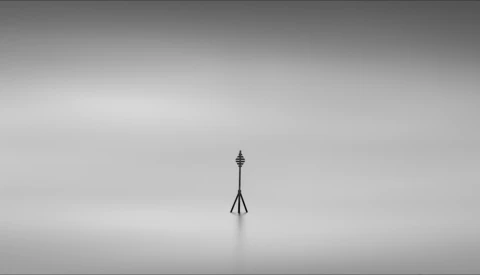
Making Strong Minimal Photos in Busy, Overdone Locations
Minimal photography gets easier when someone shows the decisions, not just the results. This video teaches a repeatable way to build clean frames under time pressure, even when the tide is moving faster than expected.

The Lightroom Object Selection Trick That Beats “Select Subject”
A clean subject mask can make the difference between a shot that looks alive and a subject that looks pasted onto the frame. When Lightroom grabs the branch, the background, and half the subject in one sloppy selection, your edit turns into cleanup work instead of creative control.

How to Break Up With Adobe in 2026: The Subscription-Free Creative Suite
The subscription fatigue is real. Every month, the same charges appear on your credit card statement, a persistent reminder that you're renting the tools of your trade rather than owning them. For many photographers and video creators, this model feels fundamentally wrong. The camera in your bag belongs to you. Your lenses belong to you. Why shouldn't your software?
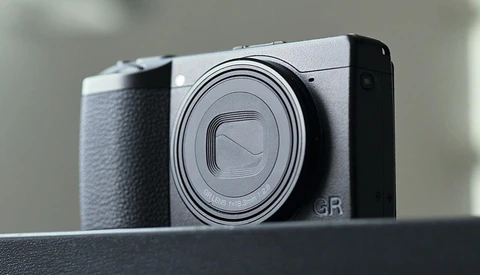
Living With the Ricoh GR IV After 5,000 Shots
Pocket cameras live or die on speed, handling, and whether they earn a place in your daily routine. The Ricoh GR IV sits right in that pressure zone, where small design choices and real-world behavior matter more than headline specs.

Should you Strengthen Your Photographs With a Thoughtful Title?
Many photographers struggle with the simple act of giving their work a title. Some of us reduce the title to a literal description, while others choose a poetic word that adds nothing. In both cases, the title stops supporting the image and becomes a formality, and avoiding titles altogether leads to the same issue. Here, I outline the common mistakes and a few practical ways a title can guide the viewer’s first steps into the photograph.
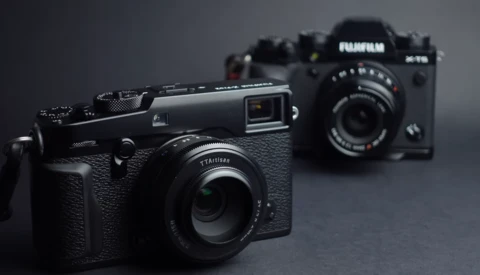
Your New Camera Might Be Holding You Back
Buying a new camera can quietly make your photos worse, even if the specs are better. The problem is not your taste or your ambition, it is the gap between what the camera can do and what you can run without thinking.
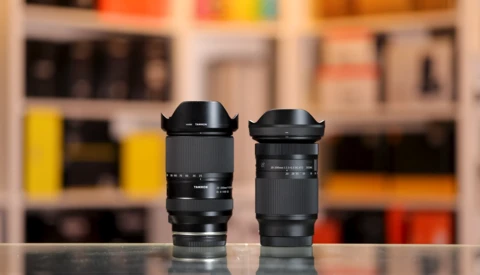
Tamron 25-200mm G2 vs Sigma 20-200mm: The Right All-in-One Zoom for Travel
Packing one lens for a trip sounds smart until you get home and realize you missed half the shots you wanted. A travel zoom that starts wide, reaches long, and stays light changes how you plan, shoot, and move through a place.

Laowa 35mm f/2.8 Zero-D Tilt-Shift 0.5x Macro Lens Review: What You Gain and What You Give Up
Tilt-shift lenses stop being mysterious once you see what the controls actually do, and where the tradeoffs show up in real files. If you shoot buildings, interiors, products, or stitched landscapes, a 35mm tilt-shift option can solve problems that are hard to fix later, especially when you care about straight lines and consistent detail across the frame.