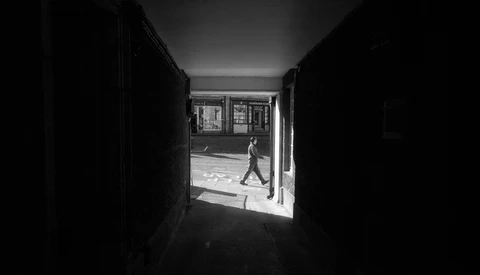
The Forgotten Force Behind Your Photography
Visual weight is an often overlooked but essential component of your photographs. It influences how your pictures are viewed and is what drives your compositions.
Below are the most bookmarked articles by our members.
Visual weight is an often overlooked but essential component of your photographs. It influences how your pictures are viewed and is what drives your compositions.
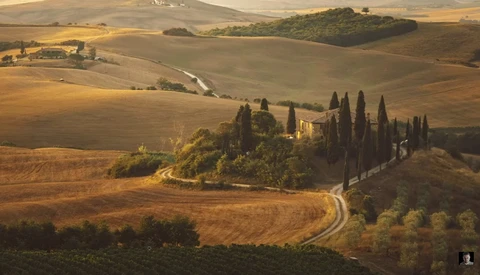
Landscape photography is challenging in that you get no control over the placement of elements in the frame, only your position relative to them, and as such, creating compelling compositions can be particularly tricky. If that is something you find yourself struggling with, check out this fantastic video that features five tips sure to help you improve your landscape image compositions.
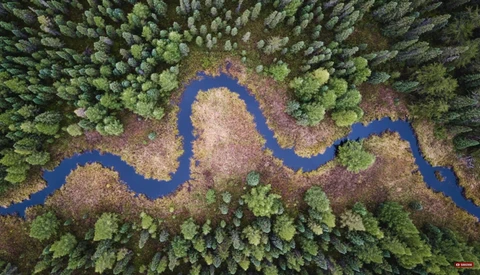
Color is one of the most fundamental and powerful tools at our disposal for commanding the attention of our photos' viewers, and it does not always get the sort of attention in post-processing that it deserves. This fantastic video tutorial will show you how to sculpt the color in a photo much like how you would the light in order to create stronger, more compelling landscape images.

I love trends. But what I love more is making fun of them. Be it a trend in lighting, or a trend in aperture choice, or a trend in post-processing, here are some that we should've moved on from a long time ago.

Creating an even, flattering light in the studio doesn't have to be difficult. In this tutorial, I will show you three simple parallel lighting hacks to make portraits that everyone from the boardroom to Broadway will love.
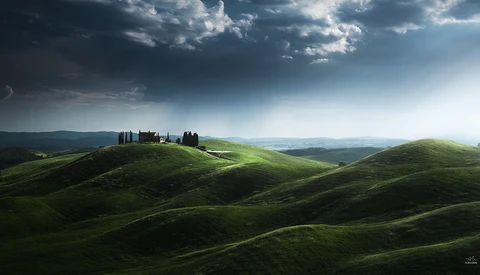
The challenge of landscape photography is that unlike most other genres, you do not get control over the lighting or the placement of the elements in the frame. For some photographers, though, that is one of the most fascinating and enjoyable aspects of the genre. If you would like to improve your landscape work, check out this fantastic video tutorial by an experienced photographer that will guide you through the entire process from lens choice to editing.
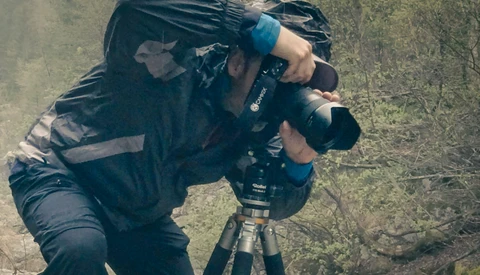
We are used to traveling to the most beautiful places with the aim of getting outstanding photographs. But when we import our images to Lightroom, we have often to accept that our photos are no more than the same old story that was photographed there already by thousands of others before. How can we get photographs that stand out?

Photoshop is a behemoth of a program, and while it has a ton of features and functionalities in it, very few photographers ever need all those options. All those extras can make it a bit tedious to navigate through the interface and find what you need. This helpful video tutorial will show you how to simplify Photoshop's interface to make it easier to navigate and to make your workflow more streamlined.
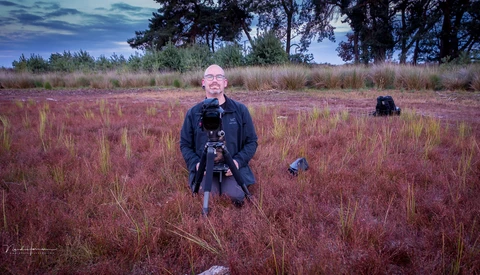
If you love landscape photography, you probably know a lot about camera equipment, settings, and the most common composition rules and techniques. But landscape photography is not always about those things. I have six important tips that are often overlooked.
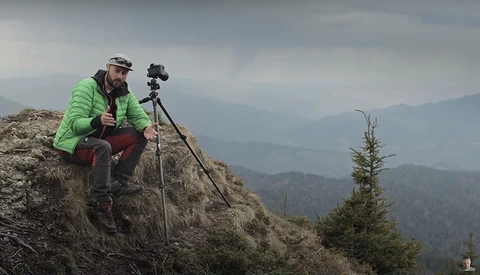
One of the trickiest aspects of landscape photography is that you do not get any control over the physical location of the elements in the frame, and as such, a lot of photographers experience difficulties with compositions. If that is something you struggle with, check out this awesome video tutorial that will show you some helpful tips for improving your landscape image compositions.
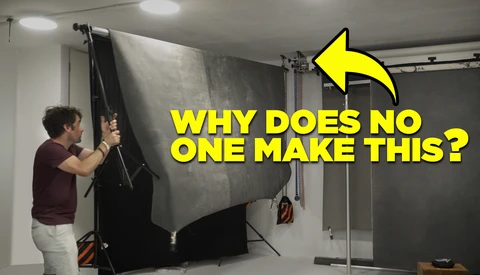
Over the last three years, I have built out four new photography studios, and each time, I find better and better ways to streamline my spaces. In this video, I want to share with you one of the coolest ways to mount your seamless paper or Gravity backdrops.
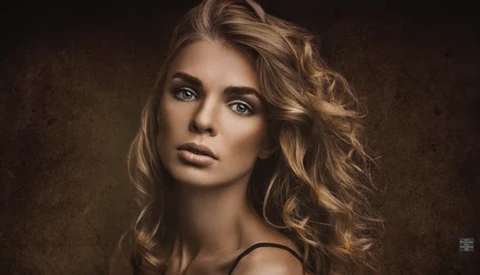
Photoshop allows you to take an image and put numerous creative spins on it, and it can be a wonderful way to expand your portfolio and find your unique creative voice. One great way to add a bit more visual interest to a photo is to overlay a texture on it, and this excellent video tutorial will show you how to quickly and easily do so using Photoshop.
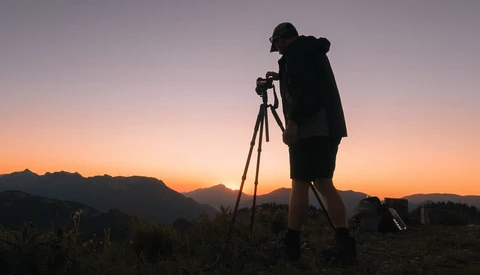
The light is amazing. There are dozens of compositions waiting out there. But where are you? Sitting in your office, working eagerly for your boss or for your clients? I found a solution to combine my job with my landscape photography, to photograph wherever and whenever I want.

It used to be that if you wanted to change the color of an object, you generally needed to jump into Photoshop to do it effectively. However, Lightroom has gained some quite advanced features in the last few years, and it is now possible to convincingly change the color of many objects without having to resort to Photoshop. This great video tutorial will show you everything you need to know to do it.
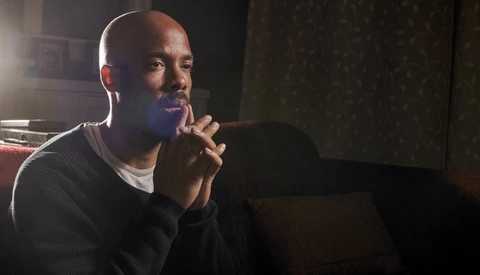
There may not be any firm answers. But, there are a few things to consider when considering a career in photography.
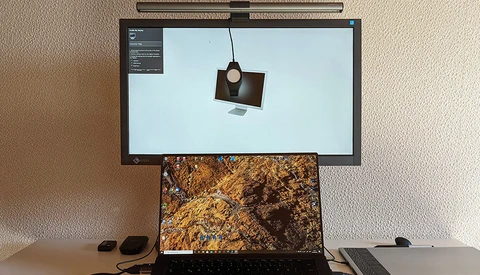
One of the first devices I bought for my office when I started with photography was, in addition to a proper monitor, a calibration device. Editing my photos with accurate colors and brightness has always been a priority for me. And the use of a colorimeter and monitor calibration software is a requirement for achieving those. In this article, I explain how to use such a calibration system.
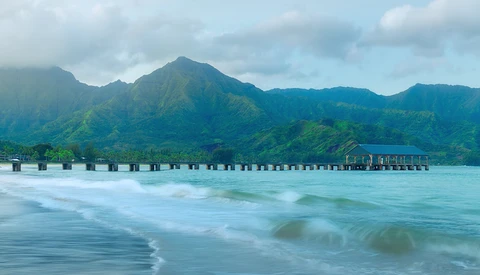
A long exposure of a seascape will always be a great way to create a compelling image, but it takes a lot more than simply slapping an ND filter on your lens and going to town. One of the most crucial parts of a long exposure is choosing the proper shutter speed, particularly when moving water is involved, and this helpful video tutorial will walk you through the process to ensure you get the exact image you have in mind.
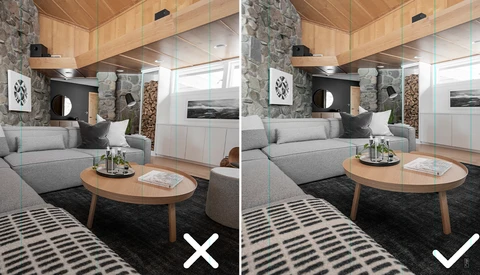
Interior photography is a challenging but fun genre that takes a combination of techniques to produce successful images. This helpful video tutorial will show you a range of tips and techniques on how to shoot and edit interior photos.
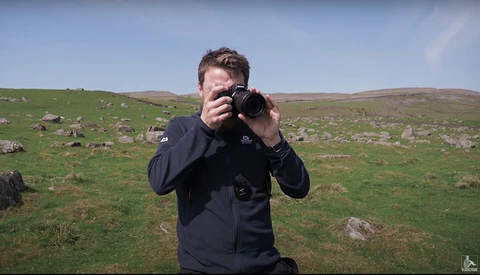
Taking full control of your shutter speed, aperture, and ISO is one of the most fundamental things every photographer needs to master. There is a range of camera modes to assist you with these settings, ranging from automatic mode to full manual mode, with a set of semiautomatic options in-between the two extremes. One such in-between mode is aperture priority, and this excellent video tutorial discusses its usefulness and how to use it.
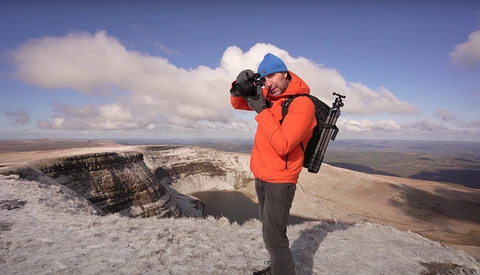
Creating a successful landscape photo takes creative vision, solid technique, and often, a bit of luck. If you would like to improve your landscape images, check out this fantastic video tutorial that will show you seven helpful tips sure to help you improve your photography.
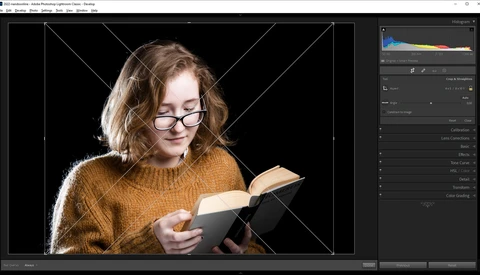
Composition is one of the more difficult things to learn. There are many rules and guidelines that can make a good composition. The crop tool inside Lightroom and Photoshop offers a bit of help to learn about composition and even helps you achieve the best possible composition in post.
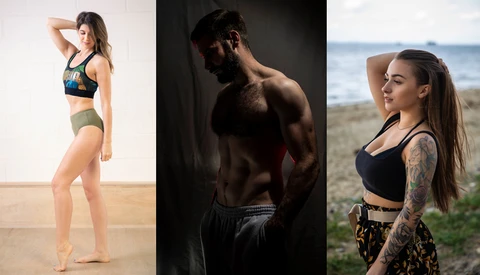
Some photographers go their entire career without deliberately photographing people. However, most of us, at some point, will want or need to photograph people in specific situations. If you’re not used to working with models, here’s some helpful advice on how to go about it. Whether you want to learn portraiture or need to shoot a model for a specific job, this guide will be of use.
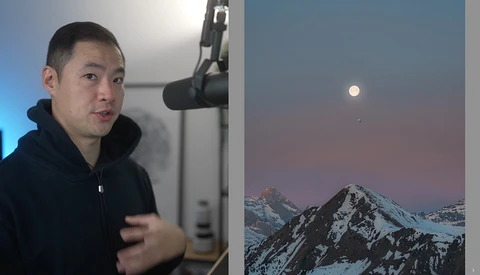
Even though it is one of the most fundamental and important aspects of creating a successful photo, composition does not get the kind of attention it deserves when it comes to talking about photography. One aspect of composition that we should often consider is how we create and convey balance for our viewers. This excellent video tutorial examines the topic and offers some helpful advice that will improve your shots.

Iceland, with its breathtaking views of glaciers and waterfalls, is on the bucket list of most landscape photographers. With honeypot shots galore, can you really go wrong? Well, that all depends on what Iceland's ever-changing weather has in store for your visit, and it can change rapidly.

If you follow the work of high-end portrait photographers, you will probably notice them often using complex three- or even four-light setups. And while there are good reasons for using those, you do not need all that complexity to create professional-level images; in fact, just one light will do if you know how to use it. This excellent video tutorial will show you three fantastic portraits you can create using only a single light.