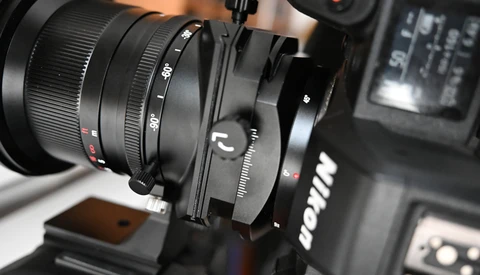
3 Reasons To Use A Tilt Shift Lens Featuring The Laowa 24mm f/2 Zero-D Tilt-Shift
Today I’m going to examine the benefits of using a tilt-shift lens with the help of the brand-new Laowa 24mm f/2 Zero-D Tilt-Shift.
Today I’m going to examine the benefits of using a tilt-shift lens with the help of the brand-new Laowa 24mm f/2 Zero-D Tilt-Shift.
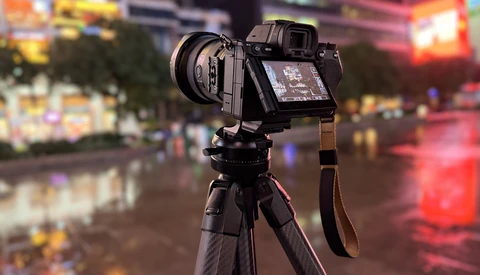
Peak Design's Travel Tripod is probably one of the most talked-about tripods on this site, and opinions have been polarized. Since the brand has expanded its tripod lineup with three new Pro models, it's clearly important that we see their differences and optimal use cases.
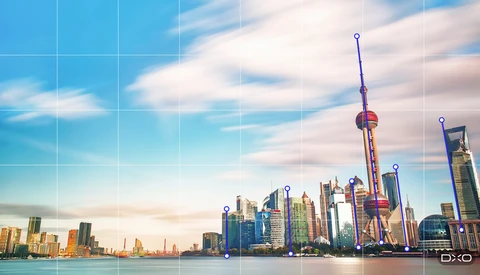
DxO has been busy lately, updating its collection of apps, giving them new capabilities and gently using AI to keep the photographer in control while making editing easier.
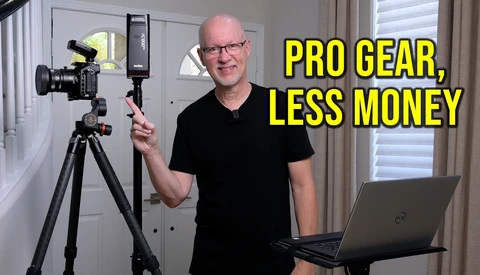
A $1,000 camera body, a $160 tripod, and a $12 umbrella can carry a full real estate photography business. The gear that separates clean interior work from amateur shots costs far less than most people assume, and much of it gets skipped entirely by people starting out.
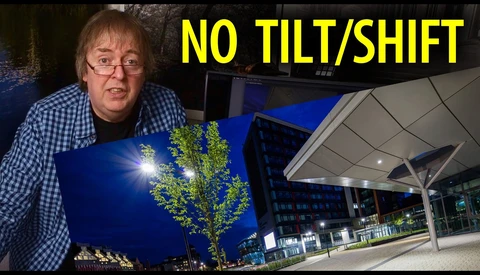
Shooting architecture with a wide angle lens is harder than it looks. Converging verticals, contrast extremes, and the question of what clients actually want from your images all collide in ways that catch a lot of people off guard.
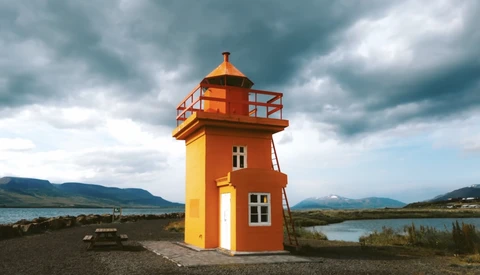
Understanding how to use color as the subject of your photos can turn a pleasing composition into one that stops people in their tracks. In this video, Alex Kilbee breaks down a few viewer-submitted photos to explain why they work and how you can use the same principles to improve your images.
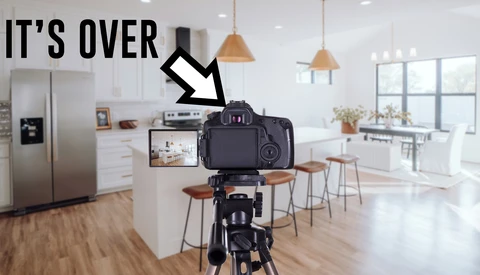
AI powered photography software is getting so good that it may make us obsolete. This may have already happened with real estate photography.

Tilt-shift lenses used to be rare and unattainable for most photographers. Back then it would cost an arm and a leg just to get one, but now Laowa has made it more available for almost every major camera system, and this new lens expands the available options.
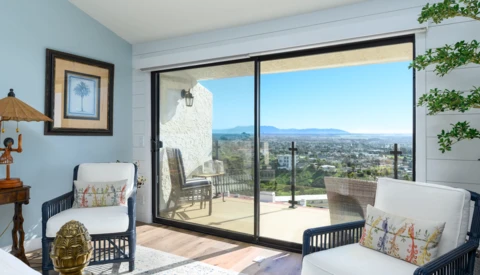
Side-by-side windows can make an interior image look sloppy even when the room lighting feels controlled, because each pane can land in a different world of exposure and color. You see it most when one window has a screen and the other does not or when an open pane overlaps a closed one and the tones stop matching. Here's how to handle them.
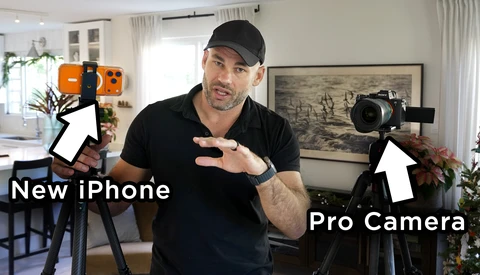
Long before I ever started Fstoppers, I was a professional real estate photographer. It was a great job, but the editing was mind-numbing. Fotello can now edit the photos for me... and the results are incredible.

Hasselblad’s XCD 25V promises a unique balance of speed, sharpness, and portability. After testing it in the field, including under extreme alpine conditions, I can confidently say it delivers more than expected.
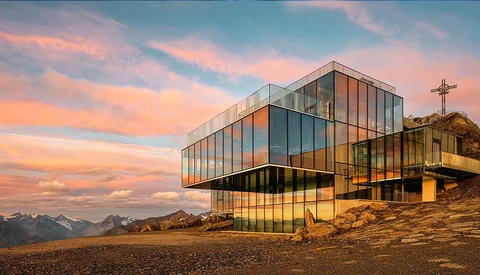
Great pictures aren't enough anymore, at least not if you want to survive as a photographer today. One strong image might once have been the end of the process, but now it feels more like the beginning of a much larger chain of expectations. Content. Reels. Behind-the-scenes clips. YouTube.

This lens is definitely not what we expected, and I’m saying that as a good thing. Gone are the days of wide lenses being such a hassle to use, and this lens is one of the reasons behind that.
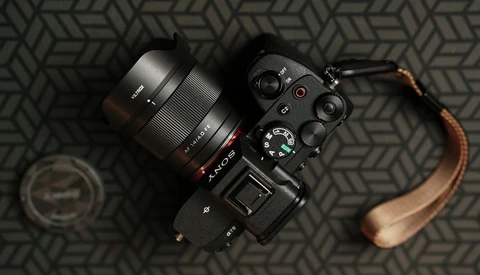
This new lens from Viltrox is definitely cheap for what it is, and it can be quite transformational for the right photographer. Now you can get a 14mm full frame for just $200.

Who says high-capacity support gear needs to look rough and rugged? This tripod from Falcam offers outstanding payload and stability in a sleek and smooth design.

You can never have too many wide angle lens options. Different uses require different capabilities, and this new prime option is more versatile than it seems.
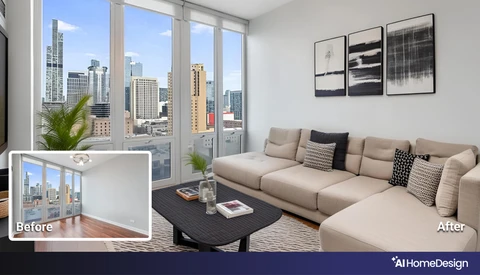
Real estate photography has always been about precision, speed, and aesthetic intuition. Photographers are the unsung heroes behind listings that sell fast and above the asking price. But as the housing market shifts faster than ever, the expectations for visual content have reached new heights. Enter artificial intelligence.

You have gear that's more than capable of creating high-end real estate photos, yet your images aren't quite hitting that pro level. Mastering technique rather than leaning on equipment upgrades will make the real difference in your work.

When selling real estate, photos significantly influence a buyer's decision. Understanding the psychology behind engaging imagery helps you take better images that attract more potential buyers.
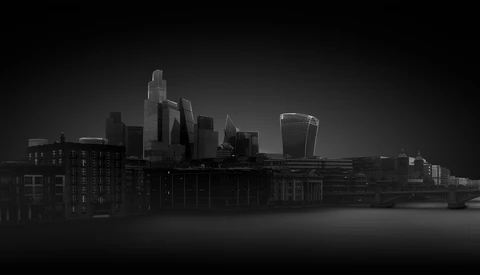
Have you ever found yourself with many snapshots of buildings and architectural features of a city you visited while traveling? Perhaps you looked at these photos thinking they're just ordinary snapshots. What if there were a way you could transform these photos into architectural fine art pieces using Photoshop?
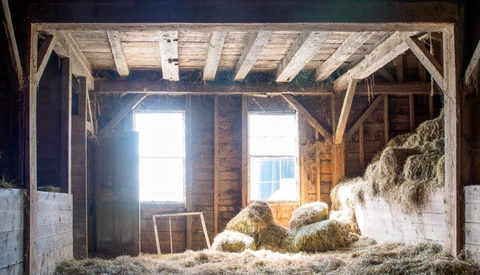
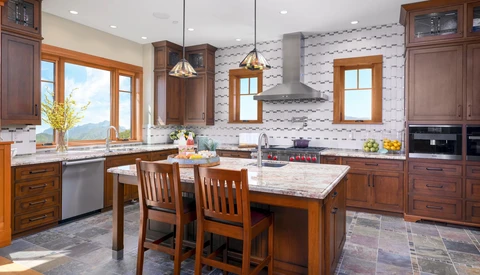
Capturing accurate color in real estate photography isn't as straightforward as tweaking white balance sliders. Colors often trick your eyes, impacting your photos more than you realize.
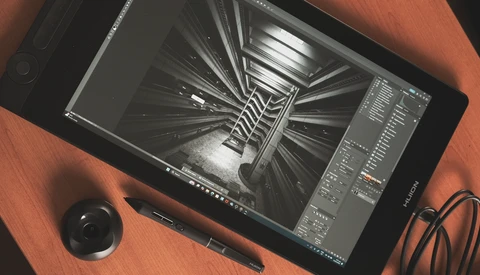
This pen display doesn’t seem too different from the older generation, but its subtle new advancements might actually be worth a close look. Depending on your use case, this might be much closer to the perfect editing tool for you.
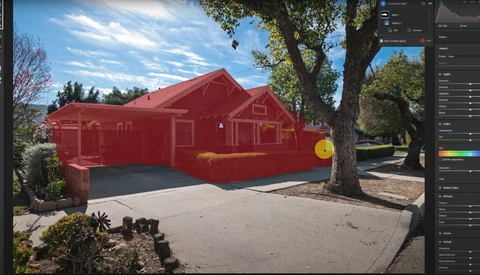
When we think of AI editing tools, it’s easy to get caught up in flashy features like Generative Fill or the Remove Tool. But did you know there’s a whole world of lesser-known AI-powered tools in Photoshop and Lightroom?

If you’ve ever wanted to dive deep into the entire process of editing a photo—from raw files to final stylization—this video is a must-watch. It’s a thorough tutorial that walks you through every step, and trust me, it’s packed with insights.
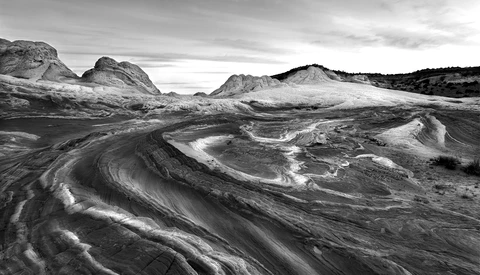
What if you could control perspective distortion and focus with pinpoint accuracy at any aperture? Dive into the world of tilt/shift lenses and learn how pros use the Scheimpflug Principle to create stunning images.

If you photograph real estate or any home interior, you should learn both the HDR and Flambient techniques.
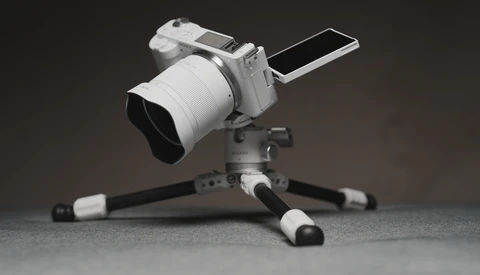
Wide angle lenses used to be necessarily bigger and more expensive in the past. Yet, this affordable and compact option from Viltrox just makes sense.
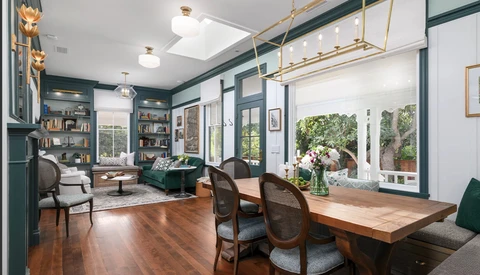
Real estate and architectural photography might seem similar, but they serve distinct purposes and cater to different markets. Understanding these differences can help you better tailor your approach and work effectively with clients.

Europe has some of the most beautiful cities and architecture, and I share five of my favorites in this article.
You should not focus on modern architecture for the best cityscape photography in Europe. There are some interesting buildings in that style. However, when it comes to contemporary and futuristic cities, Asia and the UAE have more to offer.
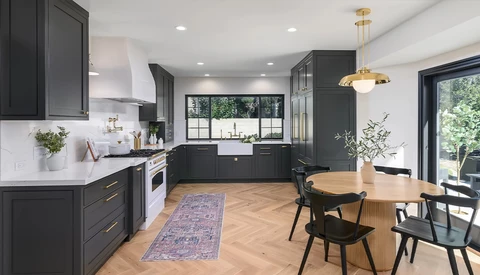
Real estate photography is evolving, and staying ahead of trends can give you an edge. From storytelling techniques to advancements in editing, adapting to these trends could redefine how you approach your work.
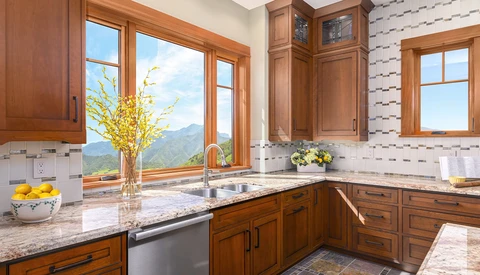
Pricing your real estate photography can feel like a balancing act, but getting it right is essential for running a sustainable business. Misconceptions around pricing are common, and they can lead to undercharging and burnout. The reality is, if you’re not charging enough, you’re likely leaving money on the table while overextending yourself in the process.
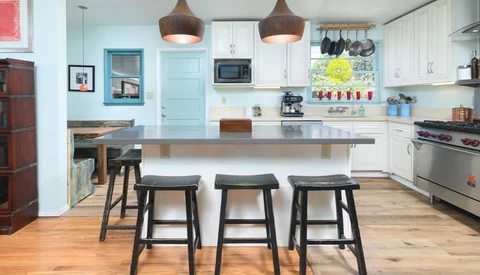
Editing real estate photos can be time-consuming, especially when striving for a clean, professional look. These often-overlooked techniques are essential if you want to deliver polished images quickly.
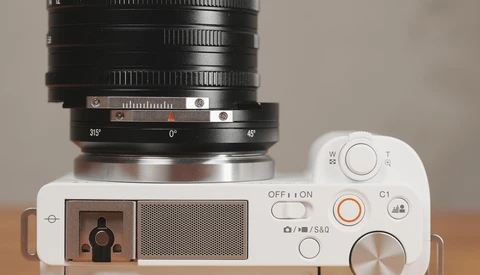
Shift lenses, or tilt-shift lenses, are pretty rare across all brands and seem to be quite an engineering challenge. Most of us thought that their ability to zoom was impossible, but Laowa seems to have proven otherwise.

DxO has continued to innovate with tools for serious photo editors, and today they are releasing a significant update to ViewPoint 5, their tool that fixes geometry, perspective, and shapes. Anyone who does architectural or city photography is going to want this tool if they don't have it already.
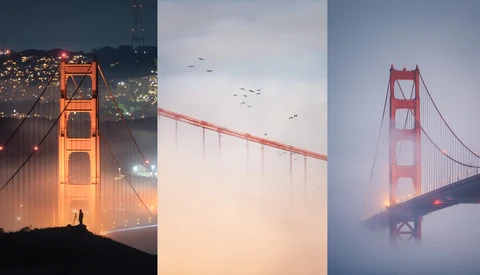
As a long-time resident of the Bay Area, I’ve had the privilege of photographing the Golden Gate Bridge for over ten years. Whether it’s capturing the low fog rolling in or watching the golden light of sunrise and sunset cast its warm glow over the bridge, this landmark never ceases to amaze me.

For those who specialize in real estate photography, it is common to say this genre of photography is fraught with its own unique set of challenges, from dealing with challenging lighting conditions such as balancing interior and exterior light to time constraints to low budget and short turnover time.

Wider isn’t always better, but sometimes having that option can make a world of difference. This just might be the most unexpected lens of 2024.

The recent settlement by the National Association of Realtors (NAR) in the United States represents a pivotal shift for the real estate market, particularly benefiting real estate photographers.


Shooting interiors for real estate shouldn’t be that challenging if your goal is simply to photograph the entire space. However, if the goal is to come up with visually impactful images, then it’s very likely that you’ll have to solve some problems while shooting.


I used to think that creating virtual tours required thousands of dollars on gear and a subscription to expensive hosting platforms. In this video, I'm going to show you how to create one with a pocket-sized camera, a smartphone, and affordable software.

Win $1,000 In Our Architecture Photography Contest
For our next photography contest, we want to see your best architectural photos.
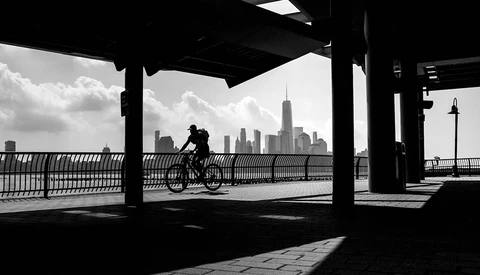

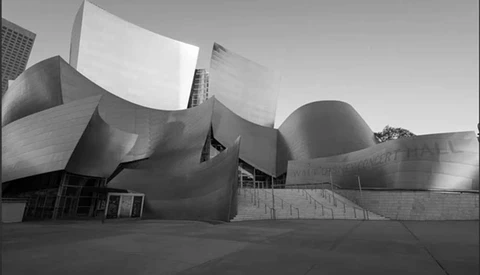

Shooting interiors can be a daunting task for an unprepared photographer. No matter how big or small the space is, there will be challenges that you need to face and problems you need to solve. Here are some ideas to get you started.


Creating an effective staging plan for property photography involves careful planning, attention to detail, and a focus on highlighting the property's best features. Here's a comprehensive staging plan that I use that includes the use of props and emphasizes cleanliness.