
5 Time-Saving Tips for Photographers
Photography can be very time-consuming. Over the years, I have picked up a few workarounds, so hopefully ,you can avoid the hours and days that I have pilfered away. These are my five time-saving tips.
Photography can be very time-consuming. Over the years, I have picked up a few workarounds, so hopefully ,you can avoid the hours and days that I have pilfered away. These are my five time-saving tips.
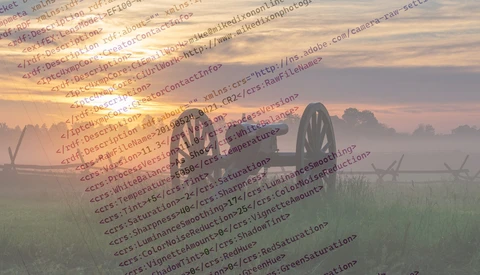
All of your Lightroom development settings might be in your exported images. That's right, all of your adjustments, spot healings, tone curve adjustments, sharpening, etc. might all be in your exported files for all the world to see.
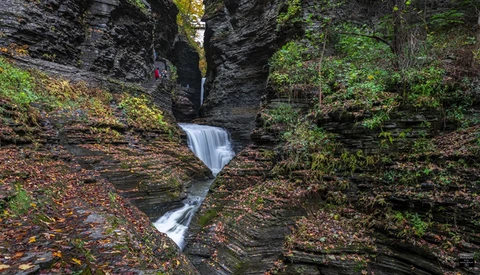
Dodging and burning is one of the most fundamental and versatile techniques any photographer can use to post-process their photos. However, you do not always need Photoshop to do it. This great video will show you how to dodge and burn your photos in Lightroom.
Finding something to shoot can be tough sometimes. This is truer than ever with all the amazing examples of photography out there raising the bar every day of what is considered a good shot.
It's the unsung hero of your photos, and it's always been improving. It's that little switch on the lens. We've become accustomed to AF, and for good reason. It works, and it works very well.
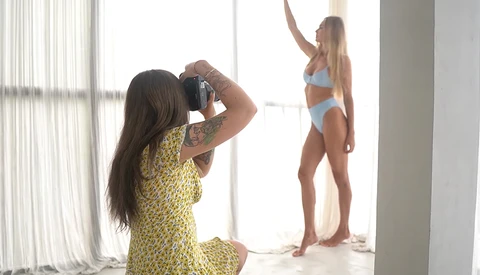
Posing can be a tricky thing to master, and there are special considerations you have to make when you are on a swimwear or boudoir shoot. This excellent video will give you lots of helpful lighting and posing tips for both swimwear and boudoir photography.
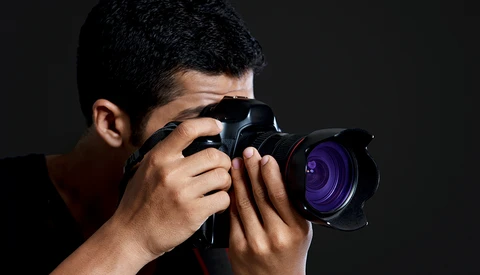
No photographer is perfect, and we all have our bad habits that we should probably break. What are your bad habits? This interesting video features a photographer detailing five of his and the effects they have.
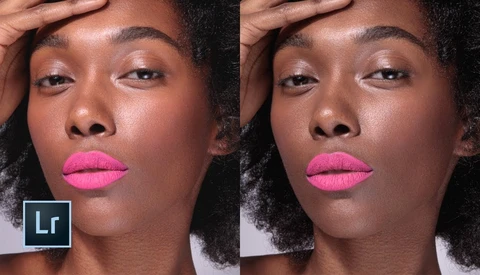
Getting skin tones just right is a subtle but very important aspect of creating professional portraits and setting your work above that of others. Photoshop has lots of tools for working on skin tones, but if you want to keep everything in one application, this helpful tutorial will show you how to get great skin tones working solely in Lightroom.
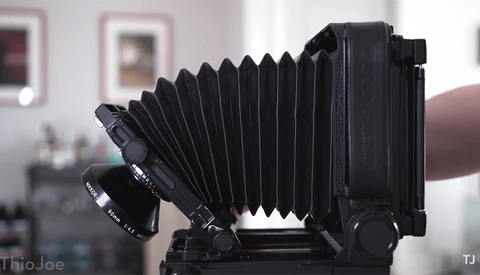
One of the biggest misconceptions I have come across in the industry is that tilt-shift lenses are just for people who shoot architecture. Once you understand how these specialist lenses work, you'll realize how big of a deal they can be for almost any genre of photography.
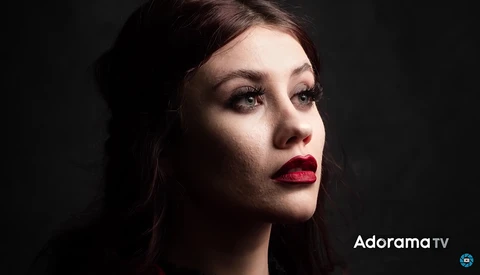
Shoot-through umbrellas are some of the cheapest and quickest lighting modifiers to work with, and despite often being cast aside for other modifiers, they can still produce great photos in a range of scenarios. This awesome video will give you four tips for working with shoot-through umbrellas.
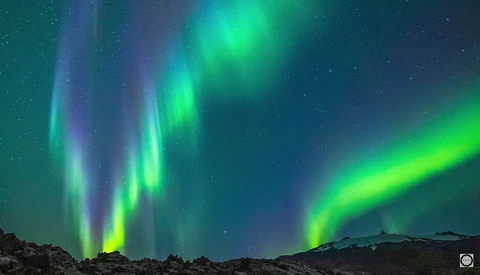
Shooting in low light can be tricky for lots of reasons ranging from needing slower shutter speeds to having difficulty acquiring focus. If that is something you struggle with in your own work, this helpful video will give you some great tips to improve your low-light photography.
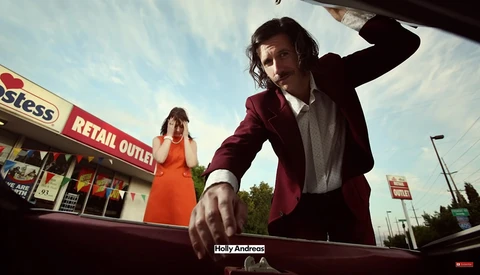
Composition is one of the subtlest and trickiest aspects of photography to truly master, and there is a massive trove of guidelines, tips, and "rules" out there that can be hard to wade through. If you struggle with composing a compelling image, this excellent video will give you eight helpful tips to improve your work.
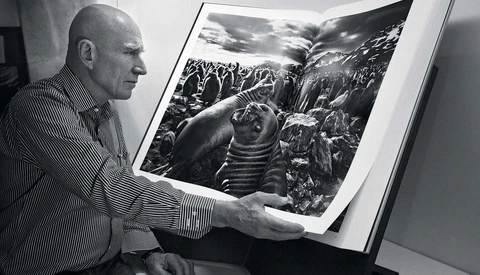
Besides looking at tutorials and learning how to handle your camera and composition, it’s often helpful to take a look at the life of inspirational photographers. Here, you’ll find out why you should take a look at the life and work of Sebastião Salgado.
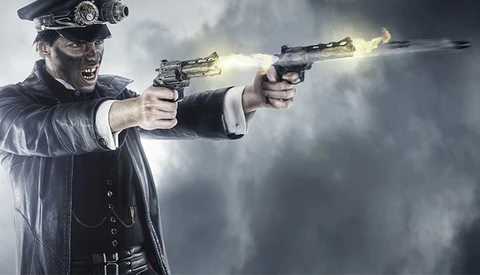
Sell the fake or add to the surrealism. As a creative retoucher and composite photographer, these are two aspects that in my opinion are very important: you either learn techniques to help blend realism into the piece or to make it stand out and add surrealism.
“A wide angle lens is the best for landscape photography.” Does that sound familiar? I am continuously surprised by how little I use the wide angle lens.
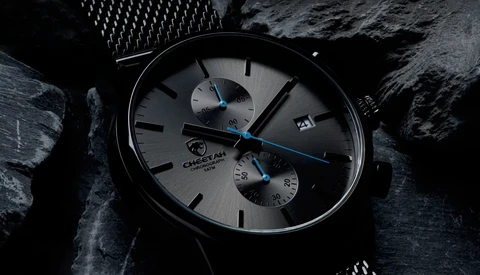
Product photography doesn’t have to take a lot of equipment nor the most expensive lighting or camera gear to create highly polished images. Take a look at this breakdown showing how product photography taken with high, mid, and almost no equipment still delivers highly valuable results.
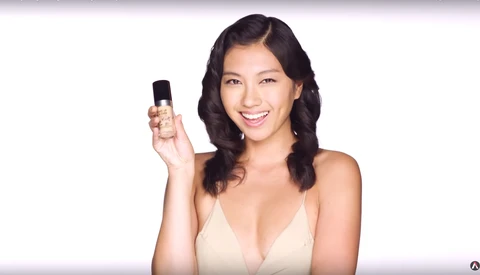
The ultra-clean, perfectly lit white background look is in high demand these days and is an important skill to have in your toolbox. In this video, learn how to create that aesthetic, no matter what budget you might be working with.
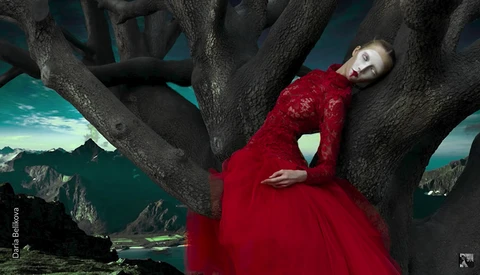
When you are new to photography, you can spend a lot of time practicing your technique and exploring your creativity, but there is no shortcut to experience. Thankfully, though, a lot of longtime professionals are quite happy to share the lessons they have learned over time.

It is a strange claim to make, but is it right? Is doing a degree in photography worthwhile, or are you better off getting into the industry instead?
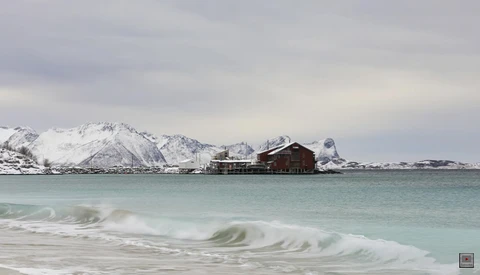
Successful composition in landscape photography is often a careful balance of a range of subtle features and ideas that can be difficult to master. This great video features seven helpful tips to help create stronger and more compelling compositions in your landscape images.
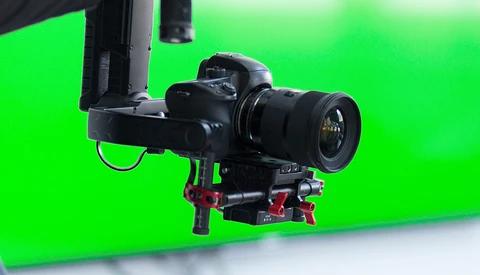
Diffraction is something that can rob your images of sharpness, and as such, it is important to have a functional understanding of what it is and how to avoid it. This excellent video explains what diffraction is and how it varies based on different parameters.
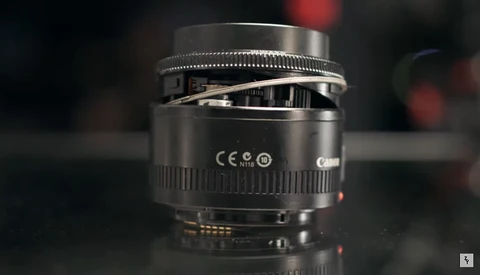
Lenses are not cheap, and you can potentially save thousands of dollars by buying used, but of course, you assume certain risks in doing so. If you are thinking of buying a used lens, this helpful video will give you seven things to check to ensure that you get a high quality optic that will give you years of good performance.
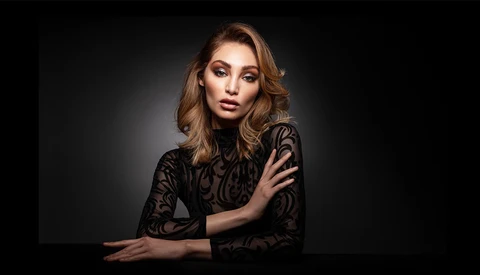
Beauty lighting is a genre full of a range of nuance and subtlety, and one of the best ways to explore that is through the use of lighting modifiers. This excellent video will show the differences between a reflector, beauty dish, and scrim, along with a wide variety of sample images showing their uses.

Being a technically proficient and creatively inspired photographer is only a small part of becoming a successful professional, which requires many skills beyond what you do behind the camera. If you want to cross into the realm of being a professional, this excellent video will give you nine helpful tips to get you started.
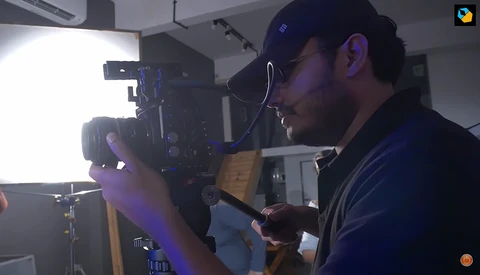
When you are starting in video, you will probably notice that a lot of terms and techniques carry over from photography, but it is not quite all the same. There are some video-specific terms and settings you will need to know, and this excellent video will introduce you to 18 of them in less than 10 minutes.
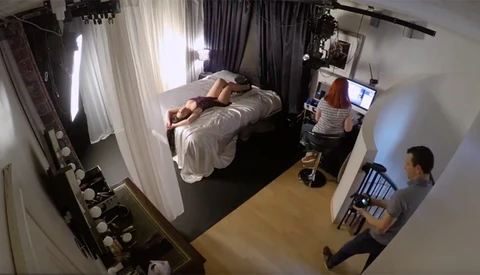
For many photographers, space can be an issue when it comes to your shooting area. It can be difficult to obtain a variety of looks when you are working with just one room. However, with just a few small changes, you can give your clients more than enough to chose from to create an album.
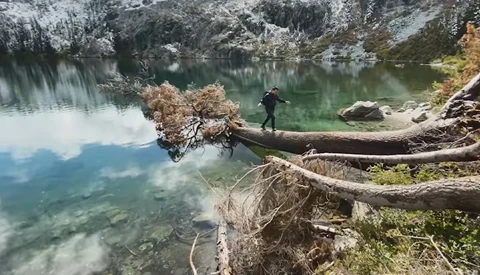
When it comes to buying a new camera, the big question is: "How much should I spend?"

For photographers of a certain age, the decision of whether to work in 8-bit or 16-bit is as easy as the decision between playing Nintendo and Super Nintendo in 1991. More colors led to more realistic graphics and better gameplay. The 16-bit Super Nintendo was king. The same principle holds true when working on your images in Photoshop.
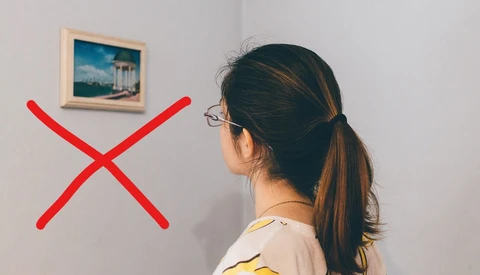
What's the difference between a good photo and a great photo? Can anyone even agree on how to distinguish the two? One man has tried, and it's a rather polarizing view.
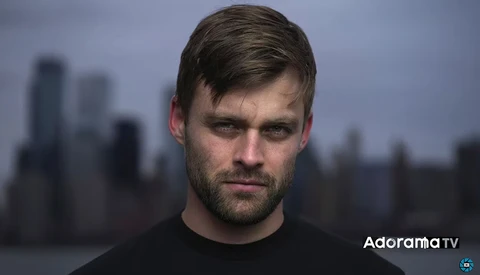
Focal plane shutters are by far the most common mechanism for controlling exposure times, but leaf shutters are still around and preferred by some photographers, particularly when it comes to working with flash. This excellent video will show you the advantages of a leaf shutter when working with a strobe.

Pretty much everybody learns how to edit photos using a mouse, but as a photographer becomes more advanced, they will often switch to using a pen tablet to work on their images. If you have not yet made the switch, this helpful video will show you seven reasons why you might want to consider picking up a tablet for your editing work.
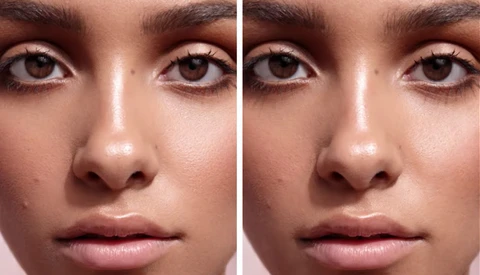
Dodging and burning and frequency separation are two of the most commonly used techniques for retouching skin, but they both have their own sets of pros and cons that may make one or the other the better choice for your own work. This excellent video will show you the results you can achieve with both methods and will detail what it is like working with them.
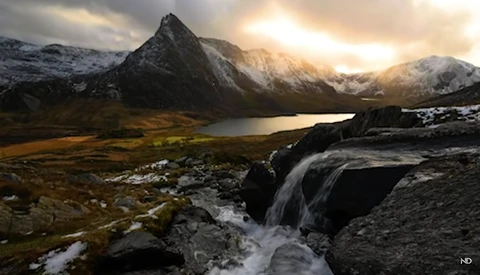
A good landscape scene often affords a wide variety of potential compositions, and it can be difficult to know how to evaluate them all and find the one that will create the best photo. If that is something you struggle with, this excellent video will give you some helpful tips for finding the best compositions for your landscape images.
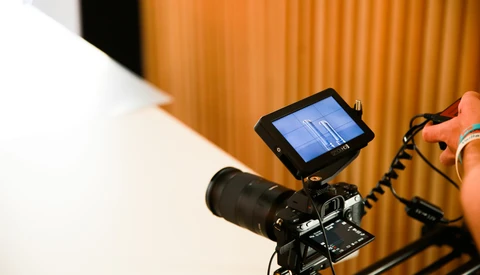
Many visual artists have extreme talent, but no idea how to even charge. What's too much? What's too little? In too many cases, they stop the debate and don't charge for their services altogether. My goal is to start the wheel and get your business in motion. This post and video will give you a starting point.
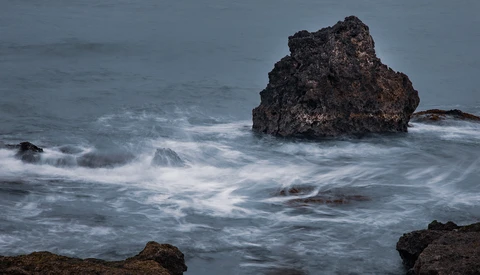
There are some simple yet crucial things that a photographer must learn about the craft that may be seemingly useless at first but helps one move forward much faster.
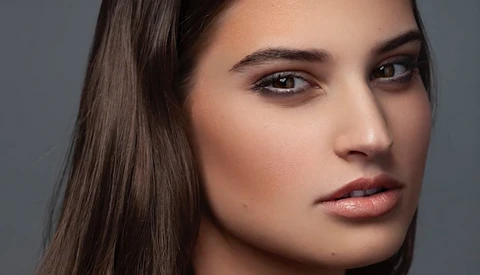
There is a multitude of advanced retouching tools and techniques out there for working on portraits, but believe it or not, many of the world's top retouchers prefer a much simpler technique: dodging and burning. This excellent video tutorial will show you how to use dodging and burning for retouching skin in Photoshop.
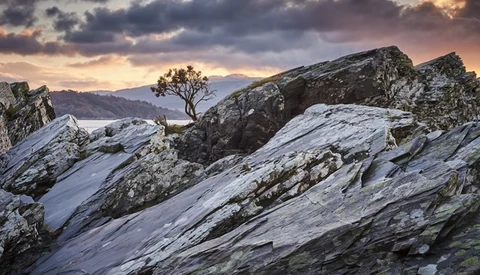
There is a lot of pressure to conform to certain styles, techniques, subject matter, and manners of shooting in photography, but at the end of the day, you answer to yourself and no one else. If you struggle with this, you should watch this thought-provoking video that discusses the importance of staying true to yourself as a photographer.
If there's one thing I've learned over time, it's that there are often different ways to accomplish the same task. Likewise, every Lightroom user does things in different ways. That doesn't make it wrong; it's just different.
Photography is certainly not a cheap endeavor, and it can be difficult to know where to invest your money to maximize your chances of success. Gear is undoubtedly fun, but there is more to success than just that new camera, and this great video explores where you should consider investing your money beyond just equipment.
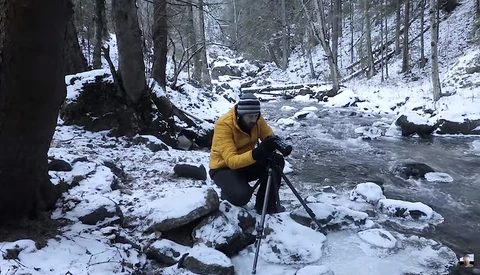
Landscape photography is a genre that takes the confluence of many factors to create a successful image, and a mistake in any of those factors can throw off the entire process. This excellent video discusses five common mistakes landscape photographers make and how you can fix them.
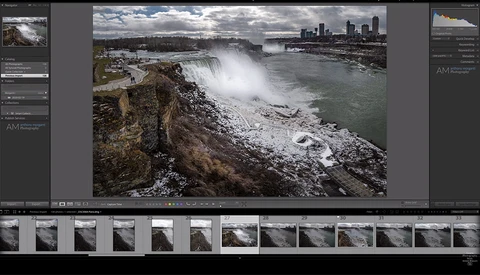
As your career progresses and you accumulate more and more images, you will be more likely to start breaking off into multiple Lightroom catalogs. Eventually, however, you might need to recombine catalogs. This excellent video will show you how to combine multiple Lightroom catalogs while ensuring that everything stays the way it should.
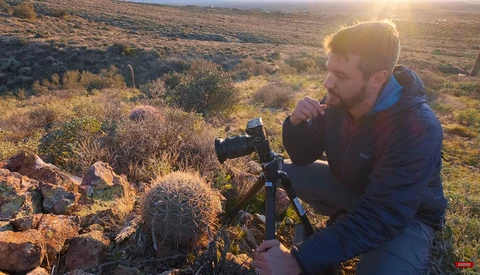
Wide angle lenses are the bread and butter choice for numerous landscape photographers, but they also come with their own unique set of challenges. If you struggle with getting good images with your wide angle lens, this great video will walk you through the process of creating a couple photos using one.
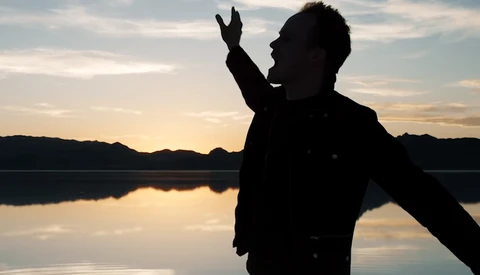
Part of telling a coherent story through video is having a strong command of camera angles and how they can affect the information and emotion you convey to the viewer. This excellent video will show you 12 essential camera angles, what they are used for, and how to properly film them.
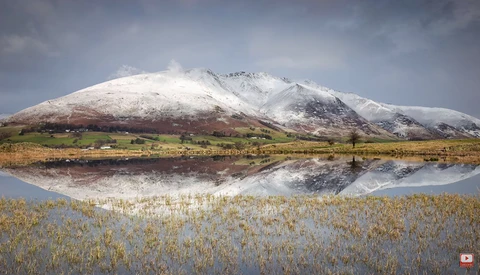
No photographer is perfect, and no one comes home with great images after every single shoot. It is important to remember that things go wrong sometimes, and this great video explores what happens when you simply have a bad day.

One of the advantages to mirrorless cameras is the ability to see an exposure preview of the final photo while composing through the viewfinder or rear LCD screen. Tools like the histogram, focus peaking, and others can also be updated in real time and overlaid on the screen to make more informed decisions. This video, however, unwraps my favorite in-camera tool for Sony cameras.

From rodeo, to baseball, to lacrosse, to soccer, sports photography is an incredibly varied genre with something in it for almost everybody. If you are looking to improve your sports images, you should definitely watch this video in which a seasoned sports photographer critiques a vast range of images and offers a ton of helpful tips and advice.

Whether you are doing it professionally or simply looking to use your skills to capture lasting memories, family portraiture can be a challenging but rewarding genre. This helpful video will show you both how to light and pose family portraits.
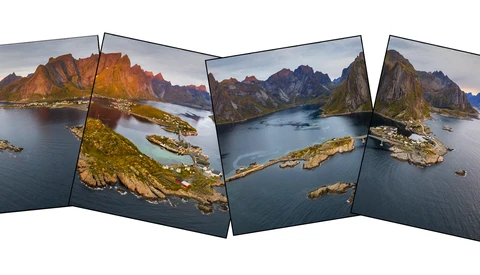
Panorama photos are huge, sharp, and fascinating. In this article, I will show an easy way to automatically stitch a panorama in CameraRaw and finish them off in Photoshop.
Lightroom has become even better and more powerful the past few years and knowing all the little tips and tricks in the software with each new update can be a class in itself. Here’s five techniques you may not know that the Adobe raw processor can do to help you make better images faster and easier.
Is there ever a reason to shoot JPEG over raw when photographing people and clients? Let’s have a quick discussion about when it may be beneficial to photograph in JPEG or raw and why you might choose a lower quality file at capture versus the full digital negative.