Five Creative Habits Every Filmmaker Should Adopt
It’s common knowledge that to master a craft you have to practice it every day.
It’s common knowledge that to master a craft you have to practice it every day.
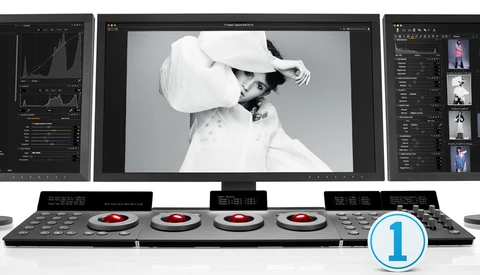
After releasing a tutorial video together, Phase One and Pratik Naik are teaming up again but for a 60-minute webinar this time. It’s your chance to see and learn all the color tricks the beauty and fashion retoucher uses to get incredible results with any image using Capture One Pro.

I'm a symmetry snob. If you are going for the down the center shot, get in the middle. It may seem obvious but at the end of the day a few inches can make a huge difference and actually make or break your photo. So as much as you want to start filling that memory card, slow down and make the fine tune adjustments.
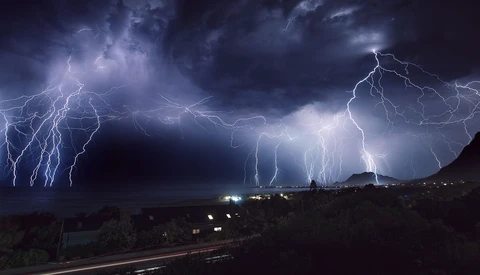
I love visiting the countryside. It's a great way to unwind, relax, and forget about the daily office hustle, the traffic, and whatever else is synonymous with a suburban lifestyle. As a photographer, the first thing I pack is my camera bag in the hopes that I'll get a chance to capture some landscape shots. What I did not expect is to get more than I bargained for.
When you're in a bit of a photographic rut, where do you look for inspiration? Do you look at other photographers? If you're stuck and wondering how to reinvigorate your creativity, perhaps the answer is to look outside photography completely.
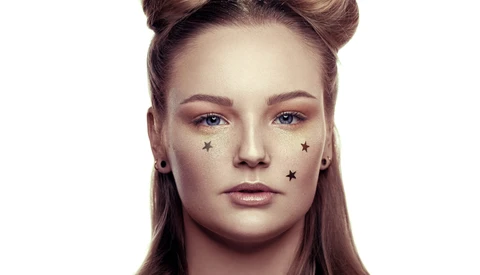
Going through retouching related Facebook groups, it seems like the frequency separation trend is fading away. Some people even call the images edited with split frequency "filtered" as if it was as bad as using some kind of filter. Instead, many are learning to grow some appreciation for the art of dodging and burning.
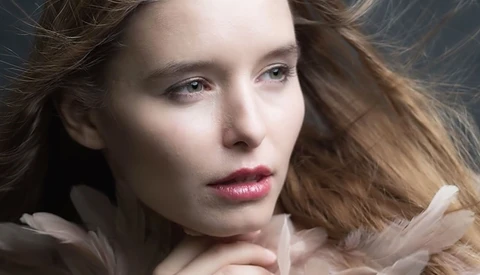
When creating portraits in your studio, there are instances when you may opt for a shallow depth of field, which produces portraits with a more artistic flair. In this video, Gavin Hoey describes some techniques for maximizing that look of a shallow depth of field portrait.

Editorial assignments can be both boring and quite interesting. Most of the time that depends on the photographer's attitude, not the budget. Let me show you how I approached a project where I had to make portraits of a motivational speaker and influencer.
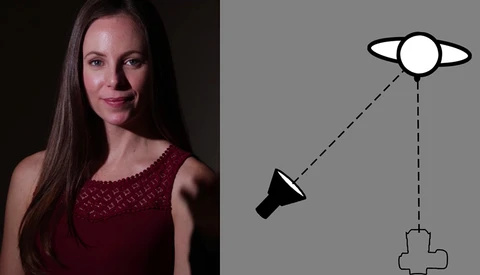
If you want to master photography, master light. This great tutorial shows how manipulating the position of lights creates both dimension and texture in an image.
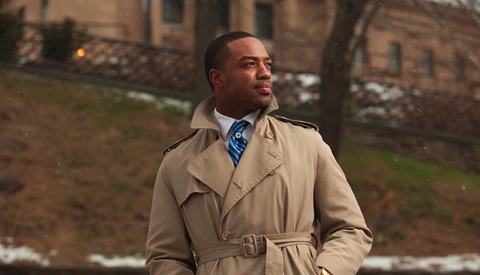
Lightroom has some quick and powerful tools for color correcting your images. This great tutorial walks you through all of them, whether you prefer one-click adjustments or full manual control.
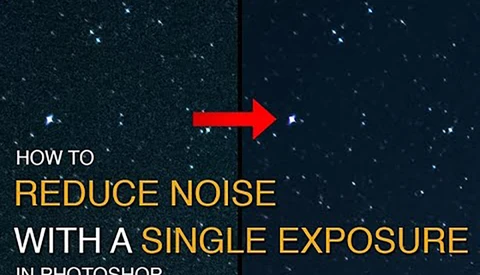
We have featured a few techniques to reduce noise on night sky images using multiple exposures. For a change, Greg Benz shows us how we can achieve almost similar results with images we shot in a single exposure. The process is slightly more complex than when having multiple frames, but surprisingly, the final image is quite clean!
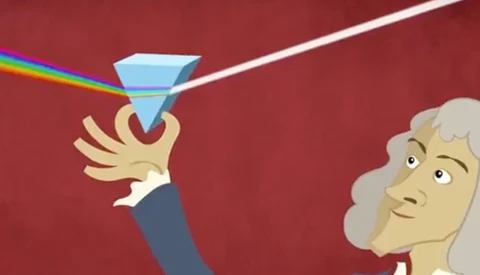
Have you ever thought about it? Light is the fastest traveling thing that we know to exist. Joe Hanson, Ph.D, presents ideas for the YouTube Channel "It's OK To Be Smart." He takes us through the history of light.

Cold and moody processing is quite trendy lately. As I’ve been watching a lot of movies and cinematography tutorials, I began mimicking that cinematic feel in spite of myself. While lighting and makeup both play a big part in the final look, the post processing is critical as well. Here’s how to achieve it using Capture One!
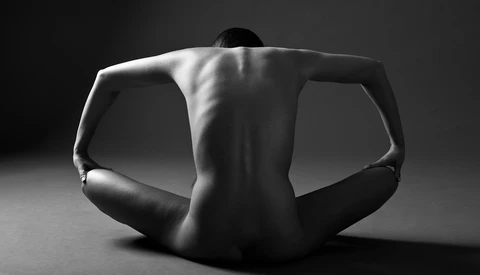
Sometimes the only things standing between us and achieving our photography dreams is... ourselves.
They are always so beautiful up on the wall. We live in an age dominated by the disposability of digital images. Where one’s thrift when swiping left or right on a phone is considered a skill set. Where its often said that if an image doesn’t exist online, it doesn’t… exist.
![There Is Nothing Like Photographing a Sunrise [Part 3]](https://cdn.fstoppers.com/styles/med_16_9/s3/lead/2017/03/cape_cod_sunrise_dock_photo.jpg.webp?itok=-VoO2ukn)
The third and final sunrise in this series was by far the easiest to pull off and the most successful. Once again our setting is on a family vacation, except this time it featured Grandparents. Close your eyes (after the sentence of course) and imagine yourself alone about to enjoy a sunrise all to yourself on a beautiful beach in Cape Cod, MA.
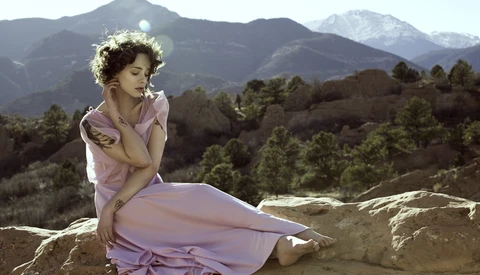
Constructive Criticism is a unicorn in online photography groups; much sought after, but rarely found. Good constructive criticism, or CC as it's often referred to, can be some of the most helpful and growth inducing feedback a photographer can receive but, in the wrong hands, it can be a sword that cuts confidence to ribbons.
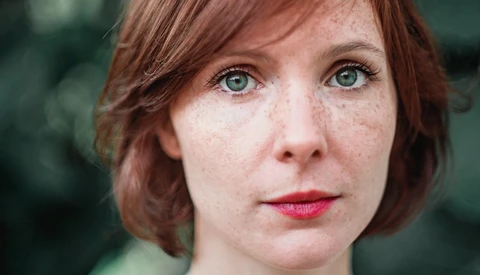
The modern sleep-optional lifestyle means that more and more of us have permanent bags under our eyes, which in turn means being able to retouch them is a required skill. This great tutorial will show you how to do so in almost no time.
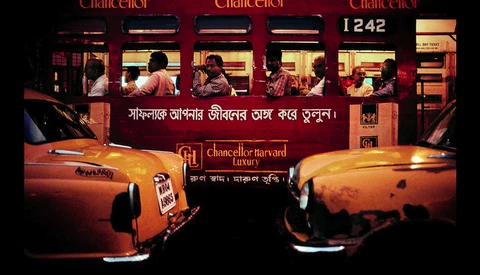
Color is beautiful, color is powerful. The greatest photographers have complete control of the use of color in their images. This great video walks you through many examples of their work and shows off just what an important tool it is.
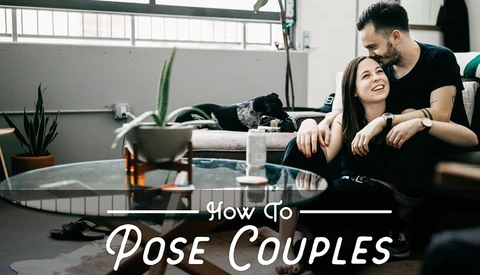
Their title may mislead you into think this is just another step one, two, three, posing tutorial but lifestyle and wedding photographers Rachel Gulotta and Daniel Inskeep along with Carlton Banks (a.k.a. Mango Street Lab) are quick to point out that it's directing, as opposed to posing, that gets results.
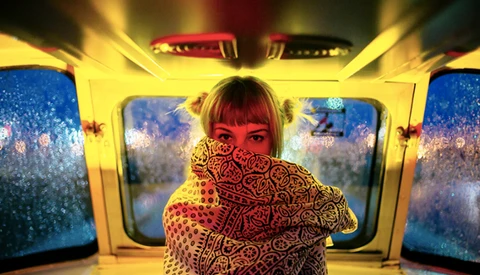
So, you’ve discovered a passion for photography and after lots of practice, you’re starting to feel more and more confident in your skills. Great! But what comes next? How do you take this growing passion from a hobby to a full-fledged career?
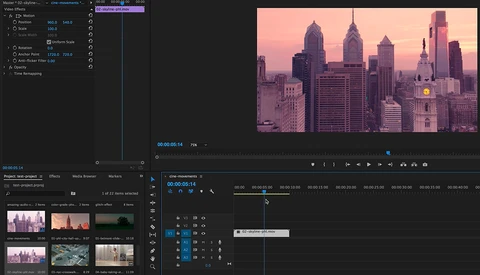
Camera movements can take great footage and push it over the edge to make it spectacular. This awesome tutorial will walk you through five such movements that you can create all from within Premiere Pro.
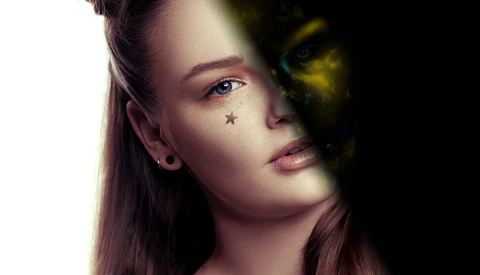
Dodging and burning is an art in itself when used to clean up images. For example, when retouching beauty shots or portraits, it can take a really long time and require a high level of precision to yield beautiful results. What’s extremely frustrating is that our viewers and clients often don’t understand how much really goes into such work.

Seldom is as much thought given to what the subject will wear than when preparing for a newborn photography session. Clients will often choose a color scheme to complement the baby room, or will select a relatively neutral palette, so that the finished artwork will look appropriate in any room.
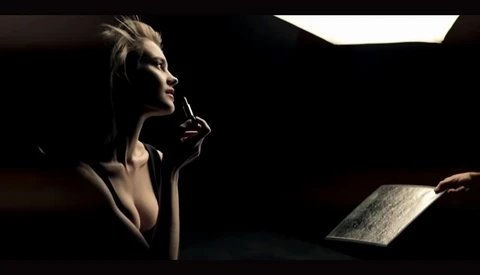
There are many different ways to learn photography. For me, one of the biggest keys to improving my craft has always been observational learning. I find that watching others do things I’d like to do is both inspiring and educational. It’s one of the reasons why I try to watch at least a couple of behind the scenes videos every day.

When starting out in photography, the number one obstacle I encountered was finding opportunities to learn from mentors.

Potential leads may not book you for many reasons. Maybe you are out of budget completely for them, maybe your style is not on par with what they wanted, or perhaps it was just not the right time for them. Knowing how to work with your leads can help create a solid stream of clients to book you solid throughout the year.
Camera movement can convey a lot more than you may think. Whether it’s intentional or not doesn’t matter. Your audience will feel a certain way depending on how you are moving the camera. So, before you go out and shoot your next video, be sure to watch Film Riot's latest tutorial in which they talk about the different movements possible and what you could use them for.
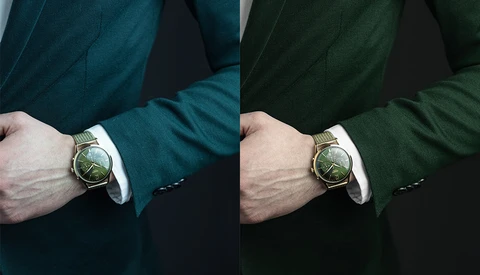
One of the most obvious telltale signs of an unprofessional commercial or product image is color. The most famous and readily cited issue is color grading, but it's not the only problem and the uniformity of color is often neglected. That is, the even color of the object or two objects' colors truly matching.
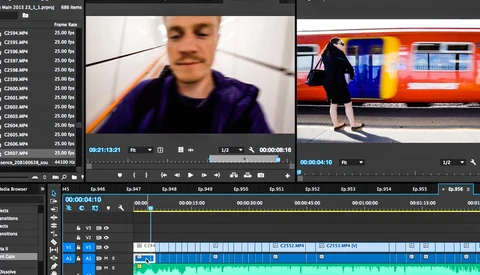
With the recent addition of albums to Instagram, photographers have a fantastic opportunity to add videos such as behind the scenes, short vlogs, or even short clips along with their images. However, if you are like me, cinematography is kind of a new world.
I’ve seen more than my fair share of articles regarding the joys and pitfalls of being paid on time. A very vital part of making a living in any profession is, after all, actually getting paid. But rather than rehash the terrific advice I’ve seen from other shooters about the best way to invoice, I thought I would offer you another perspective. That of the accounting department.
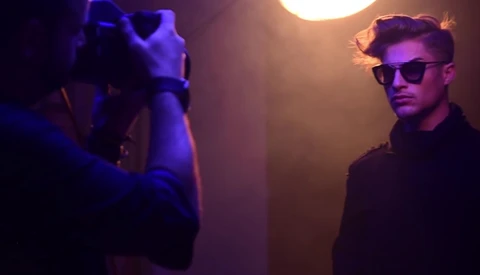
Fstoppers is at it again with another amazing tutorial. This time, Clay Cook is bringing his talent as an advertising and editorial photographer to the table. Based in Louisville, Kentucky, Cook has worked for a variety of local, national, and international clients.
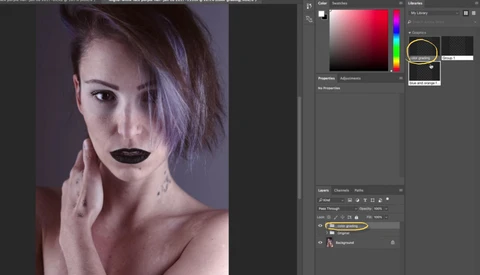
What is your workflow when you have to give the same color toning on a set of images? I guess like me you open an image, make your changes, then copy all those layers one by one to the other files. This sounds a logical and easy way, until you watch this video from Steven Spaulding.

Are you an interior photographer, or simply aspire to create better interior images? Mango Street Lab is back with another short video tutorial outlining five basic tips that may help improve your interior photography.

It’s not every day that you get a chance to learn from the best in our industry for free. Even if that’s just a 20-minute long tutorial, there’s always something to take away! Phase One teamed up with retoucher Pratik Naik to offer you a simple and comprehensive video on color toning in Capture One.
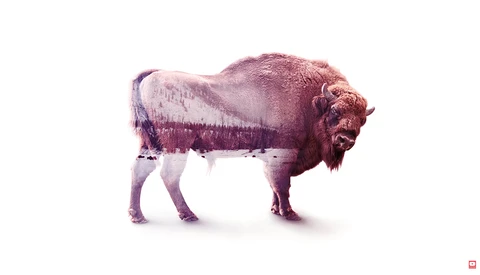
Got a spare minute? Pick one of these videos and learn a new Photoshop technique.
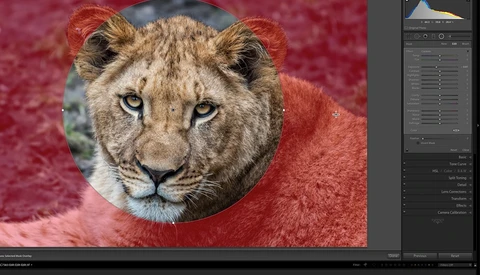
Lightroom's Radial Filter Tool is one of the most useful local adjustment features in the program, allowing you to easily mask in a wide range of changes. While most of us are aware of its utility, this great video provides a few tips and subtler features you might not be aware of.
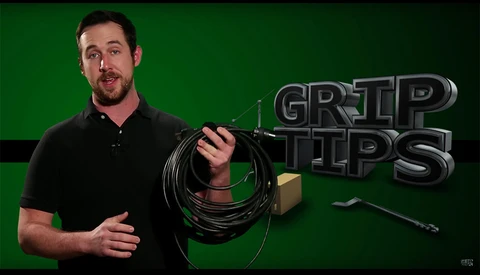
If you're a fan of the informational videos put out by folks like The Slanted Lens, Film Riot, and theC47, then you'll also want to check this one out. Grip Tips focuses on tools of the trade for grips and electricians working on a film set, but the equipment that's explained could also be found in a photography studio as well.
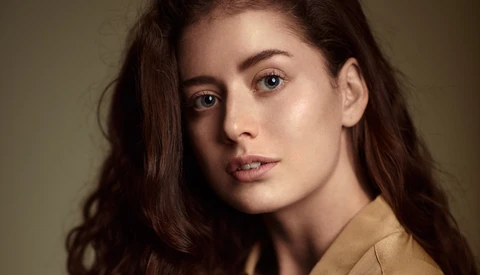
When looking at retouchers’ portfolios, you can separate the great ones from the rest by looking at their color correction. For example, when skin tones are not uniform, it makes the makeup artist look terrible just as much as the retoucher.
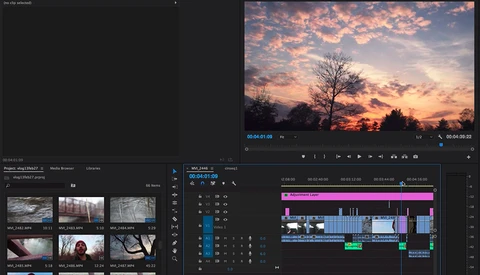
Some view editing as the place where the magic happens, while others see it as a necessary evil before they can get back out to shoot some more. Either way, we'd all love to be more efficient at it. These five tips will help you speed up your workflow in Adobe Premiere.
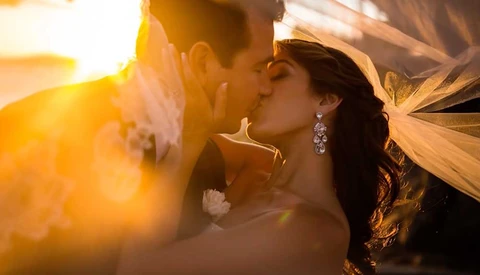
Every wedding photographer has their favorite lens for photographing the couple. Some swear that shooting at 200mm produces the most flattering portraits, while others love the sweeping view of the surrounding environment that is showcased when composing with a wide-angle lens.

Pricing has always been a subject of interest for photographers. Whether you practice high-end commercial photography or you take beautiful family portraits, understanding and determining a just pricing strategy for you and the client is very important.
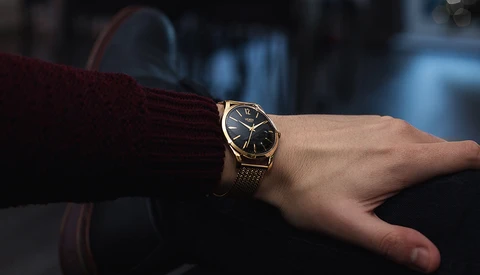
Generally speaking, losing detail in your image is a bad thing. However, there is a creative way to do so that is most commonly employed in cinematography, known as "crushing the blacks." I alluded to this technique in my recent article on creating your first Photoshop actions and I received a number of queries about this technique.
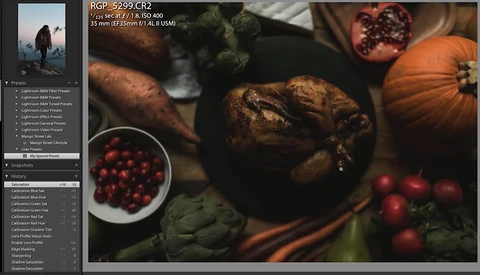
Presets are kind of awesome. They're one of the best ways to drastically increase your efficiency in Lightroom and create more consistency between your images. Here's how to create your own.
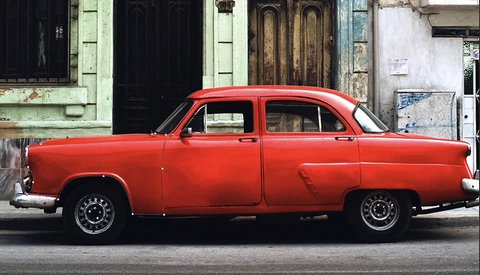
The better you are at selecting things, the better you are at Photoshop. It's one of the most fundamental skills. This great tutorial will teach you a multitude of ways to effectively and efficiently make selections in the venerable app.

Every photographer is always on a quest for sharper photos, but many only have a vague idea of how to actually create sharper images. The obvious is fairly well known such as high shutter speeds, closed down aperture, keeping ISO low, etc. There are also quite a few other minor techniques that can make a huge difference and are often ignored.
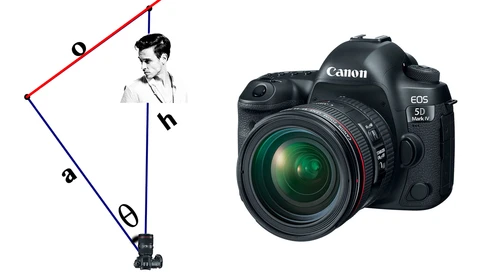
Focus and recompose is an extremely common method for getting around AF sensors with limited AF point spread, but it's an imperfect technique that could be causing you more issues than it's worth.

At this point in our lives, the majority of us have come to understand our capabilities and our limitations. If we were never good at sports, we have come to accept this as truth. If we are great at math, we have likely received this "gift" and possibly moved into a career field where we can maximize the ease of which numbers have come to us.
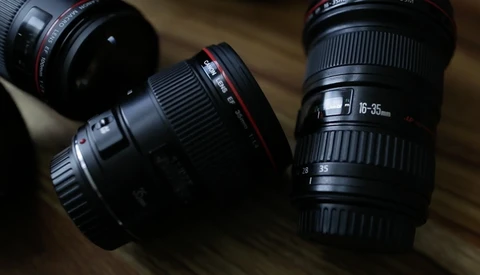
There are literally thousands of lenses out there, and knowing which one to choose for your work can be a daunting task. By answering a few questions for yourself, though, you can narrow down the selections to the right choice.
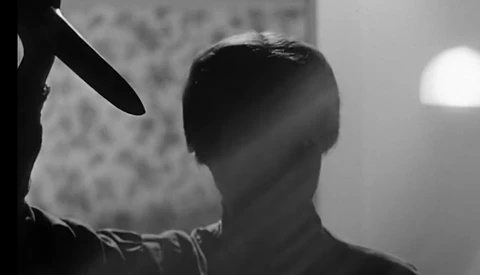
If you're at all interested in cinema or filmmaking, you undoubtedly have watched Alfred Hitchcock's work. Its influence continues to this day. This great video breaks down just what it is about his films that makes them so enduring and compelling.
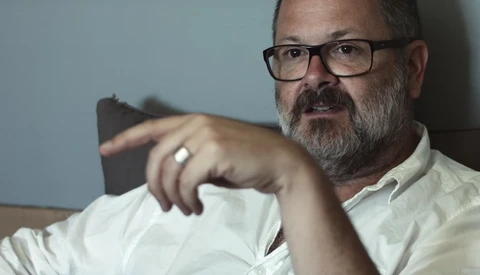
We live in a world constantly fascinated by technology. We want the TV with the greatest definition. We want the tablet with the shiniest screen. And, as photographers, we always want the most expensive gear and the most elaborate new toys. But the more you grow as an artist, you'll quickly realize it's the man that makes the equipment, not the equipment that makes the man (or woman).