Film Photography

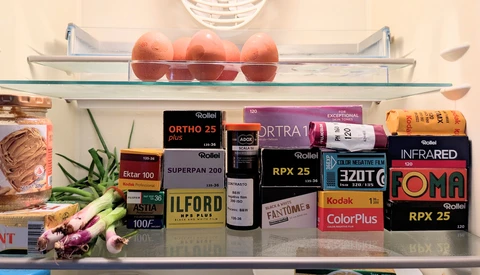
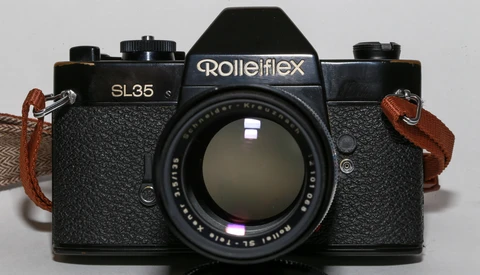
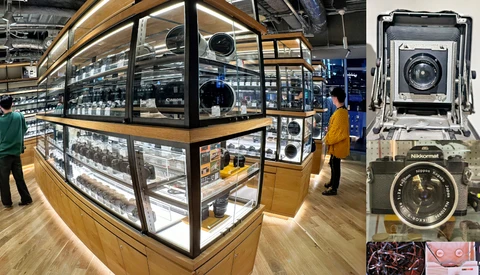
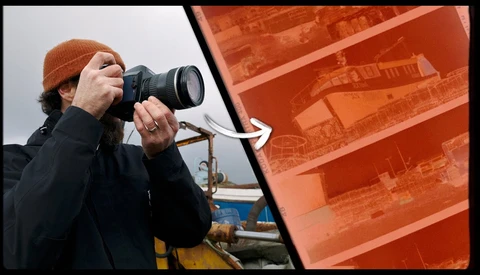
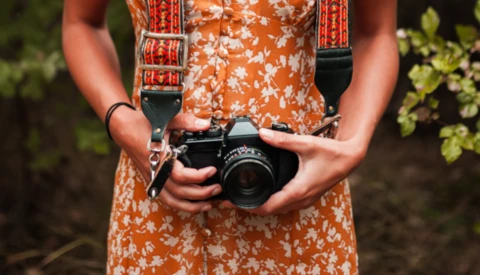
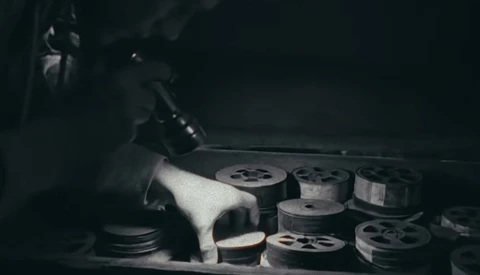
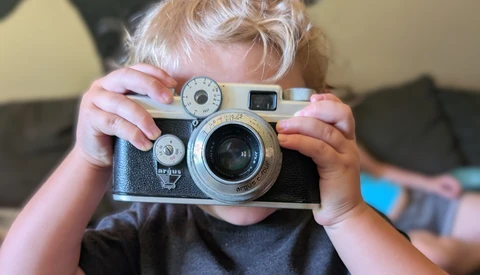
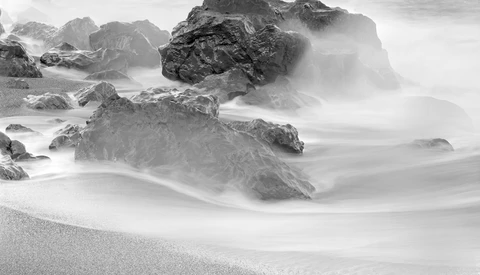
Film photography never really went away — and for a growing number of photographers, it's become more relevant than ever. There's something about the deliberateness of analog shooting, the texture of grain, and the chemistry of the darkroom that digital hasn't fully replicated. This section covers film cameras old and new, film stock comparisons, darkroom techniques, and the communities keeping analog photography alive.

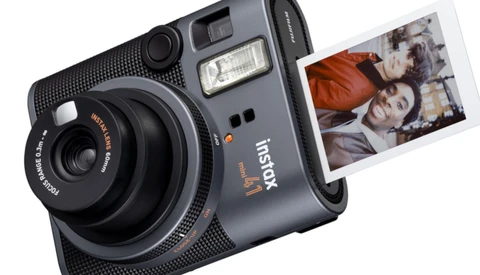
Stop Letting Memories Die On Your Phone With Wide Prints

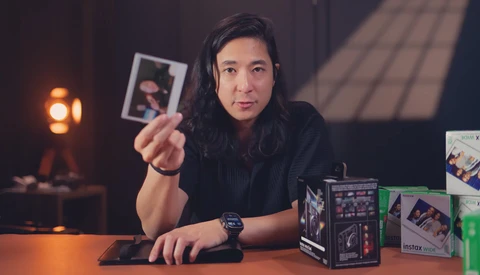
Instant prints change the energy in a room and turn quick snaps into keepsakes you can pass around. A hybrid instant camera that lets you shoot, tweak, and print on the spot gives that feeling back without trapping memories on a phone you’ll never scroll again.

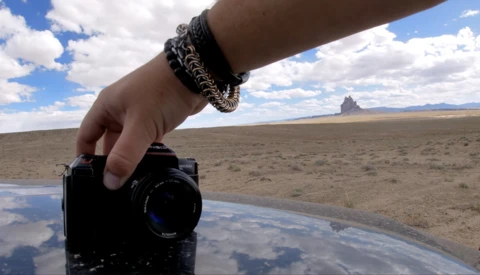
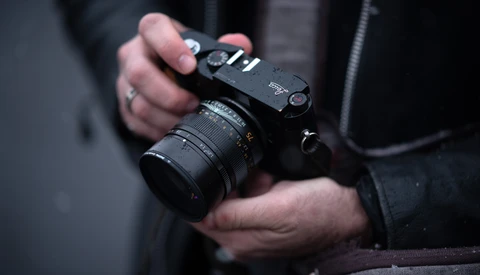
Testing the KEKS Leica M-Meter in the Wild

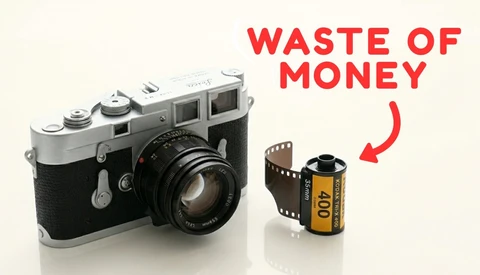
The Leica M3 defined an era—an icon of precision engineering that still inspires photographers seven decades later. The KEKS M-Meter revives that legacy, bringing modern metering to classic M bodies without sacrificing the mechanical purity that made them legendary.

Five Film Photography Mistakes Even Experienced Shooters Still Make

Film photography isn’t just about getting the shot right. It’s about managing a process filled with quirks, habits, and mistakes that even experienced shooters still make. You’ve likely loaded a roll, fired off a few frames, and realized something went wrong—not with your skill, but with your setup or attention. These are the kinds of lessons that only come with time and repetition.

6 Brilliant Camera Features That Digital Photography Forgot

Every time I load a memory card into my camera, I think about the satisfying mechanical click of loading a fresh roll of film. Modern digital cameras are technological marvels, packed with computational photography, eye-tracking autofocus, and in-body stabilization that would seem like science fiction to photographers of the 1990s. But in our rush toward the future, we've left behind some genuinely clever innovations that solved real problems in elegant ways. These weren't gimmicks or marketing features. They were thoughtful solutions born from the unique challenges of film photography, and some of them reveal just how much we've gained and lost in the digital revolution.
What Happens When You Try to Shoot Film That’s 80 Years Old

Expired film doesn’t just shift colors or create funky tones. Once it’s old enough, it can completely fail, leaving you with nothing but blank frames. That risk is especially real with rolls from the 1940s and 50s, where the materials themselves may have already broken down beyond use. Experimenting with this kind of film can be fascinating, though.

Why Gen Alpha Might Be the Last Generation to Discover Film Photography

Walk into any thrift store today and you might see it: a teenager with blue hair and earbuds thumbing through a dusty bin of film cameras, holding up a Canon AE-1 like it’s a time machine. For Gen Z, film was the cool rebellion—the antidote to megapixels and algorithms. They rediscovered what their parents left behind, turned Kodak Gold into an Instagram aesthetic, and made a $50 point-and-shoot worth five times that on eBay.

Show Them What You Want Them To See: Controlling Where the Eyes Go

One of the most important things we can do when we are engineering our photographs is to control, or to direct, where we want the viewer’s eyes to go—what it is that we want them to see. To do that, we must use the architecture of the image to bring visual interest up in the areas that are most important and find ways to diminish what we either want to hide or at least subdue in interest.

Instant Coffee, Instant Noodles… and Now, Instant Leica?

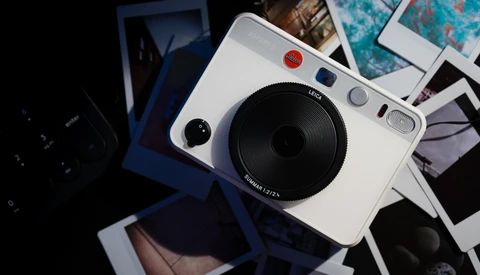
Film may be back in style, but instant photography has become the life of the party—thanks to Fujifilm and Polaroid. Now Leica, a name tied to photographic excellence for over a century, has stepped into the ring with the SOFORT 2. The question is simple: Can the masters of precision still deliver when the goal is fun, fast, and instant?

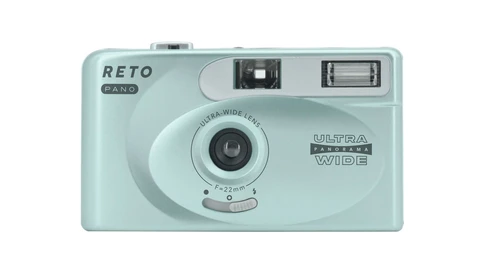
Reto Pano Review: Poor Man's Xpan for $35

The Reto Pano is the latest addition to Reto’s growing family of affordable and fun film cameras. With its built-in flash and panorama mode, this little point-and-shoot promises a nostalgic 90s shooting experience at the accessible price of just $35.

The Timeless Appeal of Shooting Film on the Leica MP

The Leica MP may have been released in 2003, but it feels more relevant than ever. While new cameras and smartphones flood the market every year, a film body like this manages to stay useful long after the excitement of new tech fades. That longevity makes it worth a closer look if you care about the process of shooting as much as the results.

40 Years With the Nikon FE2: A Companion That Never Quit

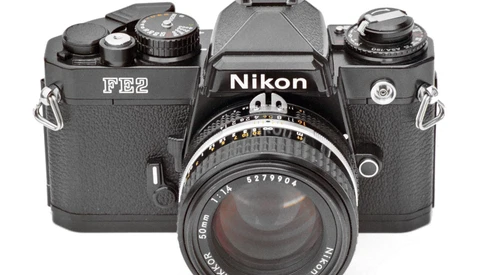
It’s easy to lose track of how quickly new cameras come and go. In a digital era where product cycles last 12 months, photographer John P. Wineberg’s relationship with a single tool feels almost radical. In his recent vlog, “40 Years With This Camera!” he celebrates the Nikon FE2 and the 50mm f/1.8 lens he bought as a college student in 1985. His video is more than a gear chat; it’s a reflection on what happens when you spend decades with a single piece of equipment and how it shapes the way you see.

Film Photography in the Digital Era: Why Analog Still Matters in 2025

In 2025, photography has never been faster or more automated. Cameras track eyes at 60 frames per second and send 45-megapixel raws to your phone in seconds. Yet thousands of photographers are loading Kodak and Ilford rolls, proving film isn’t dead—it’s thriving as a cultural counterpunch.

Why Film Photography’s Revival Refuses to Die: Insights for 2025

Thomas Heaton drops a quick gut check on the state of film: remember when old point-and-shoots gathered dust in thrift stores, then suddenly became flex pieces on Instagram? Overnight, Contax compacts leapt from a few hundred bucks to nosebleed prices. That wave carried a lot of us back into the darkroom.

My Thoughts—and Solution—To The Film vs. Digital Debate

Some say film photography is better than digital. Film has a more organic, natural look. Shooting with an analogue camera is a better experience and a purer form of photography. Others say digital photography is better because computer technology makes photography easier. You can shoot more frames and focus quicker, and experiment more by shooting more without the need for a second mortgage. Buckle up, this might get ranty.

Why Gen Z Is Ditching Digital: 5 Reasons Film Photography Is Experiencing a Renaissance

In an era where smartphone cameras can capture 4K video and AI can enhance photos beyond recognition, something unexpected is happening in photography studios and college campuses across America. Young photographers are deliberately choosing 35mm film cameras over cutting-edge digital equipment, creating a renaissance that has film manufacturers scrambling to meet demand and camera shops dusting off decades-old inventory.

10 Premium Medium Format Film Cameras Worth Buying in 2025

These 10 exceptional medium format cameras represent the absolute pinnacle of analog photography technology, where legendary manufacturers pushed engineering boundaries to create tools worthy of the world's most demanding photographers. From the whisper-quiet precision of legendary rangefinders to the modular perfection of Swedish engineering icons, these cameras deliver image quality and shooting experiences that justify their premium pricing through decades of proven professional performance.

10 Amazing Medium Format Cameras That Won't Break the Bank in 2025

Medium format photography offers image quality that makes even the best full frame cameras look ordinary, and 2025 presents the perfect opportunity to dive into this magnificent world without emptying your savings account. Whether you're seeking the dreamy bokeh of 6x7 negatives or the tack-sharp detail that only larger film frames can deliver, these ten exceptional cameras prove that professional-quality medium format film photography remains accessible to dedicated enthusiasts willing to embrace the analog experience.

Can This Gadget Really Turn Your Old Film Camera Digital?

Film photography has undeniable charm, yet the hassle and cost can be hard to swallow. Digital convenience is appealing, but it sacrifices the tactile joy of analog gear. This device aims to give you the best of both worlds by turning your film camera into a digital camera.

Why Waiting a Week for Photos Made Them More Precious

The most valuable photographs you've ever taken weren't the ones you saw immediately on your camera's LCD screen. They were the ones you had to wait for—sometimes a week, sometimes longer—wondering if that perfect moment you thought you captured actually materialized on film. This isn't nostalgia talking; it's psychology, and understanding it reveals something profound about how we value images in an age where we take more photos in a day than our grandparents took in a year.

Why Are We Doing Film Photography Again?

I visited my local camera store in Canada recently and chatted with the guy working there about film photography. He confirmed what I was already experiencing from spending too much time on YouTube, telling me how popular it’s become and how the popularity continues to grow. He said it’s mostly younger people getting into film photography, and they can’t keep a used film camera in the display case for more than a few days; they get snapped up. Why is that?

What It Felt Like to Use Your First 'Real' Camera

There's a lie we tell ourselves about photography equipment: that the camera doesn't matter. It's a comfortable fiction that lets us sleep at night, convinced that our artistic vision transcends mere machinery. But here's the uncomfortable truth that every photographer who lived through the transition from point-and-shoot to SLR knows deep in their bones: the moment you first wrapped your hands around a "real" camera, everything changed.

Why Modern Photographers Will Never Understand the Anxiety of Having Only 36 Shots

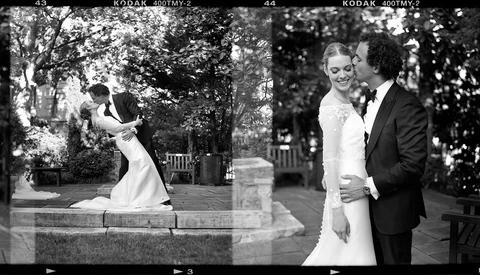
Picture this: You're standing in perfect golden hour light, watching a bride and groom share their first dance as married partners. Your light meter reads perfectly, your Nikon F4 is loaded with fresh Kodak Portra 400, and you've got exactly seven frames left on the roll. Seven. The pressure in your chest isn't just excitement—it's the very real anxiety that defined an entire generation of photographers who learned their craft when every single exposure had tangible, immediate value.

Is Film Photography Still Cool in 2025?

Film photography made a big comeback over the past decade, but where does it stand today, in 2025? The journey of film's revival and its current relevance is something worth understanding, especially if you're considering picking up an analog camera.

Is the Most Expensive Film Camera Worth It After Eight Years of Waiting?

The Hasselblad Xpan remains one of the most coveted and controversial cameras in film photography, commanding prices between $4,000 and $7,000 for a body and lens. This panoramic 35mm camera promises a cinematic shooting experience that fundamentally changes how you approach composition, but the question remains whether it lives up to the massive investment.

The Extinction of the Photo Album: When Pictures Had Physical Homes

Walk into any modern home and observe where family photographs live. They exist as ghostly presences scattered across hard drives, trapped in smartphones, or floating in cloud servers owned by distant corporations. The physical photo album—once the sacred repository of family memory—has virtually disappeared from domestic life, taking with it an entire ecosystem of memory-making rituals that shaped how families understood their own stories.

How Photographic Magic Can Be Found in the Ordinary, Everyday World Around You

In a culture of sensational media competing for our attention, an obvious path to dramatic images is to point your camera at dramatic stuff. But this photographer wants to show us the compelling beauty of the banal and the everyday that is, for most of us in this busy world, hidden in plain sight.

Master Street Photography on Film With These Essential Tips

Shooting street photography on film offers a unique way to engage more deeply with your environment. Film requires intentionality and mindfulness that digital doesn't always demand, making it especially rewarding when done thoughtfully.

Lessons From a Damaged Film Roll

Mistakes are an unavoidable part of film photography, often teaching lessons far more memorable than successes. You may be all too familiar with the frustration of putting effort into your photos, only to ruin the results later in the development stage through impatience or oversight.

Photograph With the End in Mind

Always photograph with the end in mind. Make life easier for the guy in the darkroom, or the person in Lightroom—usually you.

What It Was Like in 1995: The Lost World of Casual Photography

Imagine taking a photo and not seeing it for a week. Imagine every click of the shutter costing real money. Imagine gathering your family around the kitchen table to pass around actual printed photographs, holding them up to the light, flipping them over to read date stamps printed in orange numbers.

RolleiFlex Struggles: Vintage Camera Realities

The RolleiFlex 3.5F, with its classic Schneider lens, holds a special place in film photography—when it works. Reliability can be tough, but photographers keep coming back because when it's good, it’s outstanding.

Documenting Solitude: A Residency Amid Wyoming’s Wilderness

Several years ago, I got a call one morning from the head ranger at Bighorn National Forest in Wyoming. He was inquiring if I would be interested in participating in Bighorn National Forest’s initial Artist in Residence program. That was during the COVID shutdown, and my state was really locked down—we couldn't even go camping in a state park! So, yes, absolutely yes.

Essential Tips for Shooting Film While Traveling

Camping across Europe, camera in hand, can teach you a lot—not just about traveling, but about taking meaningful photos. Beyond gear choices or film types, it’s about developing a mindset that ensures your photos reflect genuine experiences instead of mere tourist snapshots.

When Does a Photograph Stop Being a Photograph?

Capturing reality was never photography's sole purpose—it always flirted with imagination. But in an age dominated by digital tools and AI, how far can we push photographic art before it stops being photography?

If in Doubt, Crop It Out

They say a picture is worth a thousand words, but sometimes, a few of those words need to be cut. Cropping isn’t just about trimming an image—it’s about sharpening the story you want to tell.

My Field Review of the KEKS KF01 Flash

Photography gear is constantly evolving, redefining what it means to be “professional.” Once, carrying massive DSLRs and powerful flashes was the mark of a serious photographer—now, smaller, more efficient setups are taking over.

The Challenges and Rewards of Large Format Photography

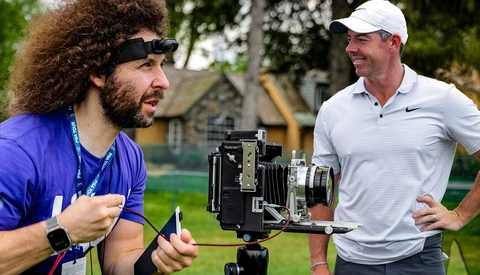
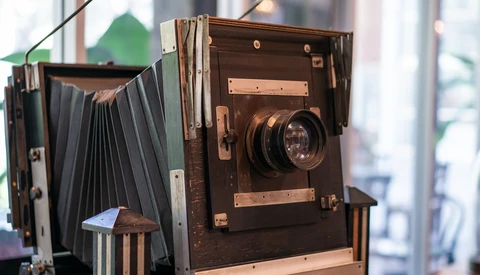
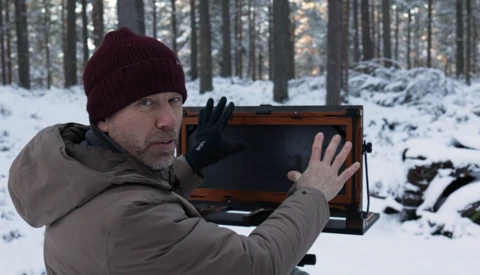
The way people shape the landscape reveals what they fear and value. In places like Southern California, where natural conditions are harsh, you can see clear signs of these priorities. Fireproof landscaping, seismic retrofits, and massive infrastructure projects that bring water and power to Los Angeles all tell a story of control, adaptation, and sometimes exclusion.