Photography Gear

Gear isn't everything — but it's not nothing either. This section covers the cameras, lenses, accessories, and equipment that photographers actually use, with an eye toward helping you make smart decisions rather than just chasing the latest release. Expect news, analysis, hands-on impressions, and the occasional reality check on whether that upgrade is actually worth it.

The "Fun Camera" Effect: Why People Buy Worse Cameras

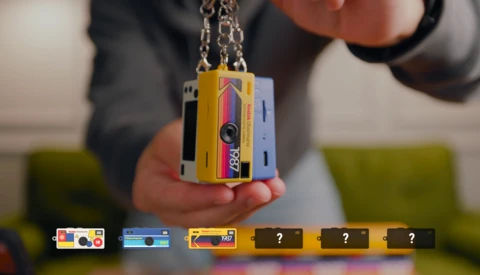
There's a particular kind of cognitive dissonance that happens when you spend months researching dynamic range charts, reading MTF curves, and comparing autofocus systems, only to find yourself genuinely excited about a plastic camera with a 1.6-megapixel sensor that hangs from your keychain.

Why Camera Upgrades Feel Incremental and Why Leica Still Feels Different

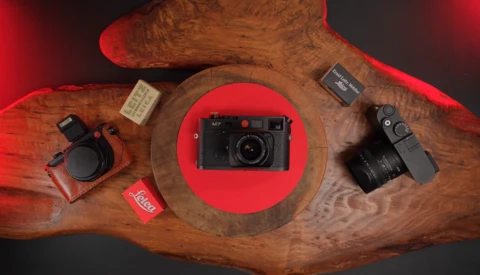
Decades ago, when a new iteration of your favorite camera model was released, you looked forward to seeing the meaningful improvements the new model offered. Today, the Mk II version of a camera is likely to be almost indistinguishable from its predecessor. The only time the new offering is unique is when that camera was made by Leica. 

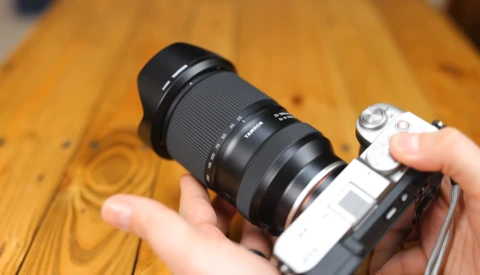
The Tamron 25-200mm f/2.8-5.6 G2: The Superzoom Lens for You?

A do-it-all zoom sounds like freedom until you hit the usual traps: soft corners, jittery focus, and a slow aperture right when you need light. The video takes the Tamron 25-200mm f/2.8-5.6 Di III VXD G2 into an actual portrait shoot and treats it like a real tool, not a spec sheet. 

Mechanical Shutter vs. Electronic Shutter: When Each Wins

The photography internet loves a good "this technology is dead" narrative, and mechanical shutters have been on the chopping block for years. Every time a manufacturer announces a new mirrorless body with blazing electronic shutter speeds, someone declares that physical shutter curtains are finally obsolete. The reality is considerably more interesting.

The Precision Myth: A Photographer's Guide to Bit Depth

You've captured what you believe is the perfect sunset. The light was extraordinary, your composition was deliberate, and the histogram looked pristine. You import the file into Lightroom or Photoshop, apply a standard S-curve to add some contrast, and suddenly your beautiful sky transforms from a smooth gradient into something resembling a topographic map.

The Age Old Debate: Zooms vs Primes. Which Side Are You On?

I have long wavered between being a "bag 'o primes" shooter and a zoom lens shooter in my personal work. Sure, as a photojournalist and sports photographer, the choice was always easy: zooms. But for everything else, are zooms the best choice? 

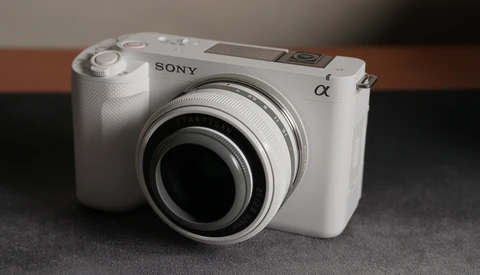
Will Sony Ever Make a Retro Camera?

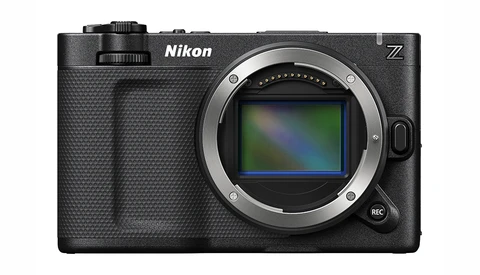
Fujifilm has built an empire on it. Nikon proved it works at full frame. Canon is openly entertaining the idea, with an AE-1 tribute rumored for this year. And Sony, the company that defined modern mirrorless photography, is nowhere to be found. 

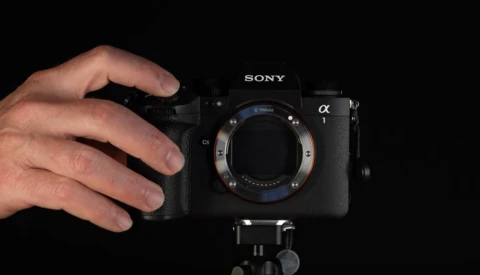
Sony a1 II Long-Term Review: What $7,000 Really Gets You After Months of Use

You’re probably eyeing the Sony a1 II because you want one body that can handle sports, wildlife, portraits, and serious video without feeling like a compromise. The catch is that it’s priced like a long-term decision, so small differences in handling, tracking, and video tools turn into real wins or real regret. 

Tamron 25-200mm f/2.8-5.6 G2: The Real Tradeoffs of a One-Lens Setup

A single-lens travel setup sounds simple until you try to cover 25mm through 200mm without hating the compromises. The Tamron 25-200mm f/2.8-5.6 Di III VXD G2 aims straight at that problem, and the details in this review land right where your real-world shooting gets messy. 

The Gear Priorities Most People Get Backward

You can waste years buying the wrong gear if you never decide what kind of work you actually want to make. This video helps you sort what’s worth paying for, what can wait, and what will still be useful after your next upgrade cycle. 

When a Firmware Update Is Worth Installing (And When It’s Not)

For some photographers, firmware feels like a dirty word—especially for beginners. Should you install every update that appears, or leave things as they are if your camera works fine? For many, it starts with a more straightforward question: What is firmware, and why does it matter? 

The Leica Test Nobody Explains: How Your Framing Habits Get Exposed

You keep hearing that a Leica can change how you shoot, but it is hard to separate myth from real shifts in how you see and move. This videop puts that question in a messy, real setting, then pulls out a few specific changes that might sound small until you recognize them in your own contact sheets.

The Spec Sheet Is a Dead End. These Cameras Found Another Way.

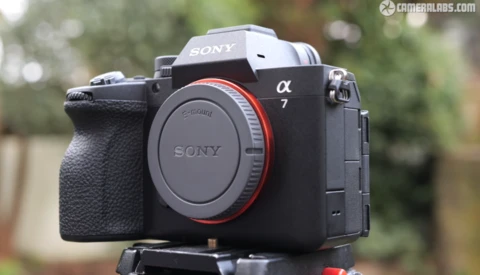
Pick up a Sony a7 V. Now pick up a Canon EOS R6 Mark III. Now a Nikon Z6 III. All three cameras launched in 2025. All three hit roughly the same resolution. All three offer comparable autofocus performance, similar video capabilities, equivalent build quality, and nearly identical ergonomics. They are, for most practical purposes, the same camera wearing different logos. 

The Fun of a $35 Toy Camera That Can Reset How You Shoot

The Kodak Charmera Keychain Digital Camera is a tiny Kodak novelty that looks like a toy and sometimes behaves like one. It’s still the kind of device that can change how you shoot on a normal day, especially when you’re sick of chasing perfect files. 

Medium Format Is the New Full Frame: What's Next?

There was a time, not so long ago, when medium format digital photography existed in an entirely separate universe from the rest of the camera market. It was a universe populated by wealthy commercial photographers and the occasional landscape obsessive who had saved for years to afford a system that promised marginally better image quality than what everyone else was using.

The $275 vs $399 85mm Choice That Looks Simple Until You See the Tradeoffs

85mm portrait primes get marketed as “special,” but the real story is how fast they focus, how they handle, and what you trade to save size and money. If you shoot people on Sony E-mount, this head-to-head is the kind of comparison that can keep you from buying the right focal length in the wrong package. 

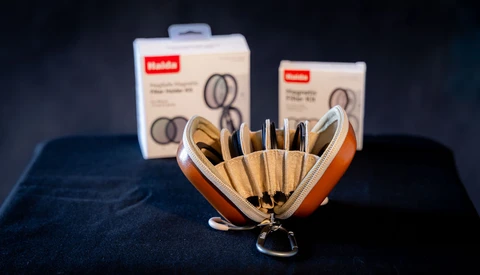
Dreamy Distortion: Creating Images with the PolarPro Center Split Filter

The PolarPro Center Split Filter is the latest in-camera optical tool designed for photographers and filmmakers who want to push their visuals beyond the ordinary. Rather than relying on digital effects during post-production, this filter creates a dreamy aesthetic during capture. 

The Leica Q3 Monochrom: The 28mm Trap You Might Love

The Leica Q3 Monochrom is the kind of camera that forces a decision: commit to black and white at capture, or keep color as an escape hatch. If you care about low-light street work, high-ISO texture, and files that hold together when you push them, this one sits right on the fault line between “tool” and “habit.” 

The Practical Camera Buying Advice the Internet Ignores

Buying a camera in 2026 can feel like getting cornered into more megapixels, more features, and more expense than your shooting actually demands. If your gear keeps getting bigger while your camera stays in the bag, the real cost is lost time and missed photos. 

Sigma 35mm f/1.2 DG II | Art vs Sony 35mm f/1.4 GM: Sharpness Isn’t the Whole Story

A lens like the Sigma 35mm f/1.2 DG II | Art isn’t just about getting more light, it changes the way depth and perspective sit together in a single frame. If you shoot people, street, or any scene where the background needs to fall away without turning into mush, 35mm at f/1.2 can be the difference between a photo that feels ordinary and one that has bite. 

Upgrade Urge Test: When A New Camera Actually Helps

That itch to upgrade hits hardest when the camera on your desk is already “good,” but your photos still feel stuck. Using the Sony a7R V as a real example, tTom the emotional noise that makes a checkout button feel like a solution. 

When a Wide Angle Lens Is a Mistake

A wide angle lens is a tempting choice at White Sands National Park, and it’s also an easy way to come home with files that look flatter than what you saw. The video tackles that gap between what feels dramatic in person and what actually reads well in a frame. 

Anker Nano Charger (45 W, Smart Display) Review: The Tiny Charger You'll Want to Buy

Ah chargers, the unsung heroes of our camera bags. When Anker sent over their new Nano Charger with the built-in smart display, I was skeptical. A screen on a wall charger? It seemed like a solution in search of a problem. After a week of daily use, I can admit I was wrong. This little charger has genuinely changed how I think about portable power. 
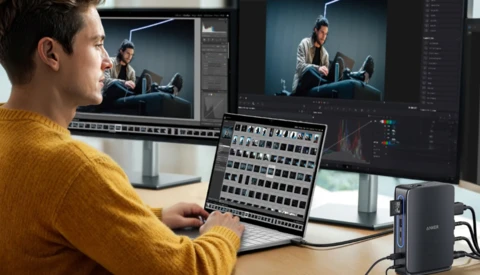
Anker Nano Docking Station Review: It Has a Trick Up Its Sleeve

If you're like me, you've accumulated a small graveyard of USB-C hubs and docking stations over the years. There's the one that lives on your desk, the compact one you throw in your bag for travel, maybe a spare floating around somewhere because you forgot you already had one.

A 200mm f/2 You Can Actually Afford: But What’s the Catch?

A 200mm f/2 lens used to be the kind of gear you only read about, not something you actually consider buying. The Laowa 200mm f/2 AF FF is trying to change that, and the real question is what you give up to get the look at a price that does not feel absurd. 

Hasselblad X2D II 100C vs. Fujifilm GFX100 II: The Real Decision Points

Hasselblad just made the medium format question harder in a good way, with the Hasselblad X2D II 100C landing as a real-world tool instead of a studio-only trophy. If you’ve been eyeing medium format but keep hesitating over speed, handling, and file pain, this video circles the exact pressure points you actually deal with. 

Stop Buying Lenses: 5 Boring Pieces of Gear That Will Save Your Career

You know the feeling. You're scrolling through reviews at 11 PM, convincing yourself that the new 85mm f/1.2 will finally unlock your creative potential. Your current 85mm is perfectly functional, but this one has slightly better autofocus tracking and a new nano-coating that promises reduced flare in situations you encounter maybe twice a year.

When a Teleconverter Helps and When It Hurts Your Shot

You keep running into the same wall: the bird is small in the frame, and the choice turns into a crop that feels thin or a teleconverter that might cost light and focus speed. This video breaks down when a 1.4x teleconverter beats cropping and when cropping is the smarter move if you care about detail and print-ready files. 

When f/1.4 Is Worth It and When f/2.8 Wins

A $1,000 gap between a 35mm f/1.4and the 35mm f/2.8 sounds dramatic until you look closely at what that extra aperture actually changes. If you shoot people, events, or fast-moving scenes in fading light, this choice affects sharpness, noise, and how much control you really have when conditions get difficult. 

Ricoh GR IV Monochrome: The Real Difference a Monochrome Sensor Makes

The Ricoh GR IV Monochrome is a small camera with a single-minded idea: record light, not color, and make that choice permanent. If you shoot black and white often, this kind of sensor-level commitment changes how you expose, how you judge texture, and how far you’ll actually push ISO. 

Canon EOS R6 Mark III Field Test: Heat, Autofocus, and 40 fps

You’ve probably wondered if the Canon EOS R6 Mark III is a real step forward or just another mid-cycle refresh with nicer specs on paper. This field session puts it in heat, shade, and constant motion, where small misses turn into blown shots. 

Fujifilm instax mini Evo Cinema: A Dial-Driven Take on Instant Cameras

The Fujifilm instax mini Evo Cinema is trying to turn instant prints into something closer to a deliberate creative tool instead of a novelty. If you care about prints that feel considered rather than accidental, this camera forces you to think about how much control you actually want before the photo comes out.