Fstoppers Originals

Exclusive articles and expert opinions written by Fstoppers’ talented team of creative professionals. Here we cover everything from the latest photographic techniques to advice on running a successful photography business, to first hand accounts of working in the photography industry.

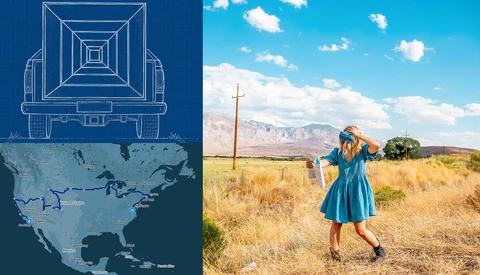
Creating a Mobile Photography Studio Across America

This September, we are turning our Toyota Tacoma into a mobile photography studio, building a custom set into the truck bed, and driving it 7,500 miles across the United States, photographing that same set against dramatically changing landscapes along the way.
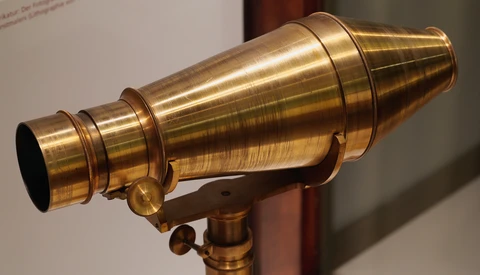
 

Joseph Petzval Calculated the First Fast Portrait Lens in 1840 and Watched Someone Else Get Rich

By May 1840, a mathematics professor in Vienna had finished a lens before a single piece of glass had been ground for it. Petzval worked the design out on paper, with a squad of army computers grinding through the arithmetic under his direction, and the result gathered roughly 20 times more light than the lens sitting on the front of a typical daguerreotype camera.

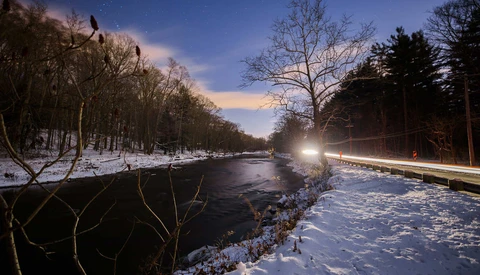
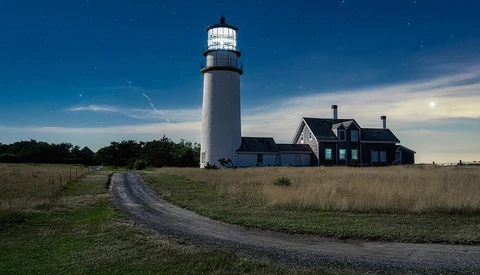
A Tale of Two Coasts: Night Photography Made Easy From Cape Cod to Cambria

Night photography along the coast: it's evocative, eternal, calming—and surprisingly easy. While many of us enjoy hiking miles into the wilderness, you can create alluring night photos just steps from the car, right at the water's edge. Lighthouses, moonlit water washing over tide pools, and historic piers: the coast offers more night photography subjects than you might expect.

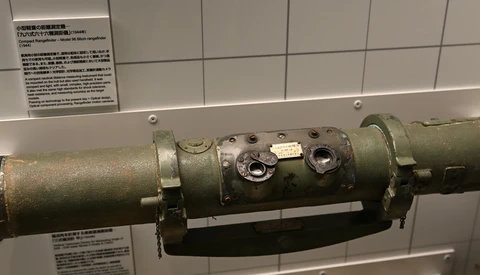
10 Technologies Photographers Inherited From the Military

The zoom ring on a modern 70-200mm traces back to a viewfinder accessory the US Army Signal Corps clipped onto its 35mm combat movie cameras. Frank Back, the Austrian-born engineer who designed it, spent the war improving cameras and lenses for the Signal Corps and then turned the same optical trick into the first zoom lens that caught on.

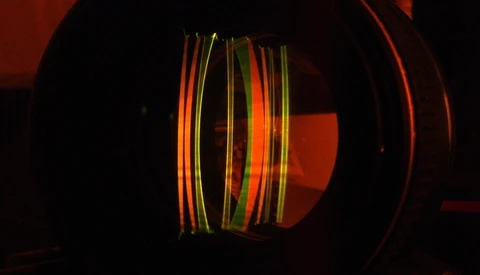
Lens Flare and The Incredible Physics of Modern Lenses

A bare, uncoated air-to-glass surface sends roughly 4 percent of the light striking it back the way it came, and a current professional 24-70mm f/2.8 zoom stacks about 30 of those surfaces in a row. Uncoated, less than a third of the light entering the front would reach the sensor as part of the image.

Take The Photograph While You Can

There is something I have been thinking about recently, and it was not until I returned to a location I had photographed many years ago that it really started to bother me.

How Long Exposures Erase People: The Math of Making Crowds Vanish

Put a 35mm lens on a full frame camera, stand about 20 m back from a plaza, and each pixel in the file covers roughly 3.4 mm of the ground at that distance. A person walking across that view at an ordinary pace clears their own shoulder width in about a third of a second, so across a four-minute exposure they sit over any single pixel for about 0.13 percent of the time.

The First Photo Ever Transmitted by Wire, and the Machine That Sent It

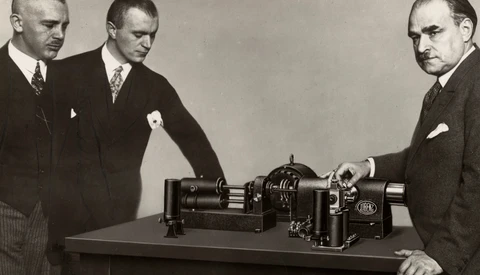
In October 1906, a portrait of the German Crown Prince left Munich as nothing more than a flickering electric current, fought through roughly 1,800 kilometers' worth of telegraph line, and emerged at the far end as a photograph you could actually recognize. No train carried it. No courier, no envelope, no darkroom on the far end printing from a shipped negative.

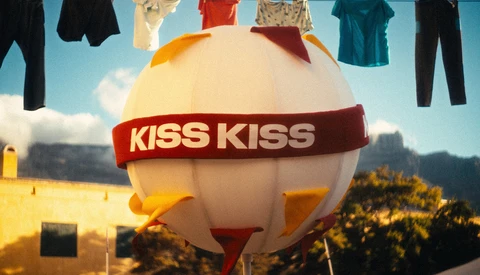
Why Is a $3 Billion MLB Team Insisting This Video Isn't AI?

The Toronto Blue Jays posted an animated short on Tuesday and spent the afternoon telling fans it was not made with AI. Pull the video down and step through it frame by frame, and the props on a stationary wheelbarrow respell themselves four times in under a second. 


We Examined 90 Years of Camera Ads. High-End Gear Was Never Cheap.

Photographers have a myth, and like most good myths it gets told with real feeling, usually in a comment section, usually in all caps somewhere near the end. Cameras used to be affordable. Real cameras, made by people who cared, sold at honest prices to working photographers who did not have to remortgage anything.

The Ultimate Skill for Better Street and Travel Photography

I find people fascinating, and when I see someone interesting when I’m out and about, I often want to photograph them. And I do. Many photographers have commented about this and would love to do the same but don’t feel comfortable or confident doing so.


The Secret That Makes the Creamiest Bokeh in Photography and Why It Remains a Niche

Sony sells a 100mm portrait lens with an f/2.8 aperture that meters like an f/5.6. That is not a manufacturing defect or a marketing rounding error. Sony built a disc of gray-graded glass into the middle of the lens, on purpose, and gave away roughly two stops of light to buy what might be the smoothest out-of-focus blur any lens can produce.

Can a Monitor Really Be Worth This Much? EIZO CG2700X Review

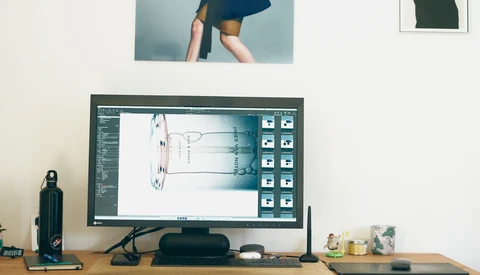
A good monitor is hard to appreciate until you have used a bad one. While we spend decades arguing over which camera has better color rendition, we don’t pay as much attention to the screens we view these colors on. If the screen is wrong, everything is wrong. 

The Story of The Earliest Known Surviving Photo of a Person

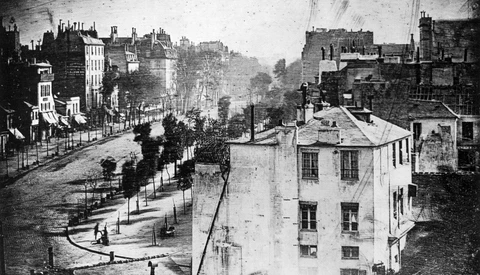
Look at the picture and you see an empty Paris street. Wide sidewalks, a row of trees, tall buildings, and almost no sign of life on what should have been a busy morning. Then your eye catches it: down in the lower left corner, one small figure stands with a foot up on a shoeshine box, and a second figure crouches at his feet.

11 Beginner Drone Mistakes That Can Cost You More Than a Crash

A drone is the rare piece of camera gear that can get you fined, grounded, or into a courtroom before you have taken a single good photo. Most beginner mistakes with a new camera cost you a bad frame. A handful of beginner mistakes with a drone cost you a four-figure penalty, a wrecked aircraft, or an angry neighbor with your registration number written down.

The Five Most Beautiful Cameras Ever Made, and What Made Their Designs Immortal

The most beautiful cameras ever made were not styled to be beautiful. They were built to work, and the beauty is what happened when the engineers refused to hide how the machine did its job. They still sit under glass in collections not because they out-resolve a modern mirrorless body, but because you cannot stop looking at them. 

Want to Capture the Lunar Eclipse Tonight? Here Are Some Tips

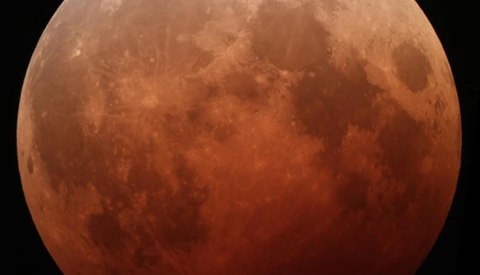
If you missed the big solar eclipse earlier this month, you have a shot tonight and early tomorrow morning at seeing a deep partial lunar eclipse, where about 96% of the Moon will be covered by the Earth's shadow. The result should be a very reddish, blood-moon-like appearance.


How Sony Can Make Their Cameras Perfect

I've used a lot of cameras. I have had hands-on experience with basically every Sony release for the past five years, plus the latest from Nikon, Canon, Leica, Fujifilm, and even Hasselblad. My main workhorse and my everyday carry camera is still Sony.

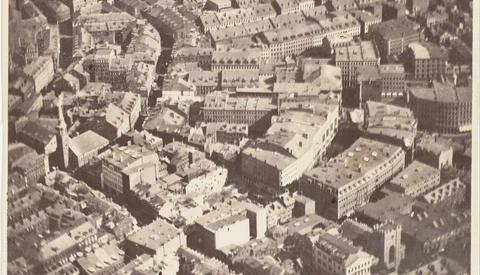
The First Aerial Photograph Was Taken From a Balloon in 1858

In 1858, a French balloonist who called himself Nadar leaned over the edge of a wicker basket tethered above the village of Petit-Bicêtre, just outside Paris, and made the first photograph ever taken from the air. You cannot see it. That plate, and every other aerial photograph Nadar made in those first years, is gone.