Fstoppers Originals

Exclusive articles and expert opinions written by Fstoppers’ talented team of creative professionals. Here we cover everything from the latest photographic techniques to advice on running a successful photography business, to first hand accounts of working in the photography industry.

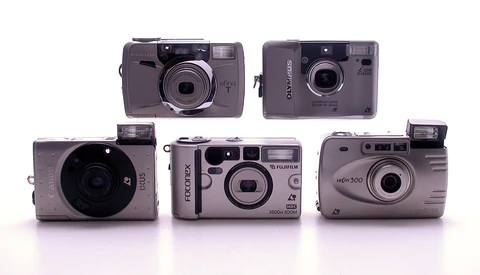
APS: The Forgotten Film Format War of the 1990s

In February 1996, five of the biggest names in photography, companies that spent the rest of the century trying to bury each other, walked onto one stage in Las Vegas and formally launched a film format they had built together in secret. The five of them had already sunk around $500 million into it between them and expected to spend roughly that much again.
No Room for the Generalist Photographer

Two centuries of photography prove some pictures are timeless, but today photographers are forced to pick a lane. Or are we? 

Johannes Brahms’ Sonata No. 1 vibrates from the speakers. Opus 38. I’m told it’s in E minor. Any unsuspecting passersby down below can surely hear it leaching out from these open windows.

How a Photograph Becomes a Statement

Two photographs can be equally strong in composition, light, and technique, yet only one continues to unfold after the first impression. The difference often lies in what the elements of the frame are actually doing.


How I Got the Shot: Photographing Theme Park Rides in the Dark

Who doesn't love a good theme park ride photo? Faces contorted in delicious mixes of fear, anticipation, and fun make for interesting photos. And while it's easier than ever to buy the photos, sometimes all you get is crushing disappointment in the form of thumbnail-sized photos that look like they were taken with a potato. 

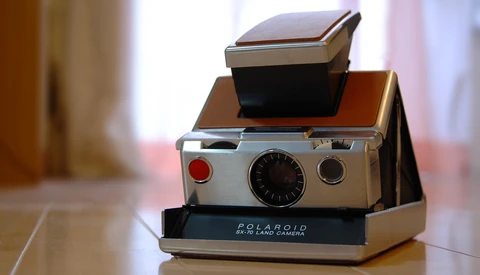
How the Polaroid SX-70 Became the Most Beautiful Camera Ever Made

In April 1972, at Polaroid's annual meeting, Edwin H. Land reached into his jacket, pulled out a camera folded flat enough to hide in a suit pocket, and in about ten seconds fired off five color photographs. There was no timer to watch, no negative to peel away, no wet chemistry to wipe off your fingers.

Five Tips to Improve Your Panning Images

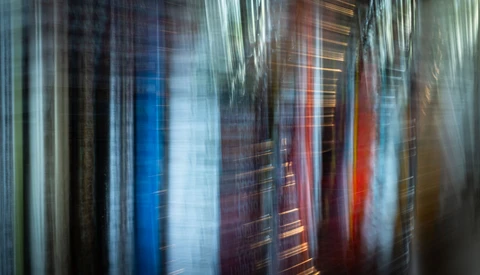
Panning is an integral part of sports and action photography, but mastering the technique can add interest and intrigue to many genres. I am going to break down the five things I consider when trying to create a good panning image.


The ‘Student’ Legend: Why the Pentax K1000 Still Commands Respect

There is no camera more synonymous with "learning" than the Pentax K1000. For nearly 50 years, it has been arguably the best-known student film camera ever made. But in 2026, it's time to stop looking at the K1000 as a "beginner" camera and start appreciating it as a masterclass in "three-dial" simplicity. It does exactly three things: shutter speed, aperture, and focus.

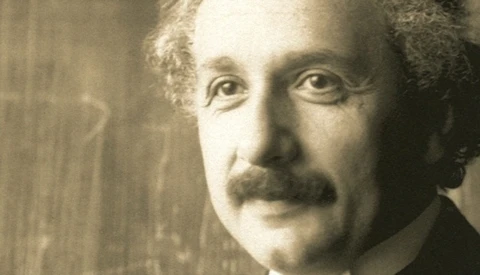
The Photograph That Proved Einstein Right: The 1919 Eclipse Plates

For about five minutes on May 29, 1919, the Moon blotted out the Sun over an island in the Gulf of Guinea and a hard-baked plain in northern Brazil, and two teams of astronomers pointed their cameras at a patch of sky no one could normally see. They were not photographing the eclipse for its beauty. They were trying to measure whether a handful of stars had moved. 

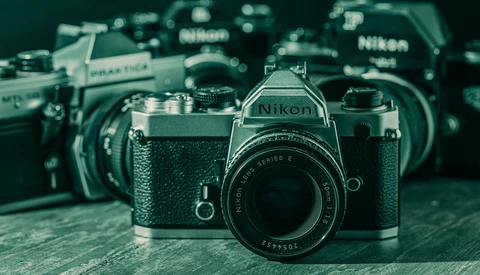
Thinking About Trying Film Photography? Here Are 5 Tips

For the past couple of years, I've found myself reaching for film cameras more often. Not because they're better than digital—they’re not. For the analog look then? No, I believe you can get a film look with digital, if you know your way around an editing app. It’s really because they remind me why I fell in love with photography in the first place.


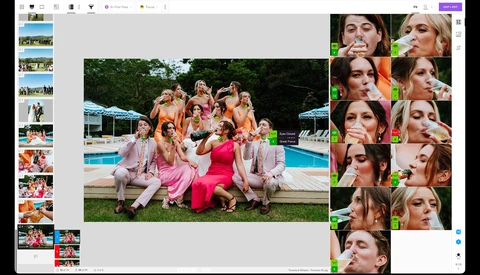
The Best Photo Culling Software in 2026: How Narrative Keeps the Story in Your Hands

The best culling software is the one that gets you to your picks faster without deciding for you. Narrative sorts a shoot by scene, ranks every frame for focus and expression, and shows you why it ranked things the way it did, so the final call stays yours. That last part is what separates it from tools that hand you a finished selection and ask you to trust it.


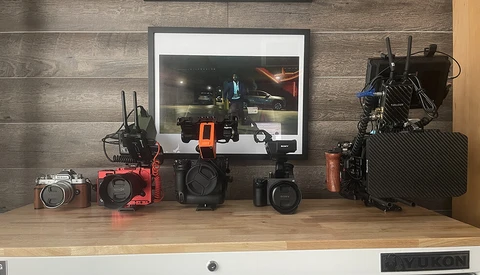
This Is My Perfect Cinema Camera

It’s that time again to sit back and dream about a one-size-fits-all camera that doesn’t actually exist, but really should. 

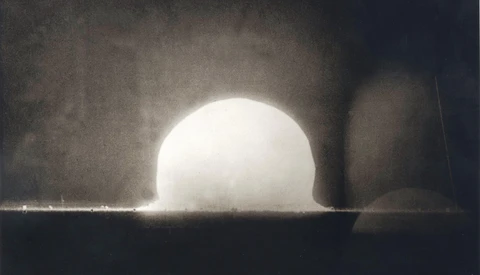
Fifty Cameras in the Dark: How the First Atomic Bomb Was Photographed

At 5:29:45 in the morning on July 16, 1945, in a stretch of New Mexico desert the Spanish called the Jornada del Muerto, the sky turned brighter than the noon sun. Aimed at that flash, tucked into steel-and-lead bunkers and buried instrument boxes ringing a 100-foot tower, sat roughly fifty cameras.

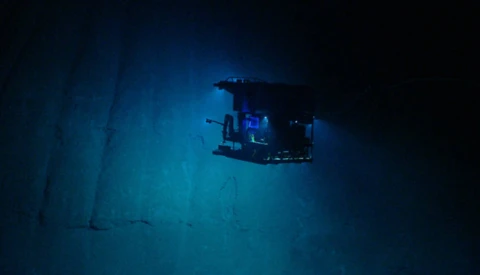
How Scientists Photograph the Deep Sea, Miles From Where the Sun Shines

In 2022, a camera on the floor of the Izu-Ogasawara Trench off Japan, 8,336 meters down, filmed a small translucent snailfish drifting through its beam. No fish had ever been filmed so far down. No sunlight has ever reached that trench, and the light that does exist down there, the faint blue flicker of bioluminescence, is nothing like the broad-spectrum white the camera carries.

The First Photograph of a U.S. President Is a Contested Honor

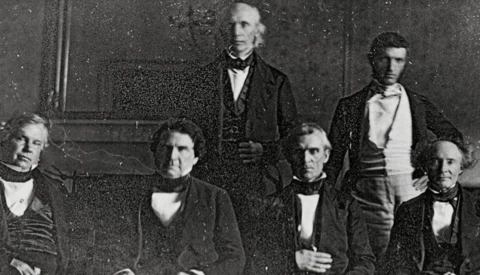
In October 2017, a silver plate about the size of a paperback sold at Sotheby's in New York for $360,500. It is the earliest surviving photograph of anyone who has ever been President of the United States, and the man staring out of it had been out of the office for fourteen years by the time the lens cap came off.

How NASA Blindly Aimed a Camera From Billions of Miles Away

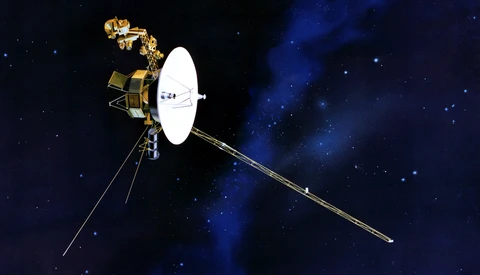
Imagine trying to photograph a moon the size of a fist while flying past it at 45,000 miles per hour, using a camera you cannot see through, cannot focus by hand, and cannot even talk to in real time. Every instruction you send takes hours to arrive. By the time you learn whether a shot worked, the target is long gone, and there is no second pass.

'Lunch Atop a Skyscraper': Unraveling Photography's Most Famous Mystery

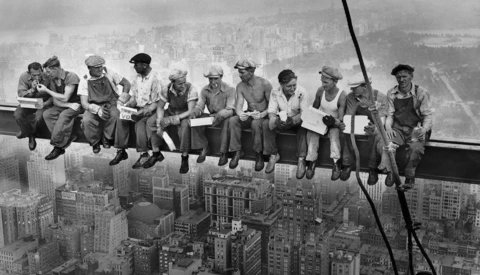
Eleven men sit shoulder to shoulder on a steel beam, more than 800 feet above Manhattan, eating sandwiches and lighting cigarettes as if the drop beneath their boots were nothing more than a curb. There is no safety line, no net, no visible fear. It is one of the most reproduced images of the twentieth century, and almost everything the average person assumes about it is wrong. 

Stop Accepting ‘Constructive Criticism’ on Your Photos

Sharing photography online often follows a predictable pattern. A photographer posts an image to a group or forum, and then the comments start to roll in. Mixed in with the generic "great shot!" remarks, there are always a few that offer constructive criticism.

Murder, Movies, and Horses: The Strange Life of the Man Who Made Photographs Move

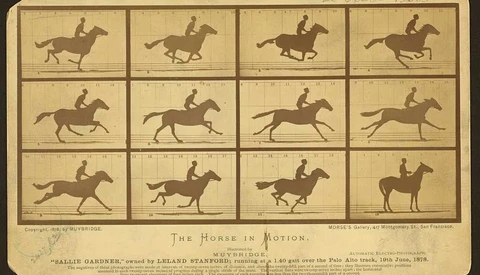
On June 19, 1878, a thoroughbred named Sallie Gardner ran down a track in Palo Alto and broke twelve threads stretched across her path with her chest. Each thread fired a camera. When the plates came out of the darkroom, they answered a question that painters, sculptors, and horsemen had argued about for centuries.


The Ten Rarest Weather Phenomena Ever Photographed

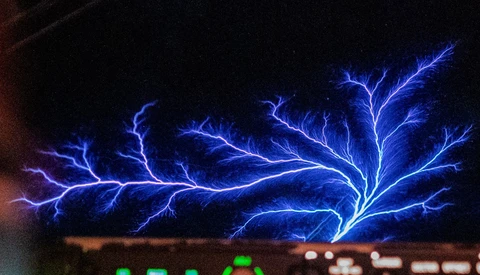
On July 6, 1989, physicists at the University of Minnesota aimed a low-light video camera at a distant thunderstorm to test the equipment and accidentally caught the first image of what is now called a red sprite, a burst of lightning firing upward toward space.