Photoshop

Adobe Photoshop remains the most powerful image editing tool available — and most photographers only use a fraction of what it can do. This section covers Photoshop from a photographer's perspective: practical retouching, compositing and masking, color grading, frequency separation, and the techniques that make a real difference to finished images at every skill level.

Adobe's New AI Credit Cost Preview in Photoshop: What You Need to Know

Photoshop's AI tools are getting more expensive to use, and until recently, you had no way to know what something would cost before you clicked generate. Adobe has quietly added credit cost transparency to Photoshop, and if you're using any of the generative AI features, you should be planning your workflow.

Adobe Quietly Added a New Depth Range Mask to Photoshop

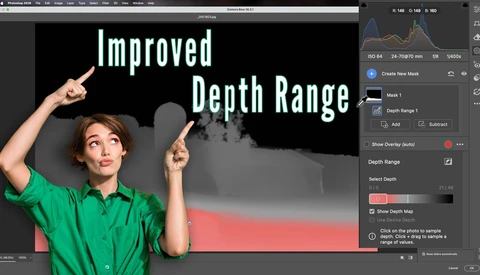
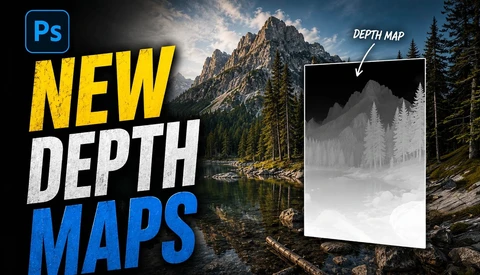
Photoshop's depth range mask just got a quiet but significant upgrade, and most people missed it entirely. Adobe added it to the current shipping version of Camera Raw with almost no announcement, and it changes how you can make localized adjustments based on distance from the camera.

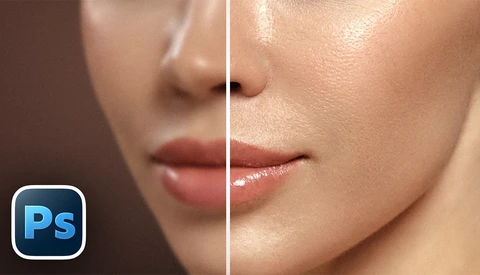
Manual vs. AI Retouching: What Happens When You Zoom In

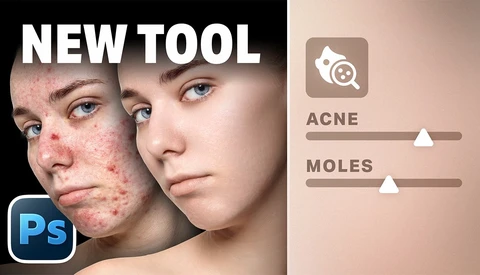
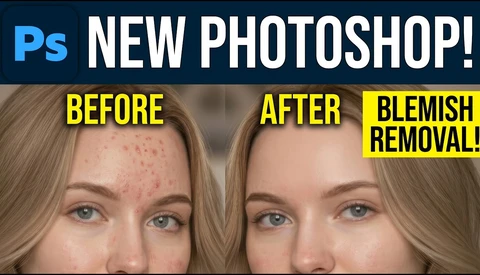
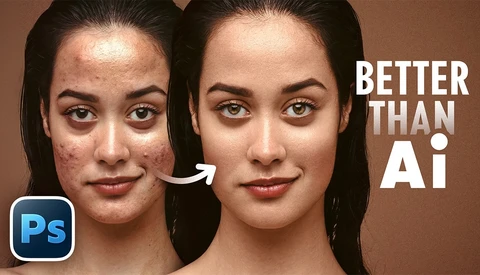
Portrait retouching is one of those skills where the gap between fast and good is enormous. Generative AI can fill in a blemish in seconds, but the moment you zoom in, the skin texture looks synthetic, the pores disappear, and the person starts to look like someone else entirely.

Depth Range Masking in Camera Raw: Adobe's Most Useful New Photoshop Feature

Adobe quietly added a depth map masking feature to Camera Raw in a recent Photoshop update, which lets you isolate specific depth layers in a photo. Unlike subject or background masks, this one lets you target a slice of depth in a scene, from foreground rocks to a hazy midground to a distant sky.

Photoshop 27.6 Has 14 New Features: Here's What Changed

Photoshop 27.6 dropped with 14 new features, and some of them are genuinely useful while others expose real limitations in Adobe's AI tools. Knowing what works and what doesn't before you spend credits on generative fills can save you a lot of frustration.

Nik Collection 9 Releases a Major Update With Color Grading, More AI, and New Filters

The Nik Collection of software tools goes way back to when Nik introduced some editing plug-ins for Photoshop in the 90s. Google bought the tools in 2013 and brought several of the tools together into a collection. But Google, as Google does, sold the collection off to DxO in 2017, and they began to rewrite everything with new code, and released a 7-app collection, adding an 8th shortly thereafter.

Photoshop 2026's Dehaze Tool Is More Powerful Than You Think

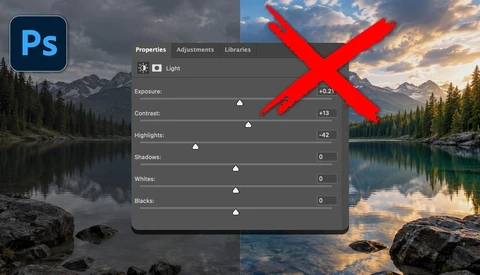
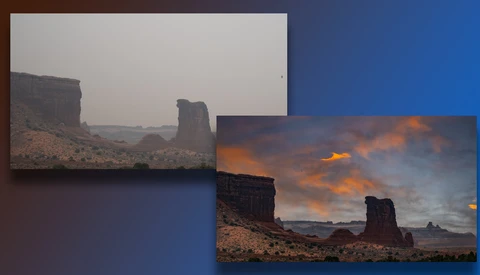
Photoshop 2026 added a Clarity and Dehaze adjustment layer, and if you shoot landscapes or anything with atmospheric haze, it's worth knowing how to use it properly. The catch is that throwing dehaze on an entire image can look heavy-handed, so selecting only the hazy area before applying it makes a real difference.

Adding Texture to Photos in Photoshop: A Step-by-Step Breakdown

Texture overlays can completely change the mood of a photo, and Photoshop gives you precise control over how they blend, how strong they appear, and whether the effect is destructive to your original image. Knowing how to layer multiple textures and then tie them together with color grading is the kind of workflow that separates polished edits from flat ones.

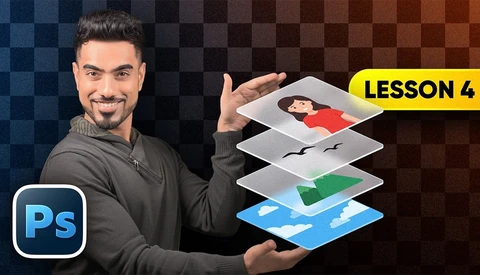
Photoshop for Absolute Beginners: Everything You Need to Know to Get Started

If you've never opened Photoshop before, the interface can feel like a wall of buttons with no clear entry point. Knowing where to start, what to ignore, and how the core pieces fit together makes the difference between actually learning the software and giving up in the first ten minutes.
The Right Way to Isolate and Recolor Clothing in Photoshop

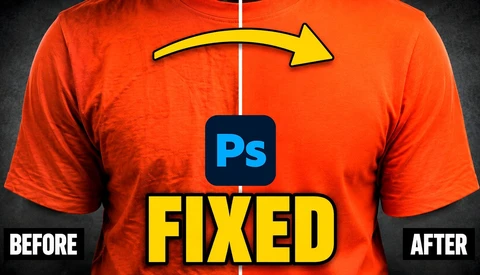
Changing clothing color in Photoshop sounds simple until you realize the color you're targeting also exists in your subject's skin. That overlap is where most attempts fall apart, and fixing it the right way requires a few specific steps that aren't obvious if you're just dragging hue sliders.

Point Color in Photoshop Is the Color Tool You've Been Ignoring

Photoshop has more color-grading tools than most people ever use, and picking the wrong one costs you time and control. Point Color, tucked inside Camera Raw, gives you precision that the standard Hue/Saturation adjustment simply can't match.

Three New Photoshop Adjustment Layers That Change Your Workflow

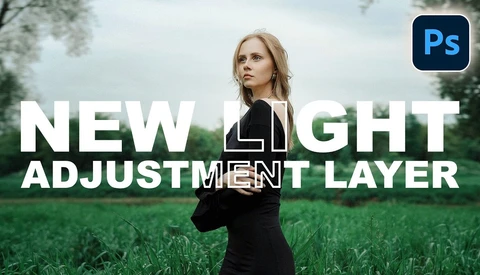
Photoshop 27.3.1 introduces three new adjustment layers: Color and Vibrance, Clarity and Dehaze, and Grain. If you rely on selective edits and non-destructive control, these additions change how quickly and cleanly you can shape an image.

DXO Gives Photographers a Major Update with PureRAW 6

DxO PureRAW has been a go-to item in the workflow of photographers for years. PureRAW launched back in 2021, designed as a tool to preprocess Raw files before they go into an editor. The software de-noises your image, then corrects for defects in your optical path or the sensor. To do this, DxO maintains an extensive database of lenses and sensors so it can match your equipment to the corrections.

Is It Time to Ditch Adobe for These Alternatives?

Adobe now runs on subscriptions, and that monthly bill adds up fast. If you rely on Photoshop and Premiere Pro to get paid work done, the idea of switching feels risky, but staying put can feel just as uncomfortable.

Photoshop 2026 Introduces Generative Fill With Reference Image

Adobe has introduced a powerful update to Photoshop 2026. The Generative Fill feature now supports reference images, allowing users to use a specific visual source to guide AI-generated edits. This allows photographers and retouchers to swap out or add objects, such as jewelry and accessories, to create new iterations of their images without reshooting. It can significantly reduce time spent on complex compositing and detailed Photoshop work that would have previously required manual editing. And this is only the beginning of what this new feature makes possible.

Photoshop’s New Dehaze Layer: The Real Estate Edit That Stops Looking Fake

The new Photoshop update adds adjustment layers that feel tailor-made for real estate edits, especially when a scene is flat and hazy. If you shoot homes, rentals, or interiors, the difference between “fine” and “booked” often comes down to controlled, believable separation in the sky, water, and key surfaces.
How to Get That Color-Flow Poster Style With a Simple Photoshop Setup

You can get a striking, modern poster look in Photoshop without fancy plug-ins, but only if you stop guessing and start building the effect in a logical order. The video focuses on a specific recipe: a clean silhouette, controlled motion blur, and color that behaves like light instead of paint.

Eye Bag Removal in Photoshop That Still Looks Real at 100%

Dark under-eye bags can wreck an otherwise strong portrait, and heavy-handed fixes usually leave that telltale “plastic” skin. In this video, the focus is removing extreme eye bags in Photoshop while keeping texture believable at 100%.

Two Useful New Adjustment Layers for Photoshop Users

Photoshop just added two adjustment layers that used to force a detour through Camera Raw: “Clarity and Dehaze” and “Grain.” If you edit photos and rely on selective control, the shift is that these effects now live where masks, stacking, and quick revisions are already part of your daily flow.

Photoshop 27.3.0 Is Here: The Upgrades You’ll Actually Notice

Photoshop 27.3.0 just dropped, and it targets the exact spots where edits bog down: local contrast tweaks, expansion quality, and cleanup around faces. If you do any real retouching work, this update changes what you can trust inside one PSD without detouring into other dialogs.
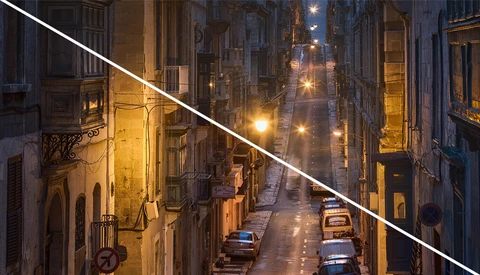
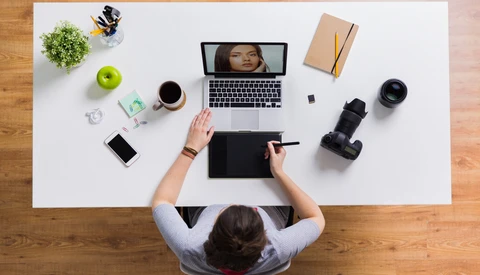
Adobe Photoshop AI Credits: Which Tools Drain Your Balance Fast

AI in Photoshop and Lightroom now comes with a meter running in the background, and it is easy to burn through credits without realizing which button did it. If you shoot and edit photos for clients or personal work, that uncertainty can change how you plan edits, what you try first, and what you avoid touching at all.

Photoshop Inside ChatGPT: What Works, What Breaks

Using Adobe Photoshop inside ChatGPT changes the math on quick edits, especially when the job is small but time is tight. The catch is that the results can look polished one minute and sloppy the next, so knowing what it can and cannot do saves missed deadlines and rework.

The Important Photoshop Tab Clues You’re Probably Ignoring

Tiny marks in your Adobe Photoshop document tab can quietly signal problems that cost time, color accuracy, or even a full edit. If you have ever seen an asterisk or a hash and ignored it, there is a good chance you have chased the same confusion later when a file suddenly looks off.

Photo Colorization That Stays Realistic

Restoring color in a black-and-white photo can go sideways fast when the tool nudges details, shifts edges, or invents texture that was never there. The video breaks down how to add believable color while keeping the original photo’s shapes, pixels, and fine features untouched.

AI Dust Removal Just Landed in Lightroom and Photoshop

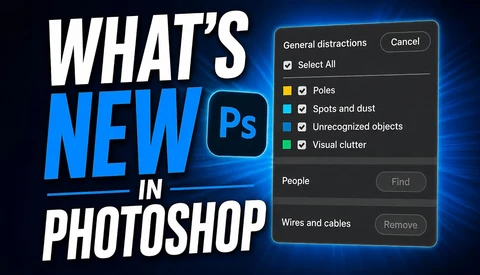
AI dust removal just became a one-click step inside the Adobe apps you already use, and it changes how you handle every sky, studio backdrop, and clean wall. If you’ve ever exported a “finished” set and then spotted sensor grime in the exact same place across 30 files, you know how quickly that turns into a late-night repair session.

How to Get Crisp Detail Without the “Over-Sharpened” Look

Sharpening is where a solid edit can quietly fall apart, especially once you export for the web and everything gets resized. If you want crisp detail without crunchy edges or noisy skies, you need a method that matches the way you actually share images online.

Adobe and ChatGPT Combine to Offer Natural Language Interface

You must overcome two fundamental challenges before you can produce a work of art. First, you need a vision of what you want to create. Next, you must have the skill to manipulate the tools necessary for the manifestation of that vision. If your vision involves using retouching software like Photoshop, it has long been understood that you will spend hours studying tutorials to master the program.

Speed Up Portrait and Landscape Edits With Smart Lightroom Masks

AI masking in Lightroom has quietly turned into one of the fastest ways photographers change the mood and focus of an image without touching every slider by hand. If you shoot portraits and landscapes and want your edits to look polished but still natural, this walkthrough shows how to let the software do the heavy lifting while you keep control over the final look.

Blend, Dress, and Enlarge: Smarter AI Editing in Photoshop

Photoshop’s new Harmonize and Generative Upscale tools directly affect how you blend subjects into new scenes and how large you can push older or low-resolution images. If you spend time cutting people out of one shot and dropping them into another, or you wish those small files could actually be printed, the way you work in Photoshop is about to shift.

Photoshop’s Nano Banana Partner Models Let You Skip Hours of Editing

Generative Fill is no longer just about erasing small distractions or extending a background. With new partner models like Gemini 2.5 Nano Banana and FLUX Kontext Pro built directly into Photoshop, you can describe an entire scene change in plain language and watch the software rebuild your image around your idea. 

Stop Masking By Hand With Photoshop's AI Select Subject

AI selections in Photoshop are past the point of being a novelty, and they now help you move from idea to finished image. When Select Subject works well, you stop fighting clumsy masks and start focusing on color, light, and style instead.

How to Use Lightroom's Color Variance Slider to Adjust Color Tones

For decades, I have struggled with retouching my headshot images. I deal with a variety of problems, ranging from fixing crooked neckties to removing flyaways. The biggest problem for me, however, is evening out skin tones, or more specifically, reducing redness in the skin. A new Color Variance slider in Lightroom may help anyone dealing with this issue.

How To Easily Restore Damaged Family Photos With Photoshop’s New AI

AI models in Photoshop are starting to do something that used to take hours of careful cloning and healing: bring cracked, faded family photos back to life while still looking real. Those images are often the only visual record of parents, grandparents, and whole branches of a family, and AI is starting to emerge as a legitimate option. 

AI Masking Tricks to Make Subjects Pop in Seconds

AI masking gives you a fast way to separate subjects, backgrounds, skies, and landscapes without fighting with manual selections. If you care about controlled lighting, clean focus on a subject, and efficient editing inside Photoshop, this is one of the tools that changes how you work.

Smart AI Object Removal Tricks In Photoshop

Distracting stuff sneaks into almost every frame, whether it is strangers in the background, power lines, or weird signs behind your subject. Learning to remove those problems cleanly in Photoshop lets you keep the shots you like instead of tossing them out over small details.