Articles written by Mike Wilkinson
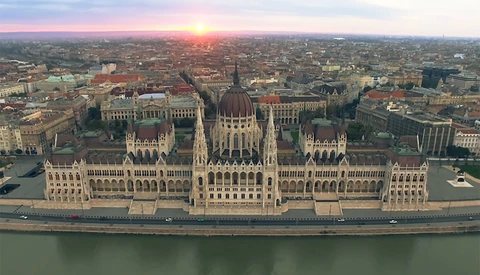
Anyone who has flown a drone for aerial video capture has likely done one of the few shots that are pretty much the standard of any aerial video. In these two videos from Mark Richardson, he is going to explain techniques for three different kinds of shots you may not have thought of before.
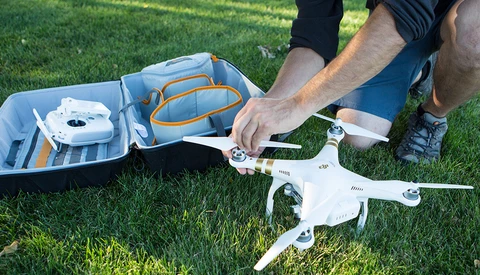
The National Park Service in the United States is one of the few organizations to have made clear policies regarding the use of drones, or small unmanned aircraft systems (SUAS) on their property. Yet some people continue to ignore these rules, and it’s only going to make things harder for the rest of us if this trend continues.
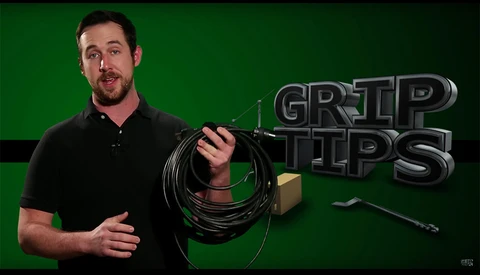
If you're a fan of the informational videos put out by folks like The Slanted Lens, Film Riot, and theC47, then you'll also want to check this one out. Grip Tips focuses on tools of the trade for grips and electricians working on a film set, but the equipment that's explained could also be found in a photography studio as well.
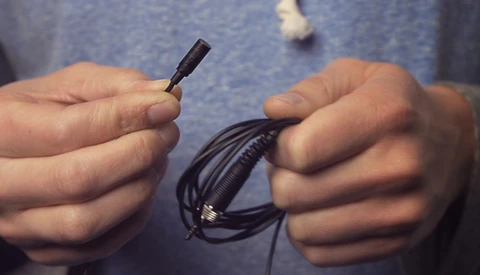
A few weeks ago I shared some insight on using shotgun microphones for documentary style interview productions. This week, I’ve got a companion video that explores techniques for using lavalier mics, the standard go-to mic for most interview scenarios.
We've all been there. You were hired for a run-and-gun shoot only to find the location has terrible lighting. Or your shoot is running later into the evening and the sun is going down fast, without any lighting to plug in. The ISO gets cranked up, and your exposure is saved at the expense of adding unwanted noise to your image.
Audio is arguably the most important facet of any film or video production. There is a saying that goes: “Audio is 70% of what you see,” which means that sound makes up more of the experience than the visuals do. So while we may spend a lot of time planning for what our shot looks like, it’s even more important that we mic it properly for the best audio recording possible.
Camera sliders are often one of the first accessories that independent filmmakers purchase, just after a tripod and microphone. The simplicity in their design and valuable ability to create subtle motion instantly add production value. Cinevate recently updated its Duzi slider to its fourth version, and I got a chance to review one this past week.
Have you ever seen those amazing shots that show a subject holding its place in the frame while the background falls away or becomes extremely compressed?
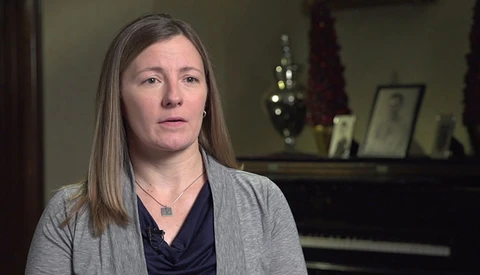
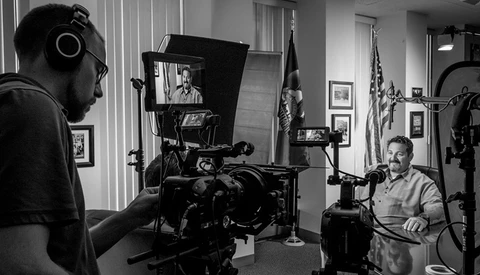
In a previous article, I shared some tips on scouting locations for a documentary video shoot where interviews would be captured. The next step is to decide on a frame that complements your talent, topic, and tone. In this video, we discuss background elements we see in potential frames, any why one “look” might work better than another.
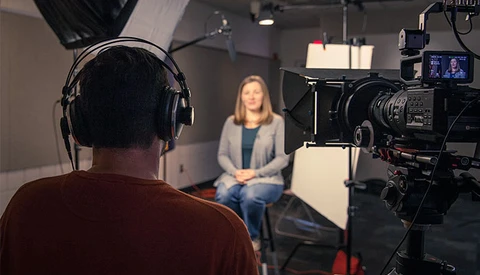
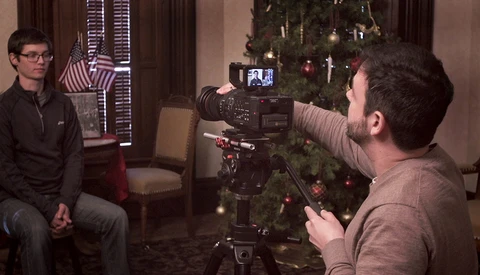
When doing a documentary-style video production, an interview or series of interviews is often at the heart of the content. Uncontrollable lighting, background noise, and the size of the space you have to work in all play a significant role in capturing a quality testimonial, so location scouting to check on these is an important facet of our production process.
If you work in a competitive area for your photo or video work, chances are that you’ve experienced losing a client at some point.
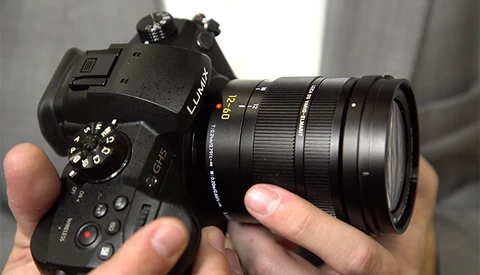
At CES 2017 Panasonic has started to show off some new MFT lenses, which by no coincidence pairs nicely with their recent reveal of the Lumix GH5 specs. In this video, a rep from Panasonic goes over the details of the new lenses, some of which are updates to existing models. I'll list the all of the lenses and include what's new about them in the full post.
In this episode of Chase Jarvis RAW, a fired up Jarvis goes off on a thoughtful stream of consciousness and details why so many photographers or filmmakers might not see the engagement they are looking for with their work. To him, it's because they likely stop working once the content has been created and shared, and they don't go on to interact with their community or audience.
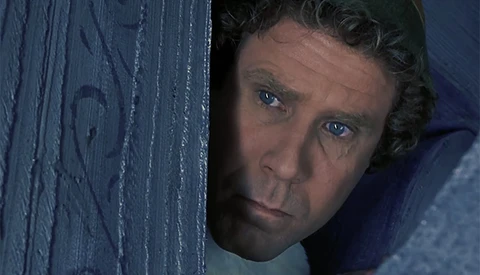
Even if you're not much for holiday films, chances are you've seen the Will Ferrell movie, "Elf," that came out in 2003. It's a silly but fun tale of Buddy the Elf searching for his real father in New York City.
Nice lighting and a controlled experiment can yield some pretty cool results, and luckily there are folks like the ones behind the brand Beauty of Science who just released a video showing exactly that. Simply put, they dissolved some M&M candy in a dish of water. And it looks amazing.
In this episode of The Slanted Lens, Jay P. Morgan is running around downtown Los Angeles capturing some product photography. He demonstrates how he is able to create interesting compositions and work with natural light to get the most usable shots possible with just a camera and a reflector.
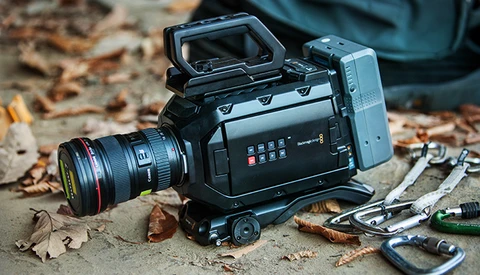
Blackmagic sent me one of their 4.6K URSA Mini Cameras to play with, and after just a few short days of messing around with it, the URSA Mini certainly made an impression. A RAW, 16-bit, 4608 pixel-wide impression to be specific. In short, this camera system is a beast, and comes at a price point that is very attractive.
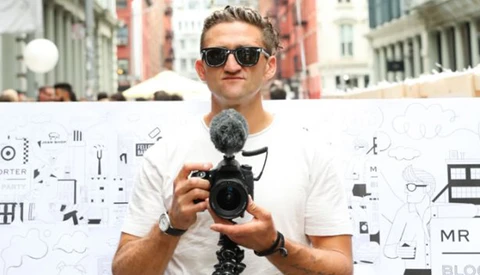
Just eight days ago we posted an article about the end of Casey Neistat's daily vlog run, where he had amassed billions of views and a huge audience of followers. Now today, news is spreading about his next project: to create a new media brand that creates digital content for millenial audiences for CNN.
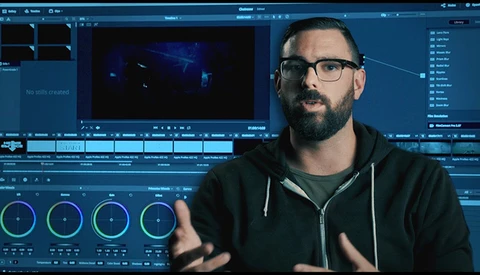
For many filmmakers who are getting into raw workflows for the first time, or perhaps wanting to up their postproduction skill set, color grading can at first appear to be a big, scary monster full of weird tools and a puzzling workflow that makes college physics seem simple.
The sequel to the BBC-produced nature documentary series, "Planet Earth II," released a few clips into the wild recently to promote its U.S. release in January. You may have noticed one of these scenes making the rounds on social media in the last few days, which was a masterfully edited clip that features snakes chasing an iguana.
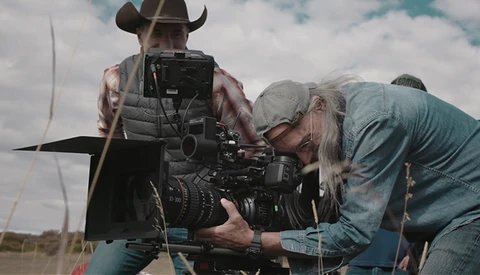
Canon’s newest flagship cinema EOS camera was put into the hands of Cinematographer Russell Carpenter and ASC and Canon Explorer of Light Tyler Stableford. Together they created the beautiful short film, "The Calling," that takes a look into the lives of three people in the American West.
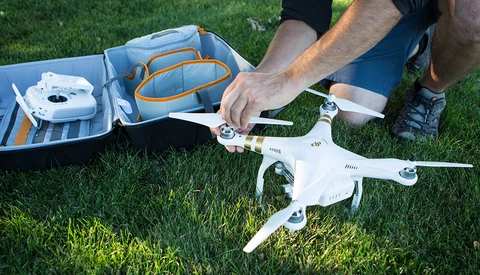
I recently earned my Remote Pilot Certification, which allows me to fly a small UAS (drone) for paid photo and video work in the USA, under the FAA’s Part 107 rule. With no background in aviation, passing the test was no easy feat for me. If you’re considering taking the test yourself, read about my experiences to make sure you’re well prepared.
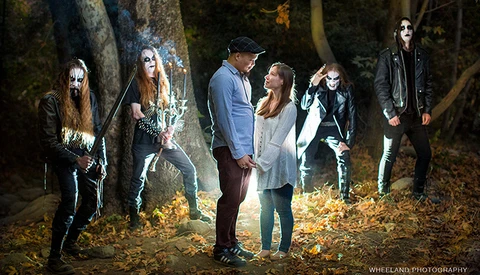
With Halloween just a week away, it seems fitting that I’ve got an article for you today that involves a black metal band. Last week, Wedding Photographer Janet Wheeland was out with a couple for an engagement photo session. While they did have a theme of "Forrest Gump" going in to the day, later that evening things would take a black, leathery, face-painted turn.
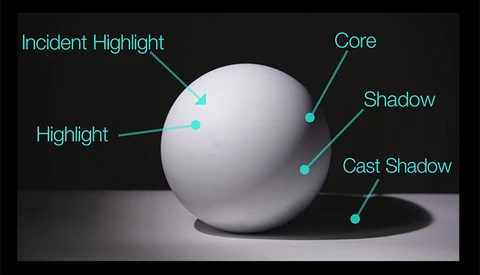
In this informative video from Jay P. Morgan of The Slanted Lens, Jay goes back to the basics to show off the principles of light, and how they affect a sphere. Whenever a light is added to a subject, five things happen, and this video explores what is created, and how to control it, which ultimately will help you to craft your final image in a photo or video.
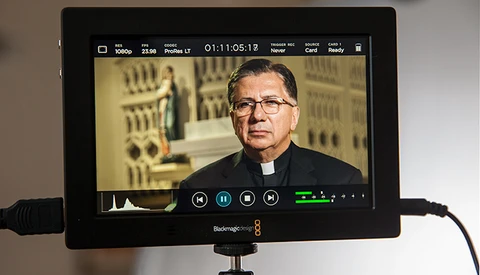
Aimed at DSLR filmmakers looking to invest in a larger production kit, the Blackmagic Video Assist 4K is a seven-inch touchscreen monitor that doubles as a video recorder. I was able to use the Video Assist during several shoots last month in Chicago, and I’ll go over the features, build quality, uses, and talk a bit about pricing as well.
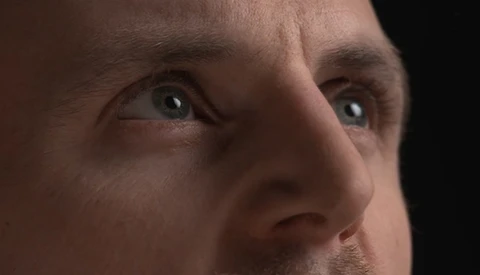
In this thoughtful video from Dedo Weigert, "catch lights" (or "eye lights") are analyzed in-depth, with many examples and explanations as to what different effects are created by their use.
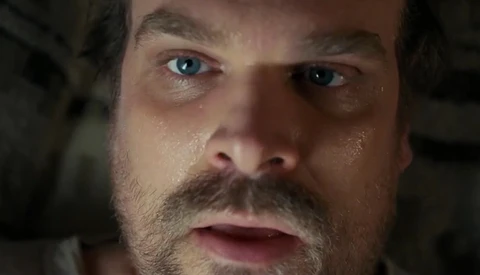
Once you start doing a lot of video editing, watching your favorite movie or TV show is never quite the same. The way dialogue scenes are cut together, the framing of characters in a shot, and of course scene transitions. In this supercut from the popular TV Show "Stranger Things," see how the editor used a variety of cuts to create compelling transitions.
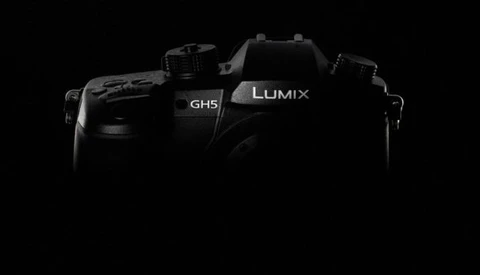
The rumor mill in Panasonic user groups has been buzzing the last few months, speculating on what the next iteration of the very popular GH4 would look like. Today at Photokina 2016, Panasonic came through and announced some major specs and release dates for the highly anticipated GH5, and even had a prototype to show.
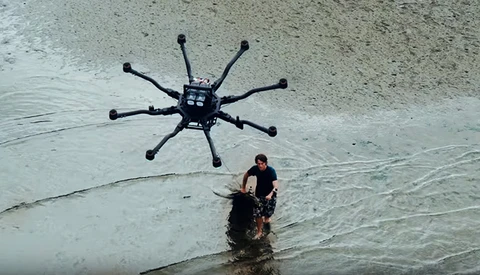
The more accessible, powerful, and lightweight drones become, the more we are going to see crafty individuals multipurpose them for their own whims. We've seen drones used to cut down trees, deliver products, and now here we have one pulling a surfer along a coast.
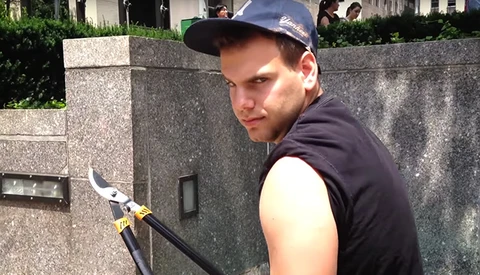
In case you haven’t seen this video pop up yet in your social media feeds, check out Comedian Buddy Bolton sneaking up on unsuspecting pedestrians who have stopped to take a selfie. Instead of photobombing though, he had a different plan: cutting their selfie stick in half with gardening shears.
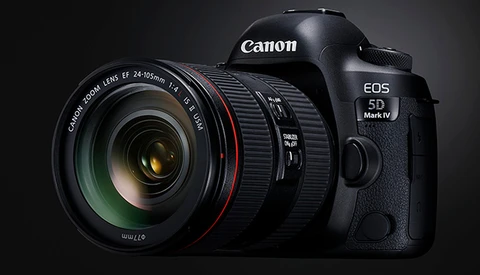
Just three days ago, the new Canon 5D Mark IV dropped, and while it's a great stills camera, all of the talk has been about what it can and can't do in the video department. This video takes a much closer look at many of those features in the Mark IV, going through menu functions and showing examples.
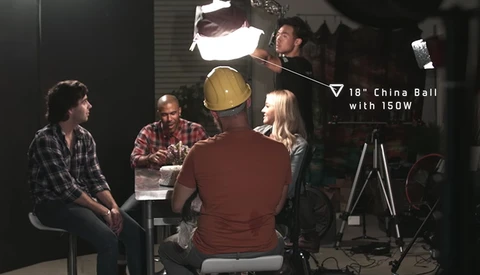
In this video from Aputure, Director of Photography Julia Swain is invited to share her techniques for lighting a dinner table scene, which are common to film productions, but also have applications in the corporate and documentary video world.
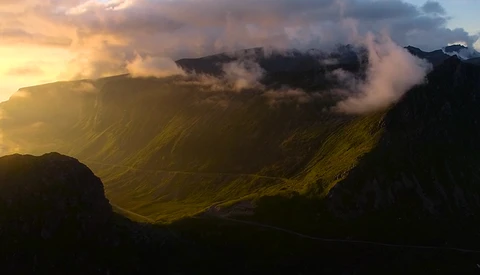
Lofoten, Norway has been getting a lot of attention in the last few years, and rightfully so. Known for its incredible mountains, open waters, and unspoiled lands, it has quickly become a favorite for photographers looking to capture dramatic landscape images.
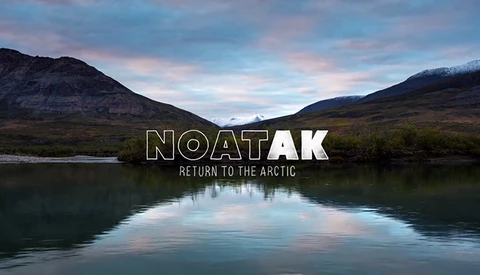
The filmmakers of “The Muir Project,” known for their first documentary, “Mile… Mile and a Half,” have just released their latest film, “Noatak: Return to the Arctic.” I interviewed Director Ric Serena who told me about the production challenges his team faced when working on a remote river deep in Alaska and why they chose to go with the Canon 1DC as their camera of choice.
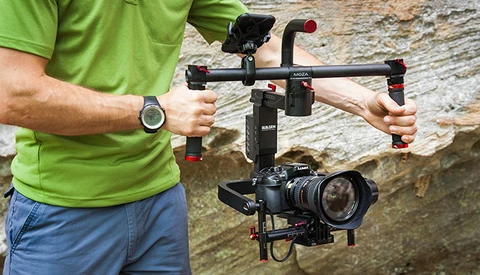
I’m a huge fan of gimbal stabilizers, and absolutely love how easy it is to get dreamy, floating footage with these relatively inexpensive accessories. A lot of attention has been on products like the MoVi and Ronin, but other manufacturers have stepped up their game and are making products that are just as competitive in terms of features and price.
In this video from Ryan Connolly over at Film Riot, he takes viewers quickly through an action sequence he has edited, and shows a few simple ways that he was able to increase the perceived speed and create a more realistic edit. Even if you're not editing fight scenes, there are a few tricks in here that are absolutely applicable to other genres.
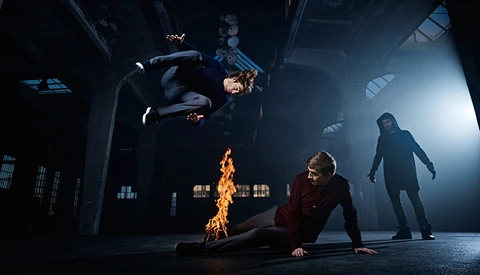
I know that I’m preaching to the choir when I say that personal projects, free from the constraints of commercial clients dictating production details, are an important outlet for creativity and staying sharp on your skills. Photographer Ray Demski just dropped his latest passion project, "Fireball," combining parkour, football (soccer), and beatboxing.
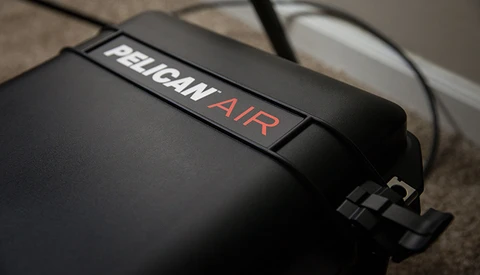
Pelican cases have long been an industry standard for top-of-the-line protection of cameras, lenses, lights, hard drives, and all other forms of fragile video or photo gear. Their new “Air” line of cases bring that same protection, but at a lower weight. I got to try the Pelican 1535 Air out and see how it performed on a travel video job.
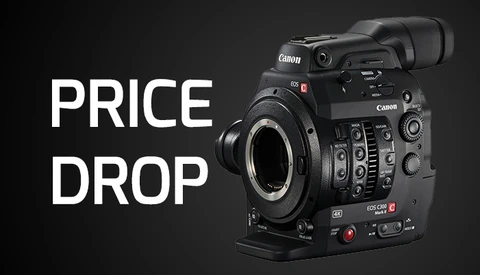
In case you spent your holiday weekend grilling food with friends or hanging out on a boat to celebrate America's Birthday, you may have missed that Canon lowered the retail price on two of their hottest video cameras for professionals: the Canon C300 Mark II and the Canon C100 Mark II.
Any seasoned filmmaker or photographer will tell you that it’s not the size of your camera, sensor, or lens that matters, but how you use it (or craft your supporting elements like lighting, composition, etc.). But what I’ve come to realize is that size does matter– because impressing a client on set is just as important as impressing them with the final product.