





Profile picture for Alex Cooke
Editor-in-Chief

Alex Cooke

Cleveland, OH
18 3 Star badge
1 10+ Portfolio Images badge
1 Editor's Pick badge
1 Top Contributor badge

Articles from Alex Cooke

How Light, Weather, and Patience Create the Perfect Autumn Shot

Autumn in the Utah mountains transforms the landscape into a mosaic of color, and few capture that transformation like Michael Shainblum. In his latest video, he explores how to find order in chaos, turning the overwhelming range of fall tones into cohesive, striking compositions. The focus isn’t on grand vistas but on patterns, textures, and subtle interplay between color and light.
Why This Compact Setup Might Replace Your Heavy Wildlife Kit

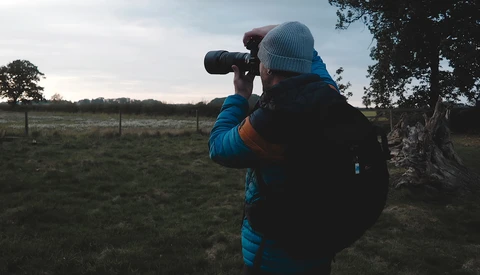
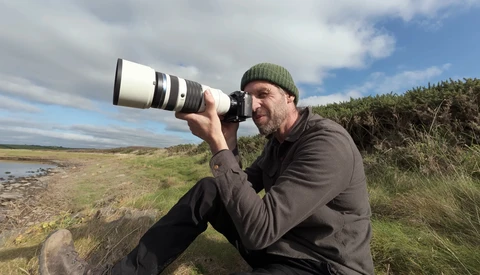
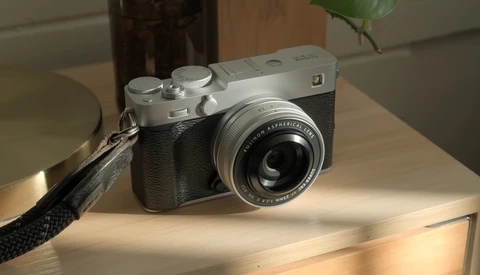
When you spend hours outdoors, balancing wildlife, landscapes, and macro work, the last thing you want is to lug a heavy setup. The right camera should disappear in your hands, letting you focus on movement, light, and timing. 

Is This the Ultimate Portrait Lens?

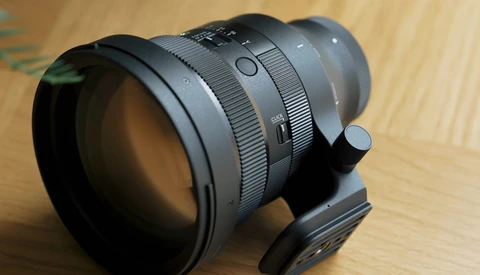
A 200mm f/2 telephoto lens isn’t for casual shooting. It’s heavy, demanding, and built for moments when you want striking compression and clean separation from the background. If you shoot portraits or cinematic close-ups, lenses like this turn ordinary scenes into something surreal. That’s why understanding what makes this one special can save you from spending on the wrong kind of “dream” glass.

5 More Cameras That Were Ahead of Their Time

In the first article, we explored five cameras that had the right vision but arrived at the wrong time, from Sony's Mavica prototype to the Contax N Digital. These machines predicted the future of photography but couldn't convince the market they were right.

Sigma 135mm f/1.4 Art: A Portrait Powerhouse with Rare Character

The Sigma 135mm f/1.4 DG Art lens isn’t just another telephoto prime. It’s a lens that opens creative doors through its rare blend of focal length and wide aperture. You notice it right away: the way it isolates your subject, softens the background, and transforms an ordinary portrait into something cinematic. That level of control over depth and compression makes this lens a serious tool for refining your look.

Viltrox 50mm f/1.4 FE Review: A Heavyweight Lens at a Friendly Price

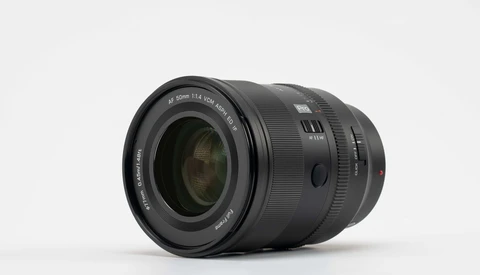
The Viltrox AF 50mm f/1.4 FE steps into a crowded field where 50mm lenses are practically a rite of passage. What makes this one stand out is its combination of build quality and $549 price for a full frame, f/1.4 optic. That’s not pocket change, but for what it offers, it sits in a competitive sweet spot for anyone wanting a fast, well-built 50mm without going into premium territory.

The 5 Lenses Every Beginner Photographer Should Try

You can read every photography tutorial ever written, watch hundreds of hours of YouTube videos, and memorize the exposure triangle until you dream about it. But nothing will teach you to see like a photographer faster than putting different glass on your camera and forcing yourself to work within its constraints. The problem is that most beginners approach lens buying all wrong. They ask “what lens should I buy?” when they should be asking “what lens will teach me something I don’t know yet?”

Sigma vs. Laowa: Which 200mm f/2 Is the Smarter Buy?

Two new 200mm f/2 full frame lenses hit the market at almost the same time, a rare coincidence in this range. One costs $3,300, the other $2,000. Both target serious users, but the price gap raises an obvious question: how much performance are you really giving up by saving over a thousand dollars?

What You Need to Know About Depth of Field for Portraits

Depth of field can make or break a portrait. It decides whether a viewer’s attention stays locked on a subject’s eyes or drifts into the blur of the background. Getting it wrong doesn’t just soften an image; it can shape how you compose and light every shot. Many people misunderstand what truly affects depth of field, and that misunderstanding can quietly steer years of work in the wrong direction.

The M5 iPad Pro Brings Big AI and Performance Upgrades to Apple’s Flagship Tablet

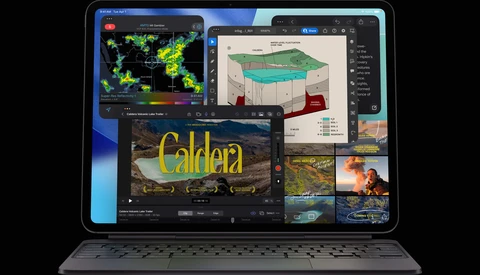
Apple has announced the latest generation of the iPad Pro with M5, bringing a substantial upgrade to processing power, graphics capabilities, and AI performance. The new tablet also introduces Wi-Fi 7 connectivity, faster storage, and an updated version of iPadOS that further blurs the line between tablet and laptop performance.

Sharpness, Speed, and Reach: A Real Look at the 40-150mm f/2.8 PRO Lens

A long lens can change how you see the world. It pushes distant subjects close, compresses space, and isolates moments you’d otherwise miss. The OM SYSTEM M.Zuiko Digital ED 40-150mm f/2.8 PRO does all of that while staying fast, sharp, and portable enough for real-world use. For anyone using Micro Four Thirds gear, it’s a lens that fills an essential gap between wide and telephoto coverage.

How to Choose a Backup Camera Body That Will Actually Save Your Shoot

Your primary camera body fails during a paid shoot. Maybe the shutter mechanism seizes, the sensor starts showing hot pixels, or the battery door won't close properly. In that moment, your backup camera becomes the difference between delivering the work you promised and refunding thousands of dollars while explaining to a disappointed client why you couldn't finish the job. Yet most photographers approach backup camera selection with a strategy that ranges from expensive overkill to dangerously inadequate, missing the sweet spot where smart preparation meets practical economics.

The Secret Behind The Most Successful Portraits

Some portraits pull you in without warning. They hold a quiet force that lingers, a kind of truth that has nothing to do with technical perfection or fancy lighting. You’ve seen portraits that look great but feel hollow, while others stay in your mind for days. The difference lies in what the image says beyond the surface, the story that seeps through the smallest details.

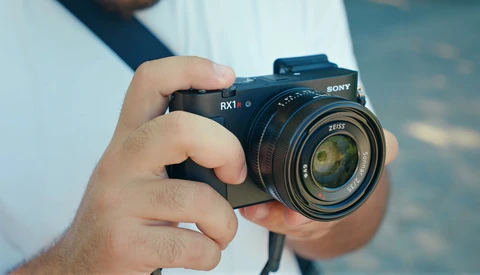
When One Lens Works: Watching the Sony RX1R III in Action

You’ve likely wondered whether a fixed-lens, full frame camera could actually replace a more flexible kit. This video confronts that question head-on using Sony’s premium compact model and shows whether convenience kills compromise or not.

The Secret to Choosing the Right Lens for Landscape Photography

Landscape photography often brings a big questions: what focal length to use. This choice shapes how a scene feels: its depth, focus, and emotion. Picking the right lens isn’t about numbers on a barrel. It’s about how you want the viewer to see.

Perfectly Remove Eye Circles in Photoshop Without Blurring Texture

Removing dark circles without destroying texture sounds like magic, but it’s really about control. The goal isn’t to blur or hide, but to separate tone from texture and work on each precisely. This technique helps you clean up portraits without losing the skin’s natural feel, especially when retouching close-up shots.

The Algorithm-Proof Way to Build a Photography Audience

Last Tuesday, your Instagram Reels were getting 5,000 views each. This Tuesday, you're lucky to break 300. Nothing changed in your content quality, posting schedule, or hashtag strategy. Instagram just decided your work wasn't worth showing anymore. If you're a photographer trying to build an audience in 2025, this frustration probably feels familiar.

An Everyday Carry Street Camera That Actually Delivers

The fixed-lens compact that actually changes how you shoot day to day is under the microscope. If speed and color straight out of camera, you’ll see where the Fujifilm X100VI helps and where it gets in the way.

Hands-On With a 17mm Tilt Shift That Won’t Break the Bank

Tilt-shift lets you fix leaning buildings and control depth of field with precision, and a true 17mm field of view opens spaces you couldn’t cover with 24mm. If you work in tight city streets or interiors where you can’t back up, this focal length changes what you can deliver to clients.

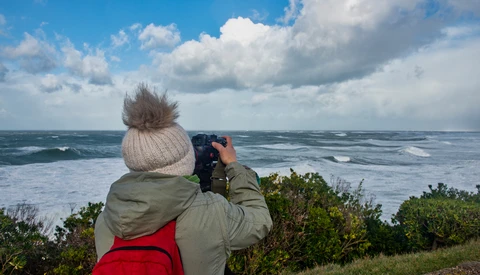
Why Shooting in Difficult Conditions Makes You a Better Photographer

Perfect weather and golden hour are training wheels. Real growth happens when you're forced to shoot in harsh midday sun, overcast gloom, freezing rain, or extreme heat: conditions that expose every weakness in your technical knowledge and creative problem-solving. 

How Bad Photos Make You Better

Most of your photos will be bad. That’s not a failure; it’s the price of progress. Every missed focus, awkward composition, and flat exposure teaches something that can’t be learned from tutorials. The images that disappoint you are the ones that shape your instincts, and instincts are what separate mechanical shooters from real image makers.

OM System OM-1 Mark II vs. OM-5 Mark II: Which One Fits Your Style?

When you’re choosing between two cameras like the OM System OM-1 Mark II and the OM System OM-5 Mark II, the differences aren’t just about specs. It’s about how each body handles your rhythm, your pace, and the kind of moments you chase. These two share the same design language, but they live in slightly different worlds once you start shooting.

Why Switching to a Fixed Lens Won’t Save Your Photography

Fixed lens cameras have a strange pull. You might trade your bulky setup for something small and beautiful like a Fuji X100VI. You imagine freedom, simplicity, a creative rebirth. But the moment that initial rush fades, the results often don’t match what you expected. The photos look ordinary. The magic you saw in others’ work doesn’t appear in your own.

Sharper, Faster, Cheaper: The 56mm to Beat on Fuji

Fuji’s 40-megapixel bodies expose which portrait lenses can actually hang at high pixel density. A fast 56mm that stays sharp at f/1.2 changes what you can shoot in bad light and how cleanly you can separate a subject from chaos.

5 (In)famous Camera Recalls That Changed Industry Standards Forever

No photographer wants to hear that their expensive camera has a fundamental flaw. But some of the most catastrophic product failures in camera history, whether formal recalls or de facto recalls that forced official corrections, led to industry-wide improvements that benefit every photographer today. These weren't just embarrassing product failures. They were watershed moments that forced manufacturers to completely rethink quality control, accelerate innovation, and take customer complaints seriously rather than dismissing them as user error.

Create Dreamy Portraits on a Budget with Simple Gear

Beautiful portraits don’t depend on expensive gear. The right light, color, and idea can transform a simple setup into something striking. Irene Rudnyk proves that in this lilac-inspired shoot, using gear that’s within reach for anyone who wants professional results without spending thousands. The focus here isn’t on specs but on how to use what you have to make images that stand out.

The Lightroom Trick That Makes Any Subject Pop Instantly

A small shift in tone and light can completely change how a subject draws the eye. When your background competes with your main focus, the story of your photo loses strength. This tutorial shows how a few careful Lightroom moves can restore that clarity, making your subject stand out without looking artificial.

Big Sensor, Small Limits: GFX100RF vs X100VI

Two cameras with very different ambitions are compared head to head: the Fujifilm GFX100RF and the Fujifilm X100VI. You’ll see whether extreme resolution and a bigger sensor change your results when you actually walk around and shoot.

The Honest Truth About Shooting With a Leica M11

The Leica M11 carries a reputation that makes people stop and stare. It’s more than a camera: it’s a statement, both in form and price. But beyond its polished brass and minimalist design lies a question that matters deeply to anyone serious about image-making: does shooting with a rangefinder actually change how you see?

6 Brilliant Camera Features That Digital Photography Forgot

Every time I load a memory card into my camera, I think about the satisfying mechanical click of loading a fresh roll of film. Modern digital cameras are technological marvels, packed with computational photography, eye-tracking autofocus, and in-body stabilization that would seem like science fiction to photographers of the 1990s. But in our rush toward the future, we've left behind some genuinely clever innovations that solved real problems in elegant ways. These weren't gimmicks or marketing features. They were thoughtful solutions born from the unique challenges of film photography, and some of them reveal just how much we've gained and lost in the digital revolution.