


































Lens Flare and The Incredible Physics of Modern Lenses
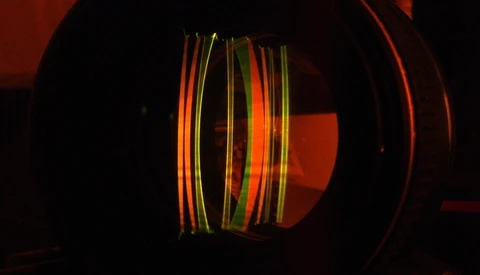
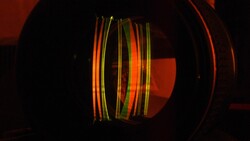
A bare, uncoated air-to-glass surface sends roughly 4 percent of the light striking it back the way it came, and a current professional 24-70mm f/2.8 zoom stacks about 30 of those surfaces in a row. Uncoated, less than a third of the light entering the front would reach the sensor as part of the image. Most of the rest heads back out the front of the lens, and flare is what happens when the fraction that turns around again lands on your picture.
Take The Photograph While You Can
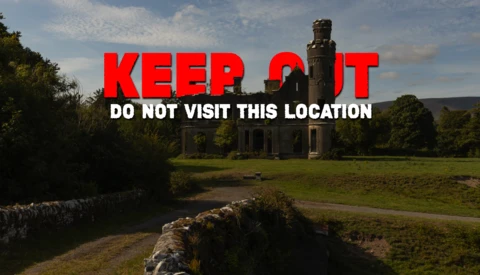
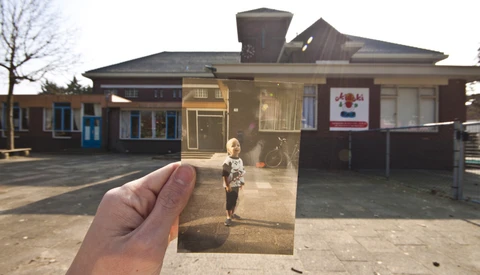
There is something I have been thinking about recently, and it was not until I returned to a location I had photographed many years ago that it really started to bother me. We spend so much of our time as photographers looking for new locations, searching maps, saving places on Google Maps, watching videos, and scrolling through social media looking for somewhere we have never photographed before. We are always looking for the next location, the next composition, and the next photograph. But perhaps we should spend a little more time thinking about the places we have already photographed, because there is no guarantee that we will always be able to go back.
Latest Gear Reviews

Active Contests
Show us the work YOU wanted to do
Welcome to the September installment of the Critique the Community! This month's critique theme is going to be "Personal Project," and we want to see your best photographs that come from a personal project.
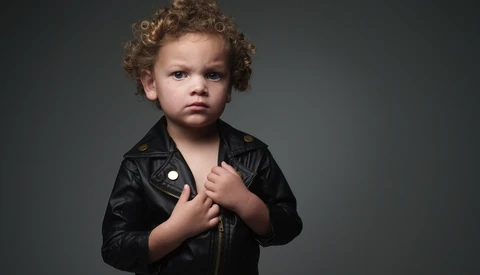
We want to see your images that have barely been edited at all
Welcome to the August installment of the Critique the Community! This month's critique theme is going to be "Minimally Edited Photos," and we want to see your best photographs that have hardly been edited at all.
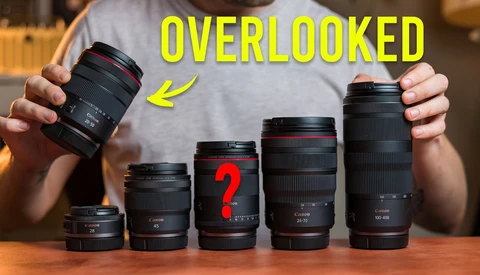
Six Underrated Canon RF Lenses You've Probably Overlooked
The best Canon RF lens for your kit might be one almost nobody talks about. Six of them sit in the shadows of pricier alternatives, dismissed over a single spec or forgotten entirely, even though they deliver image quality that holds up against Canon's L-series glass.
Fstoppers Exclusives


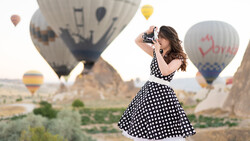
Show us the work YOU wanted to do
Welcome to the September installment of the Critique the Community! This month's critique theme is going to be "Personal Project," and we want to see your best photographs that come from a personal project.
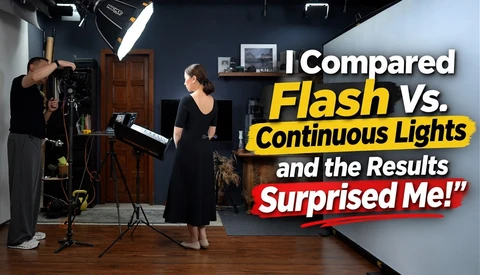
Continuous Light vs. Flash: What Actually Changes in Your Portraits
The question of flash versus continuous light comes up constantly, and the honest answer sits somewhere between "barely any difference" and "a huge one," depending on what you're shooting. Both can produce nearly identical portraits, yet the way you work with each changes how you shoot, how you meter, and how much room you need.

20 Photoshop and Camera Raw Updates You Probably Missed
Photoshop's autofocus point checker inside Camera Raw 18.6 shows you exactly which points your camera locked onto, so you can catch a blurred watch face or a hand in focus before you commit to the wrong shot. That single feature answers a question you've probably asked yourself a hundred times while culling: did the camera focus where I thought it did?
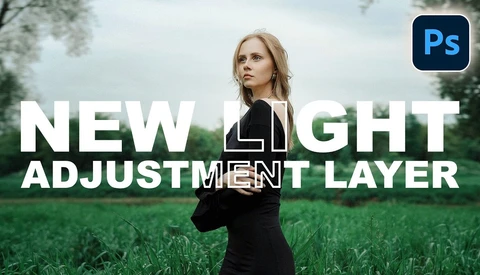
Photoshop Just Replaced Brightness and Contrast With Something Better
Photoshop's Brightness/Contrast slider is gone, replaced by a new Light adjustment layer that pulls Camera Raw controls straight into the main editor. Exposure, contrast, highlights, shadows, whites, and blacks now live in a single panel that behaves like a nondestructive version of the Camera Raw sliders many of you already trust.
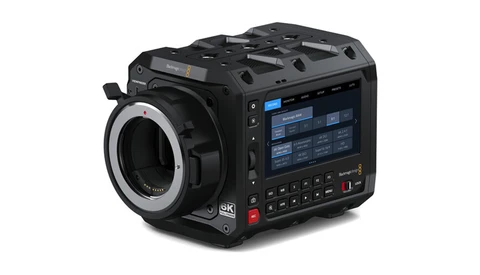
Big Price Drop on Blackmagic Design Cinema Cameras Including The PXYIS 6K
A massive price drop across its line of cinema cameras allows Blackmagic Design to, once again, offer excellent value to filmmakers on a budget.
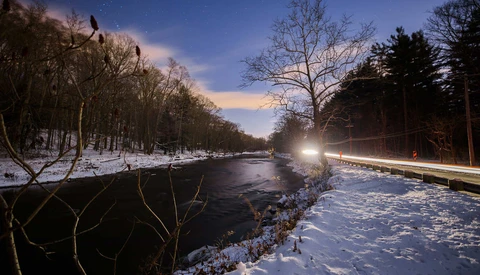
How Long Exposures Erase People: The Math of Making Crowds Vanish
Put a 35mm lens on a full frame camera, stand about 20 m back from a plaza, and each pixel in the file covers roughly 3.4 mm of the ground at that distance. A person walking across that view at an ordinary pace clears their own shoulder width in about a third of a second, so across a four-minute exposure they sit over any single pixel for about 0.13 percent of the time. That fraction is the whole mechanism, and once you can compute it, and then combine the occupancy of everyone walking the same line, you can predict which people will vanish and which ones will ruin the frame.
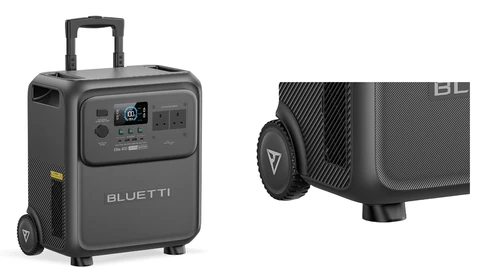
BLUETTI Elite 400: Portable Power That Works for Demanding Location Photography
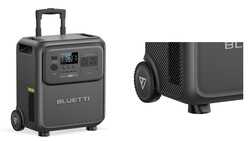
For photographers working on location, reliable power is no longer a luxury; it's an essential part of the process. Between strobe or LED lighting, tethered laptops, battery chargers, drones, mobile devices, and client comfort equipment, power requirements can quickly become substantial, especially during long days on location. I recently got my hands on the BLUETTI Elite 400 power station to see if it is worth the hype.
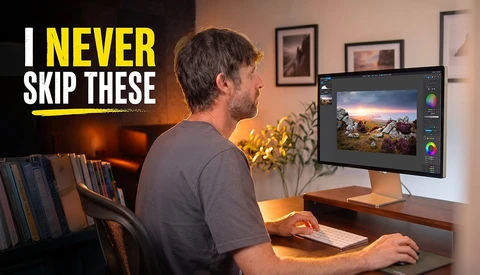
Five Edits That Take a Landscape Photo From Okay to Finished
Every landscape image is different, yet the same handful of moves show up in almost every edit that actually works. Learn those moves and you stop guessing your way through post-processing and start finishing photos on purpose.
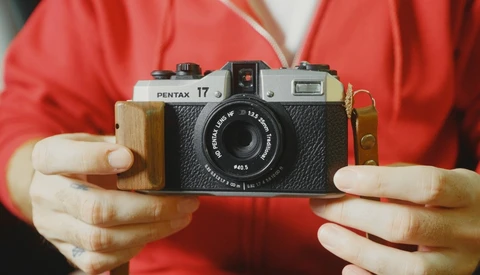
Why the Pentax 17 Won Him Back After a Year
The Pentax 17 landed in 2024 to a wall of loud opinions, and a year of actual use has a way of softening the sharpest first impressions. A camera you dismiss on a one-week deadline can look very different once you've dragged it through Colorado, the Jersey Shore, and a 4:30 a.m. boardwalk sunrise.
Why Your Bad Photos Prove You're Actually a Photographer
You shot 36,000 photos in your first year and kept maybe 10. That's not failure, and treating it as failure is the thing quietly holding you back.
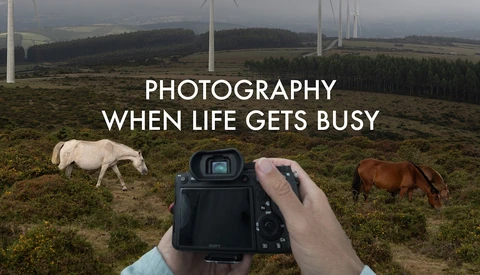
Why the Best Light Shows Up When You Have No Time
Rain in the forecast for the first time in months, dark clouds gathering to the north, and a family lunch that can't be moved. That collision between perfect conditions and almost no time is the reality most people shooting landscapes live with, and it shapes every decision made across one very short morning.
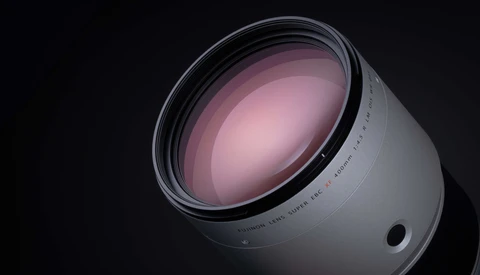
Fujifilm's New XF 400mm f/4.5 Offers 609mm-Equivalent Reach at Just 2.74 lbs
Fujifilm has announced the XF 400mm f/4.5 R LM OIS WR, a new super-telephoto prime lens for the X Series system. Designed primarily for wildlife, bird, sports, motorsports, and aviation photography, the lens provides a 400mm focal length, equivalent to 609mm on full frame, while weighing approximately 2.74 lb (1,245 g).
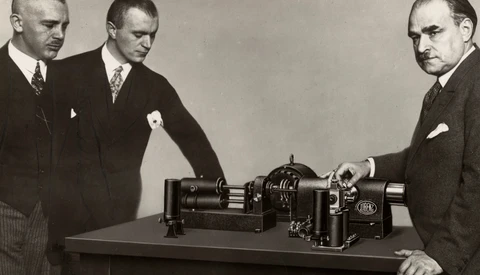
The First Photo Ever Transmitted by Wire, and the Machine That Sent It
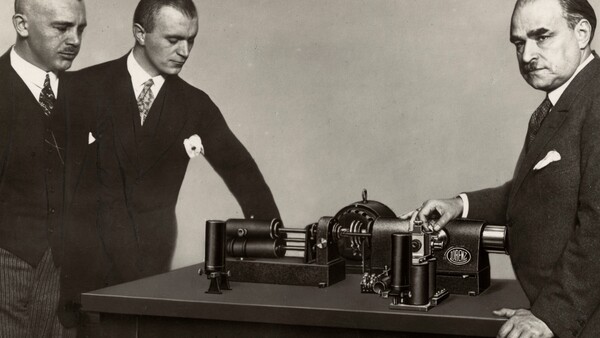
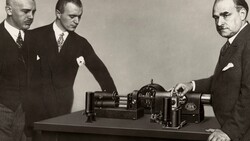
In October 1906, a portrait of the German Crown Prince left Munich as nothing more than a flickering electric current, fought through roughly 1,800 kilometers' worth of telegraph line, and emerged at the far end as a photograph you could actually recognize. No train carried it. No courier, no envelope, no darkroom on the far end printing from a shipped negative. And the strangest part is that this was the encore.

Sleek and Smooth: We Review the Gaomon Pro 19 4K Pen Display for Editing and Retouching
In the age of AI editing and retouching, high-resolution pen display tablets still offer an irreplaceable user experience. This one from a brand called GAOMON checks a lot of the boxes of what we look for.
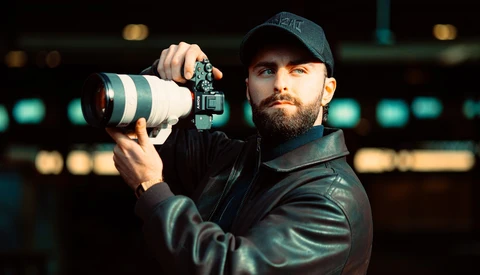
Why the Best Photo Shoots Are the Ones You Never Planned
The best photo shoot of your year will probably be the one you never planned. Every photographer eventually runs into the gap between careful preparation and the messy reality of shooting, and how you handle that gap shapes the work you end up proud of.
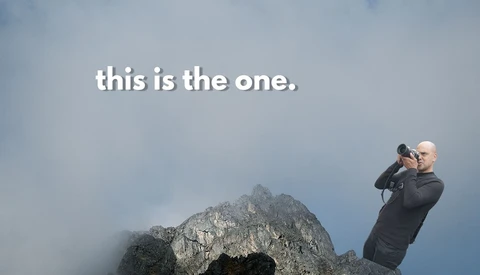
Six Cameras Went to Peru and Only One Impressed
Take a single trip with six different cameras and a hard question follows you home: which one actually earned its place in the bag? Peru offered a real test of that, pitting a video-friendly workhorse against a stills machine that stopped everyone cold.
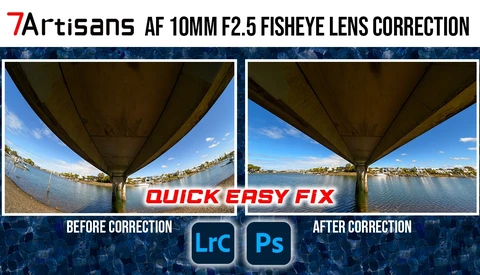
How to Straighten Fisheye Distortion Without Guesswork
A fisheye lens locks you into curved horizons and bowed lines, but the 7Artisans 10mm f/2.5 for the Nikon Z mount ships with a way out. A free lens correction profile straightens those shots into a clean wide angle look, and applying it takes a handful of clicks.
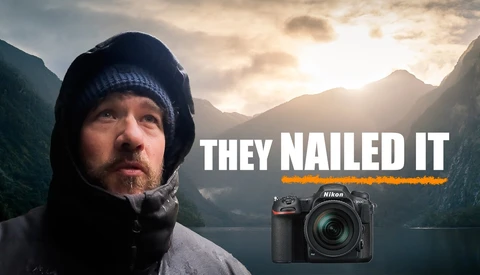
Why Bad Weather Is the Best Thing That Can Happen to a Landscape Shoot
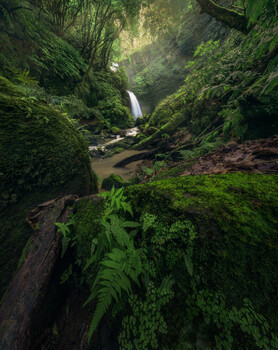
Fresh snow skimming the peaks, streams cutting through beaches, and moss-covered cascades that only exist because the storms haven't ripped them clean. Fiordland packs more usable foreground into a single beach than most locations offer in a week, and knowing how to read it is the difference between a snapshot and a photograph you'll return to for years.

Why Is a $3 Billion MLB Team Insisting This Video Isn't AI?
The Toronto Blue Jays posted an animated short on Tuesday and spent the afternoon telling fans it was not made with AI. Pull the video down and step through it frame by frame, and the props on a stationary wheelbarrow respell themselves four times in under a second.
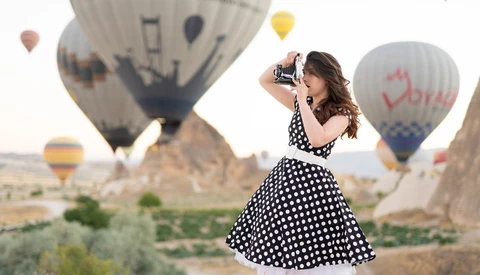
We Examined 90 Years of Camera Ads. High-End Gear Was Never Cheap.
Photographers have a myth, and like most good myths it gets told with real feeling, usually in a comment section, usually in all caps somewhere near the end. Cameras used to be affordable. Real cameras, made by people who cared, sold at honest prices to working photographers who did not have to remortgage anything. Then the industry got greedy, and now a professional body costs as much as a used Corolla.
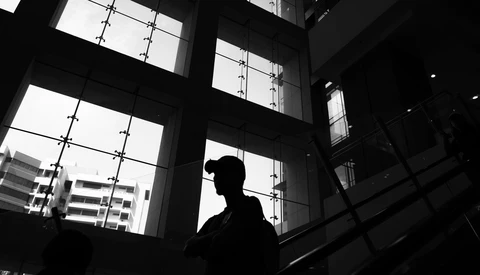
Does a Monochrome-Only Camera Really Make Sense?
If you had a camera that only shoots in black and white, would you be satisfied with it? Let’s talk about what such a camera can actually bring to the table.
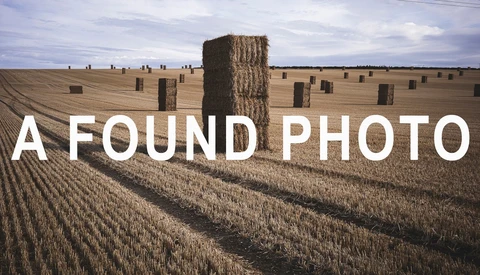
Why One Photographer Stopped Chasing the Perfect Shot After 17 Years
Most photographers plan every trip down to the parking spot, the light, and the exact viewpoint. There is another way to work, one that starts with knowing nothing about what you'll shoot when you leave the house.