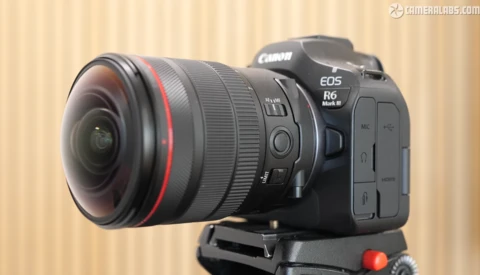
Canon RF 7-14mm f/2.8-3.5 L Fisheye STM: The Real Trick Is the “Zoom”
A fisheye zoom is one of those tools that can either sit untouched for years or quietly become the reason your images look nothing like everyone else’s. The question isn’t whether distortion is “good,” it’s whether you can control it when the shot has real constraints like space, speed, and framing.
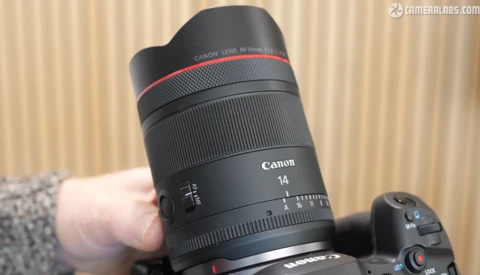
Canon RF 14mm f/1.4 L VCM: The Ultra Wide Prime Canon Shooters Kept Asking For
Canon just dropped a new ultra wide prime that aims straight at night skies, tight interiors, and fast-moving video, and the price puts it in serious territory. If you’ve been waiting for a 14mm that doesn’t feel like a special-purpose brick, this one raises a few questions worth watching play out.
Latest Gear Reviews


Active Contests
7
285
Enter your Best "Dark" or "Low-Key" images
Welcome to the April Critique the Community! For this contest/critique, we are doing another abstract theme that should allow more photographers to enter. For this month we want to see your most "dark" or "low key" photographs.
The $50 Lens vs. The $2,000+ Lens: What You’re Actually Paying For
A 50mm lens can cost $50 or it can cost over $2,000, and both can take photos you’d happily keep. The real question is what you’re paying for when the focal length stays the same, and whether any of it changes what you can shoot tomorrow.
Fstoppers Exclusives





The Fujifilm GFX100 II After 1 Year: The Real Costs Nobody Mentions
A year with the Fujifilm GFX100 II can either make you fall in love with stills again or make you regret every storage decision you’ve ever made. The video lays out the real tradeoffs of living with a 102-megapixel medium format body when you’re shooting work, not just testing it for an afternoon.

Why Hard-to-Use Cameras Often Make Better Photos
Your camera is too good. I mean that as a genuine problem, not a humble brag about your gear. That $2,500 mirrorless body sitting in your bag can identify human eyes at 30 meters, track a subject across the frame while firing 30 frames per second, and deliver usable images at ISOs that would have been science fiction a decade ago. It is, by every measurable standard, a miracle of engineering. And it might be making you a worse photographer.
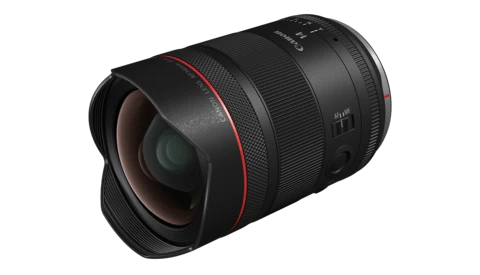
Canon’s RF 14mm f/1.4 L VCM Targets Astro, Architecture, and Hybrid Shooters
Canon has announced the RF 14mm f/1.4 L VCM, an ultra-wide prime for the RF mount aimed at full frame EOS R and Canon RF-mount cinema cameras. The lens combines a fast f/1.4 maximum aperture with an L-series build, and Canon positions it as a tool for landscape, astro, architecture, real estate, and video production work.

Canon’s RF 7-14mm f/2.8-3.5 L Brings Native Fisheye Zoom to RF Mount
Canon has announced the Canon RF 7-14mm f/2.8-3.5 L Fisheye STM, a new L-series zoom designed for full frame EOS R cameras and RF-compatible Cinema EOS models. The lens expands Canon’s RF lineup with a dedicated fisheye zoom that covers both circular and diagonal fisheye imaging in a single optic.
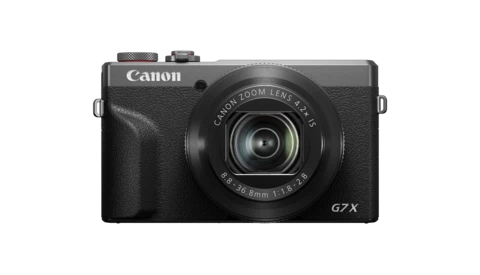
Canon Celebrates 30 Years of PowerShot With Limited Edition G7 X Mark III
Canon is marking 30 years of its PowerShot compact digital camera line with a limited edition version of the PowerShot G7 X Mark III, scheduled to ship in April 2026. The anniversary model adds cosmetic and bundled accessories to Canon’s existing 1.0-inch compact camera platform while commemorating the long-running PowerShot brand.

Why Technical Skill No Longer Protects Your Photography
Technical skill is no longer a filter. What remains of photography begins where execution stops protecting the work, leaving only judgment and intent.

What a Competent Photo Editor Looks Like in 2026
The skills that made you valuable in 2020 are now automated. Here is what matters now.
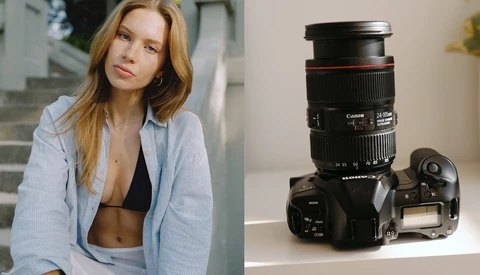
Why Your Zoom Lens Feels Limiting and How to Fix It
A 24-105mm f/4 zoom lens looks like the practical pick until you start worrying that it will leave you stuck with flat light and busy backgrounds. This video makes a sharper point: the zoom isn’t the limitation, the way you drive it is.

Monitor Specs Decoded: What sRGB, Adobe RGB, DCI-P3, and Delta E Actually Mean for Photo Editing
Buying a monitor for photo editing feels a lot like reading the back of a memory card package: numbers everywhere, most of them meaningless without context, and manufacturers betting you won't ask follow-up questions. The difference is that a memory card mistake costs you convenience, while a monitor mistake costs you accurate color judgment on every image you edit. Here's what you need to know.
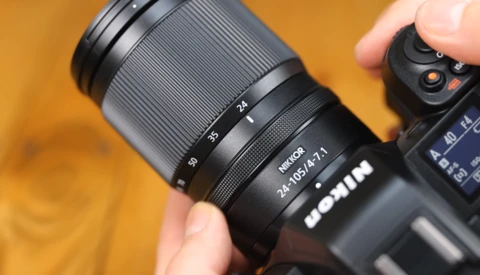
NIKKOR Z 24-105mm f/4-7.1 Review: The Cheap Zoom With One Catch
The NIKKOR Z 24-105mm f/4-7.1 is Nikon’s latest attempt at the do-it-all full frame zoom that stays small, light, and relatively cheap. If a single lens lives on the camera most days, this one raises a very specific question: how much performance do you give up to get that kind of range in such a lightweight package?
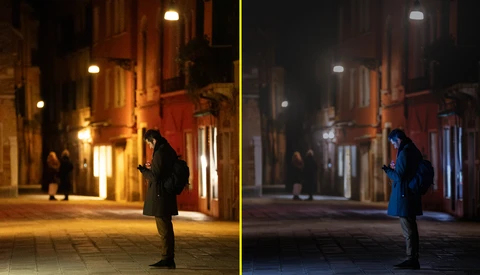
Mood Matters: Transform Your Images Through Thoughtful Editing
Let’s explore the often-overlooked significance of editing in photography and how it transforms raw images into compelling visual stories. We will break down the two stages of editing and provide examples that highlight the creative process involved in crafting mood and atmosphere.
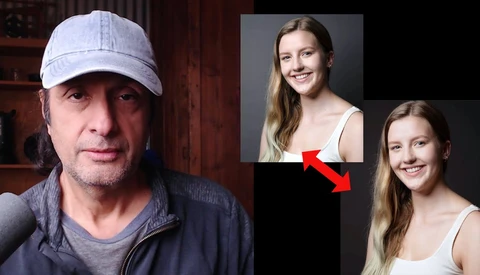
Soft Light, Dark Background: The Distance Trick You’re Missing
Light distance is the quiet setting that can wreck an otherwise solid portrait in minutes. Move a light a little, and the subject looks fine while the background suddenly turns muddy, or the exposure slides off without an obvious reason.
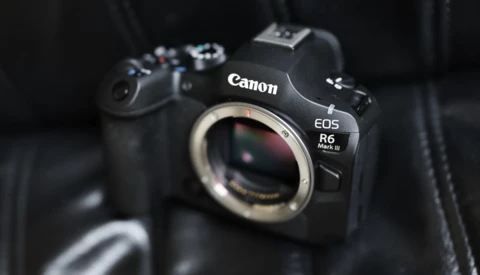
Canon EOS R6 Mark III Review: Faster Bursts, Higher Resolution, Real Tradeoffs
The Canon EOS R6 Mark III sits in that uncomfortable spot where the spec sheet looks like an easy “yes,” but real use can still surprise you. If you shoot fast subjects, record serious video, or expect one body to cover both without excuses, the R6 Mark III is the kind of camera you want judged by what it does under pressure.
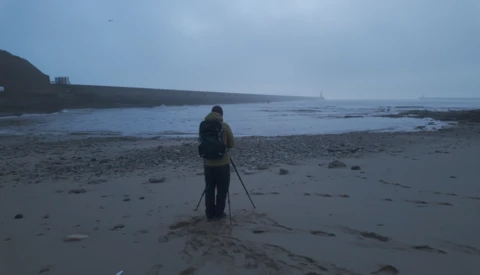
Why a 28-200mm Might Beat Your “Perfect” Lens in Bad Weather
Gear advice gets loud when landscapes get quiet, and the loudest claim is that a superzoom can’t handle “serious” work. That idea pushes you into swapping lenses, second-guessing focal lengths, and leaving shots behind when the weather turns awkward.

Anker Prime Wireless Charging Station Review: A Fast MagSafe Charger Worth the Premium
Wireless charging usually involves a trade-off. You get the convenience of simply dropping your phone onto a pad, but you sacrifice speed. MagSafe made things better with magnetic alignment, but even at 15 W, it felt like a compromise compared to plugging in a cable. The new Qi2.2 standard changes that equation, and Anker's Prime Wireless Charging Station represents one of the most compelling implementations I've used. At $149.99, this isn't an impulse purchase. But after a week of daily use charging my iPhone 17 Pro Max, AirPods Pro, and Apple Watch Ultra 3, I'm convinced the price is justified for anyone who values both speed and portability in their charging setup.

Can a Pocket-Sized Telescope Be a Real Astrophotography Tool?
When I first heard about the Dwarf Mini Smart Telescope, I have to admit I was skeptical. A smart telescope you can carry in a pocket (albeit a large pocket like a photographer's vest), plop down, and produce decent astrophotos seemed like a stretch. Smart telescopes have certainly evolved over the last few years, and I've reviewed a few of them.

Why Your Mindfulness Practice Is Stalling Your Growth
Photography increasingly measures its progress through internal states rather than visible change. The language of self-care feels ethical and mature, but it quietly removes the ability to tell whether the work itself is improving.

How to Make Digital Look Like Film Without Killing Detail
Highlight control in Lightroom is where a clean edit either holds together or falls apart. If skies keep turning chalky or faces get shiny fast, the fix is often less about contrast and more about what you do with the brightest tones.
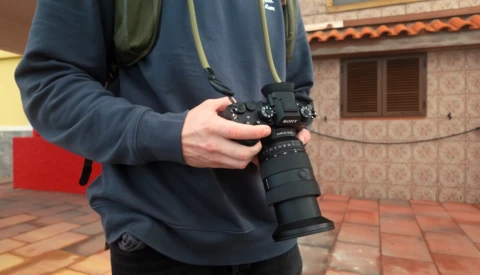
How to Stop Overshooting Without Missing the Moment
Bad habits don’t always ruin your photos in the moment. They ruin your time, your storage, and your willingness to pick up the camera tomorrow. If you shoot regularly, these patterns creep in fast, and plenty of photographers don’t notice until the backlog feels unmanageable.

How to Get Gets Natural Color Without Buying a New Camera
Your camera probably isn’t the reason your color looks dull. This video makes the case that the real gains come from how you handle light, exposure, and a few choices you lock in while you shoot.

A Mistake Almost Every New Photographer Makes
Here's a scenario most photographers will recognize: you come home from a portrait session or family event with 800 frames on your memory card, feeling like you absolutely nailed it. Three hours of culling later, you've exported maybe 15 images worth keeping. The math on that works out to under 2%, which isn't a success rate so much as it is a coin flip repeated until something lands.

How to Start Lightroom Classic the Right Way in 2026
Adobe Lightroom Classic still scares people off in 2026, mostly because the first 10 minutes feel like a wall of buttons and empty panels. If you shoot a lot, you need a setup that keeps files predictable and edits reversible, not a messy pile of “final_final_2” exports.