
The Precision Myth: A Photographer's Guide to Bit Depth
You've captured what you believe is the perfect sunset. The light was extraordinary, your composition was deliberate, and the histogram looked pristine. You import the file into Lightroom or Photoshop, apply a standard S-curve to add some contrast, and suddenly your beautiful sky transforms from a smooth gradient into something resembling a topographic map. Instead of that seamless transition from warm orange to deep blue, you're looking at a series of ugly, jagged steps. What happened?
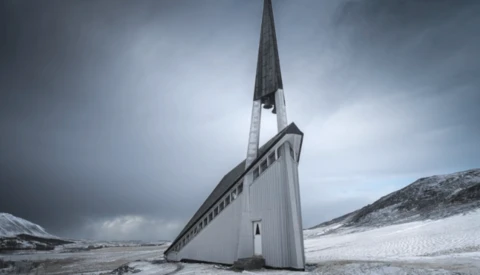
The Simple Lightroom Steps That Make a Subject Pop
Lightroom can make a flat landscape feel like it has a clear subject, but only if you control where the light goes. This video shows how simple masks can push attention without turning the edit into a fake-looking mess.
Latest Gear Reviews

Active Contests
7
285
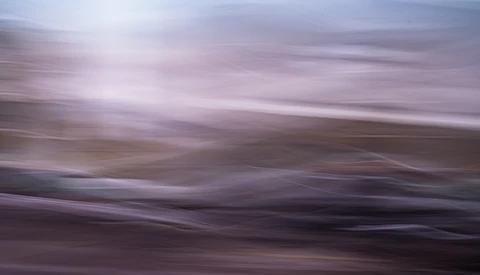
Enter your Best "Dark" or "Low-Key" images
Welcome to the April Critique the Community! For this contest/critique, we are doing another abstract theme that should allow more photographers to enter. For this month we want to see your most "dark" or "low key" photographs.
5 Whys Photography Discussions Always Collapse Into the Same Arguments
Photography arguments don’t stall because people are uninformed. They stall because professionals, hobbyists, and spectators speak from different realities while using the same language. This text maps the fault lines that make most debates structurally impossible.
Fstoppers Exclusives

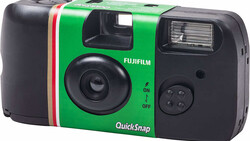




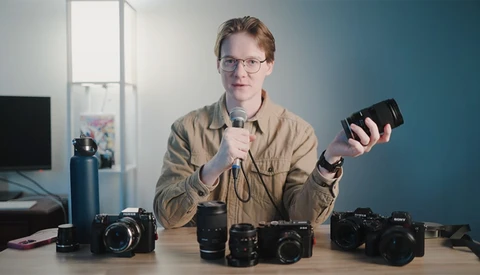
The Age Old Debate: Zooms vs Primes. Which Side Are You On?
I have long wavered between being a "bag 'o primes" shooter and a zoom lens shooter in my personal work. Sure, as a photojournalist and sports photographer, the choice was always easy: zooms. But for everything else, are zooms the best choice?

How To Take Control Of Your Edits With Lightroom Classic Masks
If you use Lightroom Classic, masking is the line between “good enough” and an edit that looks intentional. This video focuses on the masking tools that let you target light, color, and texture without pushing the whole frame in the same direction.
Second Shooting vs. Lead Shooter: The Pay, The Stress, The Truth
A wedding job can look like a Saturday with a camera, until someone vanishes and couples are left staring at a calendar with no plan. The video takes that nightmare scenario and turns it into a blunt checklist for how you avoid becoming the person everyone warns about.
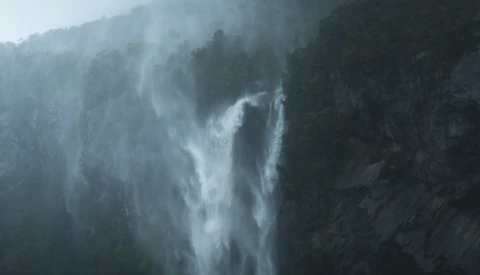
Depth Without Overediting: A Simple Raw Workflow for Landscape Images
Getting a landscape file to feel deep and directional often comes down to what you do in editing, not what you did in the field. This matters to photographers who want edits that look intentional without turning every frame into a loud, crunchy mess.
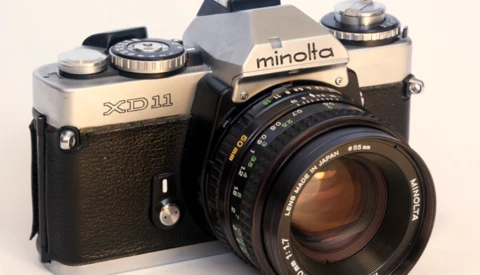
Will Sony Ever Make a Retro Camera?
Fujifilm has built an empire on it. Nikon proved it works at full frame. Canon is openly entertaining the idea, with an AE-1 tribute rumored for this year. And Sony, the company that defined modern mirrorless photography, is nowhere to be found.

Covering ICE in Minneapolis
Working the ICE story in Minneapolis meant relying on others—friends, colleagues, total strangers even. It meant leaning on the community and knowing how to sift good information from bad—and by the end of my time there, there was a lot of the latter.
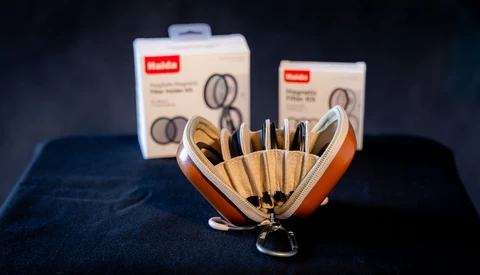
Review of the Haida MagSafe Magnetic Filter Holder and Smartphone Filters
Are you a smartphone photographer or videographer? Then the Haida MagSafe Magnetic Filter Holder and smartphone filters might be a nice addition, giving you some extra creative options. I received a set from Haida to try out. Curious? Read about my findings in this review.
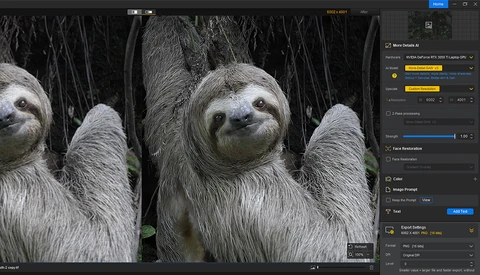
This Image Enhancer Beats the Competition
Among the many AI-powered image enhancement tools, the one we show in this article is the first to come close to a one-click solution for print preparation, with nearly no additional cleanup required.
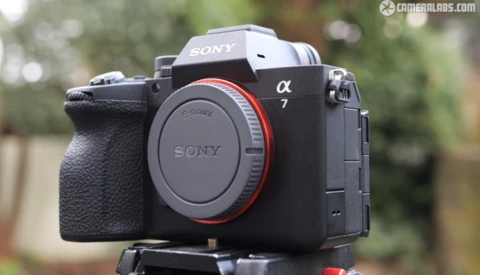
Sony a7 V: Faster Than the a7 IV, But Where Are the Real Tradeoffs?
Sony's a7 V sounds like the obvious upgrade if you want a faster, more responsive full frame body without jumping to a flagship price. The catch is that a spec sheet won’t tell you where the real compromises hide.
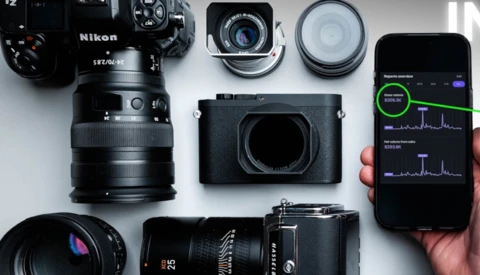
Making Money With Photography in 2026 Is Not What You Think
If you’re trying to earn more from photography in 2026, you’re juggling two fights at once: getting better at the work and staying visible in places like Instagram without wasting your week.
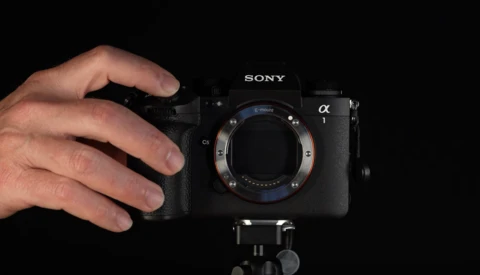
Sony a1 II Long-Term Review: What $7,000 Really Gets You After Months of Use
You’re probably eyeing the Sony a1 II because you want one body that can handle sports, wildlife, portraits, and serious video without feeling like a compromise. The catch is that it’s priced like a long-term decision, so small differences in handling, tracking, and video tools turn into real wins or real regret.
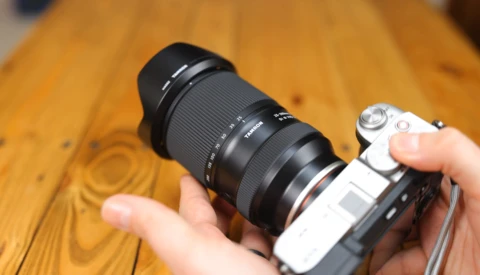
Tamron 25-200mm f/2.8-5.6 G2: The Real Tradeoffs of a One-Lens Setup
A single-lens travel setup sounds simple until you try to cover 25mm through 200mm without hating the compromises. The Tamron 25-200mm f/2.8-5.6 Di III VXD G2 aims straight at that problem, and the details in this review land right where your real-world shooting gets messy.
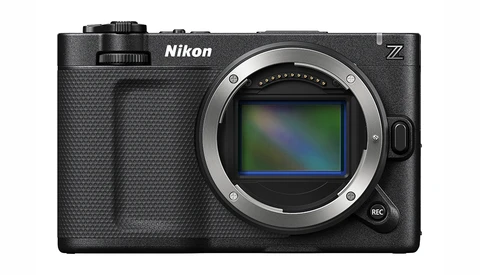
Nikon Releases First Firmware Update, Version 1.1, for Nikon ZR
Nikon has just announced a new firmware update for their Nikon ZR cinema camera. Let’s have a look at some of the coming updates.
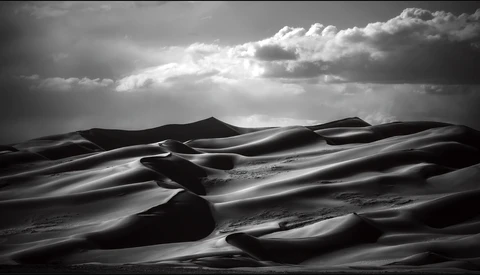
Strong Images, Weak Edits: Why Your Archive Deserves Another Look
Have you ever gone back to look at older images you created? Whether they’re from six months ago or six years ago, there are often elements worth revisiting. As our eyes mature and technology advances, we’re able to see opportunities to refine those images in ways we simply couldn’t before.

What “Nat Geo-Quality” Actually Means: A Photo Editor Breaks Down Your Shot Selections
If you’ve ever looked at National Geographic’s “Your Shot” favorites and thought, “I could never compete with that,” you’re not alone—and you’re also probably aiming at the wrong target. Most photographers assume editors are hunting for the sharpest file, the cleanest composition, or the most technically “correct” exposure. A picture editor’s job isn’t to find the most perfect photograph. It’s to find the photograph that can carry attention, meaning, and credibility—fast—and still feels worth returning to later.
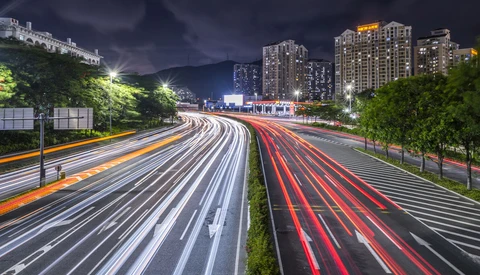
Stop Breaking the Bank: The Top 10 Full Frame Lenses Under $500
Proof that you don't need to spend $2,000 to get professional results.
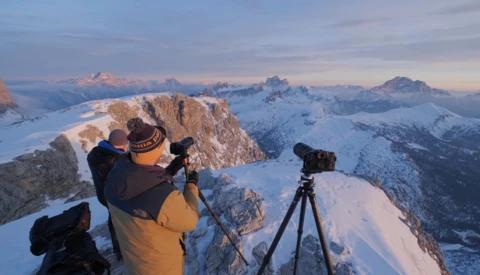
The Hidden Reason Your Landscape Photos Feel Busy and Flat
Standing in front of a landscape that feels unreal can make your brain short-circuit, and your photos often show it. This video breaks down a method for getting past that frozen, everything-is-important feeling without turning the moment into a checklist.
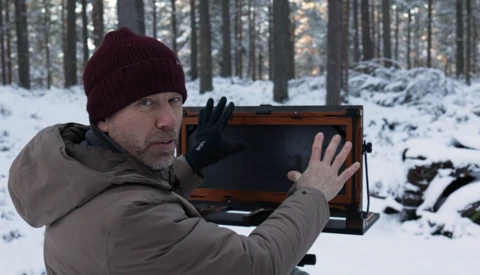
You've Never Seen Film Negatives This Big
You can shoot the same subject twice and still end up with two completely different photographs when the conditions change, especially when snow rewrites every edge and shadow. This video follows an ultra-large format camera shoot where the stakes are simple: get it right before the light fades and before you ruin the scene by walking through it.
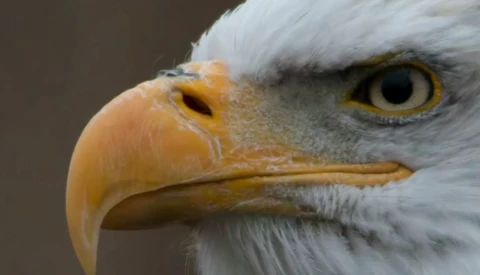
Who Makes the Best Noise Reduction Software?
High-ISO files can look fine at thumbnail size, then fall apart the moment you zoom in and see the grit crawling through feathers, skin, or shadows. If you rely on noise reduction, the real question is what each tool does to detail when the file is already stressed at ISO 12,800.

The Gear Priorities Most People Get Backward
You can waste years buying the wrong gear if you never decide what kind of work you actually want to make. This video helps you sort what’s worth paying for, what can wait, and what will still be useful after your next upgrade cycle.
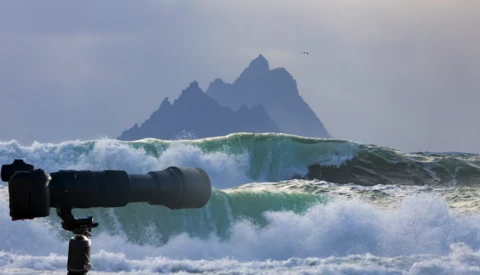
Why the Sigma 150–600mm Changed How I Photograph the Coast
Some ideas take years to resolve in photography—not because the location changes, but because your ability to translate what you see into an image takes time, experience, and sometimes the right tool.
When a Firmware Update Is Worth Installing (And When It’s Not)
For some photographers, firmware feels like a dirty word—especially for beginners. Should you install every update that appears, or leave things as they are if your camera works fine? For many, it starts with a more straightforward question: What is firmware, and why does it matter?