Most Bookmarked Articles

Below are the most bookmarked articles by our members.

Log in or register to add your own bookmarks.

How to Add Color to Your Shadows With Gels

Looking to add some color to your shadows? There are a few different methods to achieve this, but what if you could do it all in-camera? Well, you can. Jay P. Morgan from The Slanted Lens covers four different ways to add some color into your shadows with gels.

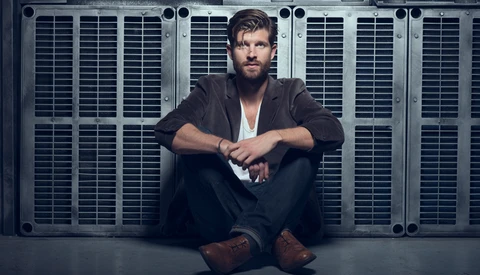
Three Overlooked Posing Secrets

The difference between good and great posing is all in the details. Whether you photograph men, women, or couples together, knowing how to make everyone look their best is 110% your job as a photographer.

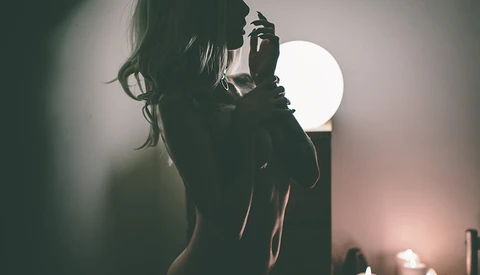
Creative Ways to Light Boudoir Clients

In today's somewhat over saturated market of boudoir photography, everyone is looking to shoot something new and unique. It can be difficult to find a new perspective on shooting when so many ways have already been discovered. So how can you get creative and grasp the attention of the viewers without reinventing the wheel?

Make More Realistic Composites With Saturation Maps in Photoshop

Creating convincing composites is all about matching a number of characteristics, one of them being the saturation between the different elements of the final image. This helpful tutorial gives a quick and very effective method for precisely matching saturation.

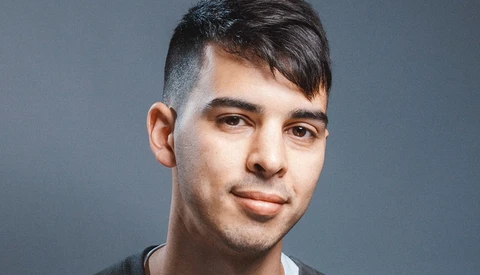
Create Professional Headshots with Only Two Lights

If the idea of creating multi-light portraits makes you feel the least bit intimidated, this tutorial is for you. Music photographer PJ Pantelis delivers a clear and detailed lesson on how to create professional headshots using just two lights and a reflector.

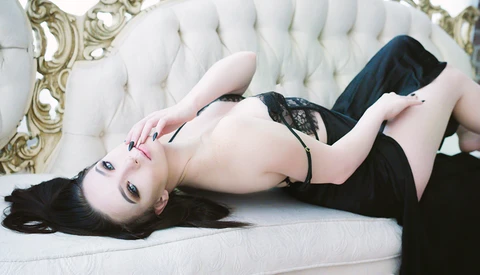
Simple Ways to Manipulate Natural Light in a Boudoir Studio

Many boudoir photographers starting out may be green with envy on studio owners with larger square footage. In many cases the ability to move around furniture and props without tripping every step is a welcomed luxury. However, the grass is not always greener on the other side. Having a large studio also means having more issues on controlling light, especially when it is natural light.

Finding Success as a Photographer

If you are like me, and many others, you love photography. It is something you think about constantly and wish it could sustain you full time if at all possible. So you set out to become a photographer and then…

Bite-Size PS Tutorials: Sharpening with High Pass Filter

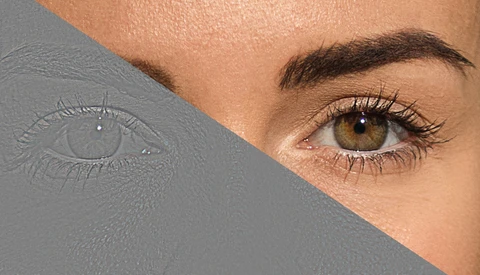
Two things converged for me recently: an increase in questions sent to me regarding my commercial photography and the unexpected popularity of my bite-sized Photoshop tutorials. Both occurrences are born from the same inquiry of understanding how certain things are achieved. I used to bother people constantly with questions on how I could attain a certain look in post-processing, or how an image is so sharp, and so on. From time to time, I still do. So, I'm going to do my best to make the answers to the most common questions readily available with this mini series.

Tips From a Fashion Photographer to Improve Formal Bridal Photos for Wedding Photographers

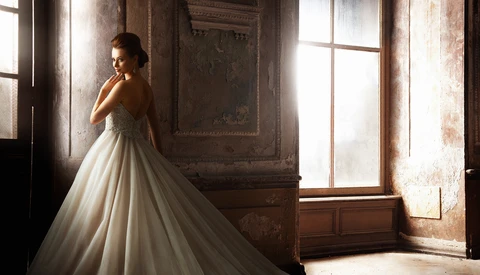
A spectacular shot of a bride in her gown can be one of the most enduring images in the spectrum of bridal photos. I’ll state up front that I am not a wedding photographer, but as a fashion photographer specializing in bridal fashion, I’ll wager that I’ve shot more bridal gowns than the average wedding photographer. Along the way I have picked up a few tricks that wedding photographers might find useful when taking a bride’s formal portrait in her gown. 

Flash Photography for Beginners: How to Take Amazing Portraits With On-Camera Flash

Shooting with flash can seem daunting at times, but it also opens up a whole new world of possibilities to take some truly epic photos that just wouldn't be possible with natural light. As a minor control freak, I was drawn to shooting with flash pretty early on in my career because I wanted to have control of the elements that made up my image. I didn't like the idea having to rely on what the sun was doing to determine whether or not I would be able to create the image that I envisioned. I wanted control so I took it. If you’re on the fence about whether or not you should start shooting with flash, this tutorial is for you.

The Headshot Setup That Will Save You Time and Impress Your Clients

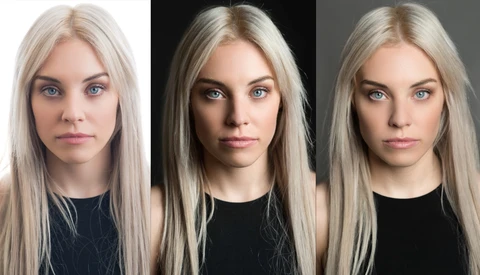
I call it the 3-in-1 Headshot Method. As a professional photographer it is imperative that you are able to adapt to your surrounds and the needs of your clients. I run into a situation quite a bit where my client doesn't know exactly what they want out of their headshot session so it’s my job to give them multiple options. In many cases my clients are very busy and they may only have a few minutes to get the shots they need so that doesn't give me the time to tear down my set and build a whole new one just for one look. Anytime I find myself in a situation like that I try to use my 3-in-1 headshot method which allows me to shoot three very different looks with just two lights and one grey background. Check out this video where I go through my process step by step.

How to Simply Correct Localized Color Issues Using Photoshop

When looking at retouchers’ portfolios, you can separate the great ones from the rest by looking at their color correction. For example, when skin tones are not uniform, it makes the makeup artist look terrible just as much as the retoucher. There are multiple ways to correct color issues, but let’s see one that’s incredibly fast and easy to use for small localized issues, no matter what your photographic genre of choice is.

Learn Virtually Every Lighting Setup You’ve Ever Imagined For Free

If you’ve ever wanted to see how the pros light amazing studio shots, look no further. My wife and I recently moved into a new place that offers quite a bit of new space for studio style photography. Being a tad rusty I was excited about the plethora of shooting opportunities a controlled lighting space would offer, but found myself lacking motivation. Until I discovered Broncolor’s “How To” section on their website.

Create Colorful Three-Light Children's Portraits

One of my favorite setups for studio portraits of children was inspired by Jill Greenberg’s photos of crying babies. These portraits are fun, simple, and focus on teasing out a variety of natural expressions of children as they are being photographed. This tutorial demonstrates how to photograph and edit this particular style of a three-light children’s portrait.

Post The Highest Quality Photos Onto Facebook With These Two Export Presets and Plug-In Options

We all work so hard preparing, shooting, retouching, and giving our all to creating our images. After everything is finished and the photos look amazing, we can't wait to share our photos to the world! But how do we know we're uploading the highest quality photos possible? Last year, I shared with you all a preset that I use daily to export photos out of Lightroom for Facebook. In this article, I'll add to my list of recommendations and show you two options that I swear by and have tested over-and-over to make sure I share crisp not only Facebook, but other mediums such as my website; so you can share the same quality!

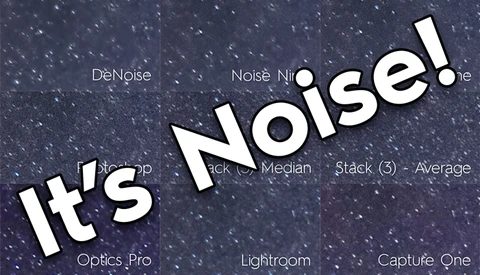
The Ultimate Comparison of Nine Noise Reduction Methods for Night Photography

Imagine yourself under a starry night sky. Wouldn’t it be great to capture the Milky Way to show it at home or on the web? Unfortunately, you are left with a black frame after you’ve pointed the camera upwards at settings you are used to. It's time to open up the aperture, lengthen the exposure, and bump up the ISO. You will introduce noise, but do you really care? Aren’t there tools out there to reduce noise but still keep the detail?

How to Create Luminosity Masks for Better Retouching

When learning about retouching, selections and masks should be on top of the list along with curves and brushes. But each of these tools have so many options, and it is hard to know the in and out of each of them. In this article, I will guide you through different ways to create precise and refined luminosity masks to help you improve your retouching skills.

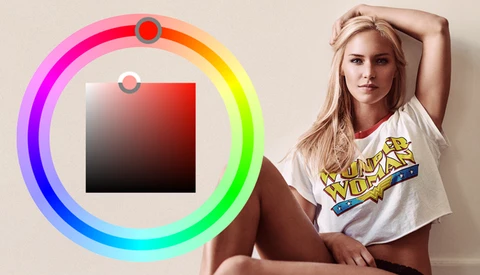
Making Color Grading Easy Using Color Palettes

Color correction and grading are probably amongst the most difficult parts of a retouching workflow. What seems to make it difficult in Photoshop is usually the understanding of the different tools available, such as curves and levels. However, there are a couple of tricks that can make it much easier, color palettes and fill layers being some of them.

7 Tips for Effectively Directing Your Subject in Portraiture

For any photographer with ambitions of working in the fashion industry, or for those with a focus on portraiture, there will come a time when you work with a subject that is unfamiliar with being in front of the camera. This can range from a newly signed model at an agency, to a client interested in a corporate headshot. While a photographer’s eye can be their greatest asset, communication skills are just as important. Below we will take a look at some of my top tips for making the most of your next session.

Here's What It Takes to Become a Professional Travel Photographer

When I was just eight years old I would flip through the pages of National Geographic and imagine being a photographer in Africa. I was captivated by the faces and places that seemed worlds apart from my typical Middle American hometown. Fast forward years later, and I'm living the dream as a travel photographer working throughout Africa and Europe. If you've ever wanted to travel the world with your camera, here's my advice to help you get started and thrive in professional travel photography.

Setting Up a Successful Headshot Session: Part 1

When I first began shooting headshots, it was a daunting task. Figuring out a rhythm for how a headshot session should go felt like an overwhelming problem. I slowly began to solve the problem through trial and error. It was when I began to realize that we have no control over almost anything in life that I began to find my own rhythm in this crazy photography business.

The Ultimate Guide to Composition - Part Two: Beyond the Basics

This is the second part of The Ultimate Guide to Composition. Part One can be found here.

Now that we’ve covered some of the more common rules/guidelines that are present in photography and painting, let’s move on to some of the more abstract concepts and theories including framing devices and the ways that our brain organizes how we see.