

Professional photography isn't just about taking good pictures – it's about delivering consistent, high-quality results under pressure while managing client relationships, business operations, and technical challenges that would overwhelm most hobbyists. Too many aspiring photographers make the costly mistake of transitioning to professional work before they've developed the foundational skills, business acumen, and professional discipline that successful commercial photography demands.
The gap between enthusiast photography and professional work is enormous, filled with responsibilities and expectations that go far beyond creative vision or expensive equipment. When you're the not prepared for that, the result is disappointed clients, damaged reputations, and failed businesses that could have been avoided with more thorough preparation and honest self-assessment.
These aren't permanent limitations or reasons to abandon your photography goals; they're developmental checkpoints that indicate areas needing focused improvement before you're ready to stake your reputation and livelihood on your photography skills. Professional photography is achievable for anyone willing to put in the work, but it requires a level of technical mastery, business understanding, and operational consistency that many photographers underestimate. Recognizing these gaps early allows you to address them systematically rather than learning expensive lessons at your clients' expense.
1. You're Still Learning Your Camera in Auto Mode
If you can't consistently nail manual exposure in changing light conditions without relying on your camera's automatic modes, you're not ready to charge clients for photography services that depend on technical precision and creative control. Professional photography requires mastery of exposure fundamentals — aperture, shutter speed, and ISO relationships — to the point where these adjustments become instinctive reactions to changing conditions rather than conscious technical decisions that slow down your workflow. Wedding photographers need to move seamlessly from bright outdoor ceremonies to dimly lit receptions, portrait photographers must handle everything from harsh midday sun to golden hour backlighting, and event photographers face constantly changing lighting scenarios where auto mode simply cannot deliver the consistent results that professional work demands. Relying on automatic exposure modes means surrendering creative control to your camera's algorithms, which may produce technically acceptable images but rarely create the distinctive look and intentional creative choices that separate professional work from casual photography.
Manual exposure mastery isn't just about technical knowledge. It's about developing the visual instincts and muscle memory that allow you to work efficiently under pressure while maintaining consistent quality standards throughout long shooting sessions. Professional clients expect every delivered image to meet their quality standards, regardless of challenging lighting conditions, time pressures, or unexpected complications that arise during shoots. Auto mode might help you capture adequate images in controlled conditions, but professional photography frequently involves situations where standard metering fails: backlit subjects, mixed lighting sources, high-contrast scenes, and creative exposure decisions that require intentional over or under-exposure for artistic effect. These scenarios demand photographer intervention and judgment that automatic modes cannot provide, making manual exposure control an essential professional skill rather than an optional advanced technique.
The transition from auto to manual modes also represents a fundamental shift in how you approach photography, from reactive image capture to proactive creative control where you shape the final result through intentional technical decisions. Professional photographers need to work quickly and confidently in manual mode because clients don't have patience for photographers who spend excessive time adjusting settings or chimping after every shot to check exposure accuracy. This level of technical fluency only comes through extensive practice in varied conditions until manual exposure becomes as natural as driving a car or typing on a keyboard. If you're still learning basic exposure control or find yourself frequently surprised by your camera's exposure decisions, focus on developing complete technical mastery before taking on paid work where inconsistent results could damage your professional reputation and client relationships.
2. You Can't Deliver Consistent Results
Professional photography means delivering usable, high-quality images at a rate of 80-90% or higher, not hoping that one great shot emerges from every hundred frames you capture. Clients hire professional photographers specifically because they need reliable results that meet specific quality standards, timeline requirements, and creative expectations without the uncertainty and waste that comes with inconsistent shooting. If your current success rate involves taking dozens of similar shots hoping that one will work perfectly, or if you frequently discover that entire shooting sessions yielded only a few usable images, you lack the technical control and creative judgment that professional work demands. Event photography, commercial shoots, and portrait sessions operate on tight schedules where every shot needs to contribute meaningfully to the final deliverables, making spray-and-pray shooting approaches completely incompatible with professional efficiency and client satisfaction.
Building consistency requires systematic practice that focuses on identifying and eliminating the variables that cause inconsistent results rather than just shooting more frequently in comfortable conditions. This means practicing in challenging lighting situations, working with difficult subjects, handling equipment problems under pressure, and developing backup strategies for when primary approaches don't work as expected. Professional photographers need contingency plans for equipment failures, weather changes, difficult clients, and technical problems that would derail amateur shoots but can't be allowed to affect professional deliverables. If you haven't developed the experience and systematic approaches needed to produce reliable results across diverse challenging conditions, you're not ready for professional work where failure to deliver consistent quality can destroy your reputation and eliminate future opportunities. Focus on building your consistency rate in controlled practice situations before attempting professional work where the stakes are higher and the margin for error is essentially zero.
3. You Think Better Gear Will Fix Your Problems
If you consistently blame your equipment for poor results or believe that upgrading to more expensive cameras and lenses will automatically improve your photography to professional standards, you haven't developed the fundamental skills that actually determine image quality and client satisfaction. Professional photography depends primarily on the photographer's technical knowledge, creative vision, lighting skills, and ability to work effectively with subjects, all areas where expensive equipment provides minimal advantages over competent mid-range gear when used by skilled photographers. Many professional photographers built successful careers using equipment that cost less than some enthusiasts spend on their hobby setups, proving that business success depends more on skill development, client relationships, and consistent execution than on having the latest camera technology. The most expensive camera in the world won't help you pose subjects naturally, find flattering light, compose compelling images, or manage client expectations effectively during challenging shoots.
Gear acquisition syndrome often masks underlying skill deficits that photographers hope to solve through equipment upgrades rather than addressing through focused practice and education. Better autofocus won't fix poor composition skills, higher megapixel counts won't improve your understanding of lighting, and faster lenses won't teach you how to work effectively with nervous clients or handle unexpected shooting conditions. Professional photographers need to maximize the potential of whatever equipment they own, understanding its capabilities and limitations so thoroughly that they can work around constraints and achieve professional results regardless of gear limitations. This equipment mastery comes from extensive practice with consistent setups rather than constantly changing gear configurations that prevent you from developing the muscle memory and intuitive understanding that professional efficiency requires.
The reality is that most modern cameras and lenses are technically capable of producing professional-quality results when operated by skilled photographers who understand their tools completely. Equipment limitations become relevant only at the extremes of professional work: sports photography requiring very long telephoto lenses, high-fashion work demanding medium format resolution, or specialized applications with unique technical requirements that consumer gear cannot address. For the majority of professional photography applications, including portraits, events, commercial work, and most editorial assignments, success depends far more on the photographer's ability to see and capture compelling images than on having cutting-edge equipment specifications. If you find yourself regularly thinking that better gear would solve your photography problems, redirect that energy and financial investment toward education, practice, and skill development that will actually improve your results and prepare you for professional client work.
4. You've Never Shot in Difficult Conditions
Professional photography often involves working in challenging environments, tight deadlines, and unpredictable situations that would overwhelm photographers who have only experience shooting in controlled, comfortable conditions where they can take their time and reshoot until everything works perfectly. Wedding photography requires working efficiently in crowded, poorly lit venues while managing family dynamics and timeline pressures that leave no room for extended setup or multiple attempts at critical shots. Corporate events happen in awkward lighting conditions with limited access to subjects, tight shooting windows, and professional contexts where disruptive photography techniques are unacceptable. Portrait sessions involve working with nervous or uncooperative subjects, managing children and pets, and creating professional results regardless of weather conditions, location limitations, or equipment problems that arise during shoots.
Building experience in difficult conditions requires deliberately seeking out challenging shooting opportunities that push your technical skills and comfort zone beyond what hobby photography typically demands. This might involve volunteering to photograph charity events, offering discounted sessions in exchange for experience with demanding subjects, or practicing in adverse weather conditions and challenging lighting scenarios until you can handle them confidently. Professional photographers need to be problem-solvers who can adapt quickly to unexpected situations while maintaining calm, professional demeanor that reassures clients even when technical challenges arise. If you haven't tested your skills under pressure or developed the resilience needed to produce quality work regardless of external challenges, focus on building this experience through progressively more demanding practice situations before taking on professional work where failure to deliver could have serious consequences for both you and your clients.
5. You Can't Handle the Business Pressure
Professional photography is at least 50% business operations: client communication, contract negotiation, project management, financial planning, marketing, and administrative tasks that have nothing to do with taking pictures but determine whether your photography business succeeds or fails. Many photographers who excel at the creative and technical aspects of photography struggle dramatically with the business responsibilities that professional work demands, including managing client expectations, handling difficult conversations about pricing and deliverables, maintaining consistent marketing efforts, and dealing with the financial stress of irregular income and seasonal demand fluctuations. Running a photography business means being comfortable with sales conversations, confident in your pricing structure, and capable of handling client complaints or revision requests professionally even when you disagree with their feedback or demands.
The business side of professional photography also involves legal and financial responsibilities that can create significant stress for photographers who prefer focusing exclusively on creative work. This includes understanding contracts and licensing agreements, managing copyright and usage rights, handling tax obligations for freelance income, maintaining professional insurance coverage, and dealing with clients who don't pay invoices on time or attempt to use images beyond their agreed licensing terms. Professional photographers must also develop marketing systems that generate consistent client inquiries, maintain portfolio presentations that effectively communicate their value proposition, and build professional networks that provide referrals and repeat business opportunities. These business responsibilities require different skills than photography itself and can be overwhelming for photographers who assumed that technical and creative competence would be sufficient for professional success.
If you feel anxious about discussing pricing with potential clients, uncomfortable with the sales aspects of client consultation meetings, or overwhelmed by the prospect of managing contracts, invoices, and business communications, you need to develop these business skills before launching professional photography services. Client relationships require clear communication about expectations, pricing, and deliverables from the initial inquiry through final delivery, and any uncertainty or discomfort with these business interactions will undermine your professional credibility and client satisfaction. Professional photography also involves financial planning for equipment replacement, business expansion, and income fluctuations that require discipline and business acumen beyond what hobby photography demands. If the business aspects of professional photography seem daunting or uninteresting, consider whether you might be happier pursuing photography as a serious hobby rather than a primary income source, or invest time in developing business skills alongside your technical and creative abilities.
The Path Forward
These signs aren't permanent barriers, so don't feel discouraged. They're development areas that can be addressed through focused practice, education, and honest self-assessment of your current capabilities relative to professional requirements. Professional photography is achievable for dedicated photographers willing to invest the time and effort needed to build comprehensive skills across technical, creative, and business domains. The key is recognizing that professional readiness involves much more than just taking good pictures, requiring a level of consistency, reliability, and business competence that most hobby photographers never develop because they don't need it for personal enjoyment and creative satisfaction.
Use these criteria as a development roadmap rather than discouragement, identifying specific areas where you need improvement and creating practice opportunities that address these gaps systematically. Professional photography can be enormously rewarding for photographers who approach it with realistic expectations and thorough preparation, but jumping into professional work prematurely often leads to disappointed clients, damaged reputations, and financial losses that could be avoided through more careful preparation. Take the time to build a solid foundation of skills and experience before staking your reputation and livelihood on your photography abilities. Your future clients and your business success will benefit enormously from this investment in comprehensive professional readiness.



Join the Fstoppers community for free
-
Post comments and join in the discussions
-
Browse the site ad-free
-
Share your work and get featured in the community
-
Compete in the photo contests for fun and prizes
15 Comments
Great article, Alex!
5. You Can't Handle the Business Pressure
The other 4 are no problem for me. But this one, #5 .... yeah, I really struggle with it.
I used to have a business license with my state. But they expected / required me to get online every 3 months and fill out this damn form - something to do with quarterly income that had to do with sales tax. None of my photography income was subject to sales tax, so I never owed any, but they still required me to do that horribly tedious paperwork every 3 months, and I hated it so much that I just stopped doing it. Then they seized my bank accounts because I hadn't filed, so I had to do the damn thing anyway. It was dreadful having to look up records of sales (royalties to me) and type the numbers in the little boxes on the form. I hated it so much I called the guy at the state office and told him I didn't want a business license anymore because doing those forms was so unpleasant. So now I don't officially have a business anymore, and it is so freeing to know that I do not have to do that horrible tedious paperwork once each quarter.
So yeah I hate the "business pressure" and would rather just be poor than have to do that stinking stuff.
Quarterly PROJECTED income tax is a business must-do.
Although you believe that photography is a "service", you're actually selling them pictures, albums, etc.., all sales taxable. Now, for example, a $2,000 wedding could be taxed at a 5.5% sales tax on the entire $2,000. I did pro studio AND wedding photography as a full time business for 50 years.
The Pixurman.
I feel sorry for you that you had to do all of that businessey type of stuff for so much of your life. Hopefully in your retirement you don't have to do anything that you don't like at all.
Thomas McDermott wrote to me:
"Although you believe that photography is a "service", you're actually selling them pictures, albums, etc.., all sales taxable. "
What makes you think that I believe that photography is a service? The photography that I do is not a service in any way whatsoever.
And no, I am not selling anyone pictures, albums, etc. I sell usage licenses. And I sell the vast majority of these licenses via stock agencies, so I do not have to charge or pay any sales tax whatsoever because the agency is the retailer and I just receive royalties. The agency is responsible for collecting and paying sales tax, not me.
In the U.S., royalties are generally taxed as ordinary income. Seems odd that the state would want you to pay sales tax. Could how you reported that income on your state and federal income tax prompt the state to require you filling out this form? After you returned the form were you subject to any sales tax?
I am not talking about income tax. I have been talking only about sales tax. That is why I had to do the asinine form for my state every quarter - it was solely for sales tax purposes.
There is no income tax here in Washington state, and my total annual income falls well below the threshold for federal filing, meaning that I do not even have to file for federal income tax because I am so poor.
No, I never owed any sales tax at all because the agencies that I sold through already collected and paid the sales tax. The state was clear that that royalty income was not subject to sales tax, but that I would have to file quarterly anyway, as any and all business license holders must do. Even if my business were completely inactive for years and years, not making a single sale, I would still have to file quarterly to tell/show them that I had no retail sales. That is just how it works in Washington state. And because it works that way, I no longer have a business license.
sounds like you strictly did retail photography. that is only a percentage of professional photography. some of your absolutes do not apply to other aspects of professional photography. be mindful that your experience might not be universal when making emphatic statements.
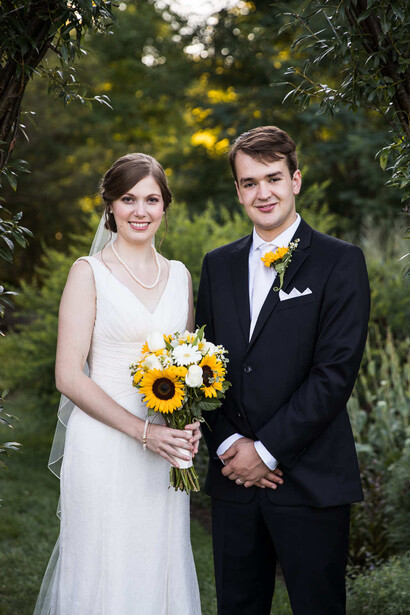
For instance: The man and woman in the accompanying picture is probably perceived as a brother and sister, or groomsman and bride picture. The picture is TECHNICALLY good, but IF it's a bride and groom, whay on earth did the photographer separate them before taking THE picture? In MY pictures, I always connected them physically to imbue a sense of being TOGETHER. Once you're really good with your equipment, go to wedding photography seminars and LEARN poses, posing, lighting, and creative COMPOSITION.
The Pixurman.
What makes you think the photographer didn't also get a few dozen shots of them in more "connected" poses immediately before and/or immediately after this shot that is shown?
It seems as though you think there is such a thing as THE picture when in fact the photographer rips off several hundred or a couple thousand pics that are all rather similar to each other, but with slightly varying poses.
Sign #1: You're reading an article on the internet to figure out if you're ready to be a "professional".
.
When that article has been written by a professional photographer, who has years of experience learning just what it takes to run a successful photography business, then of course it is a good source of insight as to one is ready or not.
.
Yup.
You forgot point 6
That you would be taking advice from articles such as this
Business pressure is always tough, but one thing that is also important is even if you can good and consistent results, often when you turn photography into a full time job, then it becomes a lot harder to do it for fun in your free time.
If there are multiple things you can do professionally, sometimes an individual may not want to turn the thing that brings them happiness into a full time job that becomes paired with the stress of running a business.
#6: You love photography precisely because it *is* a hobby where you get to experiment, acknowledge shortcomings and enjoy the effort to get better... and you know making it your job would ruin it for you.
I often think of Mark Twain's bittersweet realization that after he had learned the nuances of the Mississippi as a pilot, he couldn't appreciate its beauty anymore:
"...when I had mastered the language of this water and had come to know every trifling feature that bordered the great river as familiarly as I knew the letters of the alphabet, I had made a valuable acquisition. But I had lost something, too. I had lost something which could never be restored to me while I lived. All the grace, the beauty, the poetry had gone out of the majestic river!"