A Guide to Retouching Hotel Rooms
Almost four years ago I began a new journey in my photography career.
Almost four years ago I began a new journey in my photography career.
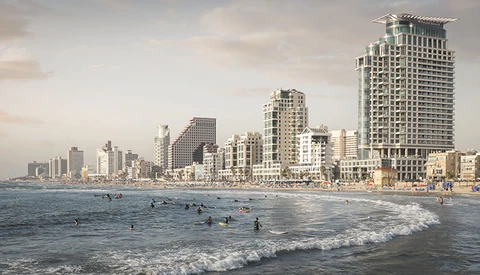
Back in February of this year, I was invited on a trip that I had never expected to go on. Kinetis, a non-profit based in Israel, invited myself and five other incredible photographers to travel to Israel to document and share what we found. To be honest, Israel was never a travel destination for me.
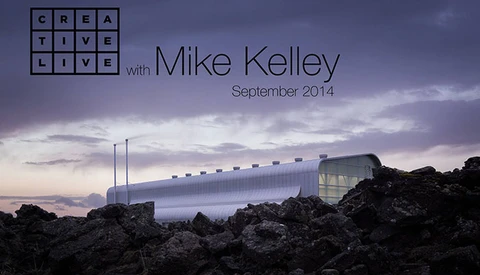
If you've ever been interested in the field of architectural photography, now is your chance to learn about the ins-and-outs of getting clients, bidding on jobs, building a reputation and learning some post-processing tricks for FREE.
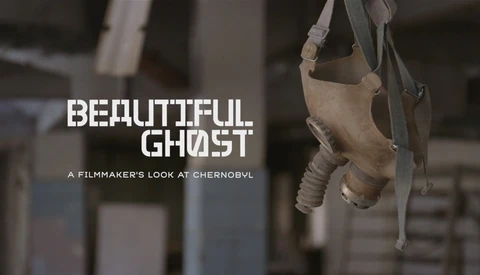
Christiaan Welzel and his wife Kseniya have trekked across the world adventuring for the majority of the last eight years. They decided to start exploring places that were extremely hard to get to like Antarctica or various ghost towns, but they finally decided on traveling to Ukraine where Kseniya is from.
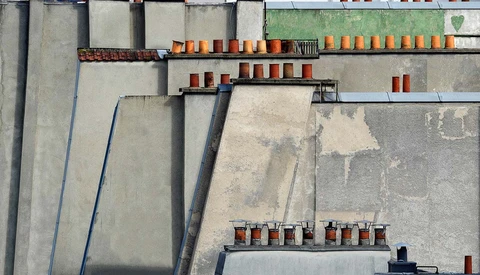
In today's world of hyper-exposure to media and art, it is a rare occurrence when a piece just grabs you by the heartstrings. Day in and day out you see another reiteration of the same old concept. But every once in a while, there's that moment when you come across another photographer’s work that leaves you in awe of their talent and unique vision.

Note: This is Part One. For Part Two: Beyond the Basics, click here.
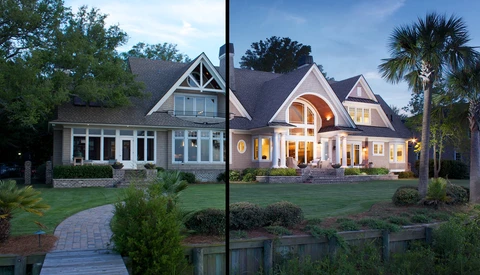
Last year we teamed up with Mike Kelley to produce the 7+ hour tutorial: How To Photograph Real Estate, Architecture and Interiors. We were fearful that Mike's fancy equipment would be discouraging to new photographers so we asked Mike if he could create a signature image with much cheaper gear.
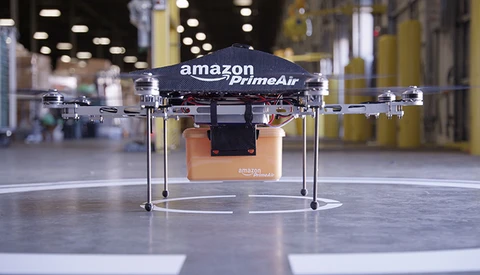
In December of 2013, Amazon teased the world with the thought of delivering (small) packages to your doorstep using drones, as first reported here. It got a lot of people talking. But since that initial announcement from Amazon, there hasn't been any indication that it was real. Was it purely a publicity stunt? If it was, it was a good one.
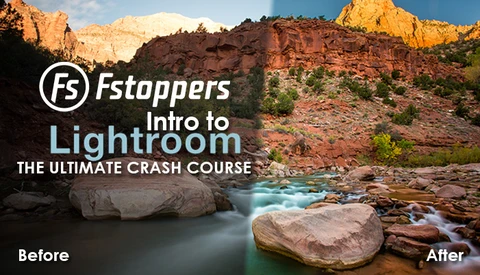
Back in 2004 I was given the Nikon D100 digital camera for Christmas and I started making money with the camera within a few months. I fell into wedding photography and within 2 years I was making almost 100% of my income shooting them. In the last 10 years I never learned how to process a RAW file (effectively) or use Lightroom until last week.
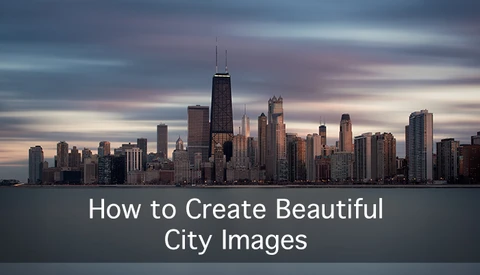
Whether you’re traveling around or venturing out beyond your own backyard, cities offer an endless supply of interesting locations and moments for photographers. To take advantage of their potential you’ll have to not only identify the best compositions but also execute them well.
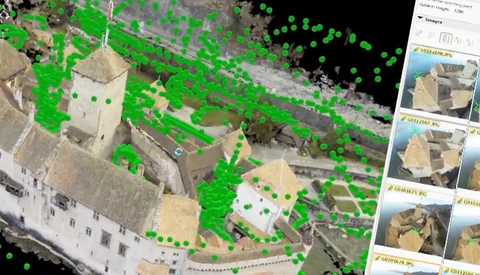
Have you ever considered creating an accurate and detailed 3D model from 2D photos? Probably not, it's incredibly difficult. Now, if you try to do it on a truly massive scale and have a huge castle as your subject, it makes it almost impossible to do by hand.
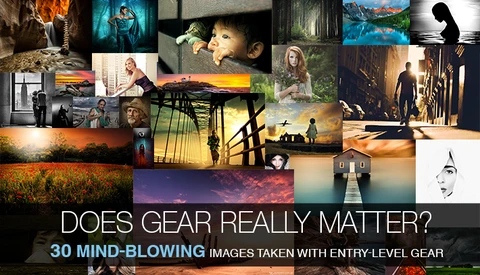
When someone tells a photographer that “their camera must be really good,” chances are the photographer will respond with an eye roll. The debate surrounding gear verses skill in the photography world is a tired albeit consistent discussion. Let’s not kid ourselves, gear does in fact matter. However, does a photographer need top of the line equipment to produce mind-blowing images?
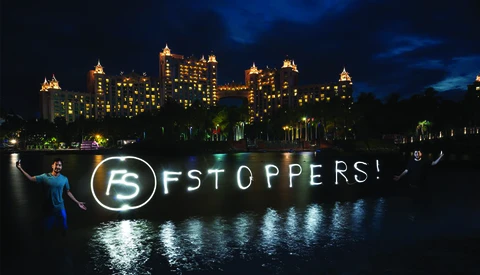
I've had some pretty amazing experiences in my life. Fstoppers.com has given me incredible opportunities like meeting Bon Jovi, or riding in the first Lamborghini Aventador in America. Our international workshop last week took a year of planning and insane amounts of stress. On top of it all, I had the flu during the entire week.
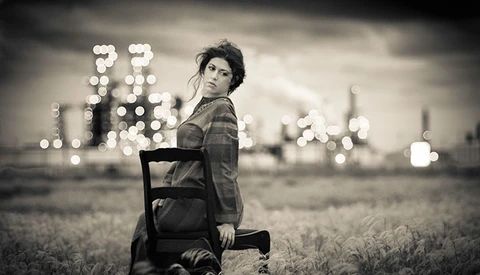
Tom Atwood, a photographer and professor of broadcast journalism at Southern Illinois University Edwardsville, went about taking photographs of models for a project he described as a series of “industrial landscape portraits” near the Phillips 66 Wood River Refinery in Roxana, Illinois.
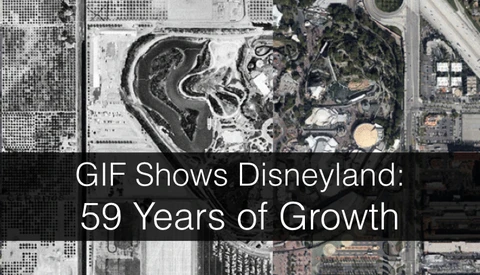
Today, Southland shared a rare look at the growth of DisneyLand in Anaheim, California from construction site in 1955 to the bustling theme park it is today, in 2014. In the two GIF animations of the park's evolutions (below) you see orange groves turn into the parking lots, carefully landscaped jungles, and the themed buildings that make up "the happiest place on earth".
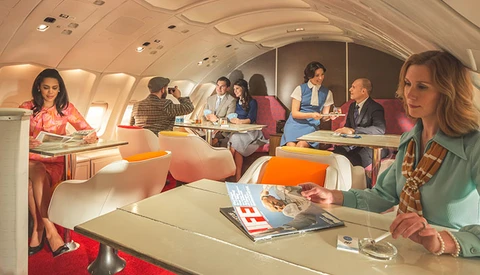
I’m a bit of a dreamer. I’m also a huge aviation geek, and I often catch myself browsing the web at 2am looking up articles on aviation and aviation history. So when I found Anthony Toth and learned more about his life’s work, I knew that I had my next personal photography project in mind.
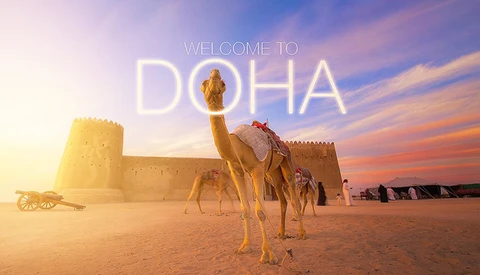
It's not the first time I'm sharing Michael Shainblums work and it won't be the last time. Timelapses are one of the most time consuming forms of photography and only a dedicated person with patience can produce quality results as often as Michael.
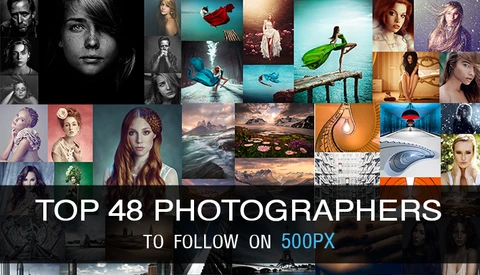
Even the best photographers need inspiration. 500px is a beautiful playground for some of the best photographers in the industry, and also one of the most powerful tools for motivation. There’s no sifting through rubbish to find quality work in your feed, which is often a problem with various social media platforms, like Facebook.
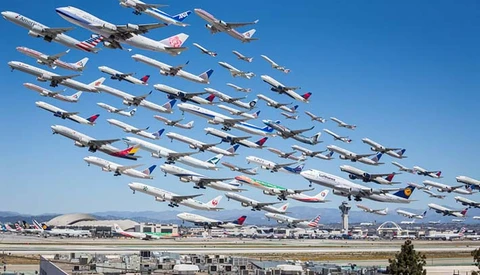
I love aviation and I love photography. So the other day, inspiration struck and I ran to LAX to capture a photo that compresses eight hours of airport traffic at one of the biggest airports in the world into a single frame. Here's how I did it.
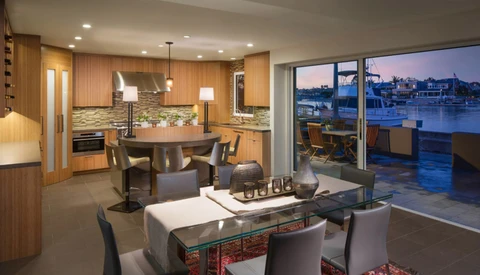
Mike Kelley is an amazing architectural photographer and guest contributor at Fstoppers. Recently, Mike published an article on B&H's Explora blog about the science and magic that went into the featured image above. In his article, Mike takes you behind the scenes in a rare look at the process behind his photographs.
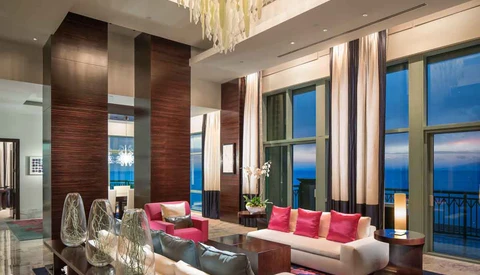
A few weeks ago Pat, Lee, Lauren and myself went to the Bahamas to get ready for the upcoming Fstoppers Workshop. While we were there, we wanted to film some kind of architectural photography tutorial video, and we're happy to share that it's finally ready.
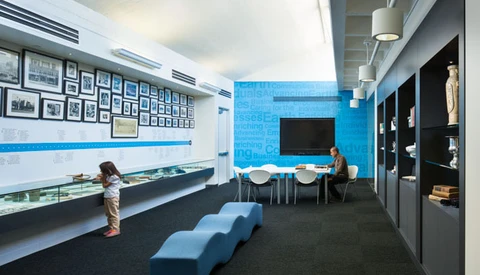
In today's post, I'm going to walk you through how I build an architectural photograph from square one. We'll discuss composition, lighting, staging, styling, and posing models in an architectural interior in order to create the image that the client has in mind.
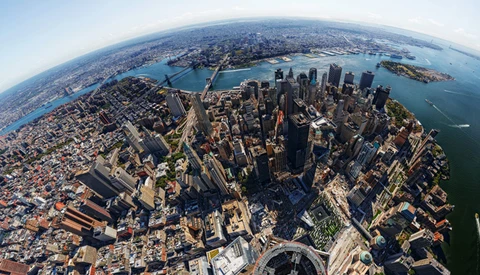
Months of planning, 567 images stitched into a single panorama and a 14.6 gigabyte image results in a breathtaking view of New York City from the top of the Freedom Tower. Deemed as one the tallest skyscrapers in the US, the new Freedom Tower is about one year out from completion.
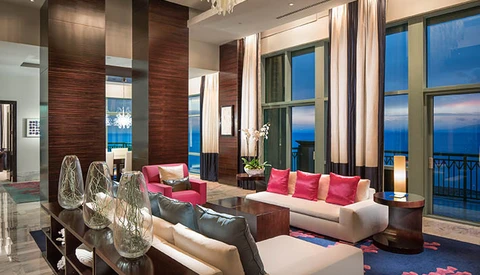
I recently visited the Atlantis Resort in the Bahamas with Lee and Patrick to scout out locations for my upcoming architectural photography workshop and we were pretty much given unfettered access by the Atlantis marketing department to shoot whatever we wanted. First on the list? The $15,000 per night penthouse suite.
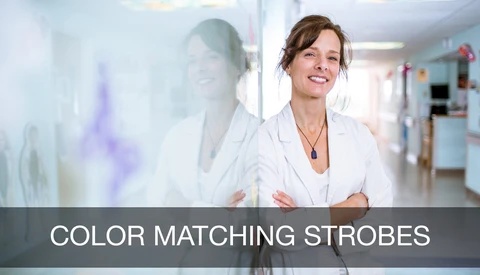
Knowing the importance of color matching strobes indoors is crucial when combining strobes and ambient lighting. Fixing mismatched lighting temperatures can be extremely difficult in post process. Ian Christmann, a commercial and lifestyle photographer discovered a method which will change your life.
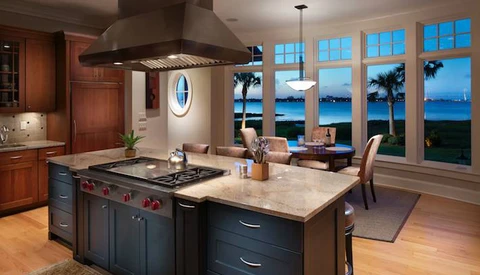
Last summer we flew Mike Kelley, one of my favorite architecture photographers, to Charleston for 3 weeks to film the 8 hour tutorial How To Photograph Real Estate, Architecture and Interiors . Mike's technique of light painting and compositing is so polished and time consuming that I assumed no Realtor would actually want to pay for it. I was wrong.
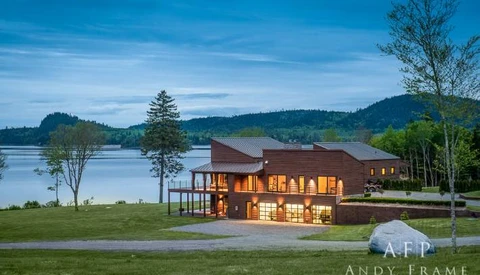
In under five years, Andy Frame went from being a photography nobody to running one of the most successful photography operations that I'm aware of.
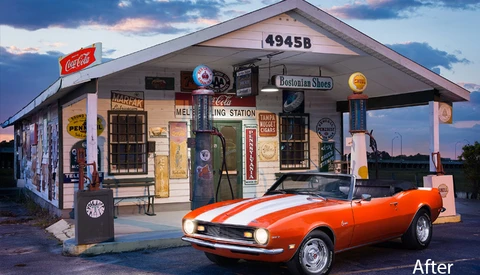
This year for Christmas I wanted to surprise my father with his dream car, an original Chevrolet Camaro convertible in hugger orange with white rally stripes. Being that I'm a photographer I decided to photograph the car and give my father a framed print of the car before I revealed that I am actually giving him the car.
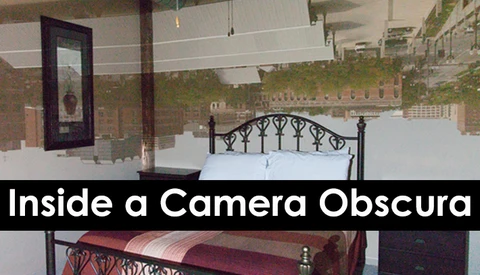
We all have cameras and know how to operate them. But how well do you understand the image forming principles? Modern technologies spoil us and we are often not required to possess any knowledge about the process behind the functions of a device. However, such knowledge can lead you to fun experiments like the one I am going to share with you today.
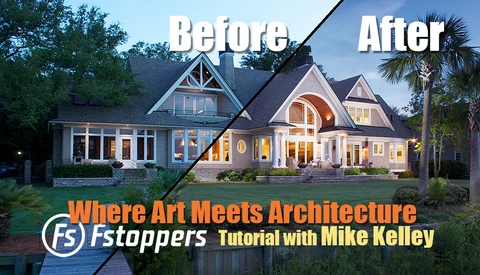
Each year Patrick and I work on one extremely large project. Two years ago we created The Art Behind The Headshot with Peter Hurley. Last year we finished our 14 hour tutorial on how to become a wedding photographer. In 2013 we teamed up with Mike Kelley to produce what I believe is the best resource available on How To Photograph Real Estate, Architecture, and Interiors.
It's been a while since we've released an Fstoppers original video, so today we want to take you behind the scenes with Mike Kelley. If you've been following Fstoppers then you know he's been a writer with us for a while and is also one of the most talented architectural photographers in the country.
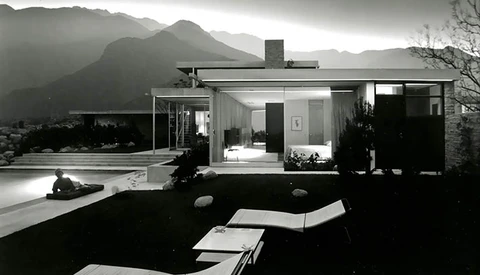
When it comes to architectural photography, there is one that stands above all: Julius Shulman. Not only was he responsible for creating the world's most iconic images of architecture, but he was on the forefront of pushing the boundaries of the art form into what it is today.
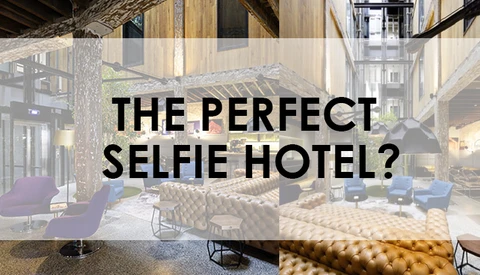
To be categorized in the "strange yet brilliant ideas" bin, the 1888 Hotel in Sydney, Australia is coining themselves as the first "Instagram Hotel" with their architecture both inspired by and made for Instagram shots. What results is actually a really well-designed space that's fitting for the most discerning hipster...
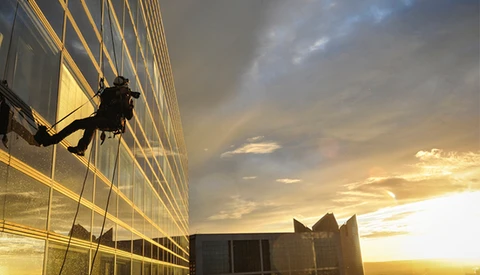
'Whatever it takes to get the shot.' Carlos Ayesta's "whatever" involves rappelling from skyscrapers to get his unusual perspectives of Paris. In this beautifully shot BTS video by Guillaume Bression, we see Ayesta rappelling from various buildings and peeking into peoples living and workspaces.
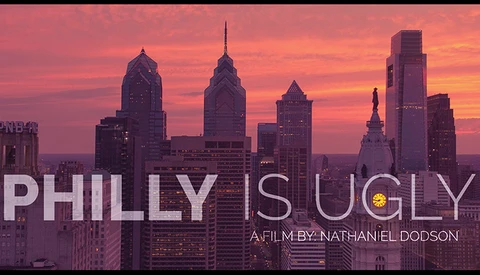
“Philly is Ugly” is a timelapse photography project by Philadelphia area photographer, Nathaniel Dodson. He took an impressive amount of time to not only create this short film piece, but also to extensively document his behind the scenes process. When he sent this to me, I couldn't help but share this with you.
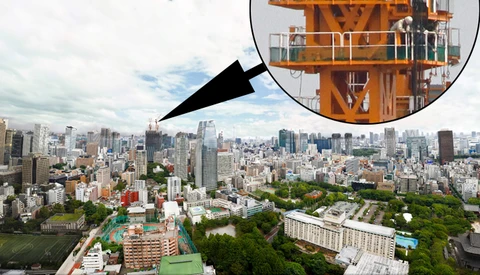
io9 scored some interview time with the talented, patient and hard working, Jeffrey Martin. How do I know Mr. Martin is all these things? Simple. Because that's what it takes to make a photo so large it took 2 days to shoot, 4 months to edit and is comprised of more than 8,000 frames, at a resolution of 600,000 pixels wide.
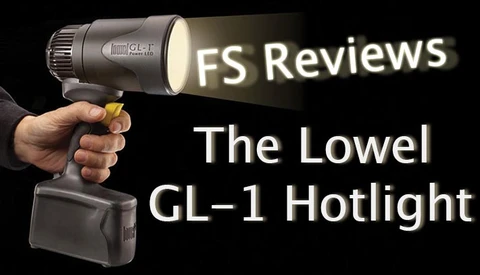
As an architectural and interiors photographer, I own more lights than I even want to think about. Pelican cases full - hot lights, speedlights, monolights, color balanced bulbs, and modifiers to go along with all of them. Lowel recently released the very polarizing GL-1 Hotlight to much controversy: people mocked it or loved it.

Shallow depth of field is something we can enjoy when shooting portraits, insects, products and other small and/or close subjects. But when shooting wide shots of landscapes and cities, it's technically pretty much impossible to achieve this effect with our normal day to day lenses (assuming most of you don't carry tilt-shift lenses or tilt adapters).
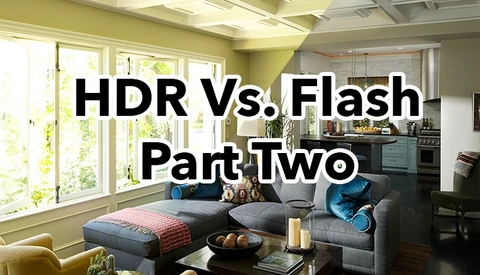
About six months ago, I wrote a piece comparing flash techniques to HDR and ambient-only techniques when shooting for architecture and interiors clients.
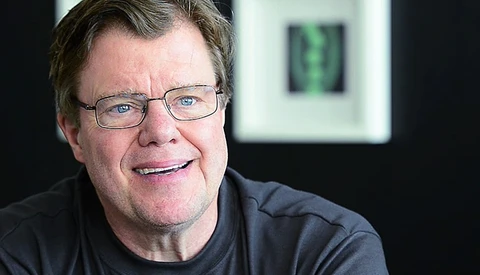
This year Patrick and I were invited to Gulf Photo Plus in Dubai to film a behind the scenes look of what it's really like to go to this exotic workshop. The experience itself was one of the highlights of my life but the most memorable moment for me was the few minutes I had with each of the instructors.
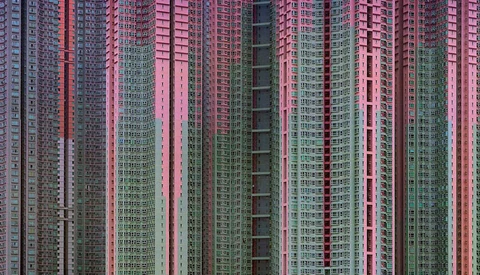
In Michael Wolf’s latest photography series, entitled ‘Architecture of Density’, the urban landscapes of Hong Kong are explored. While his photos in the series rarely contain people, creative angles, or any context, they still manage to provide a mind-blowing look into the haunting and seemingly endless buildings of mega city Hong Kong.

Architectural (and real-estate) photography is one of the most challenging and technical types of photography. In most cases, the goal is to get a clean shot with perfect lighting showing the place at its best and "sell" it to the viewer. It usually means the photo will show the location in a wide-'normal' angle and without distortion.
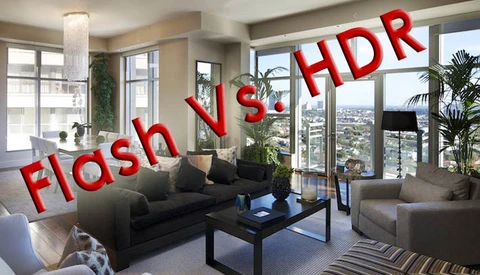
I know that many of our readers are real estate photographers or have at least tried their hand at real estate photography. The most common method used to create 'good enough' real estate photos is HDR: whether it is tonemapping or exposure fusion, HDR is definitely the most-used method for real estate and beginner interior photographers.
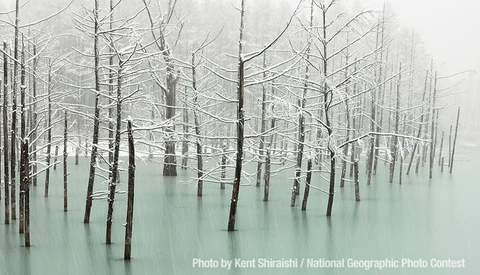
One of the best contests each year is the National Geographic Photography Contest. They always receive so many photographic entries that are simply amazing shot from locations all over the world. I picked out a few of my favorites to share here along with the links to go see more.
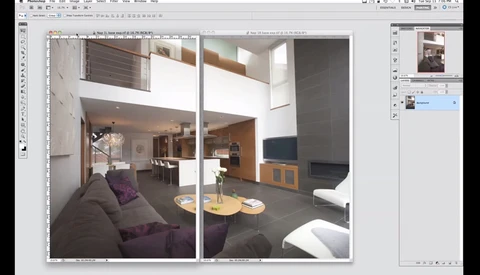
Architectural photography is something I can never seem to get down. I love shooting people much more than buildings, but when it is executed correctly I love it, even though it is not my favorite thing to shoot. I could look at good architectural photography all day. What's interesting is how architectural photographers use light to sculpt, add contrast, and bring out details in their work.
Architecture is all around us. Every building, every bridge, every walkway is some sort of architecture. Seeing it in the daylight is great, but seeing it from a whole new perspective such as these images, is incredible.
Here are 15 amazing example of what I am talking about.
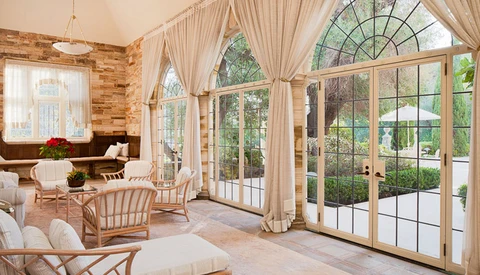
As I continue my articles on interior, architectural, and real estate photography, I thought it would be interesting to see different approaches to shooting these types of subjects. So, for this month's article, I've invited a number of professional interior, architectural, and real estate photographers to share their images and techniques with everyone who reads Fstoppers.
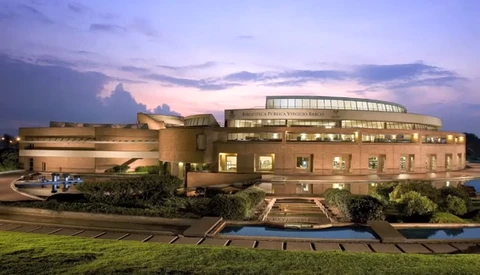
We've featured architectural photographer Mike Butler before, when he shot the Intercontinental Hotel in Miami, FL. This time, Mike heads to Bogota, Colombia, to shoot the Virgilio Barco Library using a slew of hot lights and assistants.
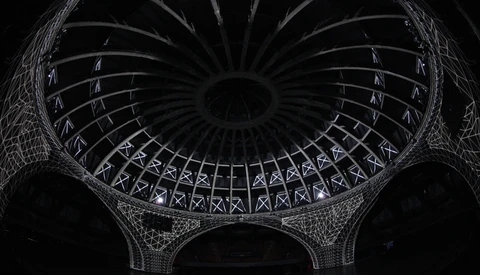
Projection Mapping became a big hit in the past few years, and many brands use it for making cool looking ads outside over big buildings. Basically they all use the same shticks: Changing what you see in windows, making bricks fall down, or making part of the building explode. This is why AntiVJ's "Omicron" is so different.
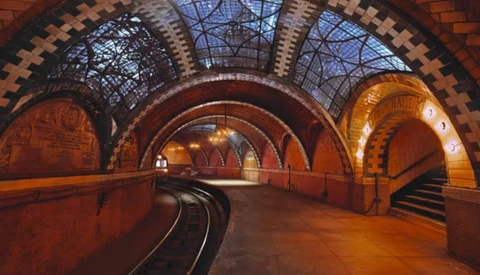
Love him or hate him, you can't deny that Peter Lik's got quite the penchant for getting the shot. In this video, Peter takes us deep into some abandoned subway tunnels and high over the skyscrapers of NYC as he shows us some of the locations and setups that he uses to create his photographs. We get a nice look at the finished results, which, to me at least, are always jaw-dropping.