Praxis: How to Practice Photography Effectively
The saying goes that you need to practice 10,000 hours before you master something. I think this is a bunch of rubbish.
The saying goes that you need to practice 10,000 hours before you master something. I think this is a bunch of rubbish.
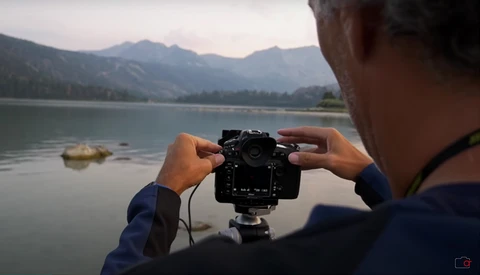
Landscape photography can be a tricky genre, with a lot of necessary technical knowledge needed to bring your creative vision to fruition. If you have been struggling or you are new to landscape photography, check out this great video tutorial that will offer you five helpful tips for improving your work.
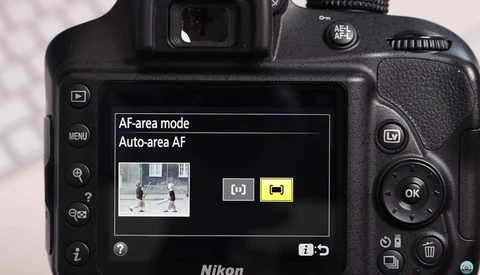
Few things are more important when it comes to making a successful photo than getting it in focus. This fantastic video tutorial will show you a range of tips and settings to increase your chances of getting an image sharply in focus.
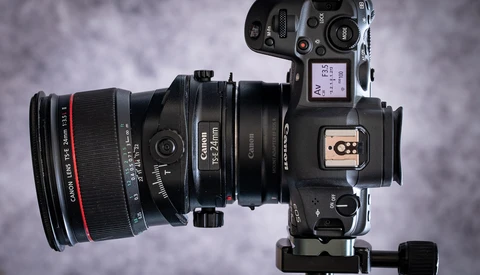
The tilt-shift lens is probably one of the most special lenses available. It allows the photographer to turn, shift, and tilt the lens in many different ways. In this article, I explain when and how to use the tilt function.
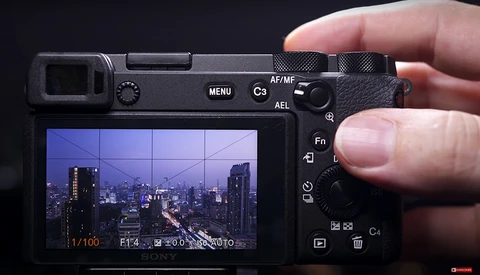
Learning photography can be a bit daunting, especially as you try to tackle a range of technical parameters while also learning to find your creative voice. This excellent video tutorial will show you a wide range of basic things you need to know that will get you up and running in no time.
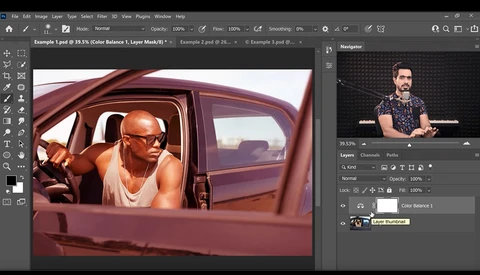
Getting the proper color balance will often make or break an image. This in-depth video explains a great technique for adjusting color balance in Photoshop using Curves adjustment layers.
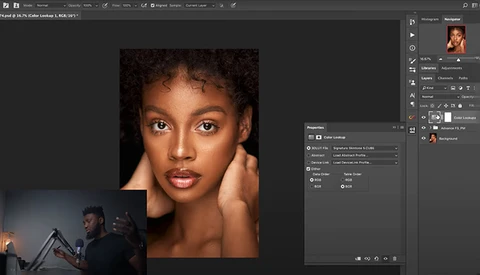
Frequency separation is a powerful retouching technique used by many professionals to enhance portraits while retaining detail. As with many editing techniques, it requires practice and restraint for the best results. This great video tutorial will show you how to quickly clean up your portraits.
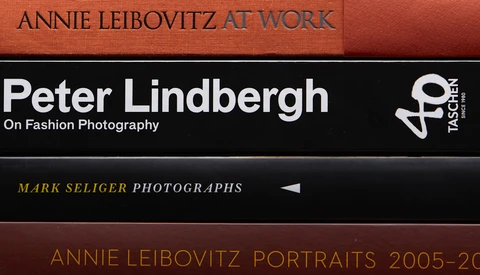
A lot of photographers seem to fall for promises that presets make, and sometimes, they are true. There are packs out there that give decent results. But the problem with presets is that they do the creative work for you instead of helping you be the creative you wish to be. And that is what is holding you back.
Have you ever experienced someone attempting to kill your passion for photography?
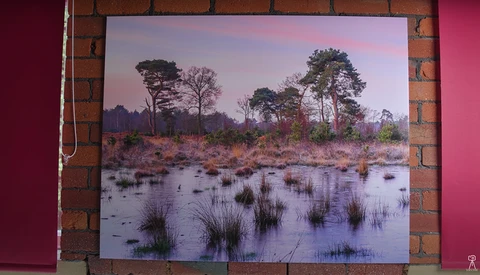
There is something special about seeing your work in print, and a particularly large print can be especially entrancing to behold. This great video tutorial will show you the process of creating a large print from shooting it to hanging it with plenty of helpful tips along the way.
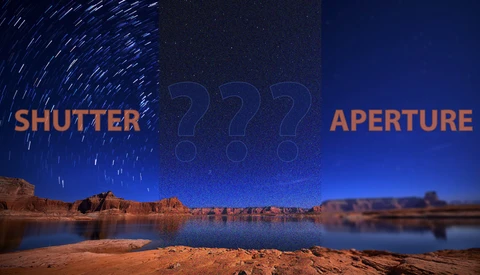
In this article, we’ll highlight a shortcoming of the exposure triangle, one that’s more a relic of film days than a modern requirement, and we’ll see how an exposure “V,” with just two legs, might actually afford us more flexibility and control over our images.
Want to make money with your photography? Why not take advantage of the myriad photography competitions to win cash, kit, or even more?
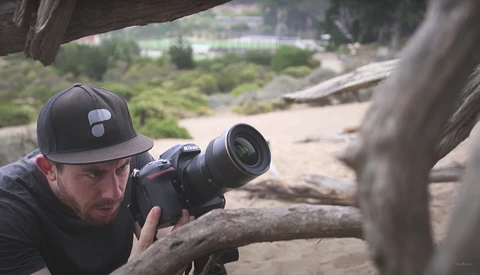
We all fall into creative ruts at one time or another; it is a natural part of photography. And it is not always an option to simply wait it out. So, what can you do? This great video tutorial discusses four different tips for breaking out of a creative rut and finding inspiration again.
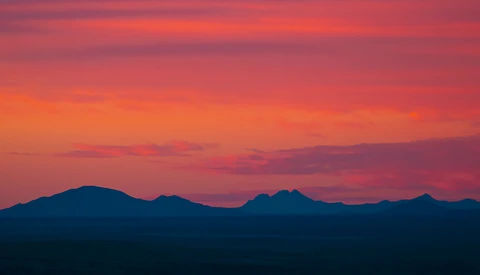
Landscape photographers generally do everything they can to ensure top-level image quality: a slow, deliberate workflow, steady tripods, mirror lockup mode, low ISOs, and more. So, what happens when you go against all that? It turns out you can still create fantastic images. This interesting video follows a photographer as he eschews all the rules for the sake of creativity.
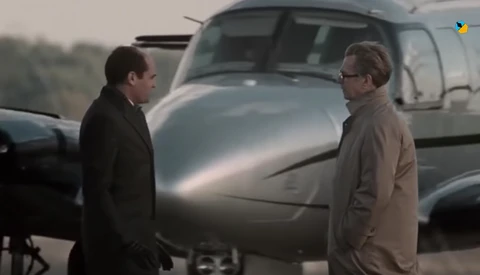
There is an almost infinite variety of camera angles, shots, and movements at your disposal to realize your creative visions, and the more you know, the better your work can be. This fantastic video will show you examples of 100 essential angles, shots, and movements.
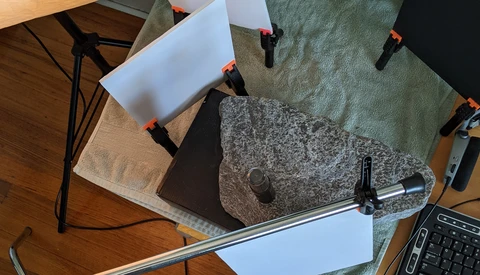
Given the global pandemic of COVID-19 (and the year that shall not be named), I very quickly found out that I am indeed, contrary to previously held opinions, an extrovert (and not an introvert). But given the situation, I wasn’t photographing people. What could I make that would work well with the images I already create?
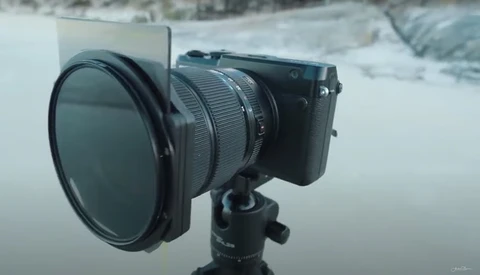
One of the best parts about landscape photography is that you can create a variety of different shots of the same scene just by varying your settings. If you are new to landscape photography, this fantastic video tutorial will show you how to choose the proper camera settings for your photos.
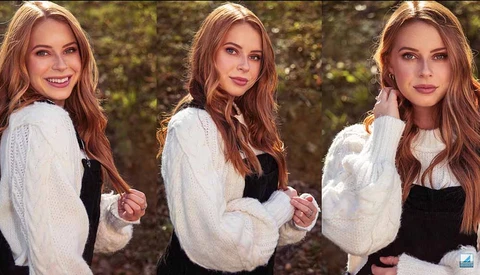
Photographers generally avoid on-camera flash whenever they can, but there are situations in which you will not have another option. For those situations, there are certain things you can do to make the light look more natural, and this helpful video tutorial will show you what they are.
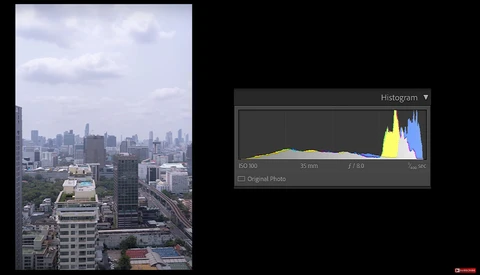
As you get into shooting and editing, you will probably hear photographers talk about blown-out or clipped highlights and shadows. What does it mean to clip something and how does it affect your shooting and editing? This short and easy-to-follow video tutorial will show you what you need to know.

There are a bunch of different ways to make your photos stand out: great light, gorgeous model, amazing locations, idealized retouching, but one that is often overlooked in favor of these less subtle approaches is color. We photographers tend to schedule a shoot, show up, capture what's there, and pat ourselves on the back for our genius, but what goes into the shoot before we schedu
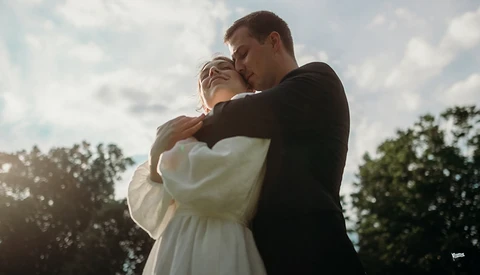
Portraiture is about much more than simply capturing someone in a pleasing pose with good lighting; it takes a certain amount of creativity to make images that distinguish your work from the crowd. This excellent video tutorial discusses how to make your portraits more creative.
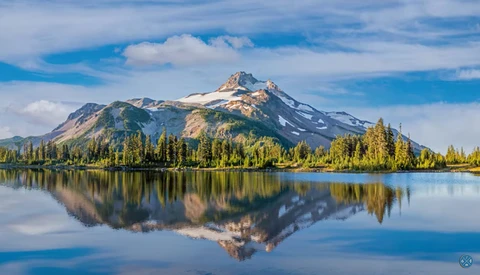
Sky replacement is one of the biggest trends right now, with many programs offering replacement capabilities at varying degrees of automation. Photoshop recently added a powerful sky replacement feature, and though it does not handle water reflections automatically, it is not that difficult to add them manually, and this fantastic video tutorial will show you how it is done.
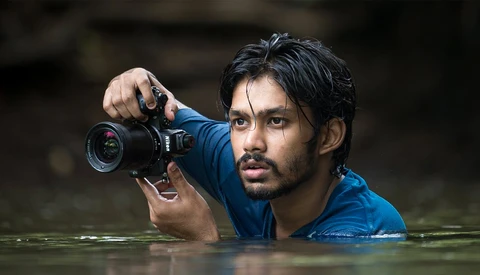
Photography is a complicated pursuit, requiring the confluence of a myriad of different skills and your creative vision to find success. This fantastic video gives 15 tips on a range of topics that will help you become a better photographer.
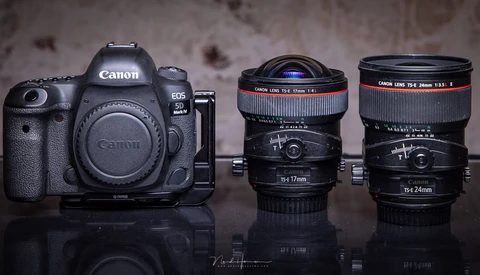
The tilt-shift lens is probably one of the most special lenses available. It allows the photographer to turn, shift, and tilt the lens in many different ways. In this article, I explain when and how to use the shift function.
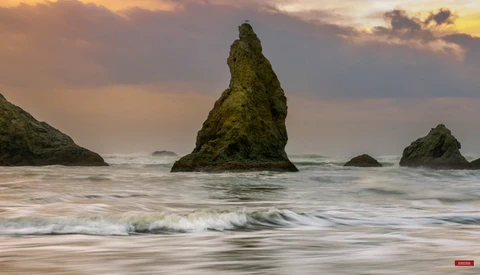
The majority of us start editing our photos by working with the sliders in Lightroom or our editing program of choice; after all, they are right there when you begin to edit. However, that might not always be the best way to work. This fantastic video discusses why you should perhaps forgo the sliders more often and embrace a different approach to editing your photos instead.
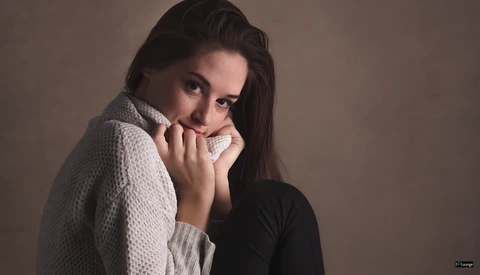
Lighting modifiers are a necessary tool for working with artificial light, but they can be quite expensive, and building a library can quickly drain your wallet. However, the humble umbrella is highly affordable, and you might be surprised by the shots you can create with them. This fantastic video tutorial will show you how to create professional profits using an umbrella.

If you spend any amount of time working in Photoshop and particularly if you perform the same tasks over and over, it is well worth learning about actions, as they can greatly increase both the consistency and efficiency of your workflow.
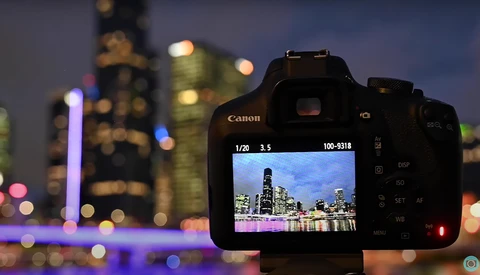
If you are brand new to photography, you are likely using your camera in auto mode right now. And while modern cameras are highly advanced devices, auto mode can be fooled quite easily and will not always give you the results you want, which is why you should consider learning manual mode.
Your portfolio is your calling card for potential clients and the thing by which they will decide if they want to hire you. This excellent video tutorial will give you five tips for improving your portfolio.
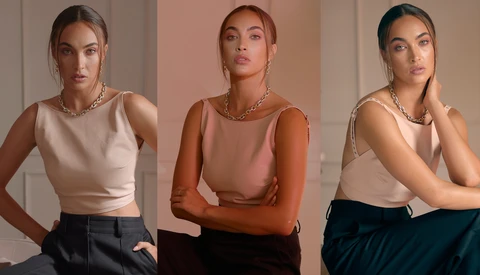
Roberto Valenzuela is a Canon Explorer of Light and is constantly pushing himself and others to learn the possibilities of light. In a recent project, he set out to take images of a single model with three different types of light (natural, flash, and strobe), and I asked him to talk us through the results.
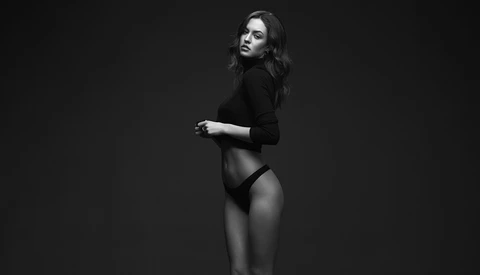
A little different from the last handful of episodes, Nathan Elson’s How I Got the Shot, Episode 7, moves into a darker-toned portrait set marked by its emphasis on moody overhead lighting.
Elson’s SetOne of my favorite parts of Elson’s videos is the wide-angle view that he shares of his entire set. In this case, we get to see exactly where Elson places his lights.
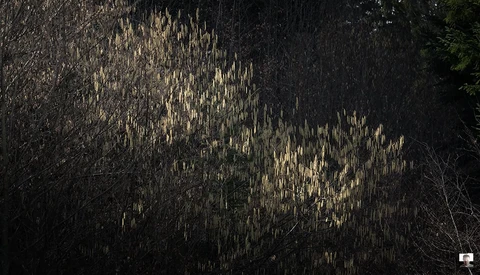
When you think of landscape photography and the lenses used, you likely think of wide angle options meant to capture all of the scene in one frame. And while those absolutely have their place, longer focal lengths can enable creative possibilities that weren't possible before. This great video examines what you can accomplish with a longer lens.
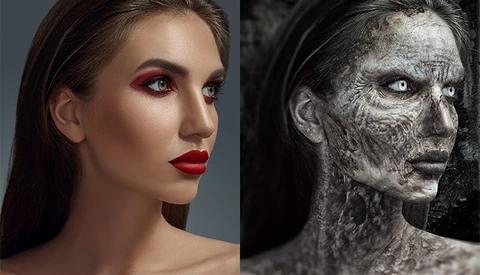
In this video tutorial, watch as Dean Samed shows you how to create undead zombie skin in Photoshop. If you like creepy images, check this out.
You have carefully perfected your technique, you have developed a creative style, and you are ready to truly invest in a professional-level camera. How do you choose the right one for your work? Before you drop a significant amount of money on one, check out this fantastic video that details what you should be looking for in a professional camera.

In this video tutorial, watch as Dean Samed shows you his top five tips on how to use the pen tool in Photoshop. It is the sharpest and most precise way to cut out anything.
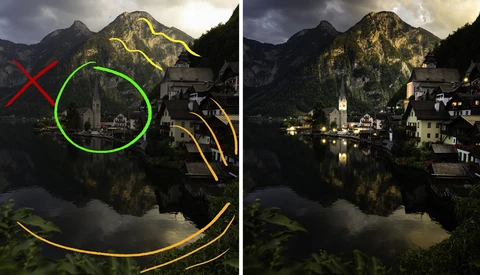
One of the most difficult things in editing isn't knowing how to color grade, use radial filters, or Photoshop. It's knowing what a photo needs once you sit down to edit it and these five tips should help guide you in tackling any photo you have.
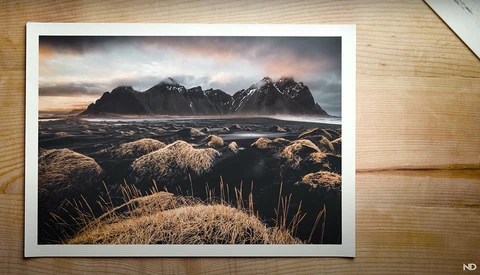
One of the most common ways to make money through landscape photography is to sell prints, but with such a crowded market, it can be tricky to stand out. This excellent tutorial discusses some of the best-selling types of prints as well as some helpful tips for maximizing your sales.
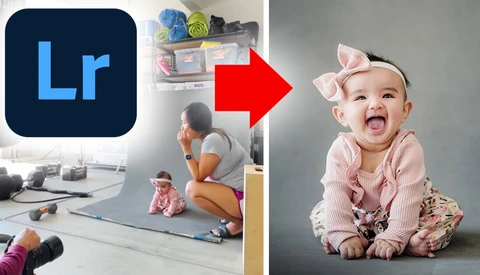
If you don’t have a ton of fancy lighting gear at home, this doesn’t mean that you can’t produce gorgeous studio-style images. This in-depth video tutorial shows you how to get great results using minimal equipment from the comfort of your own garage and dives deep into how they're edited in Lightroom.
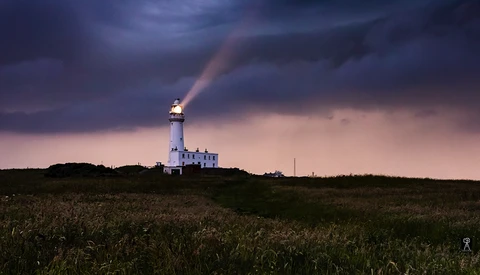
No matter how good you are, there is always room to learn more and improve as a photographer. There are many different levels you go through in your development as a photographer, and knowing where you are can help you prioritize where to focus your attention next.
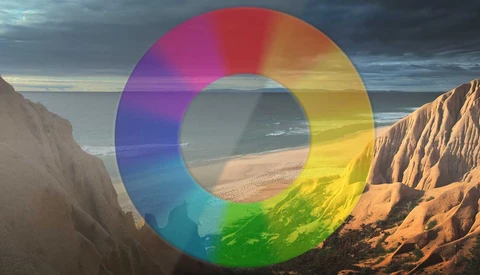
Here, I show you how to take the first steps with the free and open photo-editing software RawTherapee.
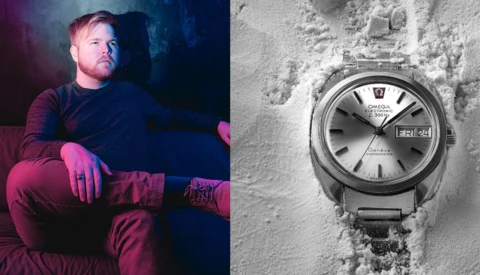
When it comes to photography, or any business really, sometimes you need to pivot in order to succeed.
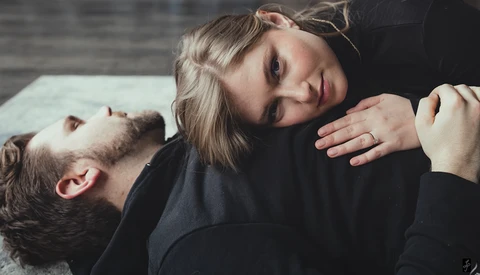
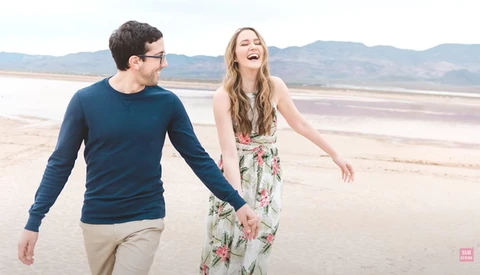
Posing is something a lot of us struggle with, and it can be twice as hard when there are two people involved. If you have trouble posing couples, this fantastic video tutorial will show you 10 great poses to add to your playbook.
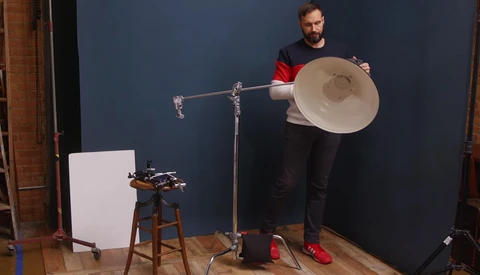
No doubt, it is fun to learn about cameras, lenses, and editing techniques, and learning how to properly use a C-stand or clamp might not be as immediately alluring, but it is just as important when it comes to working in a studio and accomplishing what you need to. This fantastic video tutorial will show you how to use a variety of common studio equipment effectively.
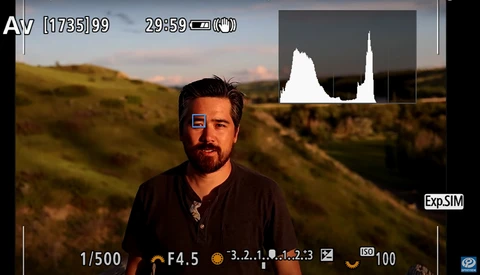
The Canon EOS R5 and R6 are Canon's newest mirrorless cameras, and they are impressively advanced machines capable of tackling a wide variety of scenarios with ease. But to get the most out of those capabilities, you need to set yours up properly, which is a bit of a complicated process.
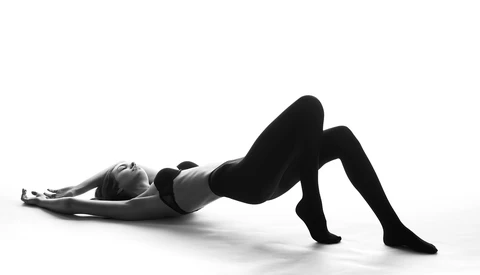
Nathan Elson is back with another installment of his "How I Got the Shot" short-form tutorials. This time, Elson is sharing his process for creating an image using light reflected from his seamless as his key.
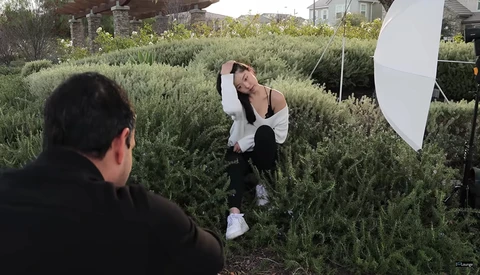
You can do quite a lot with natural light, but if you want to truly take full control of your photos, learning how to work with artificial light is the way to go. If you are wondering how to get started, this excellent video tutorial will guide you through the process of shooting outdoor portraits using a speedlight and affordable shoot-through umbrella.
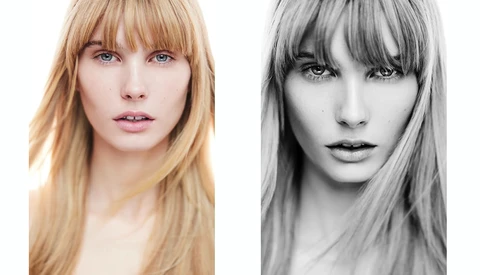
The high-key look is quite popular in a variety of applications, as it produces a bright, punchy image that instantly draws the viewer's eye to the subject. You do not always need powerful strobes to achieve it, however.
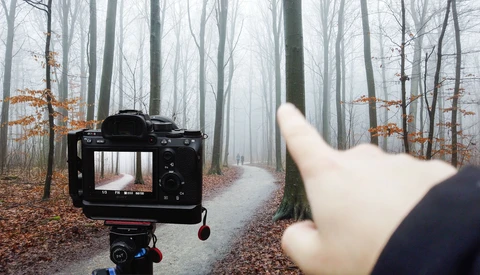
Forest photography can be a complex endeavor. There are many factors to take into consideration to increase the aesthetic value of your photo. There is one thing I keep having to remind myself, which applies to all the scenes I have photographed so far.
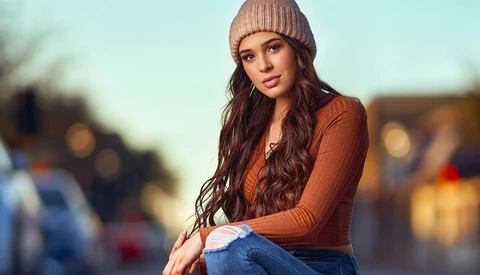
Knowing how to light, pose, and shoot a portrait is only half of what it takes to create a great image. In order to create a polished, professional portrait, you also need strong editing skills. This excellent video tutorial will show you everything you need to know to professionally retouch a portrait in Photoshop and to also add your own personal style to it.
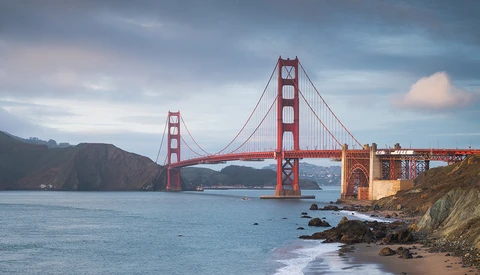
Seascapes can be a great alternative to standard landscape images and a way to use the motion and energy of the water to offset stationary objects and create more dynamic visuals for your viewers. This excellent video tutorial will show you a landscape photographer's experience from his point of view as he shoots seascapes.