
Everyone Is a Photographer. Why Should I Pay Your Fee?
During a recent night out, I was asked the question: "What do you do for a living?" It was the perfect opportunity to practice being excited about my work, so I launched into my story.
During a recent night out, I was asked the question: "What do you do for a living?" It was the perfect opportunity to practice being excited about my work, so I launched into my story.
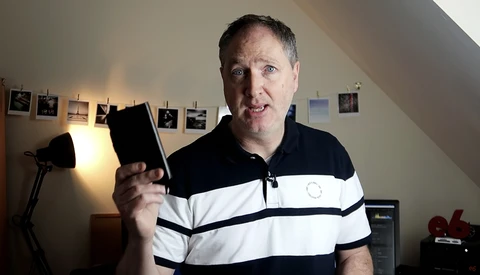
Photography is something where there are lots of little details, any one of which can make or break a shot. This great video talks about the many benefits of keeping something as simple as a notebook on you.
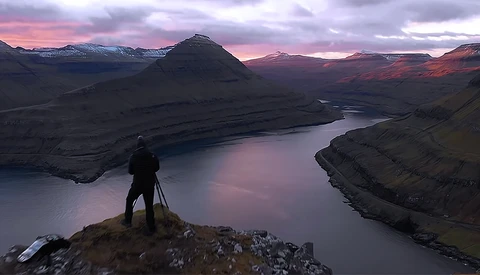
How do you level up your photography skills? The obvious places might be to peruse work by other photographers or watch some YouTube tutorials, but these are actually the least effective ways to learn: your best learning resource is your own library of bad photos!
It's often that us photographers can find ourselves stuck in a rut, looking up at other creatives and wondering where they get their ideas from and just thinking that some people have it, and some people don't. That little voice in our heads can really be detrimental to our self-confidence and reflect in our work.
Everyone wants to be a better photographer. Whether you're just starting out or are an established veteran, we're always wanting to be better at our craft. Today's video has some accessible tips for improvement that anyone can put into practice right away.

Any burger advertisement makes it seem like, for just a couple of bucks, you’ll get a juicy stack of meat piled high with vegetables on a crisp bun. Reality never meets expectations, of course, and so, if you’re wondering why your limp burger with wilted vegetables never looks like that advertisement, this video will show you why.
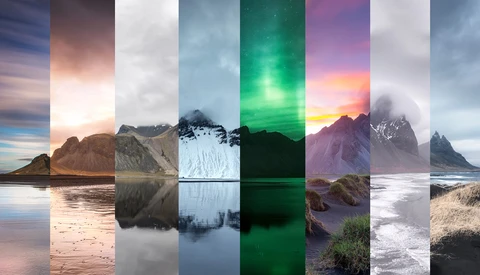
Returning to the same location repeatedly can yield some very different outcomes. Here I go through three years of photos from the same perspective.
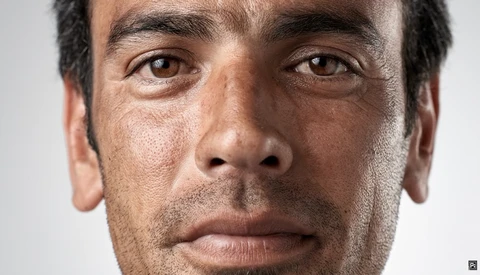
A lot of photographers look for ways to give their portraits a three-dimensional "pop," whether that's through the lens used or some sort of post-processing technique. This great video will show you a quick and effective method for getting that look using Photoshop.

It’s a gray flat sky day, and you need to get something interesting, but the sky isn’t helping. It's time to think of something different. Of course, time to go blue.
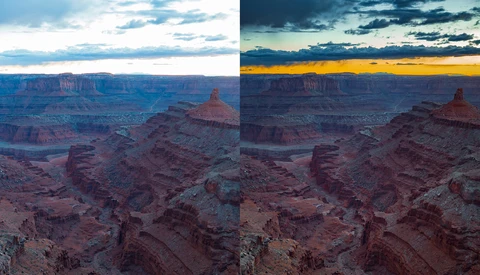
Postproduction for photographs, in our digital age, seems to be a never ending topic particularly since cameras and choices of software are always improving with ever better capabilities.
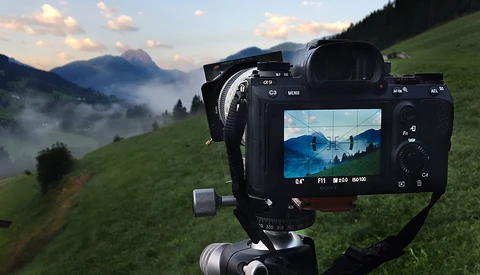
Since the introduction of digital photography our cameras are provided with a nice LCD screen to see the photo we’ve just taken, or to see the photo that we’re about to take. But be careful with these screens, they can be misguiding in some situations.
Today begins a three part series on building a successful business plan as a photographer. The topic deserves its own full book, but hopefully these essays will give those of you just starting out a primer on things you need to consider when turning your hobby into a profession.
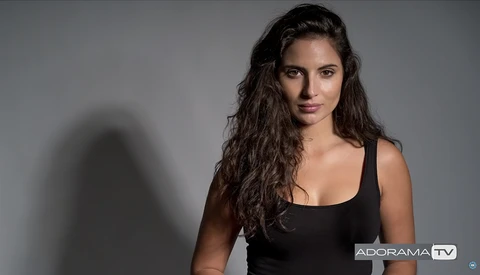
When you're shooting with strobes onto a plain backdrop, one of the most common problems you're likely to encounter is a shadow from your subject on the background. This helpful video will show you how to deal with this situation.
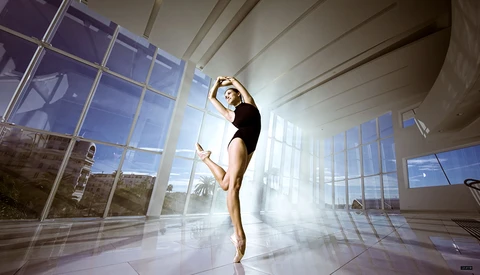
Most photographers know the rule of thirds and have heard that centered compositions are something to be avoided. However, this insightful video embraces centered compositions and makes a strong case for why they're sometimes a great idea.
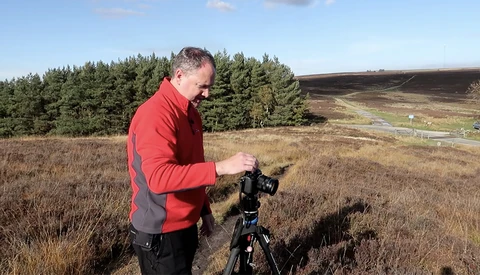
Landscape photography, like any other genre, is full of its own myths and misconceptions about how it's done and what a photographer needs to be successful. Here are some of the most common delusions about landscape photography.
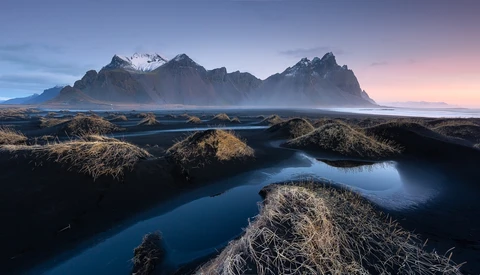
Probably the first advice you received as a new landscape photographer was to purchase a polarizing filter. But once you’ve mastered the polarizing filter on a few landscape photography trips, my recommendation is: take the polarizing filter off.
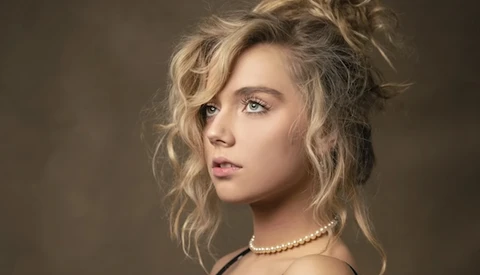
One of the most useful pieces of lighting gear a studio photographer can have doesn't actually have a light in it. Check out how v-flats can help you shape your light in this great video.

Capture One Pro is a behemoth of a raw converter. Its ability not only to bring out amazing detail in raw files but also to efficiently organize photos before, during, and after a shoot is truly impressive. If you haven't used Capture One before, or if you're just getting started, here are some suggestions for how to get the most out of the software's approach to organization.

For most photographers, social media is the area where fans and potential clients will see our work most often. Here is how to make sure your photos look great on Instagram.
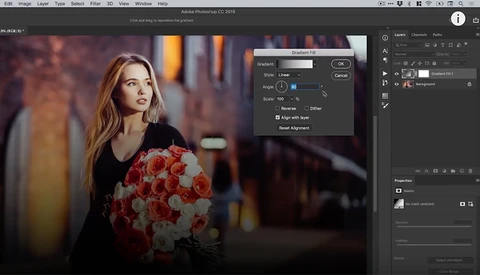
Photoshop’s adjustment layers are some of the most powerful tools available for post-processing photographs. With the ever-increasing number of sliders available in Lightroom and Camera Raw, the adjustment layers in Photoshop seem to get less visibility, which is a mistake.
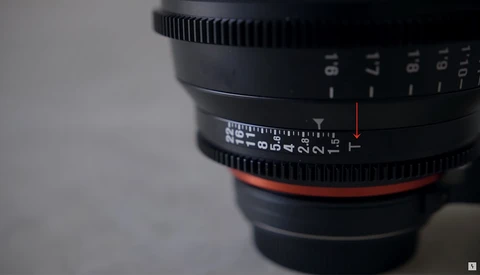
If you spend your whole life shooting photo and never trying video, you might never even hear of a T-stop. However, they can tell you some very helpful information about your lenses.

Managing your color is one of the most subtle yet important aspects of creating consistently top-notch images. This helpful video will show you how to keep your colors consistent from the shoot to the edit.

I bet that you think that you are pretty good at composing your photos. You’ve been shooting for years, won some awards, nice client list. You got that part figured out. Guess what? Not only are you not “all that” but you really need to work on it. How am I so sure? Check this out.

It doesn't matter how long you have been a photographer, I guarantee that some of your images will suck. Question is, do you really know why they do?
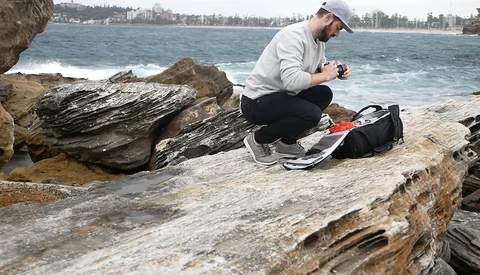
Everyone has some bad habits. This is one you'll definitely want to avoid as a photographer.
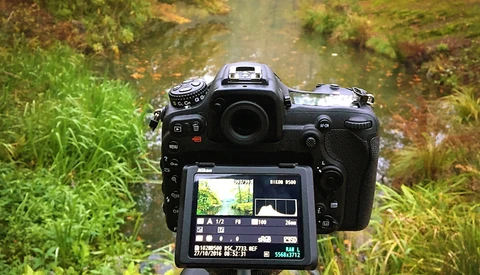
We all know how a histogram has to be read, or at least we should know. It is a handy tool to check if the exposure of the image is correct, or as correct as possible. If the image is not exposed correctly we can read the luminance histogram on our camera LCD screen and know exactly how much the exposure needs to be corrected.
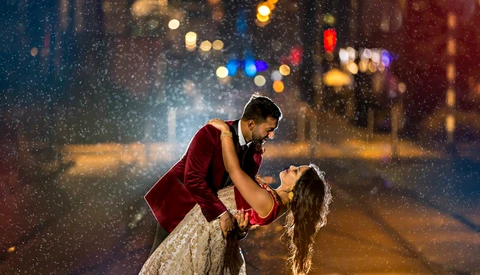
Rain during a couple’s portrait session can be hugely annoying for a wedding photographer. A dramatic rain shot can be the silver lining, but only if you’re fully prepared, especially on the lighting front.
My lighting set-up for a rain shot is simple: the key backlight and an optional fill front light. The devil, however, is in the detail.
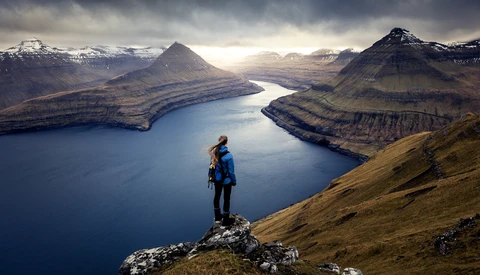
I once was told the worst reason for liking a piece of art was for its beauty. I disagree.
Creating or at least seeking out things we perceive as being beautiful is so ingrained in our genes that it makes us depressed having to do without it. It is such a basic need of the human condition that we cannot live without it.

The elusive v-flat. Once you know what a v-flat is, the next question is always: “where do I get them?” For years, photographers were sent on scavenger hunts looking for 4X8’ sheets of foam, sheets so large, truck rental was required. They were anything but portable. Until now.
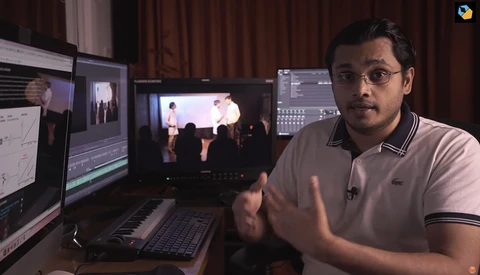
When you're shooting video, the way you control the exposure parameters is a bit different than when you're shooting photos. This helpful video will teach you one of the things to consider when choosing the correct ISO for video.
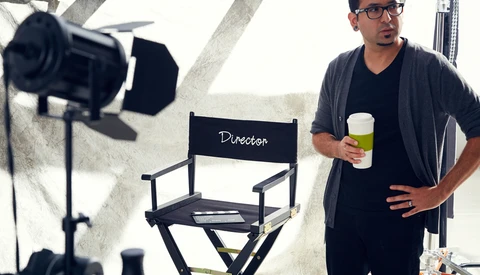
If you are thinking of taking a full-time photography position, you should read this first.
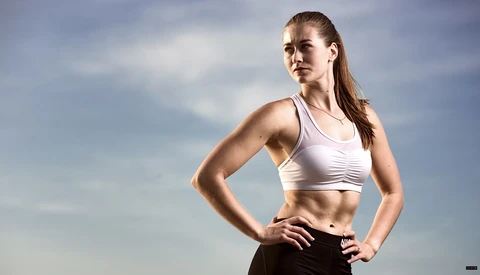
Shooting with natural light or strobes doesn't have to be a one or the other proposition: you can easily mix them in the same shot to create interesting outdoor images. This great video shows you that there are quite a few ways to do that.
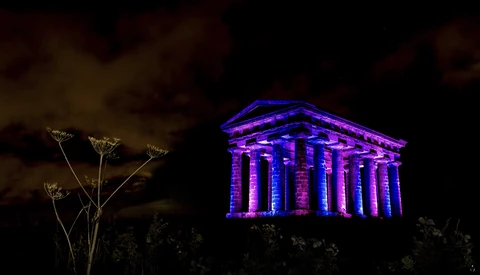
When you're shooting for a client with specific needs, it's important that you're able to deliver what they require. This great video explores how a photographer planned, then adapted to get the shot.
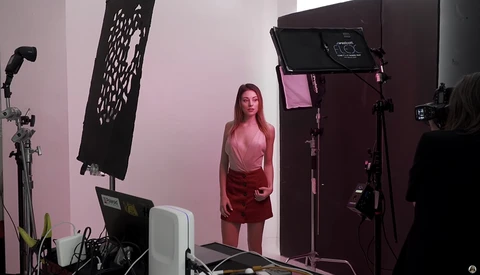
If you're looking for a bit of inspiration, try out this technique of mixing all sorts of different lights, colors, and patterns to create fun and unique photos.
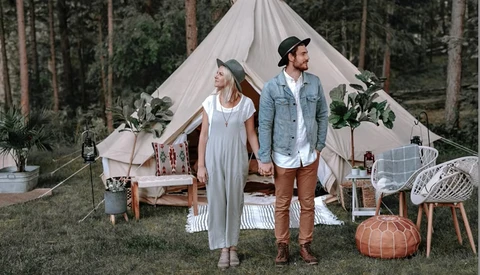
The tone curve can seem a bit intimidating at first, but once you get the hang of it, it's by far one of the most intuitive, efficient, and powerful ways to adjust your images. This great video will introduce you to both how the tone curve works and how to use it.

In many, many genres, you'll often take a shot that's great save for a rather bland sky. When that happens, you can turn to a sky replacement in Photoshop. This great video will show you everything you need to know to make it convincing.
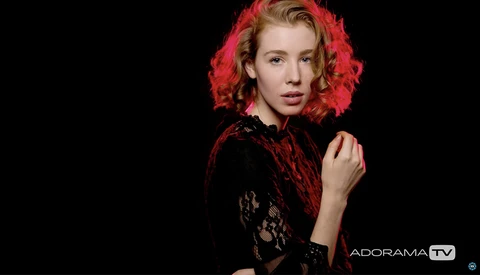
When you're new to lighting, one of the most difficult aspects can be learning to control where the light falls and where it doesn't. Grids are a great way to do this, and this helpful video will give you a quick introduction to how they work.
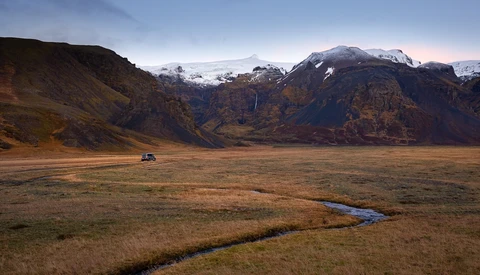
What’s the best way to explore Iceland as a landscape photographer? Many photographers swear by camper vans: you can drive up to the best location, scout it during midday, then stay overnight to shoot until sunrise.
A campervan is a tempting way to see the best of a country for many reasons:
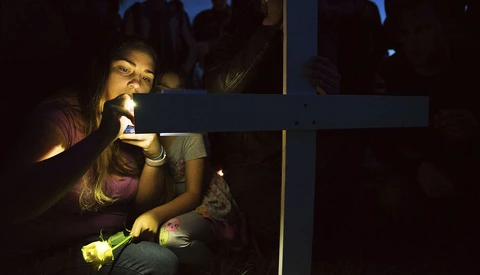
When you look at the work of William Allard, David Harvey, or especially Alex Webb, you quickly notice what makes their photos so amazing is not just the lovely compositions and stunning moments, but an often dazzling use of natural light. What do they all have in common and how can we learn from them?
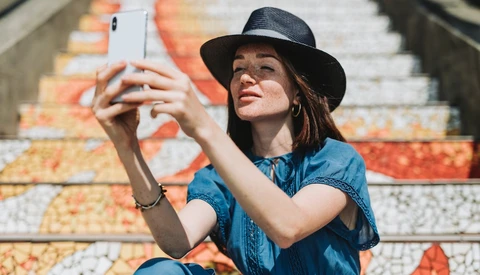
It’s ironic, really. Instagram is the world’s largest social photo platform, yet photographers are constantly subjected to their photos being posted and re-grammed without a credit or tag in sight. Here’s why.
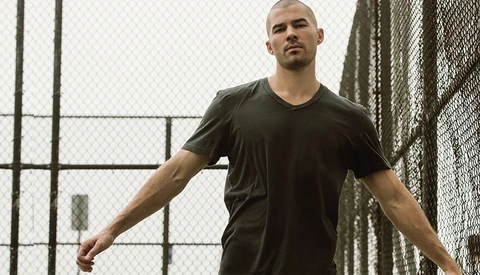
In this article, you will learn about shooting a lookbook for your retail clients. For those looking to expand on their photography, shooting for lookbooks and e-commerce can be profitable and should keep you busy.
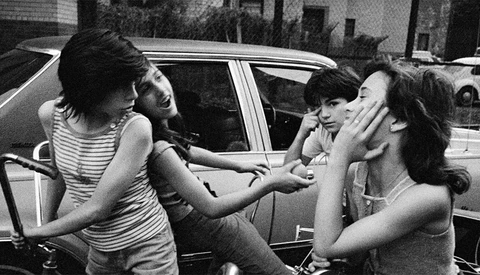
The renowned independent photo agency Magnum is getting ready to launch its first online photography course: "The Art of Street Photography."
Many readers may already be aware of the big changes that came with Adobe's latest release, Photoshop CC 2019, but in this video, Colin Smith shows us some small features that can save you serious time if you work a lot with Photoshop.
Unfortunately, photography is an expensive passion, but what do you really need to spend your money on? In this video, Marc Newton looks at four of the biggest photography rip-offs you should avoid at all costs, and he doesn't hold back.
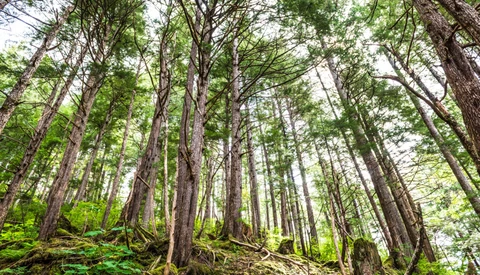
Thomas Heaton breaks down an essential woodland editing technique, known as the Orton effect. He recommends using it when shooting natural, woodland scenes. It provides just the right amount of pleasing glow and softness to take down the artificial and overly contrasty look that can sometimes crop up with photos of trees.
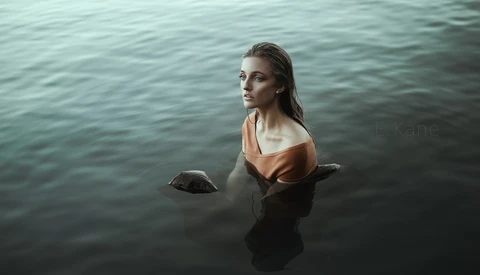
Every coin has two sides, and today, we're going to take a look at the natural light side of the lighting conversation. Here are seven different reasons why I think that natural lighting for portraits is pretty damn rad when compared with using flash.
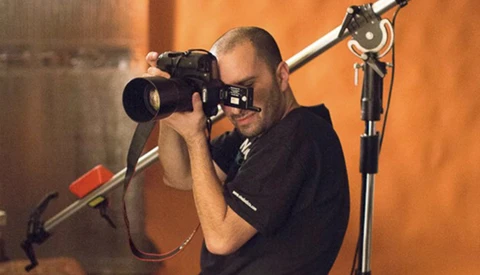
There's been a bit of uproar lately around a company that claims it can produce advertising photos that would normally cost thousands of dollars for as low as $19. This great video rails against the temptation for up and coming photographers to take those gigs.
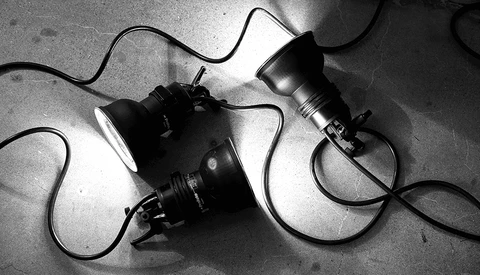
Most people do not understand lighting, frequency separation, or color grading. Here are some things to consider to make your next image even more engaging.

Photography can become ridiculously expensive with gear and props and all the other necessities. So when there is a chance to save, I save!
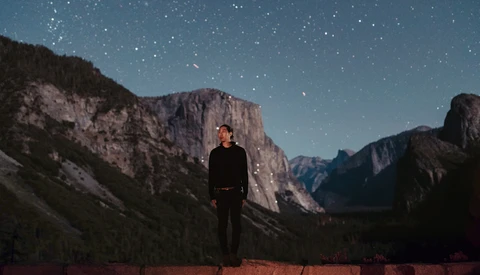
Astrophotography can be incredibly rewarding, albeit daunting if you're new to this particular way of creating with a camera. In this on-location tutorial, we are given some great pieces of advice for how to go about shooting both landscapes and portraits under a nighttime sky.