Are You Using This Lightroom Tool in Your Workflow?
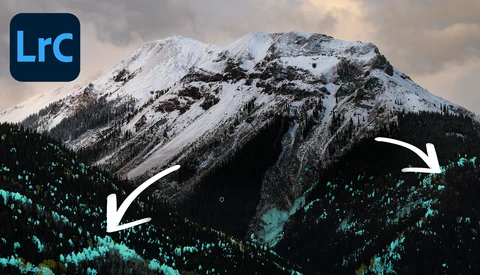
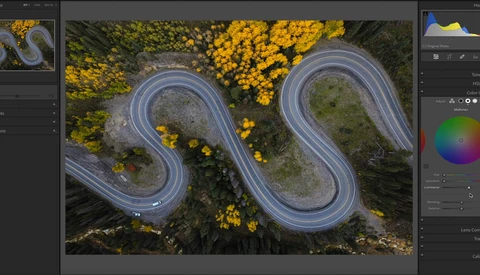
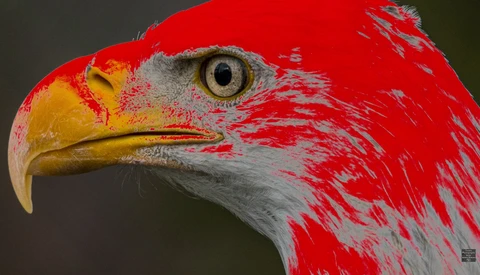
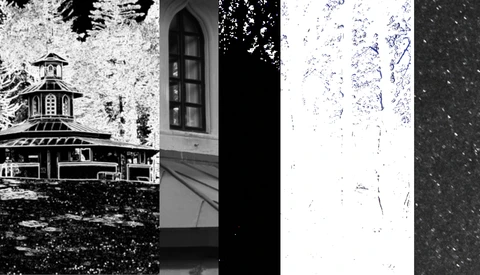
Color range masks are nothing new within Lightroom. However, they have become increasingly powerful the last couple of years, and you absolutely should be utilizing them in your work.
Lightroom has a wide variety of tools for organizing and finding your images, and one of the most useful features is Smart Collections. If you have not yet taken advantage of Smart Collections, check out this fantastic video tutorial that will show you what they are and how to take advantage of them for organizing your photos.
Many people think of Lightroom as a place for cataloging their photos and doing some light edits and Photoshop as the destination for serious post-processing, but in recent iterations, Lightroom has come a long way in its capabilities. You can now do quite a lot in the application, and this excellent video tutorial will show you 10 such techniques to take your edits furthers.

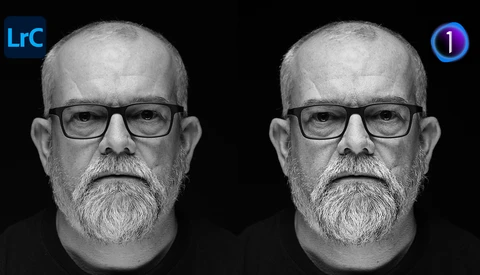
Do different raw programs develop your camera's raw files the same? Do those programs treat various camera brands equally? Testing them side by side, the answer to both those questions is a definite no. Here's how Lightroom Classic stands up.

Many photographers find themselves spending hours in Lightroom performing many of the same tasks over and over, and as such, taking the time to make your workflow as efficient as possible will pay off in the long run. This excellent video tutorial features 10 of the most useful keyboard shortcuts in Lightroom to help you complete your edits more quickly.
Do you know what the Luminance slider in Lightroom does and why it's so important that you do? Sure, you can slide it left and right and watch your image change before your eyes, but do you actually know what's happening and why this slider is so powerful?
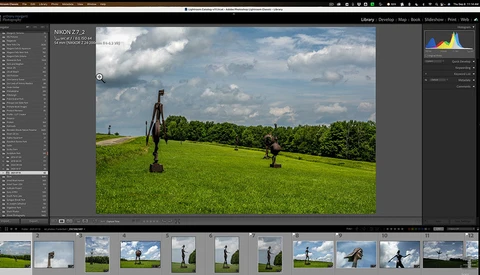
With Adobe just releasing their latest iteration of Lightroom Classic, I thought now might be the time to look at how to optimize and speed up Adobe's favorite image management and editing application.
Lightroom is full of powerful tools for all types of photography. None of them are as effective as radial filters to create dramatic results like these.
While Photoshop is where the most serious editing generally takes place, you can accomplish quite a lot in Lightroom, especially with the newer versions of the program. If you would like to improve your Lightroom skills, check out this fantastic video tutorial that will show you three different ways to make your subject pop using the program.
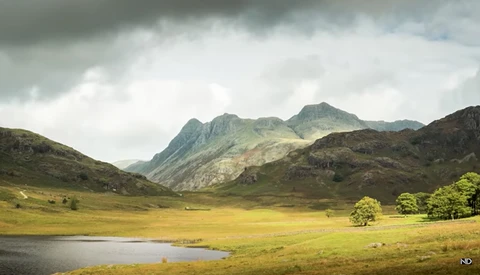
While Photoshop remains the place where the most complex and intricate edits are done, Lightroom has become far more capable in recent iterations, and you can now finish many photos without ever leaving the program. This excellent video tutorial features an experienced landscape photographer sharing how to edit photos from start to finish in Lightroom.
If you have limited resources available to create your product images is there any way you can make them pop in post-production? In this step by step tutorial we walk through the editing process used to finish this image.
In the past few updates to the program, Lightroom's masking features have expanded substantially both in precision and capabilities, and if you have not integrated the new panel into your post-processing yet, you are missing the opportunity to vastly improve your workflow. This fantastic video tutorial will show you everything you to know to take full command of Lightroom's masking tools.
As weeks, months, and years go by and your experience and skills in photography continue to expand, it's always nice to get some confirmation that you're actually improving. But, how can you get that feedback? Do this simple test, and you'll immediately see how far you've evolved.
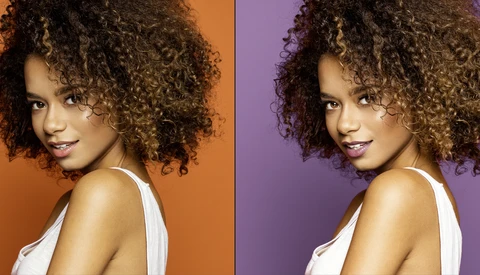
It used to be that if you wanted to edit portraits, you would head to Photoshop. However, in recent years, Lightroom has gained more advanced capabilities, and now, with its powerful new masking features, it stands as a viable alternative for at least basic to moderate portrait edits. This helpful video tutorial will show you how to take advantage of those new features to edit your portrait shots in Lightroom.
It might have once been an absurd thing to contemplate, but has the day finally come where landscape photographers do not actually need to use Photoshop?
If you are a Lightroom user I'm sure by now you have experimented with most of the newly updated features. One feature, in particular, I was very interested in is the AI-powered Person Mask Option and how it actually performed.
In recent versions of the program, Lightroom's masking features have made major steps forward, and you can now perform far more advanced and precise operations with relative ease, enabling new and more powerful edits. This helpful video tutorial will show you one such technique that leverages Lightroom's masking features to add a bit of drama to a sky.
Landscape photography generally requires an above-average amount of post-processing, and for advanced editing work, most photographers turn to Photoshop. However, that might not always be the best choice. This great video tutorial featured an experienced landscape photographer discussing five reasons why Lightroom is often the better choice for editing landscape photos.
With the latest update of both Adobe Lightroom and Photoshop, the editing curve is becoming increasingly smaller for both. Here's how to take better advantage of Lightroom.
Lightroom and Photoshop have both seen major updates recently, and one of the most interesting and powerful new features in the former application is the portrait masking tool. With the power to significantly improve the precision and efficiency of your portrait edits, it is well worth taking the time to dive into the new tool, and this excellent video tutorial will show you everything you need to know.
Landscape photography isn't just about photographing beautiful landscapes. It's about creating a connection with your viewer, and one of the best ways to do that is through mood. See how you can master mood in your landscape images in less than five minutes.
Lightroom Classic just updated to version 12, and there are some wonderful additions. Take a look here to see exactly what's new.
Most people think of Lightroom as the place for organizing their photos and performing light edits and Photoshop as the destination for more intensive work. However, in the last few years, the former has made some major strides that make it a serious editing tool. This great video tutorial will show you how to use a combination of the new masking features and the brush tool for creating more compelling landscape image edits.
Lightroom's masking features have become quite advanced and powerful in recent iterations, and if you have not checked them out yet, you are really missing out on some impressive features that can make your workflow easier and more efficient and even improve your image quality. This great video tutorial will show you some great tips and techniques to ensure you get the most out of the panel and walk away with realistic but impressive photos.
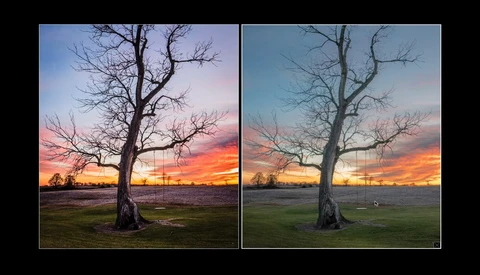
In the post-production process, it's very easy to get carried away and go a little too far with our edits. But sometimes, it's hard for us to tell if we've actually overdone things. This under-used Lightroom tool is great for exposing over-edited images.
Lightroom presets sometimes have a bad reputation, but they are a tremendously useful tool and time-saver when used properly. One of the best ways to use them is to create your own, and this fantastic video tutorial will show you how to do just that.
Topaz Labs Photo AI has been officially released, so take a look here to see what it is, how to use it, and how well it sharpens a blurry photograph.
Though we often think of Photoshop as the complex behemoth, Lightroom has plenty of little nuances and hidden features as well. One of the least discussed is the Camera Calibration tab, which sits at the bottom of the Develop module and can give your photos the kind of subtle boost that takes them to the next level. This excellent video tutorial will show you everything you need to know about what the Camera Calibration tab does and how to use it.
There are often multiple ways to go about achieving the same result when editing photos, and that is particularly true when it comes to editing the tones of an image. One of the most powerful and efficient tools for doing this in Lightroom is the tone curve. If you are new to the tool and wondering how to use it, check out this fantastic video tutorial that will give you an introduction to the tone curve and how to use it to create better edits.
Lightroom is one of the most common applications in the photo industry, used by millions of photographers for cataloging their images and performing basic to intermediate edits on them. As the foundation of many photographers' workflows, it is important to ensure that you are using Lightroom correctly. This excellent video tutorial discusses three common mistakes photographers make when using the application and how to correct or avoid them in the first place.
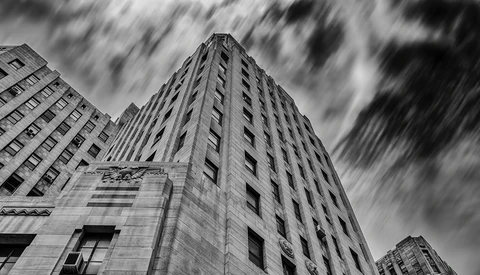
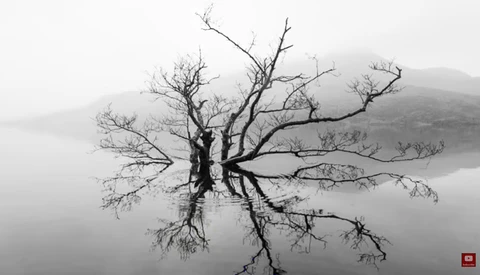
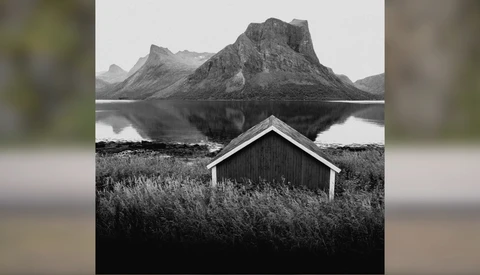
It might seem oxymoronic to talk about using color to improve your black and white photography, but understanding this process will take your imagery to new levels.
Do you want to get pin-sharp photos with amazing dynamic range every time? Then, use this very simple technique.
A true master of a craft is someone who knows the right tools for the job and how to use those tools to maximize their capabilities in any given situation. Learn the best ways to use some of Lightroom's most mystifying yet vital tools.
Digital camera technology has reached a point where even our phones can produce images that can be mistaken for a “real camera” to the untrained eye. Photographers have never had more affordable access to image-making tools that can produce crisp, high-resolution images, rivaling those of professional gear from not very long ago. So, why then have objectively inferior vintage digital cameras been making a sudden comeback?
Two of the most fundamental tasks you will perform in Lightroom are importing and exporting images. When you are working with large batches, both processes can take a significant amount of time, and as such, it is well worth taking the time to establish a consistent and efficient system. This excellent video tutorial will show you an effective system to ensure that you are not wasting any time when importing and exporting photos in Lightroom.
Lightroom is the sort of program that you can spend years using, only to discover something you had never seen before. Whether you are new to the program or a seasoned user, this great video tutorial is likely to have a useful nugget of information in it sure to improve your images and make your workflow easier and more efficient.
As someone who spends nearly every day working in Lightroom, I've discovered a few features that most people might not know about. From organization to editing techniques, there's likely something in here you didn't know you could do in Lightroom.
It’s one thing to have a dedicated graphic tablet for editing and a whole world of convenience to have a versatile editing console. Let’s check out why the Inspiroy Dial 2 can be considered more than just a tablet.
This Lightroom slider is not hidden in the sense that there is some special secret to finding it, but it is in a place where you probably would not think to look for it. This great video tutorial will show you how to take advantage of it to make your photos pop quickly and easily.
It used to be that Lightroom was for cataloging and basic edits and Photoshop was reserved for the more serious work, but in the last few iterations, the former has made some major strides. You can now do some impressively complex edits without ever leaving Lightroom. This helpful video tutorial will show you three advanced tools in Lightroom that will make your edits more efficient and help you create better images.
Lightroom has become quite an impressively capable editing program, able to tackle many advanced post-processing tasks that used to be reserved exclusively for Photoshop. As such, it can easy to overlook some of its tools. This excellent video tutorial will show you a lesser-known tool, what it does, and how to use it to create more precise edits.
Most newer photographers will begin their editing journey in Lightroom rather than Photoshop, and even as you become more advanced, you will notice that you can still do a lot or even most of your editing in the former, only needing to resort to the latter for truly complex post-processing tasks. If you are a beginner and looking to understand how the various editing functions in Lightroom work, check out this great video tutorial that will have you up and running in no time at all.
If you're still not sure exactly how to use masking in Lightroom, this will answer all your questions.
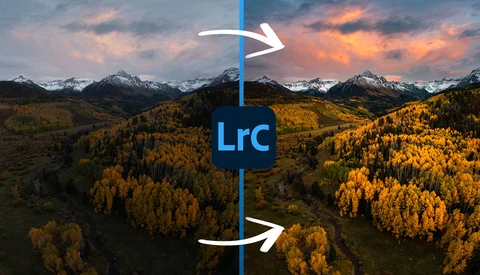
Is it just me, or is Lightroom Classic getting more powerful as a standalone editing tool with every update? Learn how to use some of its wonderful tools to create gorgeous, rich sunset tones in your images.
For most photographers color is a crucial element of their work and one that can have a huge influence on the quality of the final result. There are many ways to manipulate color in post-production, so here is a simple guide for using Adobe Lightroom for that purpose.
Knowing how to light, compose, and pose a portrait is only half of what it takes to create a finished image. The other half is retouching, and it takes a variety of techniques and a delicate touch to create a compelling result. This excellent video tutorial will show you everything you need to know to edit a portrait using both Lightroom and Photoshop.
It used to be that you generally used Lightroom for organization and light adjustments and Photoshop for heavier editing. However, in recent years, Lightroom has taken some remarkable steps forward, and you can now perform major edits without having to leave the program. This great video tutorial will show you how to use some of Lightroom's tools to add atmosphere to an image.
With every new update that's released, it seems that Lightroom is becoming ever more powerful as an editing tool. Learn how to use Lightroom to target specific elements in your image and easily change colors.
When it comes to portraits, perhaps no feature is more important than the eyes, and as such, giving them a little extra attention in the post-processing stage can help you take your images to the next level. This great video tutorial will show you how to edit eyes using only Lightroom.
Lightroom presets come with a mixed bag of acceptance. Some think they are an abomination to a learned skill and craft and should never be used, whereas others enjoy the look and feel they provide to their images. It's not just as black and white as that, and it's down to the individual whether to use them or not, but one thing to make no mistake about is the time it takes to create them.