Photography Education

Whether you just picked up your first camera or you've been shooting for years and hit a plateau, there's always more to learn. This section is where Fstoppers publishes educational content aimed at genuinely improving your photography — not just gear tips, but the foundational understanding of light, composition, and visual thinking that makes the difference between a competent photographer and a compelling one.

Why Your Photos Look Boring (And How to Fix It)

Most photographers hit a wall where their shots feel technically fine but visually flat. Knowing why that happens is the first step to fixing it, and a handful of specific, repeatable mistakes are almost always responsible.

Street Photography Tips for Casual Shooters

Street photography is one of the hardest genres to stay sharp at if you only do it occasionally. Rust sets in fast, and when you're dropped into a busy city with a camera, the gap between what you see and what you capture can feel enormous.

A Beginner's Guide on How to Choose Between a Prime Lens and a Zoom

The first question most photographers ask after buying a camera is "what lens should I get next?" The second question, usually triggered by a forum post or a YouTube video, is "should I get a prime or a zoom?" And the advice they receive is almost always the same: primes are sharper, primes force you to think, primes make you a better photographer.

Fujifilm's 2026 Lineup Explained: Which Camera Is Actually Right for You

Fujifilm's camera lineup in 2026 spans everything from compact fixed-lens cameras to 102-megapixel medium format monsters, and choosing the wrong one is an expensive mistake. Knowing where each model sits and what it's actually built for can save you a lot of second-guessing.
Adobe's New AI Credit Cost Preview in Photoshop: What You Need to Know

Photoshop's AI tools are getting more expensive to use, and until recently, you had no way to know what something would cost before you clicked generate. Adobe has quietly added credit cost transparency to Photoshop, and if you're using any of the generative AI features, you should be planning your workflow.

7 Premiere Pro Habits That Are Making Your Edits Look Amateur

Knowing every tool in Premiere Pro still won't save you if your editing habits are working against you. Seven specific habits quietly mark your work as amateur, and most editors never realize they have them until they see their own work next to someone who's actually been hired to edit professionally.

How to Build a Photography Portfolio That Gets You Hired

The gap between "good photographer" and "hired photographer" is almost never about skill. It is about presentation. Thousands of talented photographers never get paid because their portfolio does not communicate what they do, who they do it for, or why someone should trust them with a job. Meanwhile, photographers with less raw ability but a focused, well-curated portfolio book steadily because clients can look at their work and immediately understand what they are going to get.

Why Your Landscape Edits Look Flat

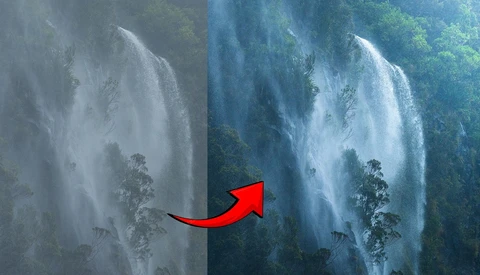
Flat-looking landscape edits are one of the most common complaints, and the fix is simpler than most tutorials make it out to be. The problem usually isn't exposure or color: it's tonal range, and specifically how it's distributed across the frame.

The Reason Landscape Photography Works as Stress Relief

Landscape photography has a reputation for being a hobby, but for many people it functions more like medicine. The question is whether that's just romanticizing time outdoors or whether there's something real behind it.

How to Organize 10,000 Photos Without Losing Your Mind

Somewhere around the 5,000-photo mark, most photographers realize they have a problem. The images are scattered across three folders on a laptop, two external drives, a phone, a cloud account, and a memory card they forgot to import. There is no naming convention. There are duplicates everywhere. The folder called "Misc" has 800 files in it. And the idea of finding a specific shot from two years ago feels roughly as achievable as finding a specific grain of sand on a beach.

You're Walking Past These Subjects Every Single Day

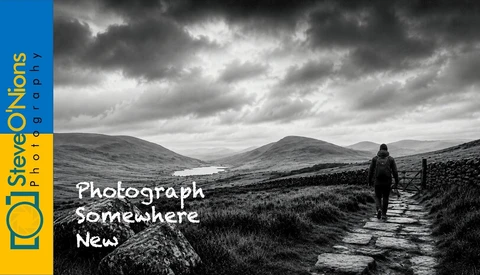
The difference between a forgettable walk and a productive shoot often comes down to how closely you're paying attention, not how far you've traveled.Simon  Booth makes exactly that case in this video, shot entirely along roadsides and footpaths in the Cairngorms National Park, and the results are hard to argue with.

Film Photos Looking Flat? Three Fixes That Actually Work

Film photography has a way of humbling you fast. You shoot a roll, wait days to see the results, and get back something flat, muddy, or just... off. This helpful video lays out three specific reasons this keeps happening and what to fix, and none of them require spending more money on gear.

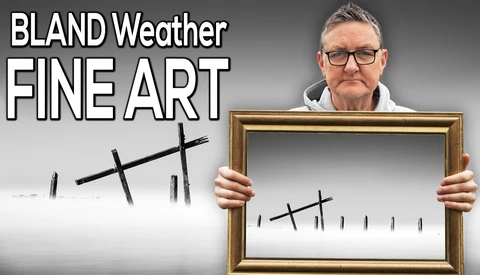
How to Shoot Minimalist Long Exposures When the Light Refuses to Cooperate

Shooting minimalist photography with long exposures is harder than it looks, especially when the tide is actively trying to trap you. Gary Gough takes that challenge head-on at Happisburgh Beach in Norfolk, working a low tide window to pull compositions out of groynes, sunken structures, and a half-buried tide bell before the sea forces a retreat.

The Best Beginner Cameras in 2026: What Actually Matters and What Does Not

Buying your first serious camera in 2026 means walking into one of the noisiest markets in recent memory. Compact cameras are surging. Retro-styled bodies are outselling flagships. YouTube reviewers are pushing full frame. Reddit says Fujifilm. The camera store wants to sell you whatever kit is sitting on the shelf. And every recommendation answers the same question: "What camera should I buy?"

Can You Still Get Good Wildlife Shots in Harsh Midday Light?

Shooting wildlife in a national park means making fast decisions about exposure, composition, and focus while the subject moves, light changes, and opportunities close in seconds. Malawi's Liwonde National Park, with its mix of woodland and open terrain, puts every one of those decisions under pressure.

The Habit That's Making You Miss Shots While Traveling

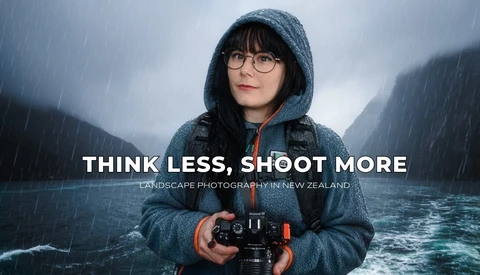
Traveling forces hard decisions about what to photograph and when, and that pressure reveals habits you might not notice at home. Courtney Victoria's experiment in New Zealand puts one of the most common creative blocks in landscape photography under a microscope: the tendency to hesitate until the moment is gone.

What 'Stops of Light' Means (And Why Photographers Won't Shut Up About It)

If you have spent any time reading about photography, you have encountered the word "stop" used in a way that makes no apparent sense. A lens is "two stops faster." A photo is "one stop underexposed." Image stabilization gives you "five stops of compensation." Somebody on a forum says they "opened up a stop and a half" and everyone nods like that means something.

How to Stop Losing Bookings: 5 Business Fixes That Actually Work

Booking weddings consistently is one of the hardest parts of running a photography business, and most of the problems aren't about your camera or your shooting skills. They're about how you're running your operation, and the fixes are more straightforward than you might expect.

Is Your Photography Too Perfect to Be Interesting?

Shooting the same iconic locations as everyone else is a trap most fall into without realizing it. This video makes a compelling case that the most memorable images aren't the ones that show everything perfectly; they're the ones that leave questions unanswered.

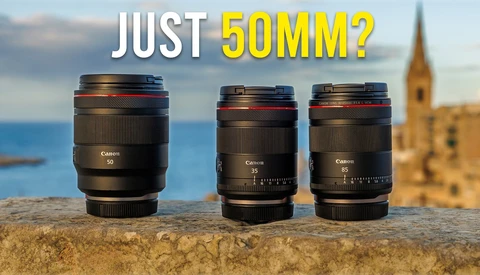
Is a 50mm Prime Really All You Need for Portraits?

Choosing between a 35mm and 85mm prime for portraits is one of the most common debates in portrait shooting, and most people assume you need both. This video makes a strong case that a single 50mm prime not only covers the middle ground but can actually outperform the two-lens setup in more situations than you'd expect.

10 Things Landscape Photographers Should Learn That Have Nothing to Do With Cameras

Improving as a landscape photographer has less to do with mastering technical settings and more to do with building the life skills that get you out the door, keep you in the field longer, and make your images mean something when you share them. These aren't camera skills. They're human skills that happen to make your photography better as a side effect.

Sometimes, You Have to Plan in Order to Be Creative

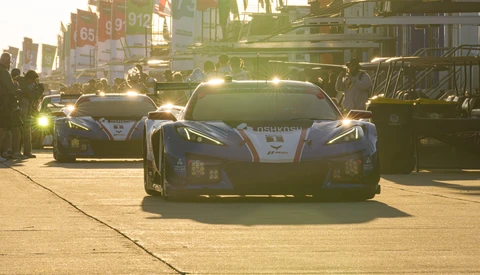
Technical proficiency and a good eye are extremely important aspects of success for a motorsports photographer, but so is something many photographers do not want to do—planning. The cover photo would lack interest without the sun rising behind the cars.

The Shutter Speed Rule Most Beginners Don't Know About

There is a simple rule that will immediately reduce the number of blurry handheld photos you take, and most beginners have never heard of it. It is called the reciprocal rule, and it gives you a minimum shutter speed based on the focal length of your lens. The math takes about two seconds. The payoff is permanent.

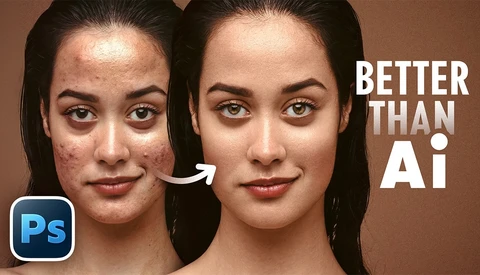
Manual vs. AI Retouching: What Happens When You Zoom In

Portrait retouching is one of those skills where the gap between fast and good is enormous. Generative AI can fill in a blemish in seconds, but the moment you zoom in, the skin texture looks synthetic, the pores disappear, and the person starts to look like someone else entirely.

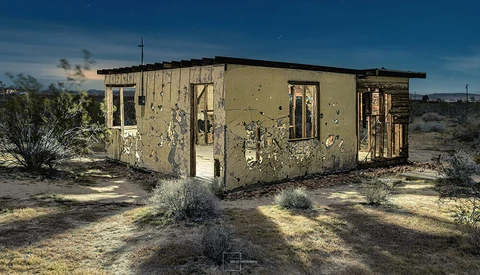
Behind the Scenes: Secrets of Light Painting a Desert Cabin at Night

I set out to photograph and light paint a mysterious, dilapidated homestead cabin in the Mojave Desert under moonlight. With nothing more than a flashlight and a single long exposure, I turned it into a glowing, cinematic scene. Here's exactly how I did it, and how you can too.

The Difference Between Image Stabilization and a Fast Shutter Speed

Your camera has image stabilization. Your lens might, too. You also have a shutter speed dial that goes up to 1/8,000 of a second. Both of these tools fight blur, but they fight different kinds of blur, and mixing them up is one of the most common mistakes beginners make.

The Rules for Shooting Expired Film

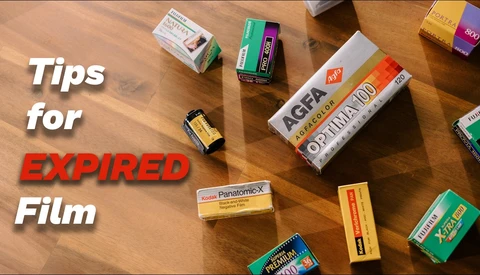
Expired film is one of the more unpredictable variables in film photography, and knowing how to handle it can mean the difference between a roll worth keeping and one that goes straight in the bin. The rules aren't complicated, but they're easy to get wrong, especially when you're buying film with an unknown history.

7 Creative Principles From Brian Eno That Photographers Need

Choosing a single focal length and following rigid systems might feel like the opposite of creativity, but Brian Eno built a career proving otherwise. His framework for making music turns out to map almost perfectly onto how the best street photography work gets made.

Why the 24-70mm f/2.8 Should No Longer Be the Default First Zoom Purchase

The 24-70mm f/2.8 has been the default first professional lens purchase for at least 25 years. Almost every working photographer has owned one. Every photography forum recommends one to every newcomer asking what to buy after the kit lens. Every wedding educator names it as the foundation of a working kit. Every camera store stocks it at eye level. The lens has been so culturally dominant within working photography that the question of whether it should still be the default has rarely been asked seriously. It should be asked now. 

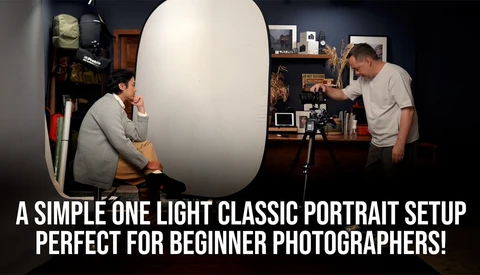
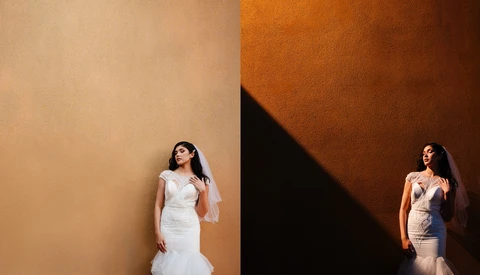
The Lighting Secret: How to Create Epic Light Anywhere

The biggest hurdle many photographers face when jumping into off-camera flash isn't the gear or the settings; it's the "where." We often find ourselves in a beautiful location with boring light, and we struggle to know how to fix the issue. If you've ever looked at a scene and felt stuck because the lighting didn't match your vision, the solution isn't more gear. The solution is learning how to "see" light patterns and then recreating them from scratch.

Why Your ISO Obsession Is Hurting Your Photos

Choosing the right ISO setting is one of those decisions that quietly shapes every photo you take in low or mixed light. Get the thinking wrong, and you either miss the shot or spend years avoiding conditions that could actually produce your best work.

Why "Boring" Locations Might Be Better for Your Photography

Choosing a camera system and committing to a focal length are decisions most serious shooters obsess over, but this approach to both is refreshingly straightforward. After 18 years of shooting, burning out, stepping away, and coming back, this perspective on gear, creative ruts, and where to find compelling images cuts through a lot of the noise.

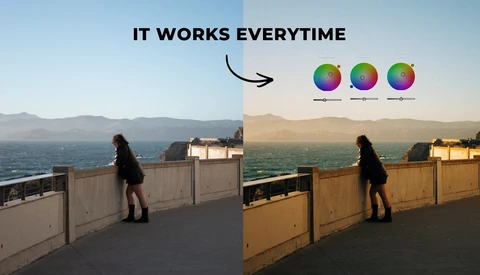
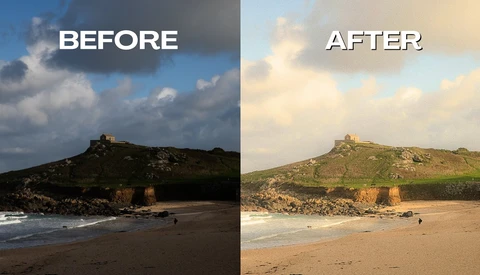
How to Make Digital Photos Look Like Film in Lightroom

Film photography costs money at every step, and if you shoot both film and digital, keeping a consistent look across both can be a real headache. Knowing how to replicate that film aesthetic in post gives you control over the final result without being locked into a single workflow.

Why Every Photographer Needs to Delete 90% of Their Portfolio

Most working photographers have a portfolio problem. The problem is not that the work is bad. The work is usually fine. The problem is that there is too much of it. Portfolios that should have 12 to 18 images contain 40 or 50 or 80. Websites that should load three galleries fast contain eight galleries that load slowly. Instagram grids intended to function as portfolios contain two years of inconsistent work that blurs the photographer's identity rather than sharpening it. The photographer has spent years building the portfolio and cannot bring themselves to remove anything from it.

Less is More: The Power of Simplicity in Landscape Photography

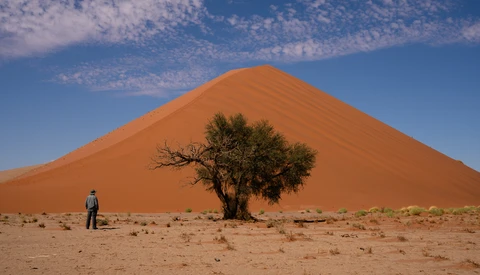
Discover the art of minimalism in landscape photography and learn how the deliberate removal of distractions can elevate your images. Join me as I share insights from my recent trip to Namibia, highlighting the beauty and purpose behind each frame.