





Profile picture for Alex Cooke
Editor-in-Chief

Alex Cooke

Cleveland, OH
18 3 Star badge
1 10+ Portfolio Images badge
1 Editor's Pick badge
1 Top Contributor badge

Articles from Alex Cooke

How to Remove Distractions With the Clone Stamp in Photoshop

The clone stamp tool in Photoshop can quietly save hours of cleanup work on problem areas in your images while keeping results under your control. It also lets photographers avoid AI artifacts and credit limits when all you really want is a clean wall, a fixed texture, or a distraction removed.
6 Pieces of Gear I Regret Buying (and What I Should Have Bought)

Every photographer's closet has a graveyard of regrettable purchases. Mine is particularly shameful, filled with barely used gear that seemed essential at the time but now serves primarily as expensive reminders of my poor judgment. Here are six purchases that still make me wince, along with what I should have bought instead.

The Leica Community Is More Welcoming Than You Think

Leica has a reputation that either makes you curious or pushes you away before you even touch a camera. When you hear that the brand is only for rich hobbyists and status seekers, it can be easy to assume the community around it is shallow or closed off.

How To Make Your Photos Look Dreamy

Sometimes, you nail focus and exposure and still feel like the image falls flat. Dreamy, cinematic atmosphere is what makes your work stand out in a feed full of technically fine but forgettable photos.

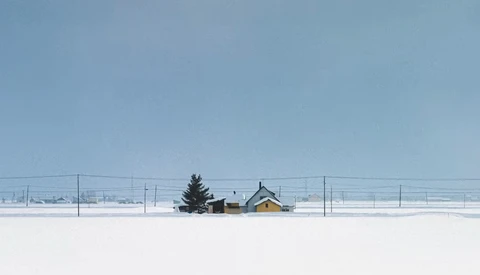
9 Winter Shooting Mistakes That Ruin Snowy Images

Winter snow looks beautiful in images, but it also exposes every weakness in how you shoot and handle gear. If you want crisp, clean files instead of muddy gray snow and soft focus, you need to change how you expose, compose, and even dress once the temperature drops.

Push Your Macro Limits With Sony’s New 100mm and Teleconverters

The limits of a macro lens show up fast when you try to fill the frame with something smaller than a grain of rice or when your background turns into busy mess instead of smooth color. Sony’s new 100mm macro aims to push past that by giving you more magnification and cleaner blur so tiny subjects feel bigger and more isolated in a natural way.

Master Auto ISO and Stop Missing Shots

Auto ISO sits quietly in your camera, but it can decide whether a fast moving scene comes out clean or a blurry mess. If you deal with city rush hour, changing light indoors, or fast events, understanding how it actually behaves gives you control you cannot get by spinning dials on every frame.

A Free Affinity Workflow That Can Actually Replace Adobe

Affinity is now completely free, and the video shows how to use it to build full edits without paying Adobe. If you wonder whether you can cut Lightroom Classic and Photoshop from your workflow, seeing this process in action gives you a clear sense of what you gain and what you give up.

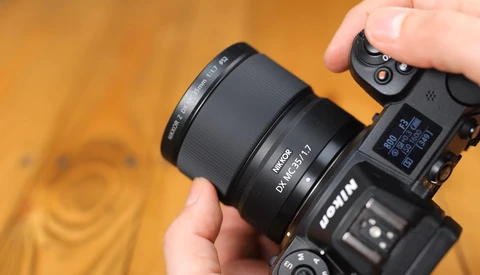
Nikon’s 35mm DX Macro That Punches Above Its Size

The Nikon NIKKOR Z DX MC 35mm f/1.7 lens hits that sweet spot between casual shooting and serious close-up work, so you are not constantly swapping lenses just to cover everyday scenes and detail shots. Here's a look at what you can expect. 

How 16-Bit Color Transforms Your Photos

Edits rise or fall on how much color data remains when shadows are lifted or highlights are controlled, and 16-bit files preserve far more of that information. The difference shows up in smoother gradients, cleaner transitions, and a wider range of tones that stay stable under heavy adjustments.

Is This 17mm Tilt Shift Enough for Serious Architecture Work?

Tilt shift on an ultra wide 17mm lens can either make your buildings look natural and solid or turn them into distorted shapes that feel wrong. When you shoot architecture, interiors, or tight city streets, understanding exactly how that movement works at this focal length decides whether your images look intentional or like corrections gone too far.

Can a $279 85mm Prime Really Compete on Nikon Z and Sony E?

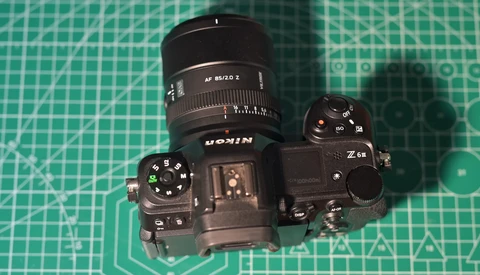
Fast 85mm primes are where a lot of the magic happens on modern mirrorless bodies. If you shoot people, street, or compressed landscapes on Nikon Z or Sony E, a small, affordable 85mm can change how often you leave the zooms at home.

Is the Nikon Z50 II Enough as Your Main Camera?

Small APS-C bodies can look like side projects compared to the flagship full frame cameras, yet they often end up being the workhorses that leave the house most. If you care about staying nimble as a photographer, hearing how the Nikon Z50 II mirrorless camera has actually behaved over a year of real shooting is a faster way to judge it than reading specs in isolation.

Why Your Photography Website Doesn't Book Clients

You have a beautiful website. You've spent countless hours perfecting it, choosing just the right template, uploading your best work, and crafting what you think is compelling copy. You're getting traffic. People are visiting. But your inbox? It's either a ghost town or it's full of tire kickers asking "how much?" before disappearing forever. Meanwhile, you watch other photographers in your area, photographers whose work isn't necessarily better than yours, booking client after client. What are they doing that you're not?

A Remarkably Affordable 85mm Portrait Lens

An 85mm prime is still the classic way to get flattering portraits on a full frame body, and the latest option from Viltrox tries to give you that look without the usual bulk or price. If you want a compact lens that still feels serious in the hand, this release deserves your attention.

How To Plan a Confident Client Photo Shoot From First Idea to Final Schedule

Turning a paid shoot from guesswork into a clear, repeatable process is what actually makes you look professional to clients. If you want to stop winging every session and start leading shoots with calm confidence, this video walks through a planning workflow that keeps every step under control.

Beyond Social Media: The Three-Pillar Strategy for Building a Sustainable Local Photography Business

If you're tired of the endless hamster wheel of Instagram reels, TikTok trends, and algorithm changes that seem designed to make you fail, you're not alone. Social media has become an exhausting game that burns through time without delivering consistent bookings. The truth is, while social platforms can be useful tools, they should never be the foundation of your business. The most successful photographers I know have built their client base on three timeless pillars that actually work: local SEO, vendor relationships, and strategic community presence.

The Real Difference Between Canon’s R5 and R6 Lineup for Action and Wildlife

Choosing between Canon’s newer R bodies is not a spec-sheet game. It changes how you shoot wildlife, action, and low light work day to day. The way the EOS R5, R5 Mark II, R6 Mark II, and R6 Mark III handle speed, autofocus, and files can either lift your keeper rate or quietly hold you back when things move fast.

Hard Truths Landscape Shooters Learn Too Late

Landscape photography punishes lazy habits and vague plans. If you want images that stand out among other photographers instead of blending into the scroll, you have to confront some blunt lessons about light, gear, and how much effort you are actually putting in.

Why This Smaller Fuji Camera Can Compete With Its Bigger Sibling

Choosing between the Fujifilm X-E5 and the Fujifilm X-T5 decides what your everyday shooting actually feels like, from travel snapshots to paid assignments. Both sit in a similar price range and share the same 40.2-megapixel sensor, so the real difference comes from how each body handles in your hands.

Is the Sony a7R V Too Much Camera or Just Right?

If you are trying to decide whether a 61-megapixel body can carry both your stills and video work, the Sony a7R V mirrorless camera is probably already on your short list. A long-term look at how it survives drops, bad weather, and heavy mixed use is what actually helps working photographers separate hype from a real upgrade, and you'll find it here.

10 Tips for Tack-Sharp Handheld Photos in Low Light

Every photographer has been there. You're at a dimly lit wedding reception, a moody concert venue, or walking the streets at night, and your camera is begging for a tripod. But tripods aren't always practical, welcome, or even permitted in these environments. The good news is that you don't need one. With the right combination of technique, body mechanics, and smart camera settings, you can consistently capture sharp, usable images in challenging low-light situations without any support gear.

A 60-Day Plan to Grow Your Photo Business

Slow season tempts you to coast, but it is also when the biggest jumps in your photo business are possible. Treat the next 60 days as a focused sprint instead of downtime and you can enter the new year with momentum and real bookings already in motion.

Micro Four Thirds vs Full Frame: How Far Can You Push 20 Megapixels?

Micro four thirds always seems to spark an argument about “good enough” image quality, especially if you are used to a big full frame body and heavy glass. When a camera like the OM SYSTEM OM-3 promises serious performance in a small body, the real question is: how far you can push it before you start to miss those larger sensors?

Viltrox AF 85mm f/2 EVO: Crazy Sharp Portraits on a Budget

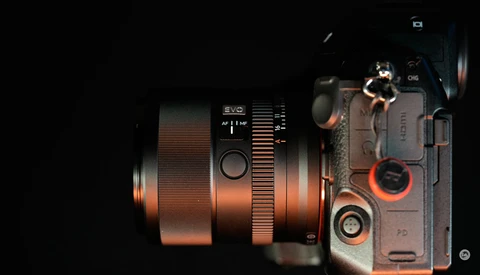
Fast, sharp portrait primes at lower prices can change how you shoot, especially if you are trying to build a capable kit without paying flagship money. A lens that claims flagship sharpness at a budget number is worth a closer look.

Is the GFX100RF the Ultimate One-Lens Camera?

A 102-megapixel medium format sensor with a fixed 35mm lens is not a common combo, and it changes how you work from the first frame. If you care about resolution, cropping flexibility, and traveling lighter without giving up detail, this camera lands in a very specific sweet spot.

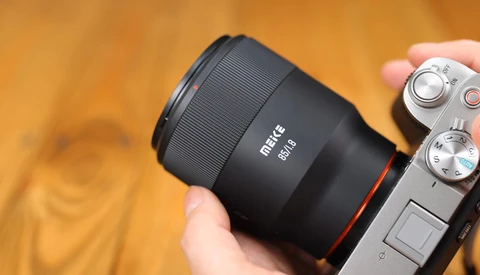
A Budget 85mm Prime Lens That Looks Shockingly Good

An 85mm f/1.8 lens is one of the simplest ways to upgrade portraits, giving tighter framing and strong subject separation without a huge, heavy setup. When that lens also costs about as much as a budget kit zoom, it becomes a very real alternative to saving up for a big-brand prime.

The Pro Photographer's Location Scouting Checklist: Stop Winging It and Start Planning Like You Mean It

There's a moment that separates the professionals from the amateurs in location photography, and it happens long before you ever press the shutter. It's the moment when you realize that the stunning golden hour shoot you envisioned has turned into a nightmare because the sun is directly in your client's eyes, the "perfect" spot is actually locked behind a gate that closes at 4 PM, and your backup plan is to pray for clouds. We've all been there, and we've all learned the hard way that great location photography isn't about happy accidents. It's about meticulous planning, strategic scouting, and having a foolproof system that accounts for everything from parking logistics to power lines.

A Look at the Leica SL3 and the Lenses Worth Pairing With It

The Leica SL line draws you in when you care about strong files, steady handling, and a system that stays dependable in rough conditions. You know how much that matters when you push a camera through long days outside or fast-paced work where you can’t baby your gear.

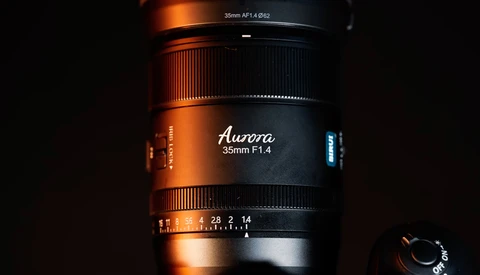
Why This 35mm f/1.4 Is All About Character, Not Perfection

Fast 35mm primes are where a lot of everyday shooting, street work, portraits, and video all collide. When that lens also aims for strong character instead of a sterile, clinical look, it becomes a real decision point if you want your images to feel a bit more distinctive.

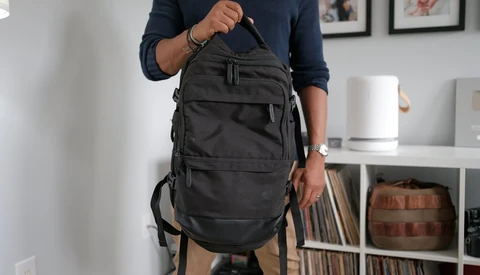
A Practical Guide to Packing Cameras, Clothes, and Backups for Travel

Packing for out-of-state weddings is where travel logistics and paying clients collide, and sloppy planning can cost real money. When your cameras, clothes, and backup gear all have to survive flights, hotels, and wedding timelines, a solid packing system lets you focus on shooting instead of babysitting bags.