
Hands On With the Light Lens Lab 35mm Double Ashperical Lens
Every Leica shooter has a dream lens they would love to buy. Price is usually the obstacle, but sometimes that lens is not only expensive but rare as well. Perhaps no other Leica lens is more sought after than the Summilux-M 35mm f/1.4 with the word “Aspherical” written in full on the rim.
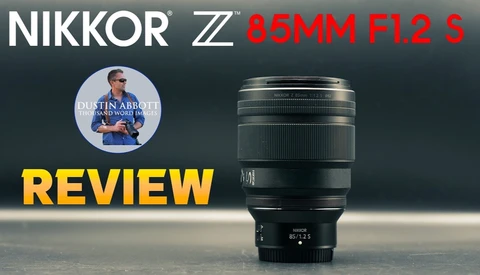
How Nikon's Flagship 85mm f/1.2 Holds Up Against New Rivals
Nikon's NIKKOR Z 85mm f/1.2 S sells for close to $3,000 and weighs more than many of the bodies you'd mount it on. For about three years, it has been the obvious pick on Z mount if you want the thinnest depth of field and the cleanest portrait rendering, and now cheaper third-party 85mm f/1.2 lenses are showing up to test how long that lasts.
Latest Gear Reviews


Active Contests
6
125
We want to see the images that still give you chills
Welcome to the October installment of the Critique the Community! This month's critique theme is going to be "Scary," and we want to see your best photographs that scared you in some way.
How to Make Someone Comfortable in Front of Your Camera
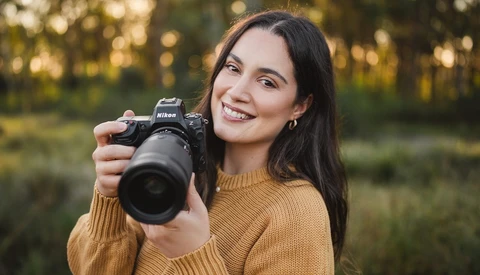
Stiff portraits usually come from a subject who feels watched and unsure, and no lens or lighting setup hides that tension once it settles into someone's shoulders and face. If you photograph people who aren't professional models, how relaxed they feel shapes nearly every frame you take.
Fstoppers Exclusives






Does Lightroom's Open Eyes Feature Actually Look Natural?
Lightroom can now open closed eyes in a photo, a job that used to mean digging through a burst for a donor frame and blending it in by hand in Photoshop. If you shoot portraits, events, or group photos, a blink is one of the most common reasons a frame with good expression and good light lands in the reject pile.
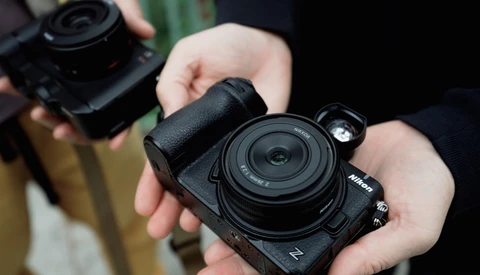
Is the Nikon Z5IIC a Better Deal Than the Sony a7CR?
The Nikon Z5IIC puts a full frame sensor, in-body stabilization, and raw video into a $1,400 body by dropping the viewfinder, and people argued about that choice before most of them had held one. If you shoot weddings or travel, or if you're weighing a second body, the useful question is how that missing eyepiece and a pricier compact Sony rival play out over a real day of shooting.

A National Archives Archivist Enlarged a Mislabeled Glass Plate in 1952 and Found Lincoln at Gettysburg
The National Archives still lists the negative as "Crowd of citizens, soldiers, and etc. with Abraham Lincoln at Gettysburg." Everything before the president's name is the label the plate wore in federal storage for most of a century. The rest is there because Josephine Cobb enlarged a broken piece of glass about 20 times in 1952 and found him in it.
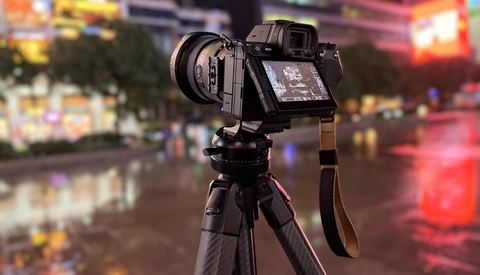
Comparing Peak Design’s Travel and Pro Tripods: Which One Is For You?
Peak Design's Travel Tripod is probably one of the most talked-about tripods on this site, and opinions have been polarized. Since the brand has expanded its tripod lineup with three new Pro models, it's clearly important that we see their differences and optimal use cases.
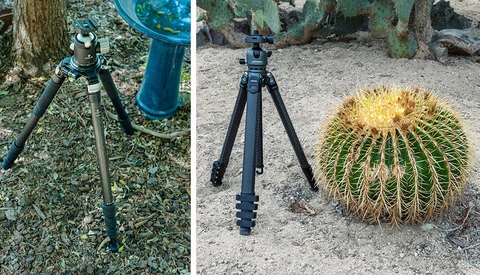
The Great Tripod Debate: Twist Locks or Lever Locks?
You've noticed that tripods come with two basic kinds of locks: twist locks and lever locks. They're quite different. Which should you purchase? I'll tell you my experiences and observations.
Twist Locks
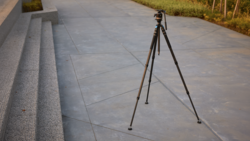
The Robus RC-5570 has high-quality twist locks.

Is the Canon RF 85mm f/1.2L Really the King of Portrait Lenses?
Ask a room full of people to name the best portrait lens, and most will point to something like the Canon RF 85mm f/1.2L USM, with its reputation for sharpness, flattering perspective on faces, and heavy background blur. If you're about to spend serious money on portrait glass, ask whether that reputation fits the rooms you work in and the apertures you actually use.

The Most Important Camera Setting You're Not Using
Any modern digital camera has thousands of settings and more features than most individual photographers will ever use.

DXO ViewPoint 6 Offers Image Correction Without Crops
DxO has been busy lately, updating its collection of apps, giving them new capabilities and gently using AI to keep the photographer in control while making editing easier.
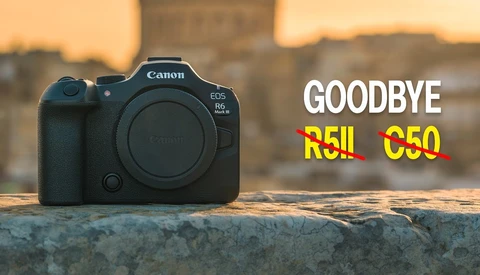
How the Canon EOS R6 Mark III Holds Up After a Year of Paid Work
The Canon EOS R6 Mark III sits in the middle of Canon's mirrorless lineup, yet its feature list now overlaps with both the higher-resolution R5 Mark II and Canon's Cinema EOS bodies. If you shoot stills and video for a living, that overlap decides how many bodies you buy, carry, and maintain.
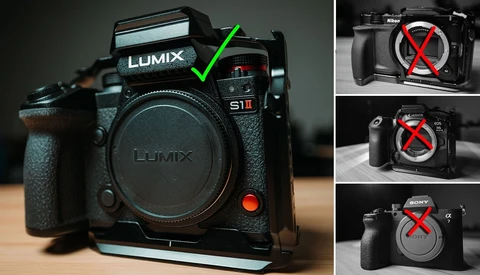
Should Your Next Filmmaking Camera Be a Lumix?
Picking a camera system for video locks you into a mount, a lens lineup, and a manufacturer's release schedule for years, and the features a brand ships early tend to shape how you work long after the purchase. Panasonic's Lumix bodies rarely dominate filmmaking gear talk, even though several capabilities now drawing attention elsewhere have lived inside them for a long time.
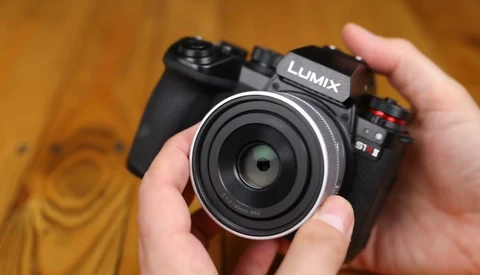
Is Panasonic's $400 Lumix S 40mm f/2 Worth It?
At $400, the Panasonic Lumix S 40mm f/2 is one of the least expensive ways to put an official autofocus prime on an L-mount body. A 40mm sits between the standard 35mm and 50mm choices, and a lens this small and cheap has a good chance of becoming the one that never leaves your camera.

Connecticut Wrote Six Rules for Photoshopped Evidence in 2004 and Kept an Innocent Man in Prison Anyway
A judge in Hartford wanted to know how the computer had made a set of plaster teeth semi-transparent so they could be laid over an autopsy photograph of a murdered woman's breast. "Judge, you got me," the state's forensic odontologist answered. "I don't know how they do it, but they do it," he said, and then, "I think we really need an engineer."
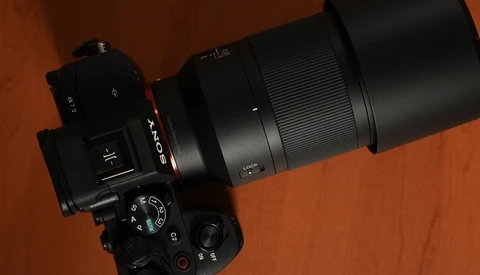
Most Photographers Probably Overlook the Importance of This Lens
There’s a special role that affordable lenses play in the grand scheme of things, especially those that don’t compromise too much on optics. This new lens, while smaller than most of its kind, is sure to open many doors.
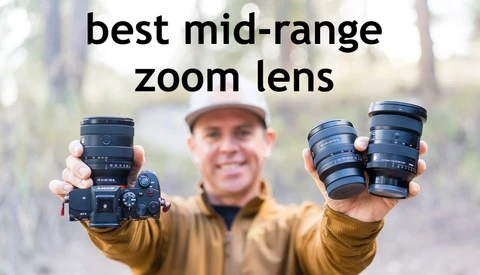
Is the Sony 20-70mm f/4 G the Do-Everything Zoom for the Mountains?
The Sony FE 24-50mm f/2.8 G and FE 20-70mm f/4 G both promise a smaller standard zoom, and each one asks you to give up something different to get there. If you carry a camera into the mountains for hours at a time, the choice between extra width, extra reach, and an extra stop of light shapes nearly every frame you bring home.

Landscape Photography Beliefs Worth Questioning, From Gear to Fame
Most people start landscape photography already believing a few things: you need a wide angle lens, a tripod goes everywhere with you, and a strong portfolio might eventually pay for itself. Those beliefs decide what you buy, where you travel, and how you judge your own progress, and several of them don't hold up once you've spent real time in the field.
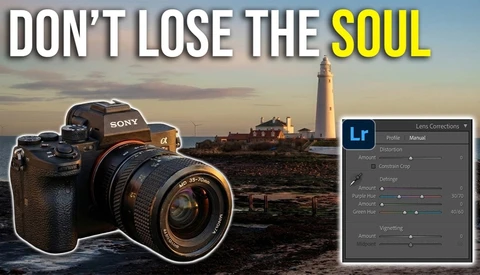
Should You Fix a Vintage Lens' Flaws in Lightroom?
Adapting a vintage lens to a mirrorless body gets you inexpensive, well-built glass with a look modern optics rarely have, and it also brings purple fringing, darkened corners, and lines that bow at the edges. Every one of those flaws can be pushed around in Lightroom, so each one becomes a decision about how much of the old lens you keep in the final file.

How to Find Compositions When a Location Overwhelms You
You arrive somewhere beautiful, raise the camera, and every frame comes back looking like a postcard someone else already took. Too much to look at can stall your composition faster than too little, and the fix often starts with seeing less of the scene through a viewfinder, a long lens, or an in-camera crop mode.
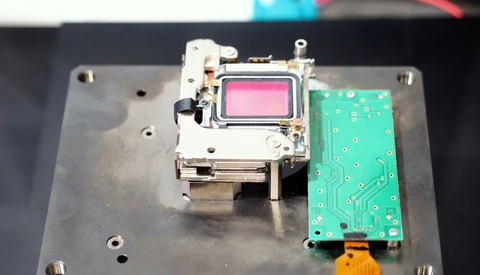
The Image Stabilization Rating on Your 2026 Camera Comes From a Shaker Table, Not a Human Hand
Canon rates the EOS R6 Mark III at up to 8.5 stops of stabilization at the center of the frame and 7.5 stops at the periphery, depending on the lens. The footnote under that number says it was measured under the CIPA 2024 standard with an RF 24-105mm F2.8 L IS USM Z at 105mm.
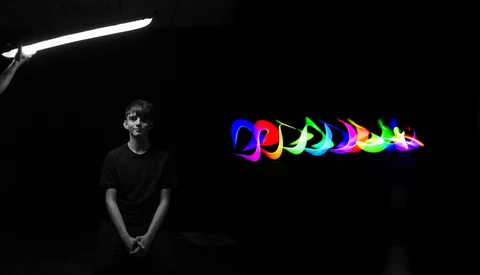
Are Inflatable LED Lights Actually Any Good?
Inflatable LED lights are one of those ideas that sound gimmicky. A soft, glowing tube you inflate like a pool toy, then use to light a portrait or paint with color in the dark. It's the kind of gadget that could easily be all novelty and no substance.

How to Edit Autumn Foliage in Lightroom Without Overcooking It
Most fall edits in Lightroom go the same way: you open a frame full of yellow leaves, push vibrance and saturation, and end up with something that looks worse than what came out of the camera. Warm hues clip and smear fast, and a heavy hand turns a glowing tree into a flat neon blob.
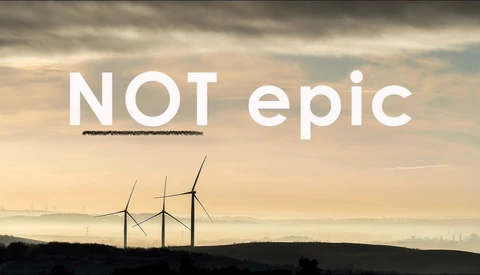
Do You Really Need a Fiery Sunset to Make a Good Landscape Photo?
Most of your time with a camera happens under ordinary skies at ordinary places, yet the landscape images that get the most attention online are blazing sunsets over famous viewpoints. That gap shapes what you think a successful outing looks like, and it can make the scenes you actually encounter feel like second best.
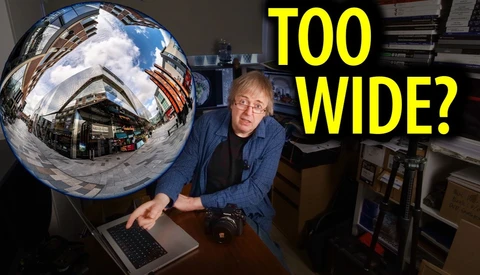
AstrHori's 8mm Fisheye Brings a Rare Look to Medium Format
Fisheye lenses for medium format have been close to nonexistent, so if you shoot a Fujifilm GFX or Hasselblad body and want that look, you've usually had to adapt glass that doesn't cover the sensor properly. AstrHori's new 8mm fisheye goes after that gap with a circular image and a field of view wider than a full hemisphere.