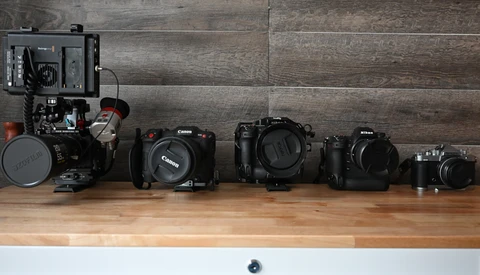
How Using a Team Approach to Camera Purchases Can Be More Effective Than One Size Fits All
Finding the perfect camera that will fit every job is the dream. But sometimes, it’s more effective to build a team than rely on the power of one.
Finding the perfect camera that will fit every job is the dream. But sometimes, it’s more effective to build a team than rely on the power of one.
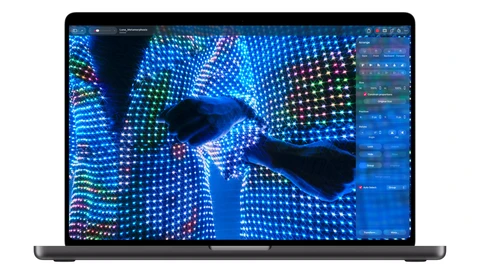
The MacBook Pro with PROLED XDR Display is the first Mac laptop with a tandem OLED panel, and after two days with the 16-inch M5 Max I keep coming back to the same thought: Apple did not just bolt a nicer screen onto last year's computer. This is a major step forward all around.

We want to see your most unique photo edits
Welcome to the November installment of the Critique the Community! This month's critique theme is going to be "Unique Edit," and we want to see your best photographs that were brought to life with a new or unique editing style or specific editing software.

You drive out to a waterfall the day after a downpour, expecting a torrent, and find the creek almost dry. A blown plan like that tests how quickly you can switch to a backup spot, and how much you can pull out of an ordinary forest scene later with focus stacking in Photoshop and some careful masking in Lightroom.
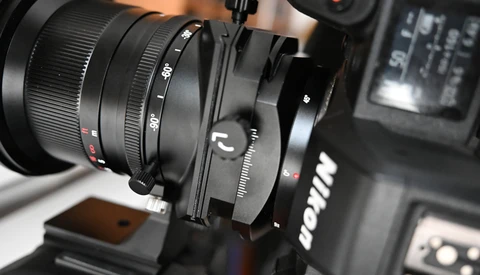
Today I’m going to examine the benefits of using a tilt-shift lens with the help of the brand-new Laowa 24mm f/2 Zero-D Tilt-Shift.
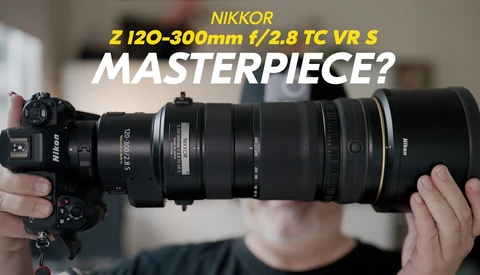
Nikon's Z 120-300mm f/2.8 TC VR S is up for preorder at $13,996, and for that money, you get a constant f/2.8 zoom with a 1.4x teleconverter built into the barrel.
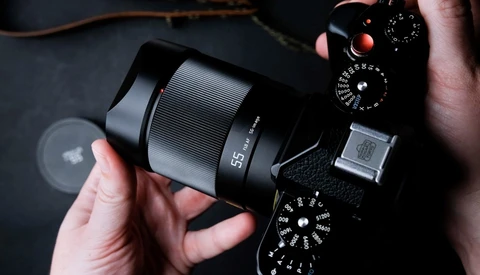
A standard prime is often the second lens people buy, and on Nikon Z, the inexpensive autofocus options have long trailed what Sony E shooters can pick from. SG-image, a brand mostly known for small pancake lenses, now offers a 55mm f/1.8 autofocus prime with a metal body and a look that suits retro-styled cameras.

Almost every Photoshop edit beyond a global adjustment starts with telling the software which pixels to touch. Get that step wrong, and every brightening pass, color shift, and composite you build on top of it shows its seams.

In the last week of December 2010, a railroad worker named Jim DeNike drove from Arkansas to Parsons, Kansas, and loaded a dozen boxes holding nearly 50,000 slides into an old maroon Pontiac. He had sent Dwayne's Photo 1,580 rolls of Kodachrome and paid $15,798 to have them developed, borrowing against his father's retirement account to cover it.
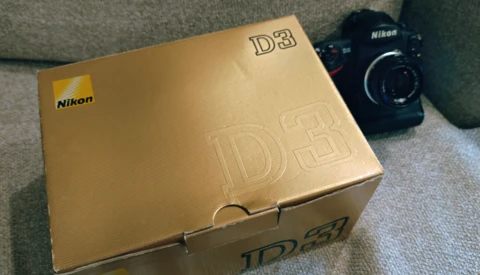
Every camera owner has their own list of things they wish their camera could do—features that seem easily achievable with a simple software update. Normally, that list dies quietly the moment a camera leaves the manufacturer's support cycle.

Rangefinders like Leica's M bodies and compacts like Fujifilm's X100 line have pulled a lot of people back toward on-camera flash, and finding a speedlight that fits those small bodies without overwhelming them has never been simple.

Doritos once got more than 30,000 Super Bowl commercials made by fans, and most of the people who made them got nothing. If a client has ever asked you for a free test edit, a sample shoot, or a quick concept before they commit, you've been offered a smaller version of the same deal.
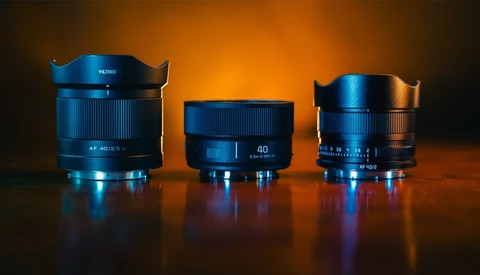
Panasonic, TTArtisan, and Viltrox all make a compact 40mm autofocus prime for full frame L-mount cameras, and one of them costs noticeably more than the other two. When three lenses share a focal length and a mount, the choice comes down to build, rendering, and how much each extra dollar changes what ends up in your files.
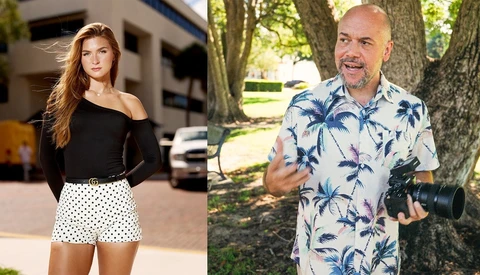
Shoot a flash portrait at f/1.2 in midday sun and you run into a wall fast: most cameras stop syncing with a flash somewhere around 1/160 to 1/250 s, and anything faster leaves dark bands across the frame. Sony's a9 III and its global shutter offer a way past that wall, which puts high-speed sync, the usual workaround, in an interesting spot.
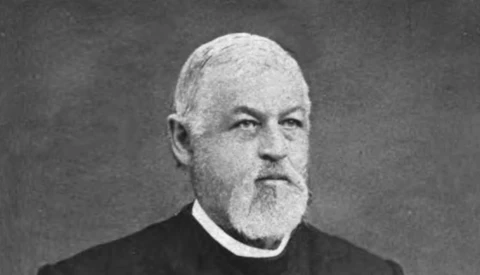
Hannibal Goodwin's application for a photographic pellicle reached the Patent Office on May 2, 1887, and stayed there for eleven years and four months while a succession of five examiners rejected it. George Eastman's chemist filed his own flexible film application on April 9, 1889, and had a granted patent eight months later.

There is a tendency in photography to believe that if we want to photograph a particular subject, we need to buy the equipment designed specifically for it. Want to photograph wildlife? You need a long telephoto lens. Want to photograph the night sky? You need a fast wide angle lens. Want to photograph mushrooms? You need a macro lens.
But do you really?
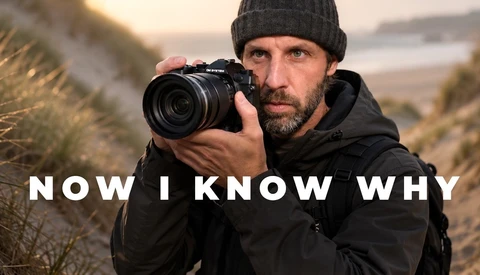
The OM System M.Zuiko Digital ED 12-100mm f/4 IS PRO covers the same range as a 24-200mm zoom on full frame, so it raises an obvious question if you hike long distances with a camera: can one lens stand in for the three you usually carry?
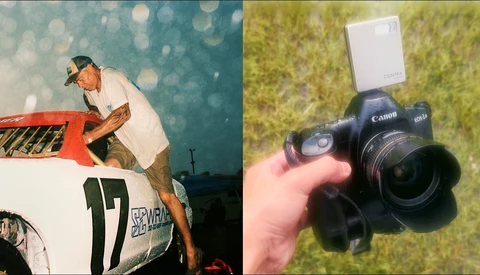
A storm that cancels an event usually sends everyone home, camera included. On a long trip, the days that fall apart often produce the frames you end up keeping, and with film you won't know which ones worked until the rolls come back.

The Panasonic Lumix S1RII pairs a 44-megapixel full frame sensor with 8K video for about $3,300, and that sensor isn't stacked, so it reads out slowly. If you shoot both stills and video, that one design choice shapes nearly everything about how the camera behaves in your hands.
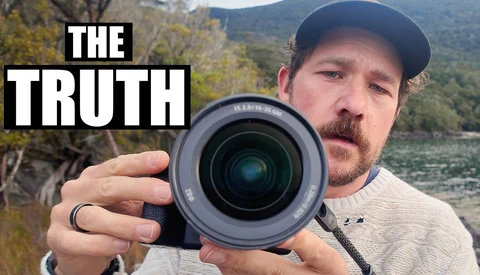
Watch enough landscape videos and you start to believe the professionals walk out at golden hour and come home with a portfolio image every time. That belief shapes how you judge your own outings, and how hard you are on yourself when the sky catches fire and your card holds nothing you want to show anyone.
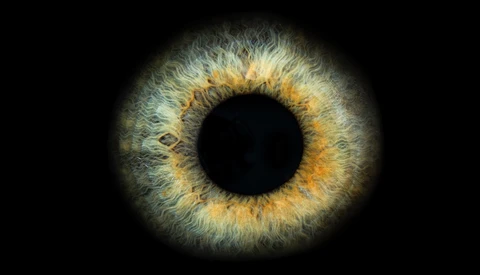
An anonymous peer reviewer worked through a manuscript, looked at one of its figures, and recognized one of the authors. The face was a reflection in another person's eye. Across the study's bystanders, those extracted faces ran 27 to 36 pixels wide and covered roughly 322 pixels apiece, and that accidental recognition became the paper's second experiment.

Luminar has released a solid fall update with some new features and some enhancements. The update is free to current owners and can, of course, be purchased by photographers who are interested.
This new update is version 1.29.0. The update should appear automatically, or you can click "Check for Updates" in the Luminar dropdown menu.
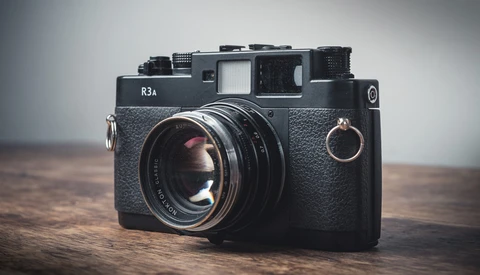
If you’re pondering a Leica rangefinder film camera but can’t bring yourself to spend a crazy amount of money, maybe give this a go.
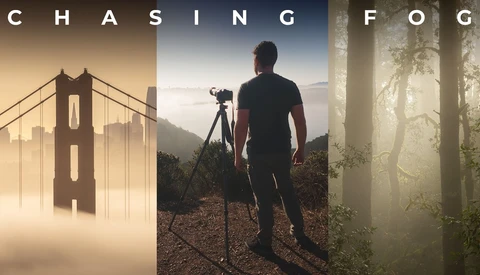
Fog in the San Francisco Bay Area can bury a scene in seconds and hand it back a minute later with trees, towers, and light arranged in ways you won't see again. Shooting it well means working quickly, reading the direction of the light, and resisting the urge to stick with the first composition that looks good.
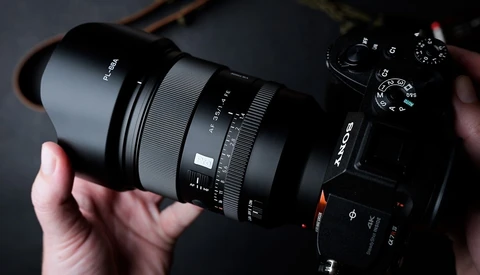
The Viltrox AF 35mm f/1.4 Pro sells for $829, and it brings a metal body, weather-sealing, and a clicked aperture ring at that price. Few focal lengths stay on a camera as long as a 35mm does, so how a lens like this behaves wide open, in the corners, and while tracking a moving subject affects a big share of everything you shoot.
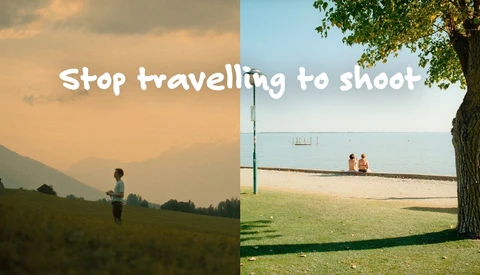
The places you see every week are the ones you're least likely to photograph, since they feel too familiar to bother with. Familiar doesn't last, and the village fair or street corner you skip this year is exactly what someone will want to see decades from now.


