
Where the Money Is Going: 5 Photography Niches Growing in 2026
While AI anxiety dominates the conversation, these five specializations are expanding, backed by real market data, not wishful thinking.
Below are the most bookmarked articles by our members.
While AI anxiety dominates the conversation, these five specializations are expanding, backed by real market data, not wishful thinking.
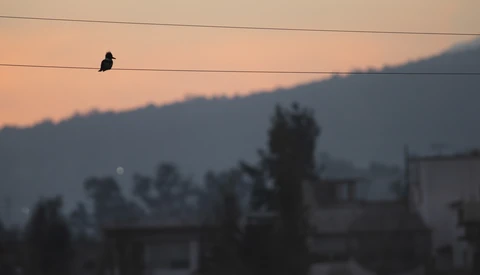
Wildlife photography is often associated with iconic species such as lions on the savannah, elephants crossing golden plains, or bears roaming in areas like Yellowstone National Park. These adventures are extraordinary, but they are also expensive and not always accessible to beginner photographers.
Every photographer has heard it: use better light, tell the story, know your camera. None of that advice is wrong; most advice is just too broad, and it becomes useless. Are we giving photographers real guidance, or just repeating slogans?
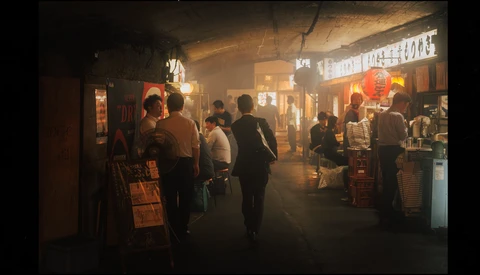
Why do some photographs feel like a fleeting memory while others possess the weight and atmosphere of a cinematic masterpiece? Let's discuss the subtle shift in editing techniques that transforms a standard edit into a truly silver screen experience.
Most of us overlook great images not because we fail to see them, but because we stop at thinking, "That's a nice picture." A picture serves as proof that you were present; a photograph shows you made deliberate choices. Here's how to transform quick snapshots into purposeful photographs, both in the field and during editing.
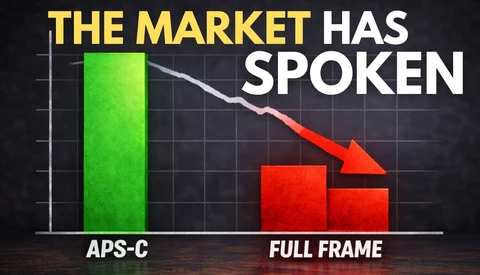
Full frame cameras dominate headlines, but APS-C models are quietly outselling them by a wide margin. Shipments in 2025 show a gap that challenges the idea that bigger sensors are the obvious end goal.
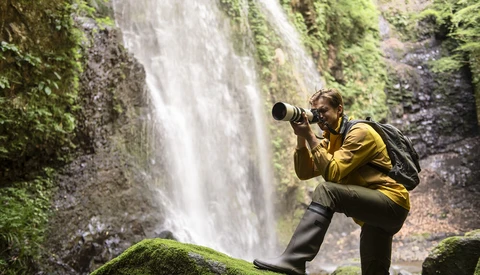
Every year, someone declares Micro Four Thirds dead. And every year, the system answers with glass that simply does not exist anywhere else. OM System just dropped the M.Zuiko 50-200mm f/2.8 IS PRO, the world's only constant f/2.8 zoom covering 100-400mm equivalent, and it is the kind of lens that makes full frame shooters do math they do not enjoy. But that flagship is not the whole story. Micro Four Thirds offers a lens catalog that rewards curiosity and punishes assumptions.
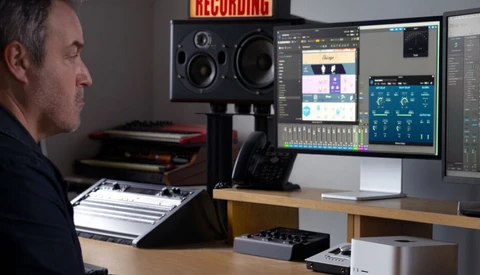
Your desk is the other half of your camera bag. Here is every piece of it, from monitor to backup drive, at three price tiers.

The single most effective thing you can do to improve your color photography has nothing to do with color at all. Stop shooting in color. Not permanently, not because you want to become a black and white photographer, but because spending a few weeks without color will teach you more about what makes a photograph work than years of shooting in color ever will.

Culling is the least glamorous part of any photographer's workflow, and it is also the part most likely to quietly devour your evening. Whether you are trimming a 3,000-frame wedding or whittling down a portrait session, the process of deciding what stays and what goes can stretch from minutes into hours if you let it. The frustrating part is that slow culling rarely produces better results. More often, it just produces more indecision and a nagging feeling that you cut the wrong frame.

Photography has been around long enough to accumulate a thick layer of conventional wisdom, and much of it is wrong. These myths get passed from forum to forum, YouTube comment to YouTube comment, and camera-store counter to camera-store counter with the confidence of established fact. The problem isn't that they're entirely baseless; most contain a grain of truth buried under decades of misapplication. The problem is that they cost photographers money, waste their time, and actively prevent them from improving. Here are ten of the most persistent offenders.
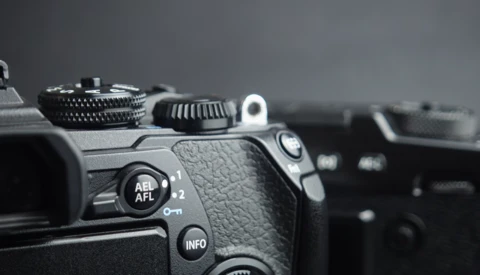
Autofocus is fast, reliable, and so baked into modern cameras that you probably never question how it’s tied to the shutter button. This argues that default setup quietly forces a trade you don’t have to accept once you start separating focus from exposure.
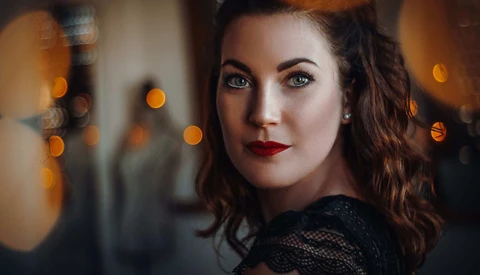
There's a quiet rebellion happening in photography right now. After a decade of manufacturers racing to produce the sharpest, most clinically corrected glass ever made, a growing number of photographers are deliberately reaching for something else. They want glow. They want swirl. They want the kind of optical rendering that looks like it was pulled from a dream sequence in a 1970s art film. They want character.
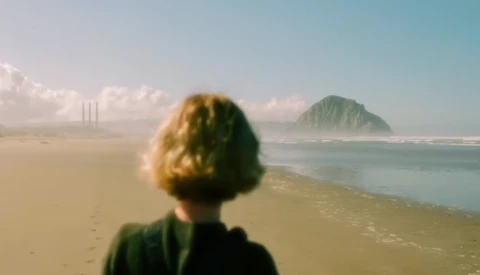
Chasing that painted look usually breaks down in post or gets derailed by gimmicks, especially when you’re trying to balance mood with detail in Lightroom and Photoshop. The video focuses on a handful of choices that change the feel fast, without wrecking the file or turning everything into mush.
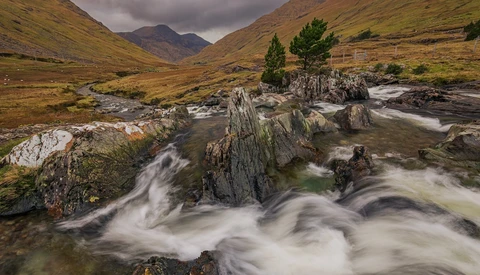
A photography workflow is simply a repeatable way of working. It covers how you prepare, how you shoot, and how you deal with your images afterward. In landscape photography, where light, weather, and access are often limited, having a workflow removes uncertainty and prevents small mistakes from becoming lost opportunities.
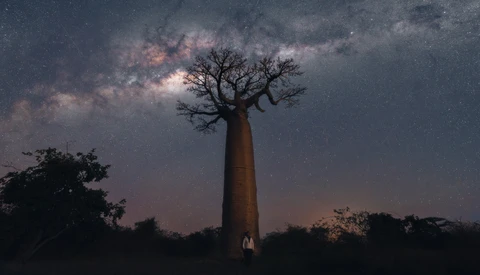
Embarking on a journey to capture the night sky can be both exhilarating and challenging. In this article, I will share essential tips and insights from my own astrophotography adventures, guiding you through the intricacies of planning, gear selection, and settings to capture images of the cosmos.
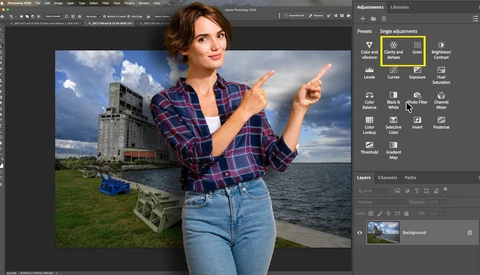
Photoshop just added two adjustment layers that used to force a detour through Camera Raw: “Clarity and Dehaze” and “Grain.” If you edit photos and rely on selective control, the shift is that these effects now live where masks, stacking, and quick revisions are already part of your daily flow.
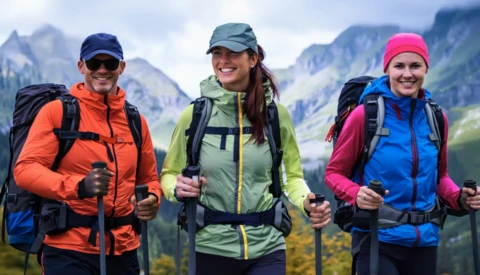
Photoshop 27.3.0 just dropped, and it targets the exact spots where edits bog down: local contrast tweaks, expansion quality, and cleanup around faces. If you do any real retouching work, this update changes what you can trust inside one PSD without detouring into other dialogs.

Nikon shooters face a unique challenge that Canon and Sony users simply don't encounter: a lens ecosystem so sprawling and historically layered that even longtime Nikon photographers routinely get confused about what works with what. Here's everything you need to know.
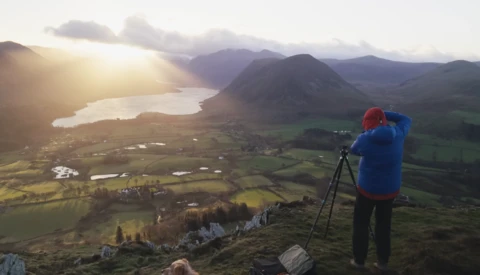
Your landscape can look incredible in person and still turn into a flat photo once you open it in Lightroom. The video breaks down why that mismatch happens and what to do about it when a scene feels “big” to your eyes but small on the screen.
Every photographer knows the notification. Storage Almost Full. It pops up on your computer or your phone, and instead of mild annoyance, you feel something closer to dread. Not because hard drives are expensive. They aren't. A 4 TB external drive costs less than a decent dinner for two. The dread comes from knowing what's actually sitting on those drives.
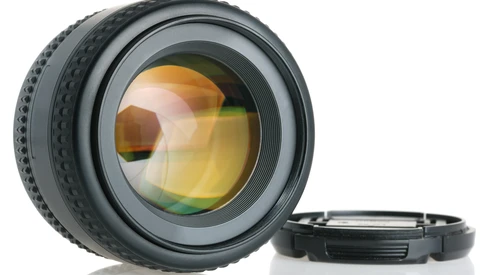
Camera specifications have become reasonably standardized over the years, but lens specifications are a different animal entirely. Optical performance resists easy quantification, and manufacturers have learned to fill that void with impressive-sounding terminology that obscures more than it reveals. This guide cuts through the jargon to explain what each specification actually measures, when it genuinely affects image quality, and how to read between the lines when comparing options.

Portrait retouching in Lightroom often stalls when you get stuck doing the same careful selections again and again. This video puts the spotlight on a faster path using Lightroom Classic’s built-in AI masking, with results that still look like a human made the calls.
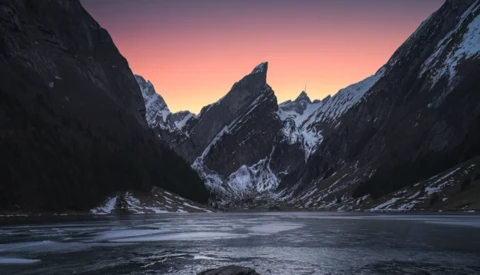
Scenes can look flat fast once the sky and the shadows start fighting each other. The way you start your Lightroom edit can decide whether you keep detail in the bright areas and still get color that feels intentional.
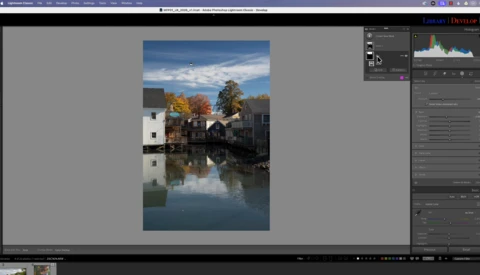
Masking is where Lightroom edits either look clean and intentional or start to fall apart at the edges. If you have ever nudged Exposure and realized you changed the whole frame instead of a small area, this topic will save you from that kind of mistake.