Photography Education

Whether you just picked up your first camera or you've been shooting for years and hit a plateau, there's always more to learn. This section is where Fstoppers publishes educational content aimed at genuinely improving your photography — not just gear tips, but the foundational understanding of light, composition, and visual thinking that makes the difference between a competent photographer and a compelling one.

Creative Color Grading Techniques for Cinematic Portraits

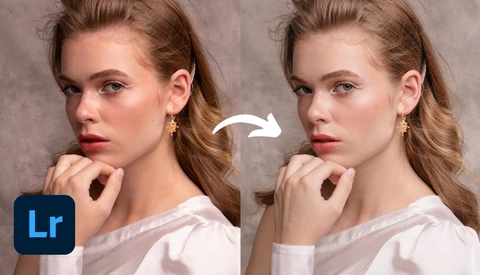
When retouching your images, having a variety of techniques can make all the difference. Not every approach works for every photo, so learning multiple methods can help you adapt based on the image you’re working with. In this video, you’ll see a couple of ways to color grade your images, giving them mood, atmosphere, and even a cinematic touch. 
The Best Way to Respond to Clients Asking for Raw Photos

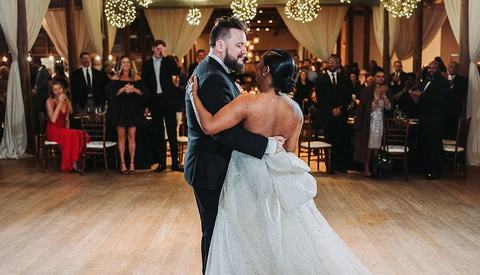
As a wedding photographer, you’ve likely had clients ask for raw files, thinking they’re getting more value by having access to every shot taken. But there are several reasons why raw files aren’t something you want to hand over, and your clients may not understand why.

Mastering Simplicity: Tips for Better Landscape Photography

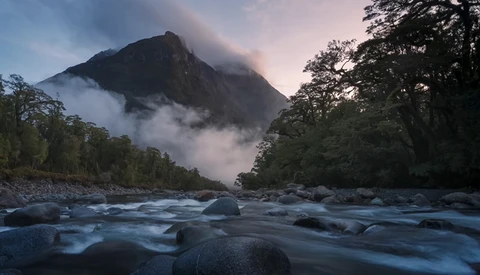
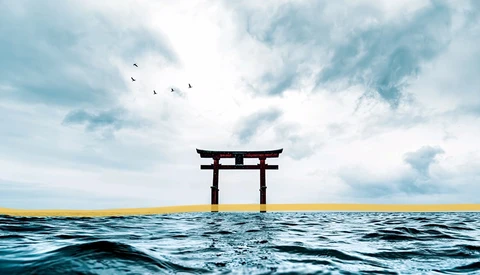
Simplicity in landscape photography is not as easy as it sounds. The natural world is filled with complexity, and it’s easy to get overwhelmed by all the visual elements. However, simplifying a scene can help create more powerful, evocative images, making it easier for viewers to connect with your work.  

How to Capture Perfect Family Photos in Challenging Lighting Conditions

Family portraits can be a challenge, especially when you're working with larger groups, such as grandparents with grandchildren. Capturing these moments in a way that feels natural yet beautifully lit can be tricky, but it’s important for creating memories that last a lifetime.

Practical Tips to Improve Your Landscape Photography

When you’re working on improving your landscape photography, you’re trying to capture more than just a scene—you’re telling a story. From the foreground to the background, everything in the frame plays a role.  

Landscapes Are the Cannabis of Photography

Landscapes are often the gateway drug into other genres. Be careful; it can be addictive and lead you to harder photography. Here’s how to get high from what might seem a benign habit. 

How to Add Contrast to Green Grass for Better Photos

Editing large expanses of green grass can transform an otherwise flat image into something much more dynamic. It’s not just about pushing the contrast slider up and hoping for the best. To make an image pop, especially when working with grass or other natural elements, you need to approach it with more precision. 

How to Capture Authentic Street Moments

Street photography is unpredictable, fast, and often happens when you least expect it. Capturing those moments requires preparation and awareness, which is why understanding key principles can make a significant difference in your work.  

How to Use Centralized Composition for Stronger Photos

Centralized composition might be an older technique, but it still offers one of the most powerful ways to create immediate impact in your images. If you’ve struggled with feeling like your subject gets lost in the frame or your composition seems unbalanced, this approach could be what you’re missing.  

A Simple Workflow for Better Landscape Photo Edits

Many photographers find editing frustrating, especially if they’re more focused on capturing the shot than on enhancing it later. However, mastering a solid editing workflow can drastically elevate the quality of your work, giving your photos the polish they need to stand out. 

How Light and Contrast Shape Color in Your Landscape Photos

Color processing can be a tricky subject, especially when you want to make sure your landscape photos look natural but still stand out. Whether it’s light, contrast, or the subject itself, each plays a big role in how colors are rendered in your final image.  

How Tripods Can Elevate Your Filmmaking

A tripod might seem basic, but its simplicity is its strength. In an age where drones, gimbals, and cranes dominate, it’s easy to forget the power of keeping your camera still. The composition becomes the star, allowing you to focus on framing and detail. Sometimes, the camera doesn’t need to move to make an impact. 

How Diverse Photography Experiences Can Sharpen Your Skills

Photography often requires mastering various genres, and understanding their unique challenges can make you a more versatile and capable professional. From weddings to commercial work, each type of photography has something valuable to teach, and embracing this diversity can sharpen your skills and broaden your creative perspective. 

Key Financial Steps Before Going Full-Time as a Photographer

Transitioning from a 9-to-5 job to becoming a full-time photographer is a goal many dream of, but it’s not as simple as quitting your job and grabbing a camera. Making that leap can be challenging, especially if you’re unprepared. The financial realities of freelancing can be harsh, and without a solid plan, it’s easy to find yourself overwhelmed by debt and stress. 

A Simple Lightroom Trick to Enhance Reflections in Landscape Photos

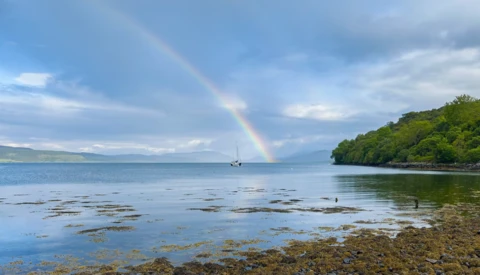
Water reflections can transform a basic landscape photo into something captivating, but they don't always look their best straight out of the camera. With a little fine-tuning in Lightroom, you can make those reflections more vibrant and balanced. It's a quick and easy technique that can instantly elevate the look of your landscape photography. 

How to Get Clients for Your Real Estate Photography Business

Building a real estate photography business takes more than just snapping great photos. It’s about finding and keeping the right clients, and that requires a strategic approach. Rushing to connect with as many real estate agents as possible, or blasting out spammy emails, isn’t going to help you grow sustainably. 
Why You Might Not Be Succeeding in Photography

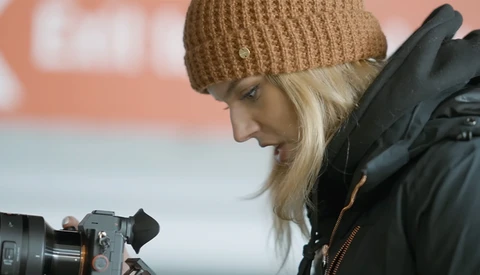
Hard truths can be uncomfortable, but sometimes, they’re exactly what you need to hear. Many creatives struggle with questions about why their photography careers aren't taking off. It might feel like the market is oversaturated or that you're simply unlucky, but the reality may be much more straightforward. 

How to Speed Up Photoshop Without Buying a New Computer

When working in Photoshop, even the most powerful computer can sometimes lag as projects grow more complex. This can become frustrating and disrupt your creative process. Rather than jumping to expensive hardware upgrades, consider optimizing your current setup.  

Simple Habits to Improve Your Photography Without New Gear

The idea that skill outweighs gear when it comes to taking great photos is a fundamental truth that often gets overlooked. Many of us find ourselves tempted by the latest cameras or lenses, thinking they’ll be the magic key to better images. But, in reality, your ability as a photographer plays a much more significant role.  

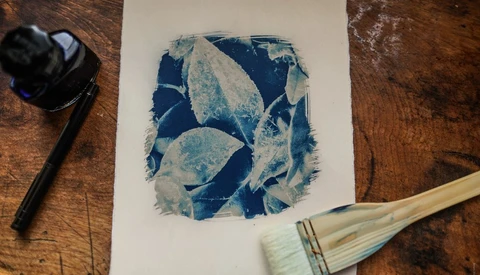
An Unpretentious Guide to Cyanotype Printing

Cyanotype printing is one of the oldest known photographic techniques. Now, printing cyanotypes is easier and more accessible than ever. Let me show you how to make your own cyanotype prints the easy way.  

Mastering Harsh Light in Landscape Photography

Harsh light can ruin a landscape photo. It’s something you’ve probably faced when trying to capture the perfect scene, only to find that the sun has risen too high, casting harsh shadows and blowing out highlights. Knowing how to deal with this situation is crucial if you want to keep your photos looking their best, even when the lighting isn’t ideal. 

The First Steps to Better Landscape Photography

Improving your photography often requires a closer look at the fundamentals. When your images aren’t turning out as you hoped, it’s usually because one or more key elements are out of balance. 

Breaking Free from Creative Ruts

When you're stuck in one place, it's easy to fall into a routine, revisiting the same spots and capturing similar scenes. This can lead to complacency, and before you know it, the familiar becomes dull. Yet, there's always more to discover, even in places you think you know inside out. 

Achieving Perfect Flash and Ambient Light Balance

In tricky lighting conditions, knowing how to balance different light sources is crucial. When you get it right, your photos look natural and well-composed, without any harsh shadows or blown-out highlights. 

Mastering Photo Processing: Common Mistakes

The way you process your photos can make or break them. It’s not just about the tools you use, but about the attention to detail and the feel you want to convey.  

How to Create Custom Images in Photoshop With AI

If you’ve ever found yourself struggling to create the perfect image in Photoshop, the new “Generate Image” feature might be what you need. Whether you're working on a blog, a newsletter, or just exploring new ideas, this feature could save you time and effort. 

How to Control Dynamic Range With Exposure Bracketing

Exposure bracketing is a technique that can significantly improve your landscape photography by helping you deal with difficult lighting situations. If you've ever struggled with blown-out skies or muddy, noisy shadows, bracketing might be the solution you're looking for. 

How to Avoid Over-Editing Your Landscape Photos

Editing your landscape photos can be a tricky process, especially when you're just starting out. It's easy to get caught up in the desire to make every image look perfect, but this can lead to common mistakes that actually detract from the quality of your work.  

Finding Creativity in Boring Locations: A Practical Guide

Taking interesting photographs in unremarkable places can be a challenge, but it's also an essential skill for anyone serious about photography. It's easy to find inspiration in bustling cities or picturesque landscapes, but what about when you're in a quiet village or a nondescript suburban area?

Debunking Myths That Are Holding Back Your Photography Career

There's a lot of advice floating around that can seem helpful but might actually be hurting your photography career. Some of the most common suggestions, especially the ones circulating on YouTube, can mislead you and even stall your progress.  

Transforming a Dull Photo into a Dramatic Image

Knowing what you can do in post-processing before you even take the shot is a powerful skill. It transforms how you approach photography, allowing you to capture scenes with the confidence that you can shape them later to fit your vision. In this example, you start with a rather dull image, lacking contrast and vibrant colors, and transform it into something stunning. 

How to Make Your Black and White Photos Stand Out

Black and white photography isn’t just about removing color from an image. It’s about creating something new, something that perhaps existed only in your mind before. If you’ve ever wondered about the benefits of black and white photography or how it can unlock your creative potential, don't miss this video.  

The Real Secret to Creativity in Photography

Creativity is a topic that stirs up many questions, especially for those passionate about their craft. Whether you’re holding a camera or playing an instrument, the quest to unlock creativity is a journey that’s both challenging and deeply personal.  

How to Ditch Adobe and Save Money

Removing Adobe apps from your computer is a big decision, especially when you've been using them for years as a photographer or content creator. These tools are deeply ingrained in the creative process for many, but they also come with a significant financial burden.

Why You Should Treat Your Zoom Lens Like a Prime

Using a zoom lens might seem straightforward, but there are a few strategies that can significantly improve your experience. This video covers essential tips that will help you get the most out of your zoom lens, turning it from a simple tool into a versatile extension of your creative vision. 

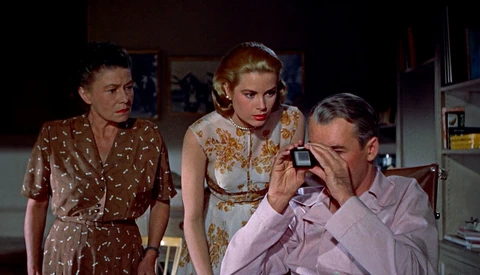
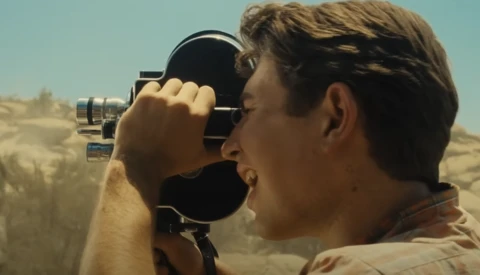
Why 'Rear Window' Is a Masterclass in Cinematic Tension

"Rear Window" remains a cinematic masterpiece, not just for its storytelling, but for the way Alfred Hitchcock used the camera to enhance suspense. Even 70 years after its release, this film captivates viewers with its meticulous use of perspective, creating an experience that's as thrilling now as it was when it first premiered.  

How to Capture Perfect Light in Landscape Photography

Capturing a stunning landscape is as much about patience as it is about skill. Sometimes, you’re simply at the mercy of the elements, waiting to see if the light will cooperate. But when it does, the results can be magical.  

Achieving a Natural Look: Lightroom Color Grading Tips

Balancing color grading with the preservation of natural skin tones is key to producing professional-quality portraits. This guide focuses on simple but effective methods to create a clean, cohesive look across your images, without sacrificing the details that matter most. 

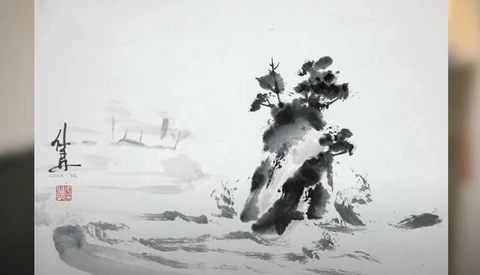
In What is Left Unsaid: Photography, Ink Painting, and Empty Spaces

Creativity thrives on diversity. As artists, it's natural to seek inspiration within our own medium of photography. However, the true magic often happens when we venture beyond the boundaries of our craft and explore the vast landscape of other artistic realms.

Using Photography to Discover Your True Self

Photography is often seen as a way to capture moments or document the world around us. But it can also be a powerful tool for self-exploration. Your images aren't just about what you see—they’re about who you are and how you see yourself in the world.  

Why There Are No Shortcuts in Photography

The world moves fast, and many of us try to keep up by seeking shortcuts, especially in creative fields like photography. We want quick results, but the truth is, mastering any art form takes time.