Landscape Photography

Landscape photography rewards patience, planning, and a willingness to be in the right place at the right time — which is harder than it sounds. This section covers the full landscape photography workflow: scouting locations, reading light, choosing the right filters and focal lengths, managing long exposures, and processing raw files to reflect what you actually saw and felt when you pressed the shutter.

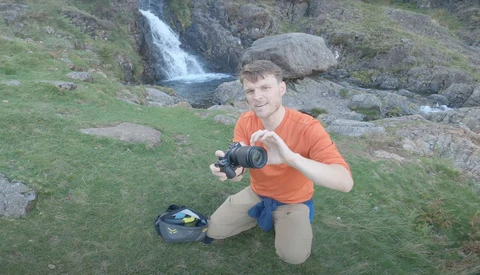
Is Less Camera Gear Better for Your Landscape Photography?

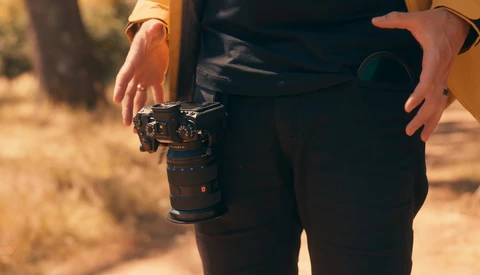
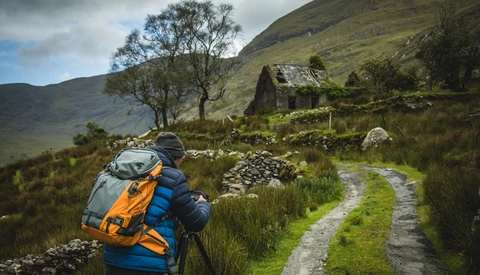
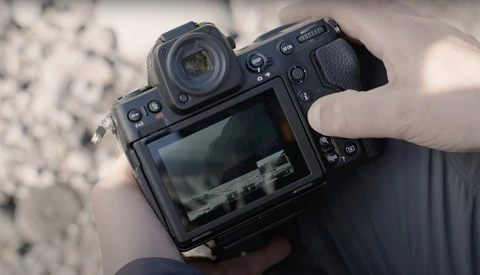
Do you ever feel like you carry too much camera gear when out practicing landscape photography? A camera bag, a camera body, a trio of lenses, batteries, filters, a tripod, maybe a drone or action cam: it all adds up. This video looks at taking a minimal approach and some of the advantages that it brings. 
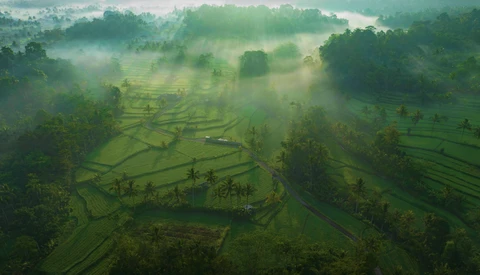
5 Helpful Tips for Improving Your Landscape Photography

Landscape photography is a challenging genre that requires the confluence of technical skill, creative vision, careful planning, physical effort, and sometimes, a bit of luck. If you would like to improve your landscape photos, check out this fantastic video tutorial that offers five useful tips sure to put you on the track to better images.  
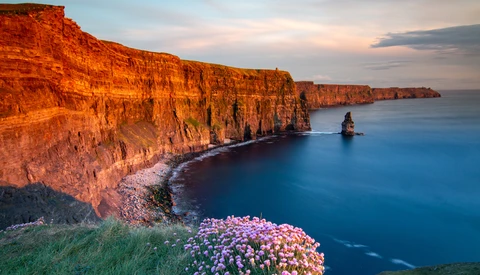
Improve Your Landscape Photography Composition With One Element

Composition can be one of the hardest skills of landscape photography to learn for more pleasing images. The rules can be overwhelming: the rule of thirds, leading lines, golden ratio, and more. This video brings it all down to one element to help master composition and landscape photography. 
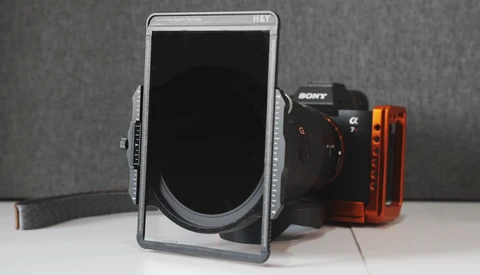
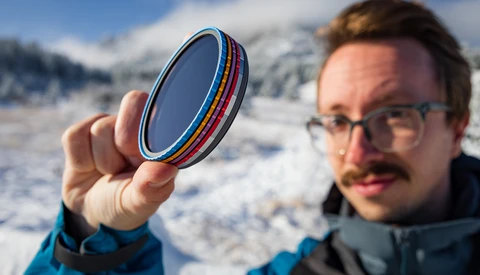
Is This the Best Filter System on the Market?

When it comes to different filter systems, they may seem simple, but they can have wildly differing user experiences, with some a breeze to use and others an awkward, fumbling debacle. Is this magnetic system the best on the market? 

Are You Cropping Your Landscape Photos Correctly?

One of the best benefits of digital images with high resolution is that you can crop them to essentially aspect ratio you please, but there is a drawback as well: we often do not put as much thought into the final crop of a photo before we press the shutter as we did in the days of film.

10 Good Habits for Landscape Photographers

Good habits make good photographers, and landscape photography is no different than any other genre. Getting in the habit of doing certain things every time you head out can help give you the best chances of coming home with winning shots. This great video tutorial details 10 such habits and why they can have a positive impact on your work. 

A Simple Guide to Focus Stacking

Focus stacking/bracketing consists of taking several shots of the same frame (in this case, a landscape) at different focus points within your frame to ensure sharpness throughout. Is it necessary? In most cases, no, as an aperture above f/9 will typically cover any slight variations in depth of field.

5 Common Beginner Landscape Photography Mistakes

Landscape photography is a challenging but rewarding genre that requires the confluence of several different facets of technique and knowledge in order to produce a winning shot. If you are new to the genre and ready to improve, check out this fantastic video tutorial that features an experienced pro sharing five common mistakes beginners make and how to fix them.  

5 Landscape Photography Tricks Only Pros Know

Landscape photography is an art that requires skill, creativity, and an understanding of the natural environment. While beginners can capture stunning images, seasoned professionals have honed their craft over the years and mastered some advanced techniques. In this article, we will explore five landscape photography tricks that only pros know. 

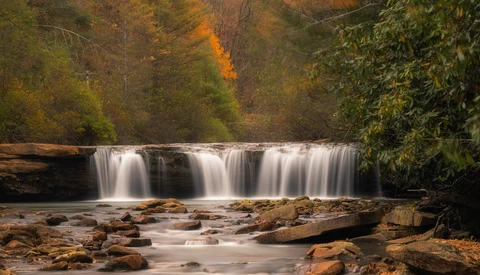
How to Create Compelling Waterfall Photos

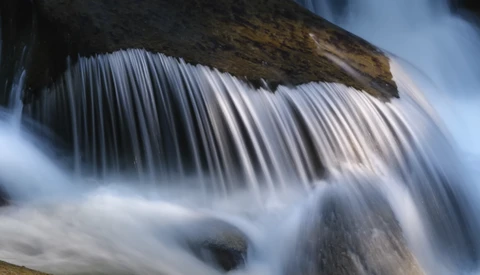
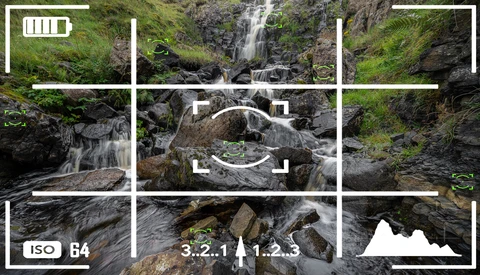
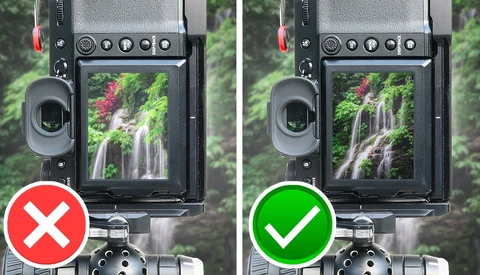
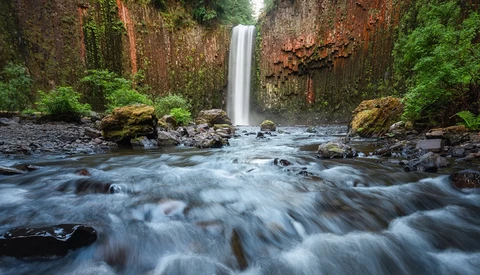
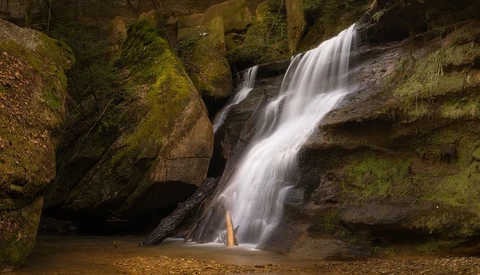
Waterfalls are an extremely popular photography subject, particularly since they offer the chance to really flex our creative muscles and make dynamic, compelling shots.

How to Use Editing to Add Depth to Landscape Photo

One of the classic challenges of photography is bringing a sense of depth to what is a two-dimensional representation of a three-dimensional scene. Understanding how to manipulate both color and contrast in post-processing can go a long way in helping you achieve this.

How to Photograph the Perseid Meteor Shower This Weekend

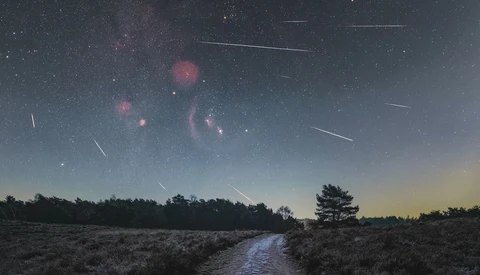
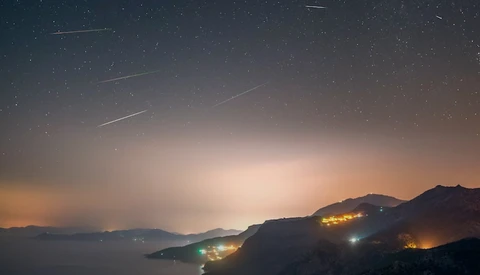
The peak of the Perseid meteor shower is due to happen this weekend between the 11th and 13th. The Perseid meteor shower is one of the most impressive displays, with counts of over 100 meteors per hour during the peak. In this video from StarScaper, he goes into further details on how to photograph and edit meteor shower images. 

Helpful Advice for Taking Better Landscape Photos

Landscape photography is a challenging genre, but when you get a good shot, it makes all the time and effort worth it. If you would like to improve your landscape photos, check out this fantastic video tutorial that features an experienced photographer sharing a range of useful advice to help you get on the right track.  

An Often Overlooked Aspect of Landscape Photography

Landscape photography is a challenging but rewarding genre, and with all the time and effort it can take to get to a location, it is worth considering the approach you take once you are there to ensure you come away with as many great photos as possible.

The Art of Persistence in Landscape Photography

Landscape photography is a pursuit that requires patience, dedication, and a persistent mindset. From waiting for the right conditions to refining compositions during challenging moments, as landscape photographers, we face a range of experiences that test our resolve.

How to Slow Down and Capture Beautiful Landscapes

Do you find yourself arriving at a landscape photography location, getting the tripod set up, the camera out of the camera bag, and then walking away disappointed with your images? Something not quite right? I have some tips for finding your shot, whether it is a new location or one of your old favorites! 

The Power of Contrast for Creating Compelling Photos

Contrast is one of the most fundamental properties of a photo, and it offers you many powerful ways to create a mood, make the subject clearer, and more. As such, learning how to leverage it and all the factors that influence contrast in the frame is crucial. This fantastic video tutorial discusses contrast and a variety of different ways to use it in your images. 

3 Simple Steps Every Photographer Can Take to Immediately Improve Their Compositions

The mistakes you make in life, including photography, leave a tart, bitter taste in your mouth, especially when they’re your fault and entirely avoidable. The solution? Don't make them. Here are three easy steps photographers from any genre can implement to immediately improve compositions and eliminate unnecessary errors.   

Fixing Seven Beginner and Pro Landscape Photography Mistakes

Photographers make mistakes; it is part of the hobby of photography. They happen from not knowing how to use the camera adequately, to forgetting to change a setting, to post-processing errors. This video covers seven landscape photography mistakes you can easily correct, whether you are a pro or a beginner. 

Practicing Landscape Photography Locally Is Essential for Your Growth

Grand trips for landscape photography are exciting and can make it look like you’re really living the landscape photographer life. But practicing your landscape photography locally shouldn’t be underestimated if you want to improve your technical and compositional skills.  

The Best Lens Kit for Landscape Photography

The 16-35mm lens is the standard workhorse of landscape photography, but it is far from the only lens you can use for the genre, and, in fact, you are probably doing yourself a disservice if you rely exclusively on those focal lengths.

The Difficulty of Wide Angle Lenses

Wide angle lenses are the tool of choice for a lot of landscape photography, but they come with a large set of challenges that can make it difficult to produce worthwhile images with them.

How Color Theory Can Improve Your Landscape Photos

Composition is one of the trickiest aspects of landscape photography, but once you feel comfortable with it, the next step to really taking control of your images is color theory. This helpful video tutorial will introduce you to color theory, including several topics and how to see and apply them to create more compelling landscape photos.  

3 Important Things That Will Improve Your Landscape Photo

Even if you’re standing in the middle of a great-looking landscape, it can be difficult to make an inspiring photo. Many people feel the need to capture as much as possible in one single frame, but that’s not the solution. Keep these three things in mind, and your landscape photo will improve a lot.


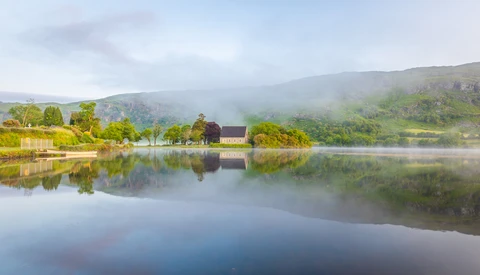
Why Ireland Is Underrated for Landscape Photography

When it comes to landscape photography, certain destinations immediately come to mind – the dramatic landscapes of Iceland, the majestic mountains of the Canadian Rockies, or the iconic landmarks of the American Southwest. However, there is one country that often gets overlooked as a photography hotspot: Ireland.  

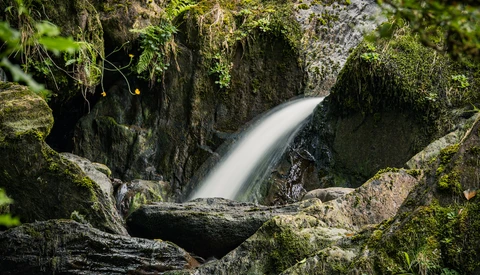
Capturing the Beauty: Enhancing Your Photography Skills With a Telephoto Lens for Small Waterfalls

Photography is an art that allows us to capture moments, freeze time, and express our creativity. One fascinating subject that many photographers are drawn to is small waterfalls. These cascading wonders provide an incredible opportunity to capture the beauty of nature. While wide angle lenses are often popular for landscape photography, telephoto lenses have their own unique advantages.

Simplifying the Grand Landscape With the Telephoto Lens

Landscape photographers often default to the wide angle lens when approaching grand scenes in the early part of their photography path. This video looks at simplifying these scenes with a telephoto lens to highlight the smaller details of a landscape. 

5 Reasons Your Landscape Photos Might Not Be Sharp Enough

Landscape photography places a particularly high priority on getting sharp photos, with photographers putting a lot of careful effort into ensuring their photos are as crisp as possible. If you find your images are not as sharp as you would like, check out this helpful video tutorial that discusses five reasons that might be happening and what you can do to improve your shots.  

The Intuitive Approach to Landscape Photography

There are many ways to approach landscape photography, each with its own advantages and drawbacks, but one that we perhaps engage with the least is the intuitive method, namely building an emotional connection with the scene and allowing that to lead our photographic creation.

The Power of Symmetry in Photography

Symmetry has long been one of the most powerful tools to provide visual interest in an image, and there are many ways to leverage it in your work to create compelling shots. This fantastic video tutorial will show you some of the different types of symmetry in landscape photography and how you can use them in your own work.  

5 Helpful Pieces of Advice for Better Landscape Photo Compositions

Composition is a challenging aspect of photography no matter what genre you shoot, but it can be particularly tricky in something like landscape photography, where you get no control over the placement of elements in the frame, only your position relative to them.

The Joy of ICM Landscape Photography

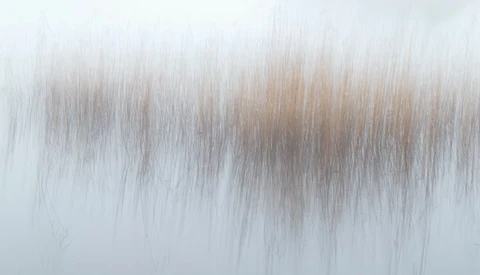
ICM, which stands for "intentional camera movement," is a technique in which the photographer moves the camera during the exposure in a precise way, resulting in creatively blurry images that often have a painterly appearance. It is a great way to explore your creativity and expand your landscape photography techniques.

7 Common Landscape Photography Mistakes

Landscape photography is a challenging but rewarding genre that takes the combination of strong technique, creative vision, and solid editing to create a successful image, and things can sometimes go wrong.

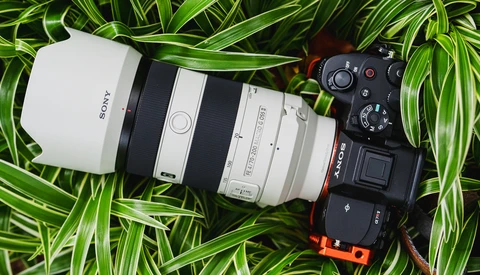
The Sony 70-200mm f/4 G II Takes a Huge Leap in Evolution: We Review

In a time when older cameras and lenses are getting new updated versions left and right, one of the best things to see is when the piece of gear gets an entirely new purpose. This is definitely something that no one expected from the new Sony f/4 telephoto lens.