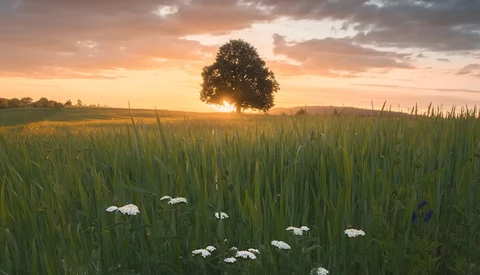
Make Your Foreground Pop With These Easy Editing Techniques
Enhancing the foreground can dramatically transform your landscape photos. Mastering this skill makes your images more engaging by immediately drawing viewers into the scene.
Enhancing the foreground can dramatically transform your landscape photos. Mastering this skill makes your images more engaging by immediately drawing viewers into the scene.
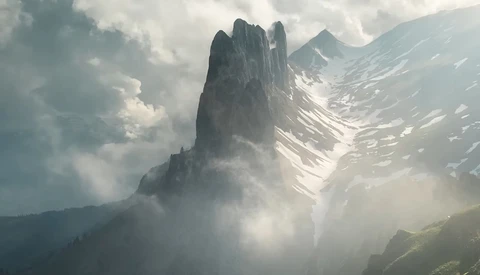
Adjusting light and shadows skillfully is one of the most impactful ways to elevate your landscape photography. Mastering this allows you to guide attention, build mood, and create genuinely captivating images.
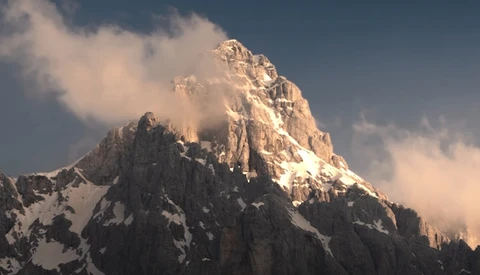
Contrast can make or break your images, and knowing how to control it precisely is essential. Getting beyond the basic slider in Lightroom opens up powerful editing options that enhance your creative control.

Lightroom Classic offers powerful tools, but many users overlook the potential of luminance and color masks for enhancing landscapes, especially skies. Knowing how to skillfully apply these masks can significantly improve your photos, adding depth and drama.

Lightroom contains powerful tools hidden just below the surface. Knowing these can significantly improve your workflow, giving you more control over your images.
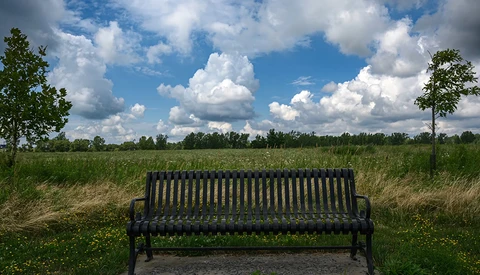
If you're still editing your photos in Lightroom Classic the same way you always have, the addition of AI-powered masking could significantly change your approach. Adobe's updates have transformed what used to be complex adjustments into simple and powerful masking tools that provide better results faster.
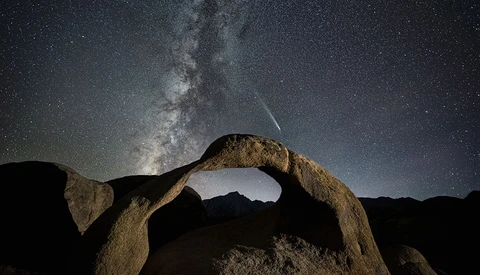
Adobe's new Adaptive Color Profile uses AI to analyze an image, adjusting color, tone, and contrast of raw images. Unlike presets, Adaptive Color Profile is not a "one size fits all." How would it work with night photography images, which are notoriously difficult for AI to interpret?
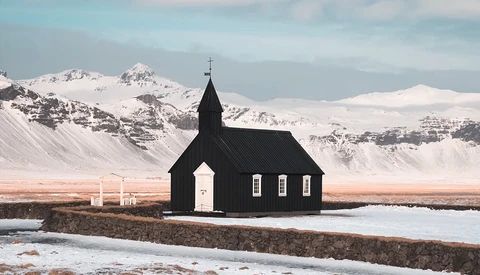
Removing unwanted elements from your images can drastically change their impact, and knowing how to quickly and effectively achieve this within Lightroom alone can streamline your editing workflow.

Landscape masking isn’t just another feature buried in your editing software—it’s a direct way to control where the viewer’s eye travels, what they notice first, and how your image feels.
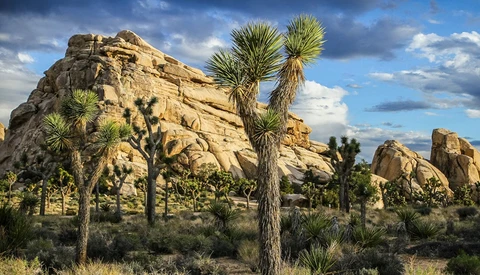
Lightroom’s new AI masking tools let you target areas like sky, mountains, water, and buildings in your photos without spending time painting masks by hand. If you’re working with images that mix natural and manmade elements, these features let you adjust only the areas you want.
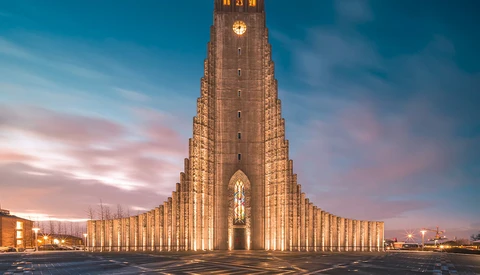
Capturing blue hour is rewarding, but the real magic happens during editing. Learning precise techniques to refine exposure and color helps your images resonate more strongly with viewers.

Most photographers learn Lightroom by experimenting on their own, but exploring how others retouch images can drastically improve your editing skills. Understanding someone else's process step-by-step is a powerful learning method that could significantly refine your approach and results.
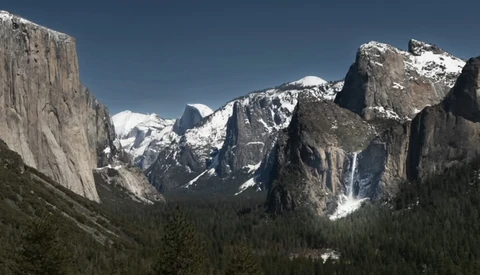
Masks in Lightroom Classic give you control over how precise your photo edits can be, offering a creative depth that’s hard to achieve using basic adjustments alone. Understanding how masks work is crucial if you want your images to look polished and professional without appearing heavily edited.
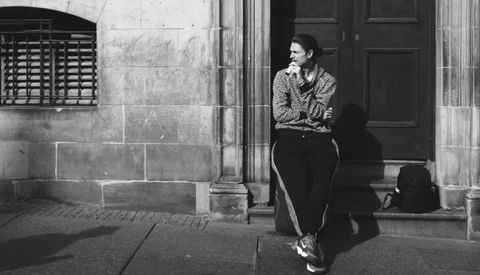
Editing in dramatic black and white images can elevate the impact of your shots significantly. It’s a way to strip away distractions and focus on the emotions and details that make scenes compelling.
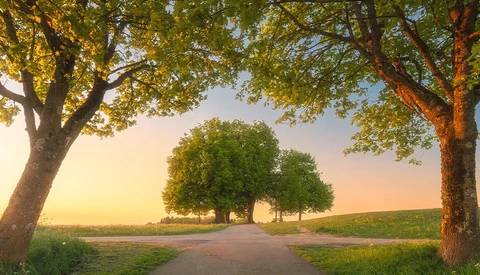
Lightroom recently introduced a landscape masking tool designed to simplify complex edits in landscape photography. This tool can drastically improve your editing workflow and give you precise control without extra effort or complicated techniques.

The way you edit photographs significantly shapes their visual impact. Using Lightroom's tools strategically helps turn ordinary shots into distinctive images worth sharing.
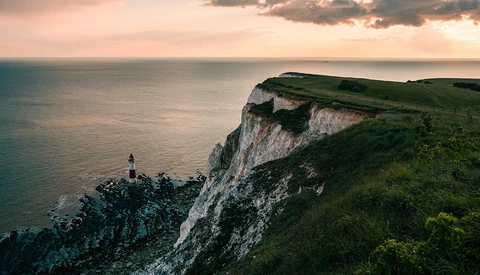
Adobe has just released a Lightroom update with a new landscape masking feature designed to streamline your editing workflow. If you frequently edit landscape photos, this update is worth exploring for its practical improvements.
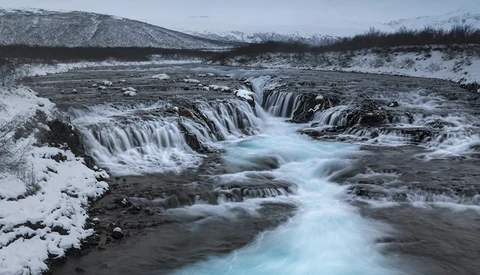
Dodging and burning can dramatically change how your final image turns out, enhancing depth and guiding attention to key areas. Mastering this technique in Lightroom is not only possible but straightforward enough to become an essential part of your workflow.
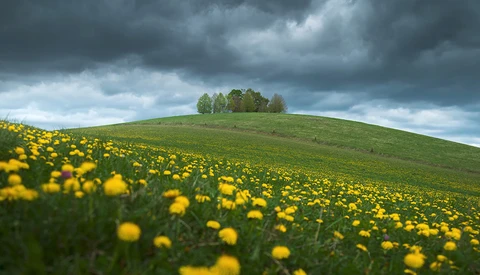
Lightroom’s color range mask is a powerful tool for making selective edits that bring your photos to life. Understanding how to precisely target colors can significantly improve your editing skills, giving your images depth and nuance.

Sitting with a Lightroom catalog that contains over 360,000 photos taken across a decade offers more than nostalgia—it presents a chance to analyze your photography habits. Understanding patterns in your shooting style can significantly enhance your photographic decisions.
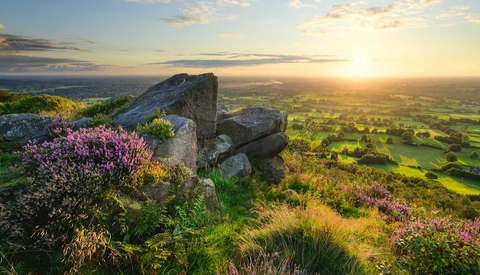
Radial filters can dramatically enhance your images, creating soft, natural effects that subtly draw attention or gently shift the mood. This tool allows you to shape viewer perception without resorting to heavy-handed editing techniques.

Adobe Lightroom recently rolled out an update with a new masking tool, significantly altering how quickly and effectively you can edit your photos.

Color grading your images can transform how people feel when viewing your work. Knowing how to do it right in Lightroom can mean the difference between a flat photo and one that connects emotionally.

Retouching portraits often requires complex software and a steep learning curve, but Lightroom can simplify the process significantly. Mastering skin retouching within Lightroom helps streamline your workflow and produces natural, flattering results without additional costs or complexities.

Adobe just introduced a powerful masking feature in Lightroom Classic and Adobe Camera Raw, changing the way you edit photos.

Lightroom's latest adaptive color profiles have photographers asking if traditional presets might become obsolete.

Contrast is one of those subtle elements that can elevate a photo, turning a flat image into something dynamic. Understanding how to manage contrast, especially in midtones, is essential to capturing richer, more vibrant images.

Knowing how to make your subjects stand out clearly from the background can dramatically improve your photos. Getting this right means viewers will focus exactly where you want them to.
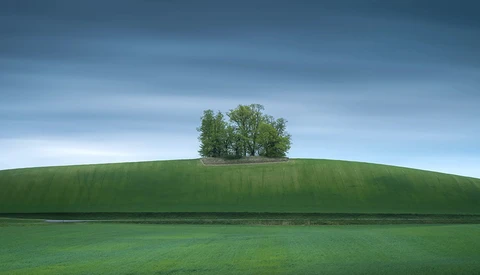
Editing flat images in Lightroom can seem tricky, but mastering masking tools can dramatically improve your final photos. Understanding masking allows you to add depth and dimension, turning good shots into visually impactful ones.
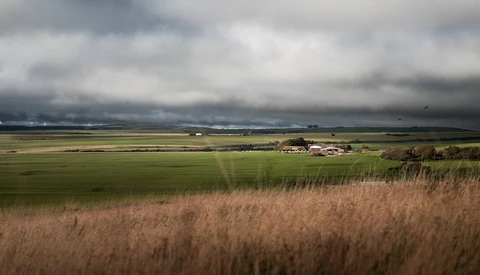
Editing a flat landscape photo to look engaging often feels tricky, especially when the lighting isn't ideal. Lightroom offers powerful tools to address this challenge, making dull scenes vibrant and engaging with careful masking techniques.

Masking is one of those skills that can dramatically change how you edit your photos. Knowing how to manipulate masks effectively can save you a lot of frustration and improve your editing results, especially when the AI selections in Lightroom or Photoshop Camera Raw aren't quite perfect.
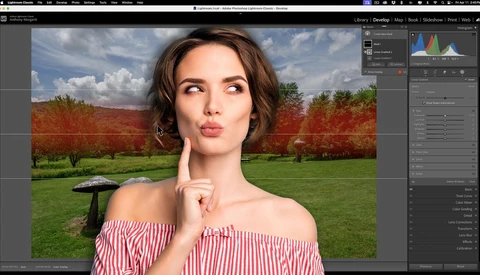
Applying a linear gradient in Lightroom can feel limiting since the effect usually starts strong at one edge and gradually fades out. Here's a better way.

Understanding how to effectively edit your images in Lightroom is crucial. Mistakes in editing can turn exceptional raw photos into disappointing results.
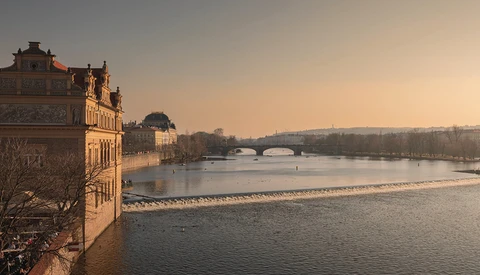
Editing a photo to capture the vibrance and warmth of a sunset is critical if you want images that resonate. Accurate adjustments can elevate your photo significantly, reflecting the true atmosphere of the scene.
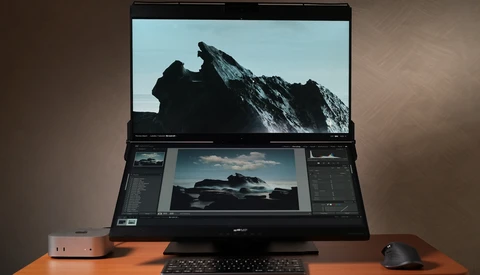
Two monitors in one? This unique stacked dual monitor offers to boost your productivity even with limited desk space. But can it be used for a photographer’s work?
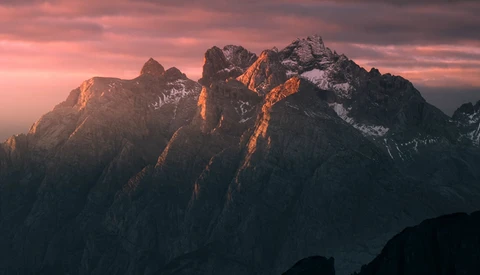
Post-processing is crucial because it helps you translate your vision and personal style into your photographs. Knowing specific editing techniques empowers you to shape images according to the mood and depth you're aiming for.

Careful color adjustments in Lightroom Classic and Adobe Camera Raw can elevate your images dramatically. Whether subtle or bold, knowing the right tool for your vision makes the difference between average edits and exceptional photography.

Mastering Lightroom can feel overwhelming simply because the software packs so many features. But you don't need to learn everything. Knowing just the right tools can elevate your photo editing significantly.
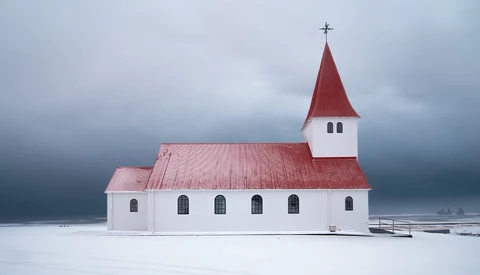
Strong contrast grabs attention, emphasizing the drama of your shots and adding depth. Here's how to get it just right in Lightroom.

Subtle adjustments can elevate an image from good to outstanding. Here's how to do that in Lightroom.

Artificial intelligence is reshaping photo editing, and Lightroom's latest update brings that power directly to your workflow. Understanding how to leverage these new tools is crucial if you want precise edits without spending hours at the computer.

Organizing and renaming your photos effectively saves you significant time and frustration. Lightroom isn't just about photo editing—it can transform the way you manage your images, helping you locate and name your files quickly, even if you never touch the editing features.

Efficient editing in Lightroom or Camera Raw can significantly elevate the quality of your landscape photos without overwhelming you with complexity. Learning focused techniques helps you produce professional-level results consistently.

The export process in Lightroom Classic helps you efficiently share your images exactly as you envisioned them. However, without the right export approach, even your best edits might not translate well across different platforms or devices.

Editing photos effectively on the go has become a necessity, and Lightroom Mobile makes that process both practical and powerful. With professional editing capabilities packed into your phone or tablet, you're no longer confined to your desktop when refining your images.
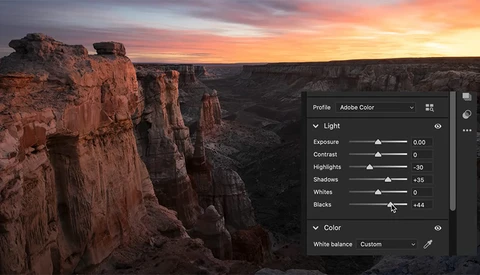
In his latest video, Greg Benz shares some surprising raw editing results. The seemingly same setting can have drastically different effects, depending on how you apply it in Camera Raw or Lightroom.
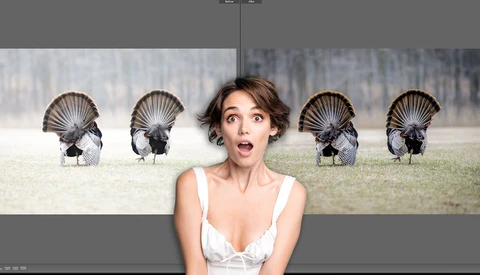
Bad photos happen to everyone. Exposure errors, white balance issues, and distracting backgrounds are common challenges, but knowing how to quickly rescue these mistakes can save valuable shots and improve your editing skills.
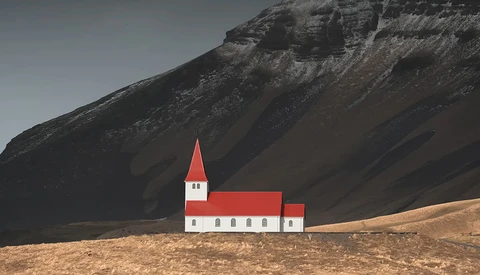
Image editing isn't just about adjusting contrast and saturation. The true power of photo editing lies in understanding how to work with layers in your composition. When you approach your landscape photos as distinct zones that need individual attention, you can transform ordinary scenes into extraordinary images.
Photography editing software can dramatically impact your workflow and final results. Understanding the differences between Adobe's three distinct Lightroom programs helps you choose the right tool for your specific needs, whether you're shooting in a professional studio or editing on the go.

A smooth workflow between Lightroom and Photoshop can make your editing process significantly more effective. Understanding how to move effortlessly between these two powerful programs allows you to leverage the unique strengths of each.