Lightroom

Adobe Lightroom is where most photographers spend a significant portion of their working lives — and knowing it well makes a real difference to both the quality of your output and the speed of your workflow. This section covers Lightroom from practical angles: import and organization, raw processing, masking and local adjustments, color grading, and the workflow habits that separate efficient photographers from those drowning in a backlog.

Using Lightroom to Give Your Flat Images More Zing

We’ve all had that experience of eagerly opening what seemed like a promising image in Lightroom, only to be disappointed when we discover that it lacks a certain something. Here’s a short tutorial demonstrating the use of masks and tone curves in Lightroom to bring more impact to your images.

Three Simple Lightroom Edits to Make Your Subject

Making your subject stand out in an image can be as simple as adjusting light, contrast, or depth. The right edits guide the viewer’s eye without making the changes look obvious. When done correctly, these techniques enhance an image without feeling overprocessed.

Simple Lightroom Adjustments to Rescue Dark Images

Restoring underexposed files can seem like a challenge, but Lightroom has the tools to bring back lost detail without sacrificing quality. A properly exposed image captures more dynamic range, but when that’s not possible, knowing how to recover shadows without ruining the final result is essential.
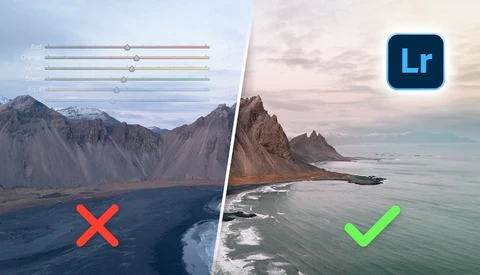
Why Choosing the Right Profile Matters in Editing

Choosing the right profile before editing can change the way your image looks and how much control you have over the final result. Different profiles apply varying levels of contrast, saturation, and tonal adjustments, making them a critical first step in post-processing.

Adaptive Profiles in Lightroom: A Look at the Latest Update

Lightroom’s newest update introduces Adaptive Profiles, a tool that changes how you can approach editing. Instead of applying a standard profile, these profiles intelligently adjust to your image, giving you a different kind of automatic enhancement. If you rely on auto settings, this could be an alternative worth exploring.

A Simple Photoshop Trick for Better Light and Atmosphere

Sometimes, a small edit can bring a photo to life. Adjusting light, enhancing atmosphere, and directing attention can make a huge difference, especially when working with images that feel flat or lack impact.

Mastering Lightroom’s Most Overlooked Editing Tools

If you’re only making quick adjustments with auto settings or exposure sliders, you’re missing out on Lightroom’s most powerful tools. Understanding how to work with tone curves, masks, and color adjustments will push your images to the next level.

The Best Beginner's Guide to Lightroom

Editing your photos well makes a huge difference in how professional they look. Lightroom is one of the most popular tools for photo editing, but it can seem overwhelming at first. Knowing how to use it efficiently can save you time and improve your final images.

How to Use Vignettes to Improve Your Photos

Vignetting can be a powerful tool in editing, helping you direct attention to the most important part of your image. Whether you're working with portraits, product shots, or landscapes, controlling how light fades toward the edges can enhance your composition. But not all vignettes are created equal, and using the wrong approach can make your edits look artificial.

Less Is More: A Tutorial for Essential Portrait Editing in Lightroom

Less can often be more when it comes to creating stunning portraits in Lightroom. If you’re relatively new to it or you’re somebody who prefers a minimalist but effective approach to portrait editing over going crazy in post with loads of effects, then this tutorial is definitely going to help you.

How to Edit Landscape Photos for Maximum Impact

The right editing of a landscape photo can bring out details, improve contrast, and create a color balance that enhances a scene’s natural beauty. Here's how to do that in Lightroom.

Mastering the Intersect Command in Lightroom for Better Selections

The ability to make precise selections in photo editing can transform an ordinary image into something extraordinary. While masking tools have evolved significantly, understanding how to combine them strategically is key to achieving professional-grade results.

A Better Way to Enhance Contrast and Detail in Lightroom

Lightroom and Adobe Camera Raw give you plenty of powerful tools to enhance your images, but some adjustments can do more harm than good if used incorrectly. Over-processing is easy to spot—crushed shadows, unnatural contrast, and an artificial look that takes away from the image instead of improving it. Three sliders in particular tend to cause the most damage when misused.

Simple Lightroom Tricks to Make Snow Scenes More Atmospheric

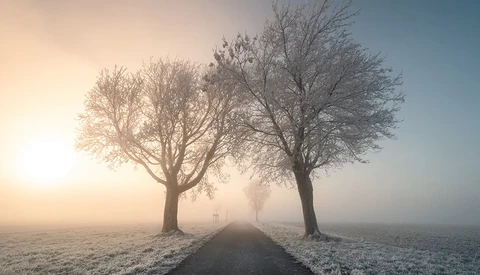
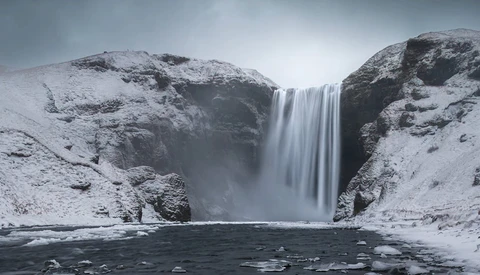
Winter scenes often look stunning in person but can appear flat and unremarkable in post-processing. Snow creates a high-key, low-contrast effect that lacks depth and dimension. Adding atmosphere and subtle contrast can make the image more engaging without overprocessing it.

A Step-by-Step Guide to Editing Tricky Event Photos

Mixed lighting and uneven exposures are challenges you’re bound to face, especially in event photography where lighting conditions are unpredictable. Here's how to fix them in Lightroom.

Mastering the Tone Curve: Lightroom Editing Tips

The tone curve in Lightroom is a powerful tool for adjusting the exposure and tonal balance of your photos. Mastering this feature can help you achieve more refined edits, creating a polished, professional look.

Lightroom Slider Secrets: A Guide to Sharpening and Contrast

Understanding how key sliders in Lightroom work can transform your approach. Sliders like Texture, Clarity, and Dehaze are powerful tools that shape how details, edges, and light appear in your photos. Learning their nuances helps you make informed decisions when enhancing your images.

How to Make Digital Photos Look Like Film in Lightroom

Making digital photos look like film is something many people are interested in, but achieving authentic results can be tricky. One area that often gets overlooked is the appearance of grain. Getting it right can significantly enhance your images by mimicking the subtle imperfections that define film.

Turning Dull Photos Into Dramatic Black-and-White Images

Black-and-white photography has a way of emphasizing the relationship between light and shadow in ways color photography often cannot. Transforming an ordinary photo into a striking black-and-white image requires a blend of technical precision and creative decision-making. This video demonstrates how to use Lightroom Classic to create stunning black-and-white edits, walking you through the process step by step.

Transform Flat Portraits With Simple Dodging and Burning in Lightroom

Dodging and burning isn’t just about lightening or darkening areas in your photos. It’s a technique that can add depth and shape, transforming a flat portrait into one with dimension and life. This process allows you to guide the viewer’s attention and refine the story your image tells.

How to Add Natural Blur to Photos in Lightroom Classic

Shallow depth of field is often associated with professional portraiture, providing separation between your subject and the background. But what if your lens or shooting conditions didn’t allow for that effect? Lightroom’s Lens Blur tool offers an option to achieve that blurred background look during editing.

Tips for Working With HDR Images in Lightroom

High Dynamic Range (HDR) images can capture a range of light and detail that’s difficult to achieve with a single shot. Using Lightroom, you can merge bracketed photos into an HDR image with minimal effort, even if the photos are handheld or noisy.

How to Add Intense Sunset Tones to Your Landscape Photos in Lightroom

Editing a sunset photo involves more than just increasing the brightness or contrast. It's about enhancing the mood and bringing out the rich, vibrant tones that make sunsets magical. Using Lightroom, you can transform a good photo into something extraordinary with a few precise adjustments.

How to Perfect White Balance in Lightroom

White balance plays a critical role in shaping how your photos look and feel. Getting it right can mean the difference between a shot that feels natural and one that seems off. But white balance isn’t just about technical accuracy; it’s also a powerful tool for creative expression.

Why ChatGPT Is My Secret Weapon for Lightroom Edits

I have always been a person who works smarter, not harder. Now that AI is everywhere, I’ve started to see where I can benefit from its use. This made me think: Can I leverage ChatGPT and ask it to help me create adjustment settings for Lightroom based on an idea?

Fine-Tuning Contrast and Color in Lightroom: A Quick Guide

Adding contrast can transform an image, but it often changes more than just light and shadow. It also affects color saturation, sometimes in ways that don’t look natural. Understanding how to manage this is key to creating polished images without overdoing it.

How to Add Fog and Light to Your Landscape Photos

Editing isn’t just about fixing mistakes; it’s an opportunity to add depth and character to your photos. With a few simple tools in Lightroom and Photoshop, you can create dramatic effects that bring your vision to life.

Easy Steps to Make Colors Pop

Making colors pop in your photos doesn’t have to be overwhelming. With a few straightforward adjustments, you can make your images vibrant and polished, whether you’re working in Photoshop or Lightroom.

How to Sharpen Images in Lightroom With Precision

Creating crisp, visually striking photos often requires more than just a great shot. Thoughtful Lightroom adjustments can help you refine details, enhance sharpness, and bring out the best in your images.

Creative Uses of White Balance for Better Photos

White balance is a tool for shaping the mood and tone of your image. Whether it’s the chill of a winter morning or the warmth of a glowing sunset, white balance offers control over how your viewers feel when they look at your work.

Lightroom and Photoshop Tips You’ll Use Every Day

Editing your photos is just as important as capturing them. By mastering a few key tools in Lightroom and Photoshop, you can fix imperfections, enhance details, and transform an image into something extraordinary.

Tips for Retouching Photos on the iPad

Editing photos on mobile devices has come a long way, and it’s now possible to create professional-quality images without touching a desktop. Here's how to do it on an iPad.

How to Create a Dark Blue Aesthetic in Lightroom

Crafting a compelling edit starts with a solid foundation. In this tutorial, you’ll learn how to create a striking dark blue aesthetic using only Lightroom Classic. The process covers cleaning up distractions, adjusting basic settings, and enhancing the image with detailed masking and color grading.

Do You Really Need Fancy Gear To Shoot Panoramas?

When I first discovered photography, I was immediately drawn to landscape photography. From day one, I started trawling through photography-related sites and looking at how other photographers captured the world. However, I discovered panoramic landscapes when my photography college lecturer brought a Fujifilm GX617 to class one day. When I saw what it could produce, I was hooked. While unable to afford the GX617, I wanted to replicate the look and feel of the pictures it created with my own camera. So, I researched whatever was available on the internet then and started experimenting with my camera.

Portrait Editing in Lightroom: Basic to Advanced Techniques

Editing portraits isn’t just about fixing mistakes—it’s about bringing out what’s already great. With the right tools and techniques in Lightroom, you can refine lighting, color, and detail to make your subject stand out.

A Step-by-Step Guide to Making Your Photos Pop With Lightroom

Editing photos effectively is all about balancing precision and creativity. Small adjustments can bring out details, enhance colors, and shift the viewer's focus. This helpful video demonstrates how to make impactful edits using basic tools, masking, and color grading, showcasing practical techniques for a polished result.

Transform Your Photos With Seamless Sky Replacements

Replacing skies in photos can transform an ordinary image into a striking scene. Whether you’re battling overexposed skies or lackluster lighting, Photoshop’s sky replacement tools provide the flexibility to create dramatic compositions.

How to Transform Busy Scenes into Stunning Images

Holiday lights and festive displays offer a unique opportunity for creative image-making. Capturing them in busy public spaces, though, can present challenges with crowds and distracting elements. By using advanced techniques like stacking multiple exposures and editing in Photoshop, you can achieve clean, polished results while preserving the vibrancy of the scene.

Is the Huion Kamvas Pro 27 the Ultimate Tool for Digital Artists?

As creatives, we rely on our tools not just to keep up with our ideas but to enhance and streamline the creative process. The Huion Kamvas Pro 27 aims to be that kind of tool—a professional pen display that blends cutting-edge technology with thoughtful design catering to professionals across various disciplines. Whether you’re an illustrator sketching intricate designs, a photographer editing your images, or an artist bringing your creations to life, the Kamvas Pro 27 promises to deliver.

How to Use Content Credentials in Lightroom Classic

When Adobe updated Lightroom Classic, they introduced a feature called Content Credentials. This tool provides a way to establish ownership of your images and track how edits, including AI tools, were applied. Whether for contests, client work, or personal projects, Content Credentials offer additional transparency and security for your photos.

Editing Landscape Photos in Lightroom: Basics to Advanced Techniques

Editing is a critical part of landscape photography, letting you shape images into representations of what you saw—or imagined—in the moment. Whether you aim for realistic refinement or experimental creativity, post-processing helps you discover what matters most in your work.