




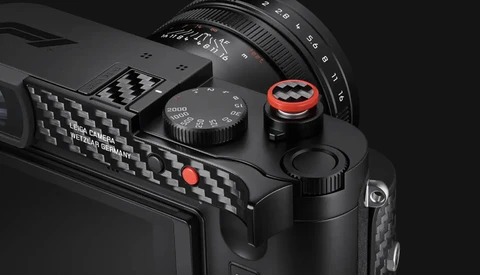
Leica Introduces a Carbon Fiber-Clad Formula 1® Edition of The Q3 43 for $9,950
Leica partnering with Formula 1 is a first, and unexpected. Why is Leica chasing F1, and what’s the actual benefit of the carbon fiber being used?
Leica partnering with Formula 1 is a first, and unexpected. Why is Leica chasing F1, and what’s the actual benefit of the carbon fiber being used?
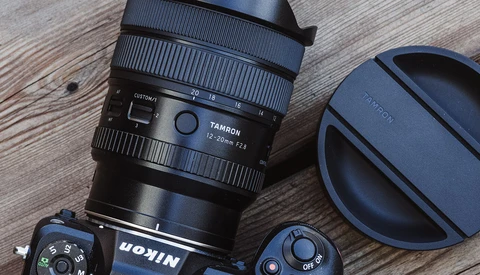
I’ve been playing with Tamron’s new ultra-wide 12-20mm zoom for a couple of months now. When I first peeled away the plastic wrap and held it, I thought, “Wow, very compact and light.” My next thought was that the glossy finish looked surprisingly smudged straight out of the box. I checked the marketing materials and found that this is part of Tamron’s new “Toned Profile Next” design language.
Modern cameras are so good now that they pretty much do all the work for you. Focusing is instant, you get large, detailed files with incredible dynamic range, and the camera has the ability to correct many optical shortcomings of the lens attached in-camera, resulting in technically polished images. How predictable. And boring.
I love Nikon cameras. I've been using them since I bought a secondhand EL2 in 1984. I've owned more Nikon cameras than I care to remember, and just last month, I acquired an F from 1972. So this isn't an anti-Nikon article, nor am I arguing that Nikon makes bad cameras. Quite the opposite. I’m a bit of a fanboy, if I’m completely honest.
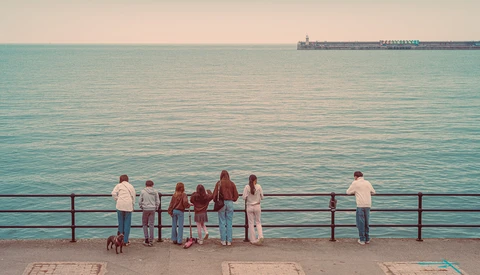
After about 40 years of photography, the biggest change in my work has nothing to do with cameras, lenses, or the transition from film to digital. It’s what I look for when I’m out with my camera.

I find people fascinating, and when I see someone interesting when I’m out and about, I often want to photograph them. And I do. Many photographers have commented about this and would love to do the same but don’t feel comfortable or confident doing so.
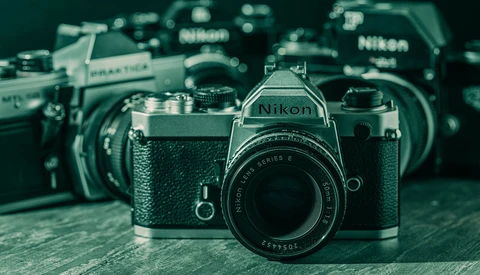
For the past couple of years, I've found myself reaching for film cameras more often. Not because they're better than digital—they’re not. For the analog look then? No, I believe you can get a film look with digital, if you know your way around an editing app. It’s really because they remind me why I fell in love with photography in the first place.
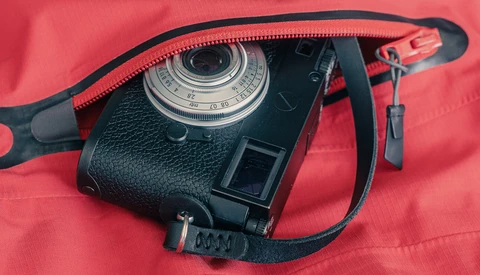
Brightin Star launched a solid brass manual focus 28mm f/2.8 pancake lens last year, painted in gloss black lacquer. My first impression when I saw the publicity photos wasn’t its incredibly small size. It should have been, but I was distracted somewhat by that high-gloss black lacquer with gold and red engraving. It looked a little garish.
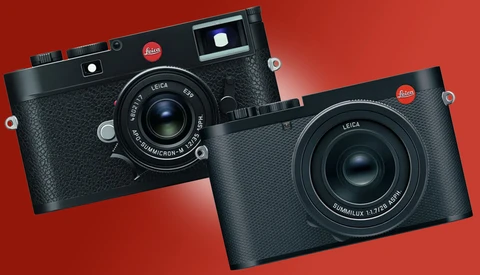
Leica is famous for its fully manual rangefinder cameras that are based on technology first introduced in 1954. In recent years there’s been what appears to be a huge surge of interest, particularly from younger YouTubers and influencers, all using rangefinders and gushing about them on social media. Some have a digital M, some have a film M, and a large number actually own both.
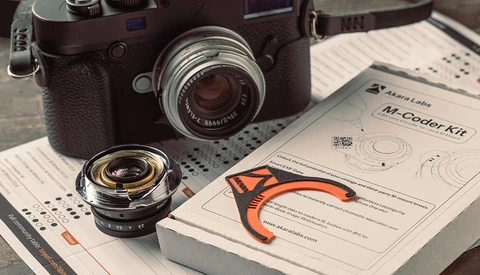
One of the joys of shooting with a Leica M is the incredible range of lenses available. The drawback for many of us, however, is that Leica’s own superb lenses are expensive. Once we’ve saved up for the camera, then we need to figure out what lens to buy.
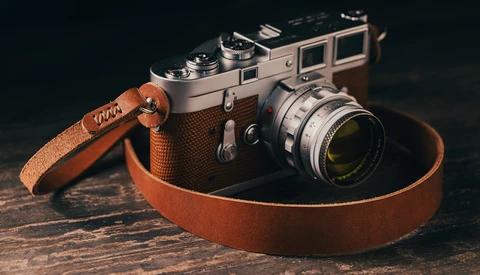
Fab’ are one of Canada’s top camera strap manufacturers. They have a wide range of leather and rope camera straps and harnesses, and everything is made by hand in Montreal. They’ve built up an extremely good reputation for making the highest-quality straps, yet they refuse to rest on their laurels.
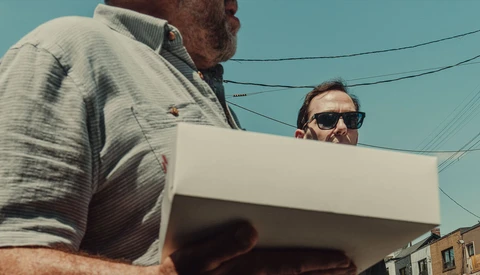
I love street photography; it’s fun. Everyone can do it because you don’t need to spend a lot of money to travel to far-off destinations. If there are no big cities nearby, no worries, we can do it in our local towns. Perfect!
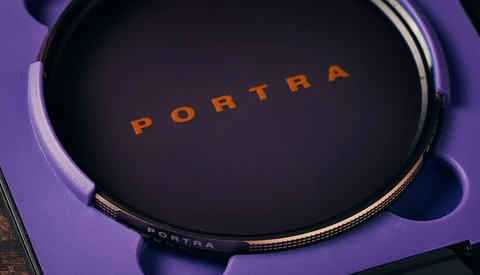
About six months ago, PolarPro sent me their new Portra filter. On their website it states, "Inspired by the look and feel of Portra 400 film… the Portra Filter blends color tone, diffusion, and glare reduction into one optical filter for a finished look." Hmm, sorry, it looks nothing like Portra 400 film. And I hadn't even put the filter on my camera at this point.

The Photoolex BB Series is a new modular camera battery charging system designed for professional photographers and videographers. Each model supports major battery types, including Sony NP-FZ100, Nikon EN-EL15c, Canon LP-E6P, and Fujifilm NP-W235.
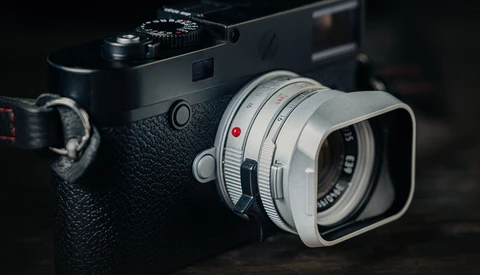
Owing to the growing popularity of Leica cameras in recent years, a bunch of new lens manufacturers have sprung up to provide much cheaper alternatives to Leica lenses. And what's particularly exciting is that, with the aid of modern technology, many rare and desirable Leica lenses from the past can now be reproduced with incredible accuracy.
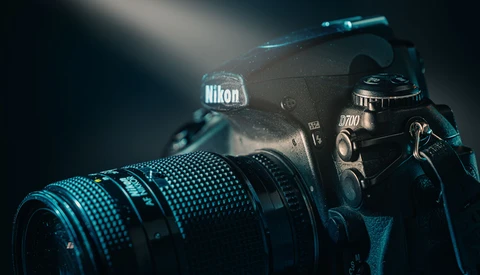
There's this idea going around that the newest cameras, with the latest sensor or faster processor, will give you the best image quality. I say to that, what absolute twaddle! (They wouldn't let me use the "B" word).
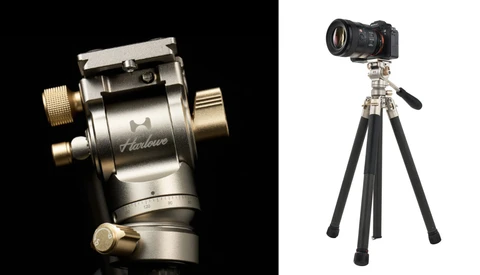
Harlowe has just launched the Rocket Air, a brand-new tripod that is bundled with a fluid head, providing a wonderfully light solution for hybrid shooters. The fluid head has a leveling adjustment, so for me, this makes it the perfect travel tripod for photography.

Yes, hate is a strong word, but it would be accurate in this instance. In the words of the great Dion DiMucci, "Here's my story, it's sad but true, about a tripod that I once knew." I think that was how the song went.
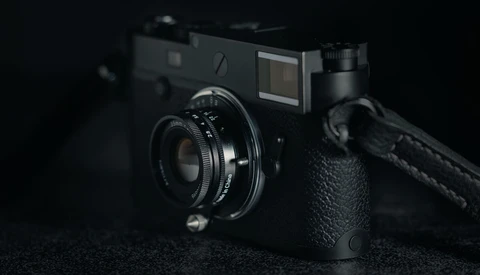
If you think the 7Artisans 35mm f/2.8 M Mount lens looks like it belongs to another era, you'd be quite correct. It was inspired by the compact optics used on Leica's early Barnack cameras in the 1930s. This tiny beauty, weighing just 88 g, embraces simplicity, portability, and character in a way that many modern lenses have forgotten.
I was in Bilbao earlier this year, and a photographer appeared from around a narrow backstreet with a massive backpack and a huge full frame camera and zoom lens hanging from his neck. He carefully took the obviously heavy pack off and placed it on a chair outside a cafe. The relief on his face, to take a break from lugging all that weight around, was telling.
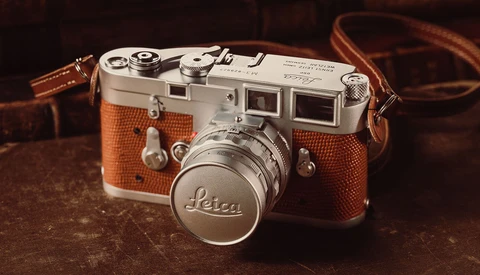
I know I've talked about my renewed interest in old film cameras before. Therefore I won't go over old ground in detail. I'll just say the main reason was the desire for a pure photography experience once again, without technology getting in my way. The only new digital camera that has given me that so far is a Leica Q2 Monochrome I purchased three years ago.
When it comes to focal length choice, my photography goes in cycles. For a few years now I've been shooting 28mm and 35mm, but recently decided it was time to move back to the 50mm focal range.
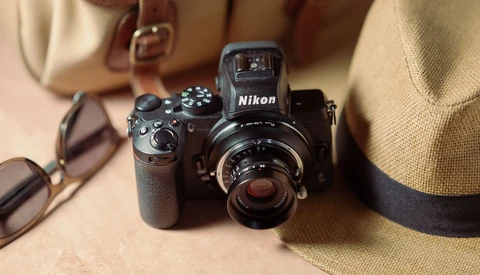
My favorite everyday carry/travel camera—which I grab for local strolls around town, or take on long backpacking trips—is my trusty Nikon Z50.
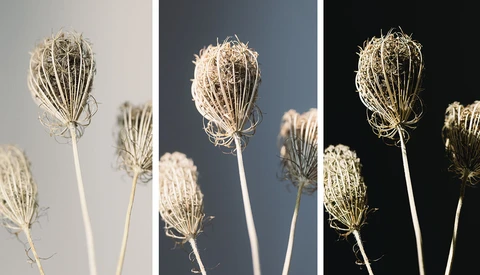
Macro and close-up photography is something we can all do, anywhere. We can find objects at home to photograph, or head outside into a local field or forest. It's a very enjoyable genre of photography. One of the more popular subjects to photograph is wildflowers.

If you find your photos flat, two-dimensional, maybe lacking impact and interest—there's one technique I use that can change that. It will guarantee to get you much more interesting and pleasing results. And that's sub-framing: creating a frame within a frame. Why is this so good? Well, it creates depth and interest.
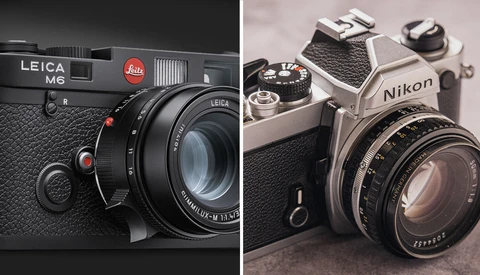
There was a moment recently when I realized the digital noise became too loud. Influencers and brands constantly talking about the latest technology and how it can improve your image quality. Menus became complicated. Firmware upgrades necessary. Increasingly faster eye-tracking and endless focus modes you never asked for. At some point, you start to miss something simpler—something quieter.
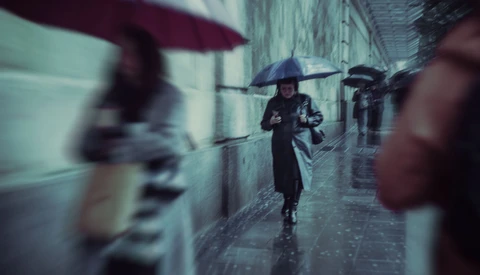
Most photographers put the camera away when it rains, but I believe this is a huge mistake. I've found that some of my best photos are made when it's raining, and I make the effort to embrace it. Let's talk about why.
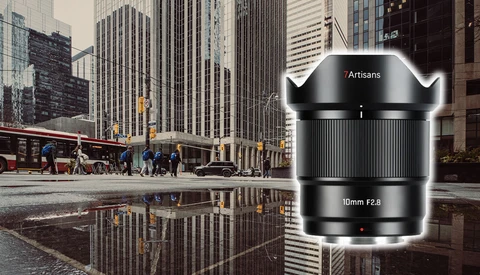
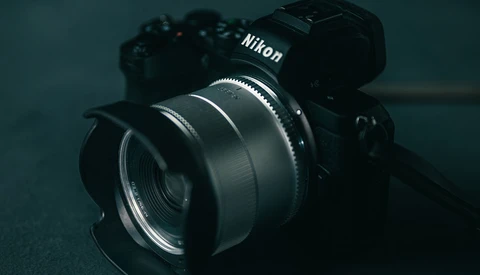
APS-C cameras are quickly becoming the main choice for everyday photography. I've owned a Nikon Z50 for seven years now, and it's still my favorite everyday camera, especially for travel, street, and urban photography. But finding lenses for it has always been a problem.
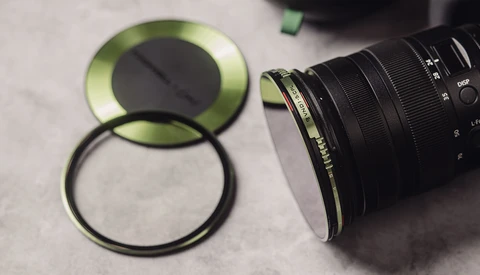
My first impression when pulling Freewell's latest filter kit offering out of its packaging was how small and light it was. Filter kits tend to be bulky and take up lots of space, often housed in boxes that take up valuable space in camera bags too. They can be a nuisance to lug around. Not this kit. I immediately liked it.

Buying a Leica M camera, be it a film or digital model, has become a dream for many. There is immense pleasure in holding a little M rangefinder—it just oozes quality, and using it is one of photography's greatest pleasures. And let's be honest, that red dot gives you some serious street cred.

Travel and street photographers need a bag—but something too big draws attention and can become a burden if it's on your shoulder and you're on your feet all day. The other option is a backpack, but they tend to be too big and bulky, and can become a nuisance when you're in a crowd.

Manfrotto's ONE range is a premium, hybrid support system designed to bridge the gap between photography and videography for modern content creators.

Much of the time, we take photographs because of how something looks. We’re drawn to pretty views with nice light or color; views that look visually appealing. Let’s be clear: there’s nothing wrong with this approach to photography.

If you’re shooting fast-moving sports or wildlife, or you’re a videographer shooting long takes in a raw format and high resolution, the most essential piece of gear you need is a fast reliable memory card. Choosing one, however, can be a nightmare. So what do you do? I would guess you buy one from a reputable brand, right?

When PolarPro sent me their new Arctic circular polarizer, I was quite excited. This new polarizer has been designed specifically for winter photography in cold, harsh conditions.
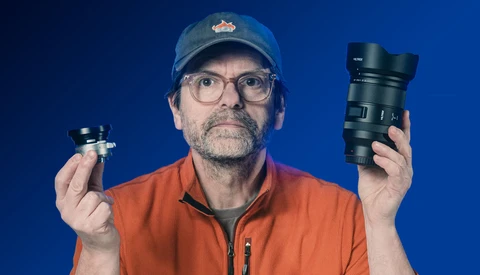
There are so many fabulous prime lenses that have been launched these past 12 months—and continue to be launched—it’s hard to know which direction to go if you’re looking to buy a new one. The choice can be overwhelming and confusing.