Lumaprints: Where Quality and Affordability Finally Meet
Photographers print their work less often nowadays. It's not because they don't care; it is due to one fundamental issue: whom do you trust?
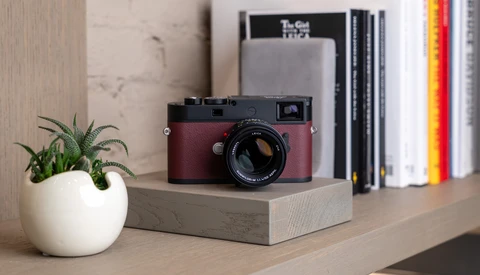
The world's most renowned and respected camera brand, Leica, has announced a new flagship store in Chicago, Illinois, opening on April 30, 2026. Located in Chicago's Gold Coast, one of the city's most culturally rich architectural districts, the new store draws on the city's creative spirit, offering photographers a dynamic space with rotating gallery exhibitions, workshops through the Leica Akademie, connections with fellow photographers, and Leica's latest innovations in technology. The Michigan Ave. flagship store is situated on Chicago's premier commercial corridor, strengthening Leica's presence in the world's cultural capitals.
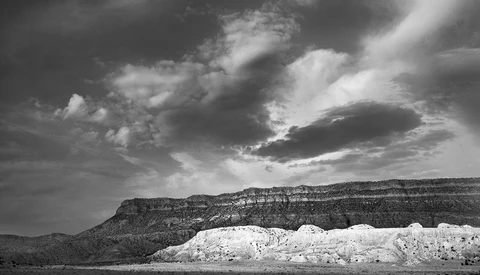
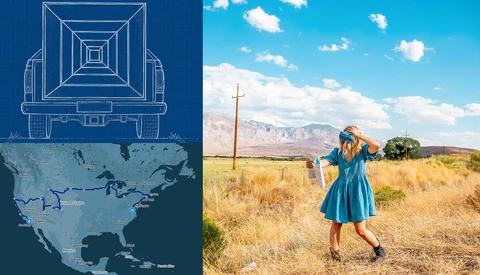
Most photographers start with a subject or theme. Conceptual photographers start with a question. What does isolation feel like? Not, where can I shoot next? Entering the world of conceptual photography is a beast of its own. It comes with its own challenges and rewards. My biggest question was, how do I start?
Understanding how to use color as the subject of your photos can turn a pleasing composition into one that stops people in their tracks. In this video, Alex Kilbee breaks down a few viewer-submitted photos to explain why they work and how you can use the same principles to improve your images.
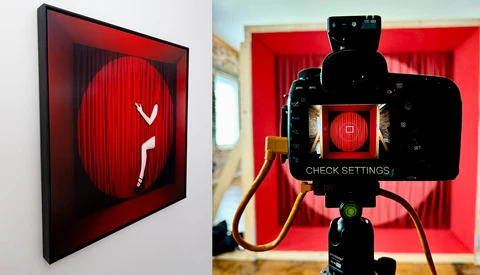
Most of us never question the shape of the frame—we just shoot what the camera gives us. We consider a 3:2 ratio normal, and we rarely stray from it. What happens when you stop treating aspect ratio like a default and start using it like a creative choice?
Most photographs never leave a screen. We printed the same image three different ways and discovered how much presentation changes not just the photo, but the way you shoot.
Uh oh. A conversation about AI in photography? Let the witch hunt begin. We all know that AI is rapidly becoming a dominant and controversial topic in our industry. I am not here to proclaim one way or another, but simply to open a dialogue between the technical modernization of art and, of course, the purism of the art form.
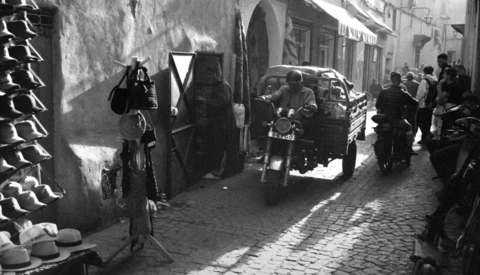
Discover the fascinating world of environmental portraiture in travel photography. Let’s also discuss essential ethical considerations and the importance of respecting cultural norms to ensure a meaningful photography experience and the creation of impactful images.
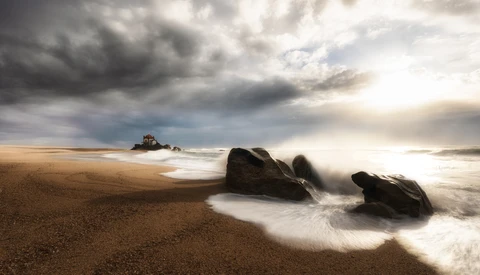
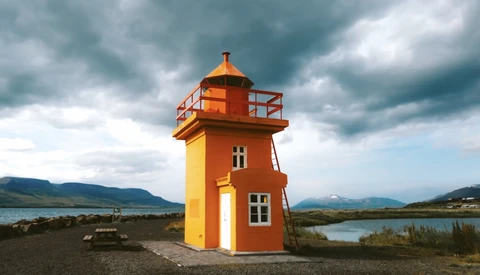
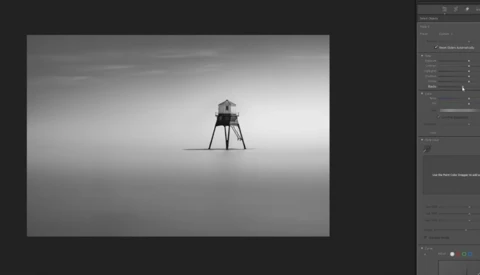
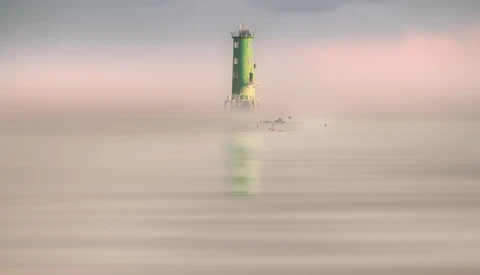
There is something about a lighthouse that demands a certain kind of stillness. I’ve spent more hours than I care to admit standing in the wind, looking at these structures—whether it’s Poolbeg Lighthouse in Dublin or a lonely sentinel on the coast of Portugal—waiting for the light to match the mood I see in my head.
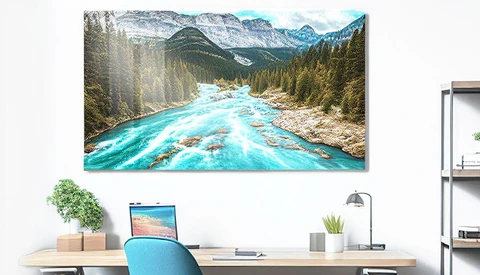
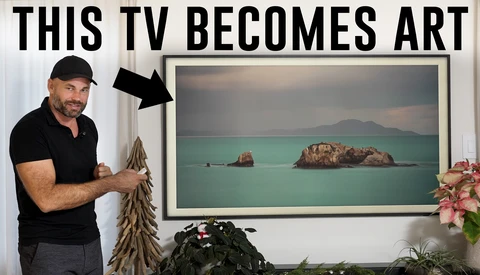
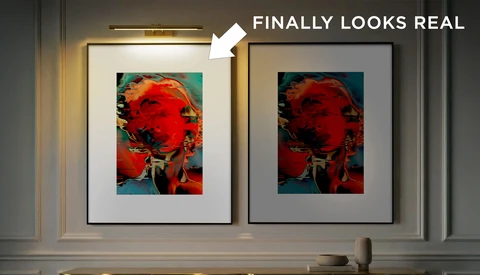
I was recently mailed what I believe is the world's most expensive digital picture frame, the InkPoster Tela 28.5. This is different than almost every other digital frame on the market, but can it possibly be worth $2400?
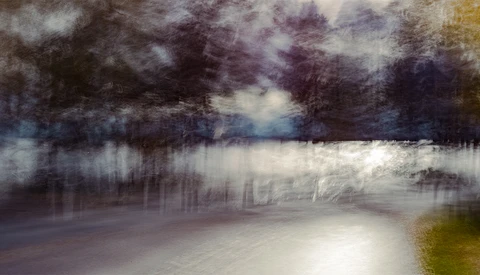
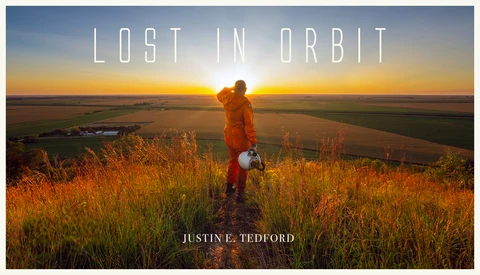
This is not a guide, but a way to think about abstraction as one way for photographers to regain control and meaning when technology learns every technique.
Most photographers start with a subject or theme. Conceptual photographers start with a question. What does isolation feel like? Not, “Where can I shoot next?” Entering the world of conceptual photography is a beast of its own. It comes with its own challenges and rewards. My biggest question was, how do I start?
Photographing the landscape can be hard work—at times, very hard work. It entails rising well before daylight, in most cases, and working in sometimes very harsh conditions. Most of the time, you will be out in the woods until well past dark, waiting for just the right moment, which may not come—even after your most valiant efforts. It makes sense, then, to do everything you can to stack the odds in your favor. Here are some thoughts on that.
I entered the field and profession of photography in 1978, having worked as a photographer’s assistant for two years. While working as a photographic assistant in a very busy portrait commercial studio, there was an opportunity to learn some of the ins and outs of running and managing a professional studio—things like scheduling sessions, making sure work was delivered in a timely manner, ensuring payment was received on time, managing staff, marketing, etc. There was so much more I needed to know about running a photographic business than simply creating usable, saleable, even stunningly beautiful images.
In an era in which solo creators and small teams can create the kind of work that used to require many more people and the resources of a well-funded studio, creatives often need to wear many hats to realize their artistic vision. Yet still, we insist on categorizing their creativity in narrow boxes.
The constrictive algorithms, toxicity, and competitive atmosphere of some social media platforms can be a drain on your creativity as a photographer. By contrast, the platforms that foster a sense of community and support can be great portals for photographers to connect and share their work.
In a culture of sensational media competing for our attention, an obvious path to dramatic images is to point your camera at dramatic stuff. But this photographer wants to show us the compelling beauty of the banal and the everyday that is, for most of us in this busy world, hidden in plain sight.
I have wondered what it is that makes one photograph effective and another just a big yawn. Why is it that one photographer can make a photograph of an object and everyone's jaw drops to the floor, and another can make almost exactly the same photograph and no one is impressed—except the photographer’s mother, knowing being impressed is part of a mother's job description?
More is sometimes less. High dynamic range can be great for bringing out the details in your photographs’ shadows and highlights, but it can also make them look rather flat, clinical, and lifeless. If you want to give your images impact and emotional depth, consider trying high contrast instead.
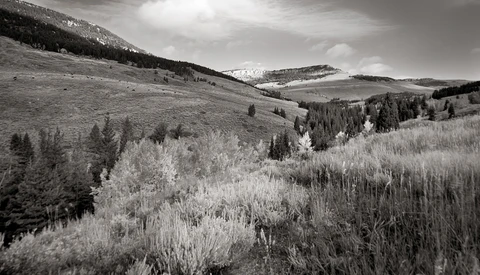
Several years ago, I got a call one morning from the head ranger at Bighorn National Forest in Wyoming. He was inquiring if I would be interested in participating in Bighorn National Forest’s initial Artist in Residence program. That was during the COVID shutdown, and my state was really locked down—we couldn't even go camping in a state park! So, yes, absolutely yes.
Have you ever found yourself with many snapshots of buildings and architectural features of a city you visited while traveling? Perhaps you looked at these photos thinking they're just ordinary snapshots. What if there were a way you could transform these photos into architectural fine art pieces using Photoshop?
Fine art photography has always intrigued me. The minimalism, the dreamlike compositions, and the sense of artistic control over an image are all elements that I deeply admire. Inspired by the likes of Gary Gough and other fine art photographers, I finally took my first steps into this style of photography—though not without some apprehension.
Photography is often misunderstood as merely a way to document reality, but in truth, it is an art form as complex and expressive as painting or sculpture. For me, photography is not just a technical process—it is a creative pursuit that requires both artistic vision and craftsmanship.
It takes a combination of courage, self-confidence, and a relaxed, easygoing nature to feel comfortable approaching and photographing strangers. For some of us, this comes more naturally than for others, but is this a skill that we can develop with a view to becoming better street photographers?
Capturing reality was never photography's sole purpose—it always flirted with imagination. But in an age dominated by digital tools and AI, how far can we push photographic art before it stops being photography?
As you may guess, I am not a fan of rules, and the question I often ask is, "Who made the rules, and why do they think they can tell me what to think?" In fact, I may get a T-shirt made that says in large letters, "Screw the rules and screw the horse they came on!" So there, I've said it. And if that sets your teeth on edge... just read on!
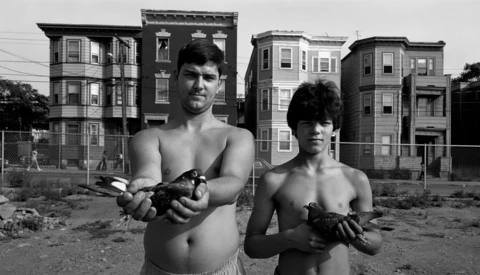
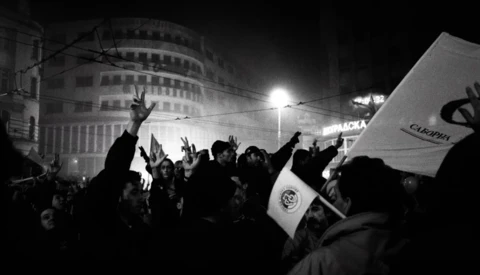
Photography sometimes requires us to embrace the apparent contradiction that life can be beautiful even when it isn’t pretty. This is something that Serbian-born photographer Boogie understands all too well and is reflected in his raw and unflinching photographic style.
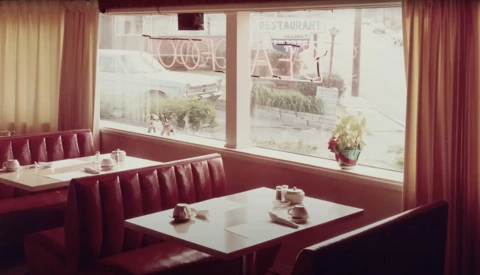
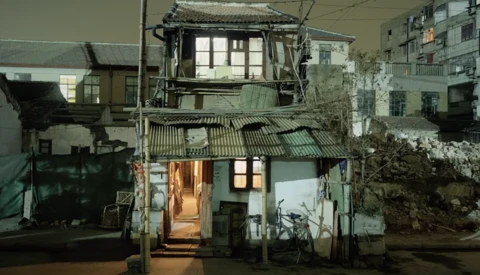
Canadian photographer Greg Girard left Vancouver in the 1970s to explore Southeast Asia with his camera. His colorful, atmospheric landscapes showed us a very different and unfamiliar part of the world that, for Westerners at that time, was much less traveled and even less well known.
Mastery of the camera, a keen photographic eye, and excellent timing are all prerequisites for being a good portrait photographer. But there’s another quality that is much harder to come by and less often talked about, yet it can distinguish a great portrait photographer from a good one.
There’s nothing quite like the solitude of my darkroom at dawn, the hum of my enlarger in the background, and the image slowly appearing on paper in my hands. For me, photography is more than capturing a moment—it’s a meditative journey into light, shadow, and form.
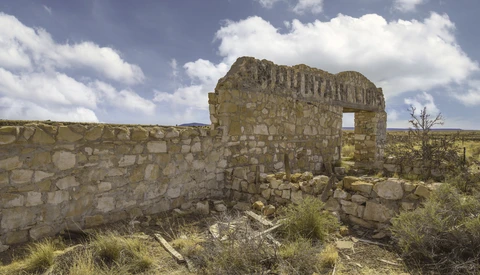
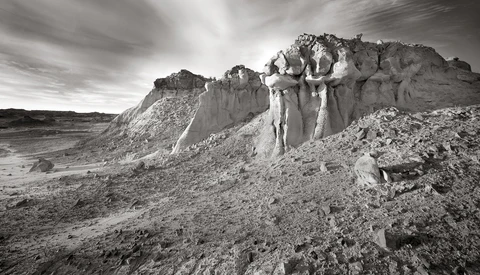
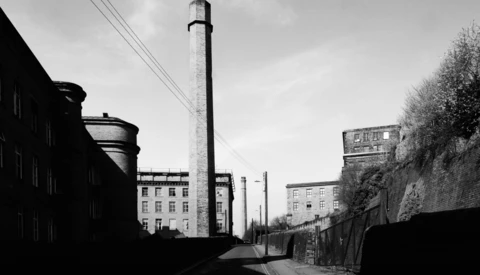
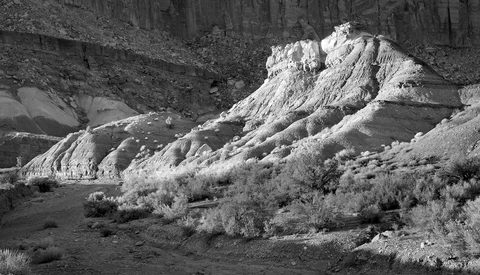
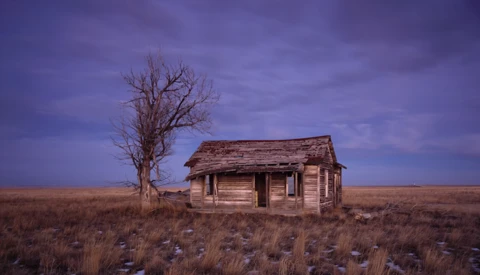
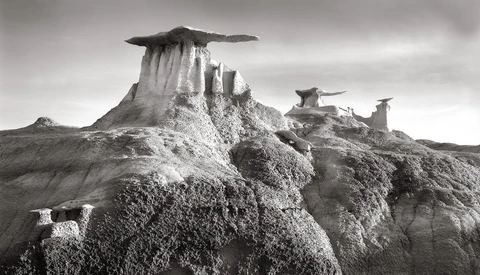
Places of emptiness and desolation might not immediately demand the attention of the photographer, but they have a haunting beauty that is all too easy to overlook. For one landscape photographer, the quiet magic of these neglected spaces has often been the source of his inspiration.
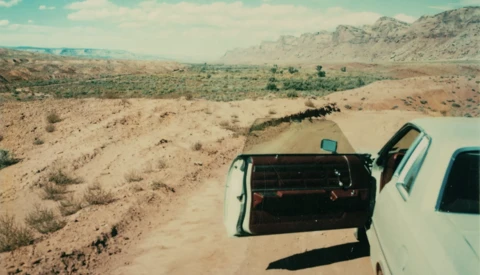
It is often through the eyes of an outsider that we are most able to see ourselves clearly. The collection of iconic images that Swiss photographer Robert Frank captured on his 10,000-mile road trip across America amounts to nothing less than a historical document and a landmark in American culture.
Fact: Depth of field will remain constant across all formats and focal lengths as long as the aperture and the image size remain the same. There are several factors that determine how sharp, or not sharp, an image may be. One of those is depth of field, and another is the movement of the subject matter that occurs while the shutter is open. Here, I will discuss depth of field.
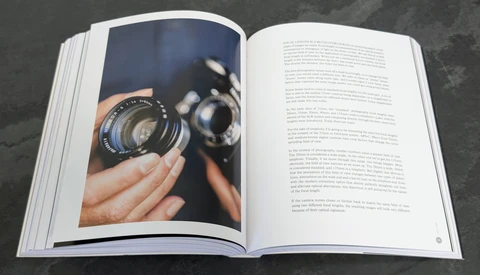
There is a short list of books that distinguish themselves from the mainstream of photographic discourse, and even fewer for which a good case could be made that they are required reading for anybody serious about photography. This new book about the art of photography scores on both counts.
As a filmmaker, there’s no denying that Wim Wenders has a distinctive and immediately recognizable visual style. But did you know that, in the years before his film career really took off, he developed and honed a great deal of his visual creativity working in the medium of Polaroid photography?
I have had the opportunity of working as an Artist in Residence for the National Park Service four times. The last residency was for Buffalo National River in Arkansas. In the spring of 2020, I got a call from one of the managers for the National Forest Service in Wyoming, wanting to know if I would be interested in coming to Wyoming to do a residency there in Bighorn National Forest, which I was glad to do. So, in early September 2020, I loaded up my gear into my Bronco and headed to Wyoming!
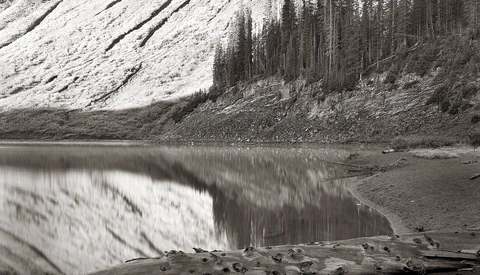
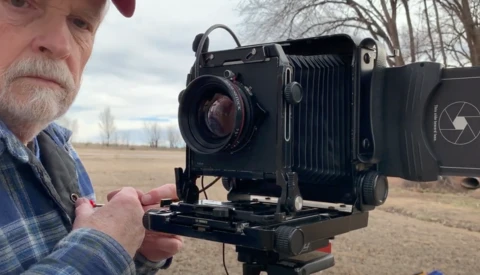
A question arises: Exactly why is it that you still use very large cameras and film when photographing the American landscape? Which is what I do.
Are you looking for a lens that’s as fun and versatile as your imagination? Meet the Lensbaby Trio 28—a creative powerhouse that lets you explore the world in triplicate. Three lenses, endless possibilities, and all the inspiration you need in one compact package!
Bodyscape photography is a unique way to transform the human form into abstract, artistic expressions. By focusing on contours, lighting, and subtle details, you can create striking images that blend mystery and art with minimal equipment.
Bright sunshine can be a gift to the photographer, creating deep shadows and contrast that accentuate shapes and forms and lend your images a vivid intensity. But the flat, gray light of an overcast day has its own special ambiance and mood that can be a better fit for more contemplative scenes.
It is a story brought to life by a father and photographer with Fuji’s GFX100S II and the GF 500mm f/5.6. He started a series about a traveler through existence with a project that explores childlike wonder.
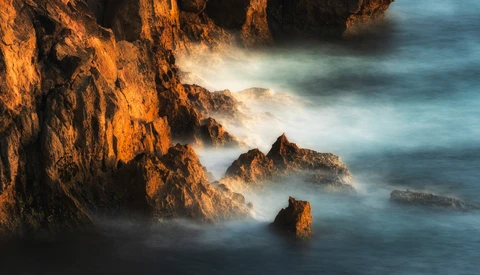
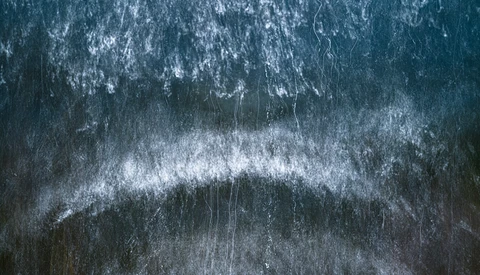
If you’re looking for a new, creative way to shoot landscapes, this may be the video for you. Tom Woods' video might inspire you to capture your own motion-blur seascapes or use this technique for another creative landscape scene.
You crest the brow of a hill to behold a magnificent landscape, but as you’re framing it in your camera’s viewfinder, you realize that this stunning scene is intersected by ugly power lines. Is editing them out later in Photoshop an option you would consider, or one that feels somehow dishonest?
A common misconception in landscape photography is that using the lowest ISO setting always results in the highest quality images. I frequently encounter this question and concern in my YouTube comments. Therefore, I thought it would be the perfect opportunity to share a video and article discussing the importance of ISO.
Does the joy of shooting with film always have to come at the price of expensive scans, or the frustration that can accompany the often time-consuming and laborious process of scanning your own film? Maybe not with this fast, cost-effective, and high-quality alternative to traditional film scans.
Why do artistic creative types love melancholy so much?
As a long-time resident of the Bay Area, I’ve had the privilege of photographing the Golden Gate Bridge for over ten years. Whether it’s capturing the low fog rolling in or watching the golden light of sunrise and sunset cast its warm glow over the bridge, this landmark never ceases to amaze me. The Marin Headlands offer some of the best vantage points, especially when the fog is low, and the atmosphere feels almost otherworldly. It’s a scene that continues to inspire me, even after all this time.
You may not have been aware that film director Stanley Kubrick was also a professional photographer, having shot assignments for magazines before he ever made any of his award-winning movies. So what did his photographer’s eye bring to his movies, and what can we learn from his creative process?
Before you instinctively dial in a wide aperture for that dreamy bokeh, consider what you might be losing in terms of your photograph’s ability to tell a story. How about taking your fingers off that aperture ring for a moment and listening to one of the world’s greatest visual storytellers?