Astrophotography

The night sky is one of the most demanding and rewarding subjects in photography. Getting a sharp, noise-free image of the Milky Way or a detailed shot of the moon requires the right gear, careful planning, and a solid understanding of what happens when you push a sensor to its limits in the dark. This section covers everything from beginner star trail guides to advanced deep-sky imaging with tracking mounts and stacking software.
Looking Ahead to Future Eclipses

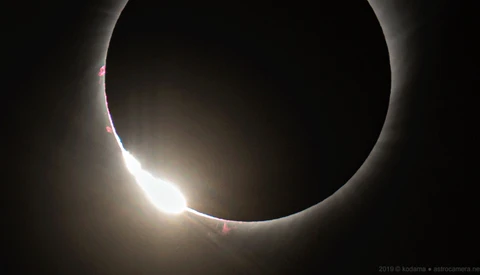
While the lunar and annular solar eclipses are fresh in our minds and travel is gradually returning to some semblance of normality, it’s a good idea to begin to think ahead to future eclipse photo opportunities (especially total solar eclipses) in the next few years. Why plan so far ahead? Unfortunately for most of us, the opportunities to photograph a solar eclipse within our lifetimes can be counted on a few fingers. Lunar eclipses are a little easier to plan for but still require some planning.

A Look at an Astrophotographer's Best Image

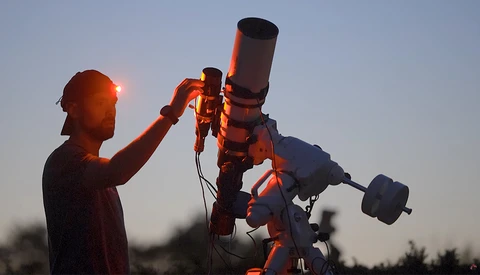
Astrophotography is a tremendously challenging genre, requiring specialized equipment, excellent technique, a lot of knowledge, and loads of patience. However, when you get a good image, it is all worth it, as you can capture some of the most remarkable photos of our universe. This great video follows an astrophotographer as he captures what he considers to be the best photo he has taken so far. 

Eclipse Season, Act II : June's Annular Solar Eclipse

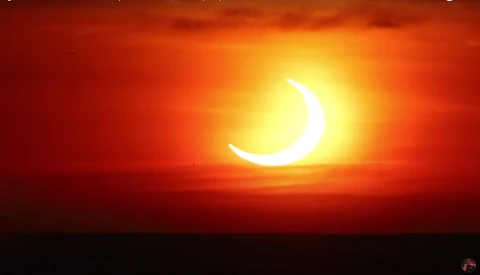
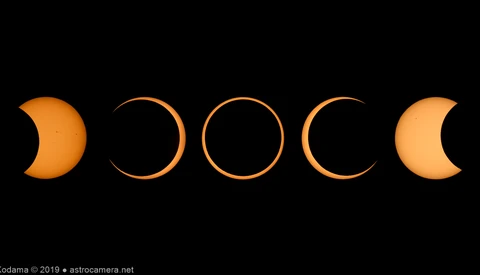
For 2021, the first event of the “eclipse season” is a lunar eclipse on the morning of May 26. The second is an annular solar eclipse on June 10. In an annular eclipse, the Moon appears too small to block the Sun out entirely, so at maximum eclipse, the Sun is visible as a ring (annulus).

A Guide to Photographing the May Lunar Eclipse

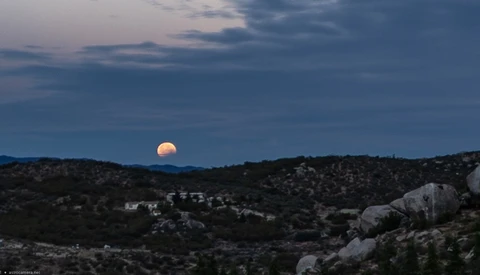
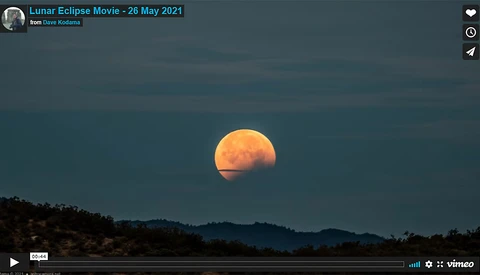
In 2021, one of the astronomical targets you may want to challenge your photo skills on is the lunar eclipse occurring on May 26 (the evening of May 25-26). While lunar eclipses are generally not hard to see, since half the world can see the moon at any instant, not everyone can see the full extent of the approximately three-hour event. For this one, Pacific Ocean hemisphere residents are favored, but the west coast of the U.S. gets to see totality followed by the still partially eclipsed moon set opposite the sunrise.

10 of the Best Ultra-Wide-Angle Lenses for Astrophotography

Astrophotography is one of the few genres where gear can make a profound difference that is impossible to replicate without it. One of the most important tools — if not the most important tool — is the lens on the front of your camera.

Skills Every Photographer Should Have for Night Sky Photography

The night sky offers stunning photographic opportunities for all sorts of genres, but with those comes an array of challenges that require some specialized skills. This helpful video tutorial discusses some of the most essential skills photographers need to have for night sky work. 

Drastically Reduce Noise in Milky Way and Nightscape Foregrounds Using Photoshop

In recent years, technological advances in camera sensors have made it possible to capture incredible landscape images at night, but they still struggle to capture detail when the light is very low or nonexistent without introducing high amounts of noise to the image. This technique, known as "median stacking," will help reduce or even eliminate noise in your nightscape foregrounds, resulting in clean, detailed images that are ready for print or online scrutiny. 

Hunting for Meteors in Your Night Photos

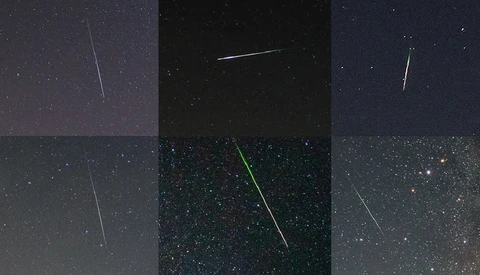
The standard procedure for photographing a meteor shower is to photograph as wide a swath of the night sky as possible all night long. With modern digital cameras, this usually means setting a camera to shoot 15-30 second exposures at around ISO 1,600, with a 2-5 second pause between frames, resulting in a night’s haul of more than a thousand frames! While this photography can be fully automated, allowing you to sleep overnight, the real work of finding the meteors in your shots starts in the morning! We’ve cast our fishing net out, and now, it’s time to haul it back in to see what we’ve found.

Tips for Photographing a Meteor Shower

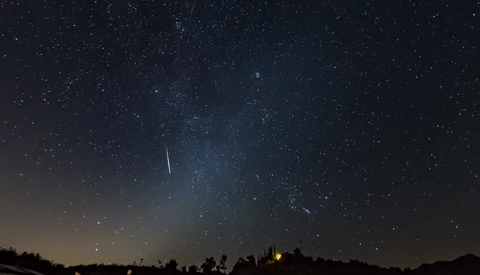
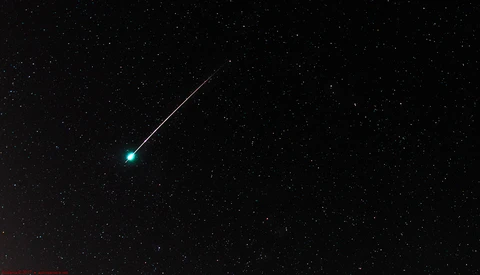
The annual Lyrid Meteor Shower is nearly upon us, peaking on the evening of April 21-22. While it’s not the best of the annual meteor showers, it is a good opportunity to try your hand at the challenge of capturing an image of a meteor. And even better, you may already have all of the equipment on hand: tripod, DSLR or mirrorless camera, and wide angle lens.

The Incredible Journey From 9 To 5 To Astrophotographer

Taking the leap into photography as a career can be a terrifying prospect, but on the other hand, some of us are simply not happy stuck in the tedium and repetition of a more traditional 9 to 5. This inspiring video essay discusses one man's journey from a 9-to-5 job in IT to professional astrophotography. 

Is Light Pollution Destroying Astrophotography?

Light pollution is a widespread problem, not just for astrophotography, but for anyone who simply enjoys looking at the night sky. And unfortunately, it looks like the problem is only getting worse. 

Go Behind the Scenes of This Incredible Galaxy Photograph

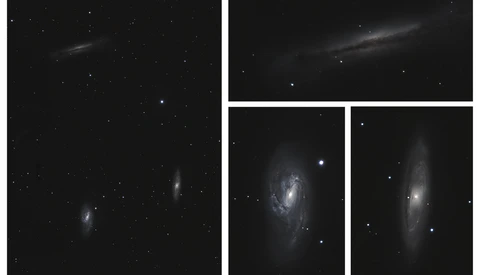
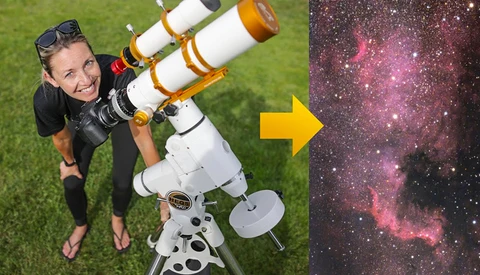
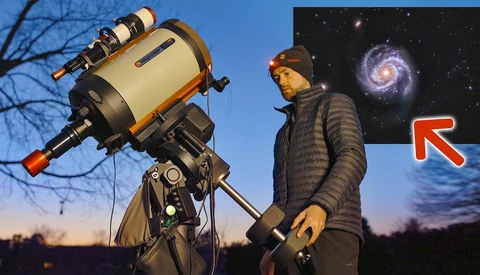
Astrophotography is a genre that requires specialized equipment, deep knowledge, and a lot of patience. It is a treat to watch a talented astrophotographer in action, and this neat behind-the-scenes video shows you the process of shooting an entrancing galaxy a whopping 55 million light-years away. 

Could You Shoot Astrophotography With a Kit Lens?

There is probably no other genre where light is at more of a premium than astrophotography, where ultra-wide apertures, high ISOs, and specialized equipment are the name of the game. This fascinating video shows what two professional astrophotographers were able to accomplish when limited to a very slow kit lens for their work. 

3 Ways To Photograph the Moon, From Start To Finish

Capturing the moon has been something photographers have tried since it was possible to do. However, it's trickier than most people think, particularly to capture real contrast and detail.

The Top Astronomical Events of 2021 for Astrophotography

Whether you are looking to get into astrophotography or take your skills to the next level, 2021 has lots of great astronomical events happening all over the world. Planning in advance and being in the right place at the right time is the first step to getting amazing shots. 

My New Go-To Strategy for Reducing Noise

Long exposures and high ISOs can bring out hot pixels. Worse than just regular high ISO noise, hot pixels are those little brightly colored dots that stick out like a sore thumb. Their random nature has made them tough to deal with effectively, until now. Want to know the easiest way to get rid of them?

This Photo Took Over 11 Days to Expose

As photographers, we generally think of long exposures as being on the order of a few minutes, maybe a few hours if you get deep into astrophotography. This exposure took far longer than that, however; in fact, it took over a week to gather enough light for the final image.

Canon R6 Versus R5: Which is Better for Astrophotography at High ISO?

The two Canon mirrorless bodies announced earlier this year caused quite a splash in most areas of the industry. One genre of photography which can really test a camera is astrophotography, so one photographer takes them out into the desert to shoot the stars and compare their results.

8 Steps to Better Milky Way Editing in Lightroom

Editing pictures of the Milky Way is difficult to get right. Which white balance do you use? How bright should the scene be? How do you remove excessive noise without stars disappearing? Well, follow these eight steps for image editing success on the galactic scale with Lightroom Classic.

Five Reasons You Should Be Shooting Astrophotography

It doesn't take long to burn out on a single photographic genre, especially for a creative person not being challenged enough. If you’re in danger of burnout and could use a unique challenge to reignite your passion for photography, consider astrophotography.

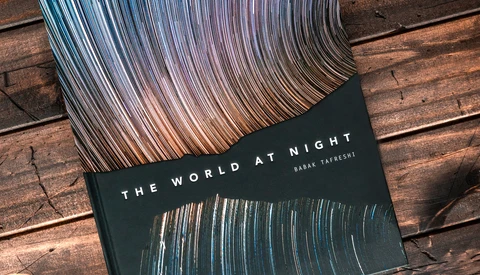
'The World at Night': An Astrophotography Book by Babak Tafreshi

The night sky is photographed more today than ever before, and yet, dark sky areas are shrinking at incredible rates. That's something The World at Night (TWAN) program and Babak Tafreshi are trying to educate others on with this new book and the amazing collection of images within. 

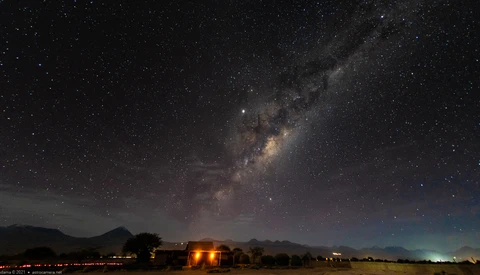
How to Photograph the Milky Way in 5 Simple Steps

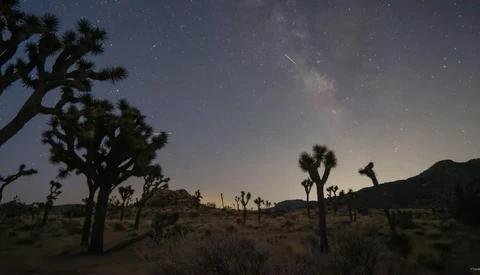
Learn how to photograph the Milky Way galaxy by choosing the correct equipment, using the right camera settings, and planning ahead with precision to avoid disappointment. You can also use these tips to photograph other astrophotography shots such as meteor showers.

Using the NPF Rule for Photographing Night Skies

If you look into the night sky long enough, you will see the stars move. Because it is dark at night, you will need a longer shutter speed to capture the beauty of the stars and constellations. But don’t expose too long, or they will turn into trails.

The 15 Best NEOWISE Comet Photos We Could Find

A few weeks ago, I read some news about the rare NEOWISE Comet passing by Earth and being large and clear enough to see with your naked eye. I got up, went outside, and looked up to a bunch of cloud cover. Luckily for me and all of you, we can always hit up Instagram and Facebook for great photos other photographers captured.

A Complete Astrophotography Workshop, for Free

There are a lot of good tutorial resources out there, some of them free, but for the most part if you want a high quality video tutorial, you'll need to pay. Well, this is a rare exception.

A Comprehensive Guide to Photographing the Perseid Meteor Shower

The Perseid meteor shower occurs from July 17 to August 24, and peaks on the night of August 12. In order to make the most of this spectacular meteor shower, I've put together a complete list of everything you need to know in order to get great astrophotographs of the event.

How to Edit Your Comet NEOWISE Astrophotos

Comet NEOWISE has been hanging around in night skies around the world for a little while now, and most photographers who have been blessed with clear skies have captured at least one shot of the comet. Beyond getting a good exposure, how do you process your astro shots for the best effect? In this tutorial, I'll show you how I edit mine.

Create Stunning Comet NEOWISE Composites

Anyone who's shot Comet NEOWISE has noticed one thing: it looks a bit small in the frame when shooting on wider lenses. That's why with the help of some image editing, creating a composite where we replace the sky may be the best way to produce a stunning comet composite.

What I Learned Shooting the Neowise Comet

I strive to capture moments in time with my photography, and one thing I like is once in a lifetime or very rare moments. The Neowise comet (aka C/2020 F3 NEOWISE) is one of those moments that won't happen again for about another 6,800 years.

Hurry and Photograph Comet C/2020 F3 Neowise Before It Fades Away!

Earlier this year, there were two hyped comets that made headlines but did not live up to expectations. Then, in June, stargazers held hope that the third comet c/2020 F3 Neowise would deliver a show, and it has surpassed expectations as the best Northern Hemisphere comet in decades.

Create a Really Good Milky Way Photo in Just a Few Clicks with Astro Panel 4

Last year, I took a look at Astro Panel, a Photoshop plugin designed to enhance Milky Way and other astronomical images. At the time, I was happy with what it did, but the author had a security scheme that forced you to log into the app every couple of weeks, which I thought was burdensome and downright silly.

How to Photograph Comet NEOWISE in 8 Steps

Comet NEOWISE is one of the brightest comets to visit earth for some time and can be seen right now in skies throughout the Northern Hemisphere. Here are some of the best tips for photographing it successfully.

Here's What It Takes to Take a Photo of Saturn

Saturn, the sixth planet from the sun, is a beautiful gas giant, well known for its iconic rings. However, it is almost unfathomably far from Earth, making it a challenge for any photographer wanting to take an image of it. This great video follows an astrophotographer as he tackles the challenge of creating a photo of the planet.